『Action!』 WORLD hold the breath |0228 Middle East

比推Опубліковано о 2026-02-28Востаннє оновлено о 2026-02-28

Анотація

Finally, a critical trigger moment has arrived in the Middle East, with the U.S. Fifth Fleet launching a full-scale attack led by Israel after what is described as a "well-intentioned smoke bomb" from Trump. Iran has responded strongly with multiple missile attacks targeting Israel, U.S. bases in Iraq, Qatar, and Bahrain, as well as Riyadh, Saudi Arabia. Gambling websites are predicting a parabolic increase in the probability of delayed U.S. military action against Iran. Capital and commodity markets, except sustainable and futures, are awaiting the delayed impact after Monday's opening. The author hopes those who followed earlier micro-strategy adjustments will benefit. It remains uncertain whether Iran will quickly give in as in previous confrontations—a key risk to the current strategy. The situation is being closely monitored, and readers are invited to share information and insights. The post concludes with hashtags referencing geopolitical perception and anti-fragility-based multi-asset strategies.

FINALLY, the trigger moment has arrived【Whether it becomes the biggest moment depends on whether other major players 『join in or not』】.

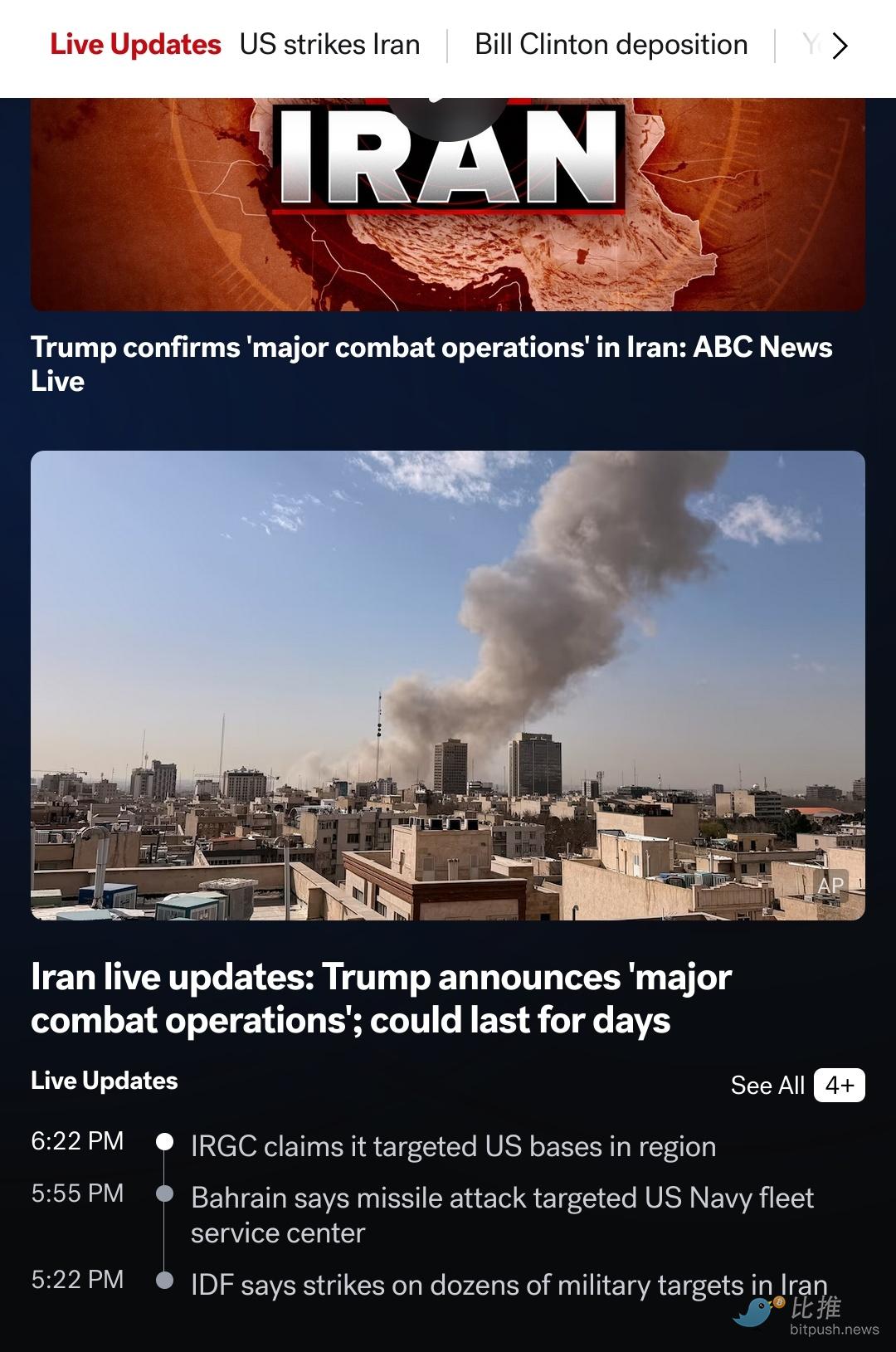
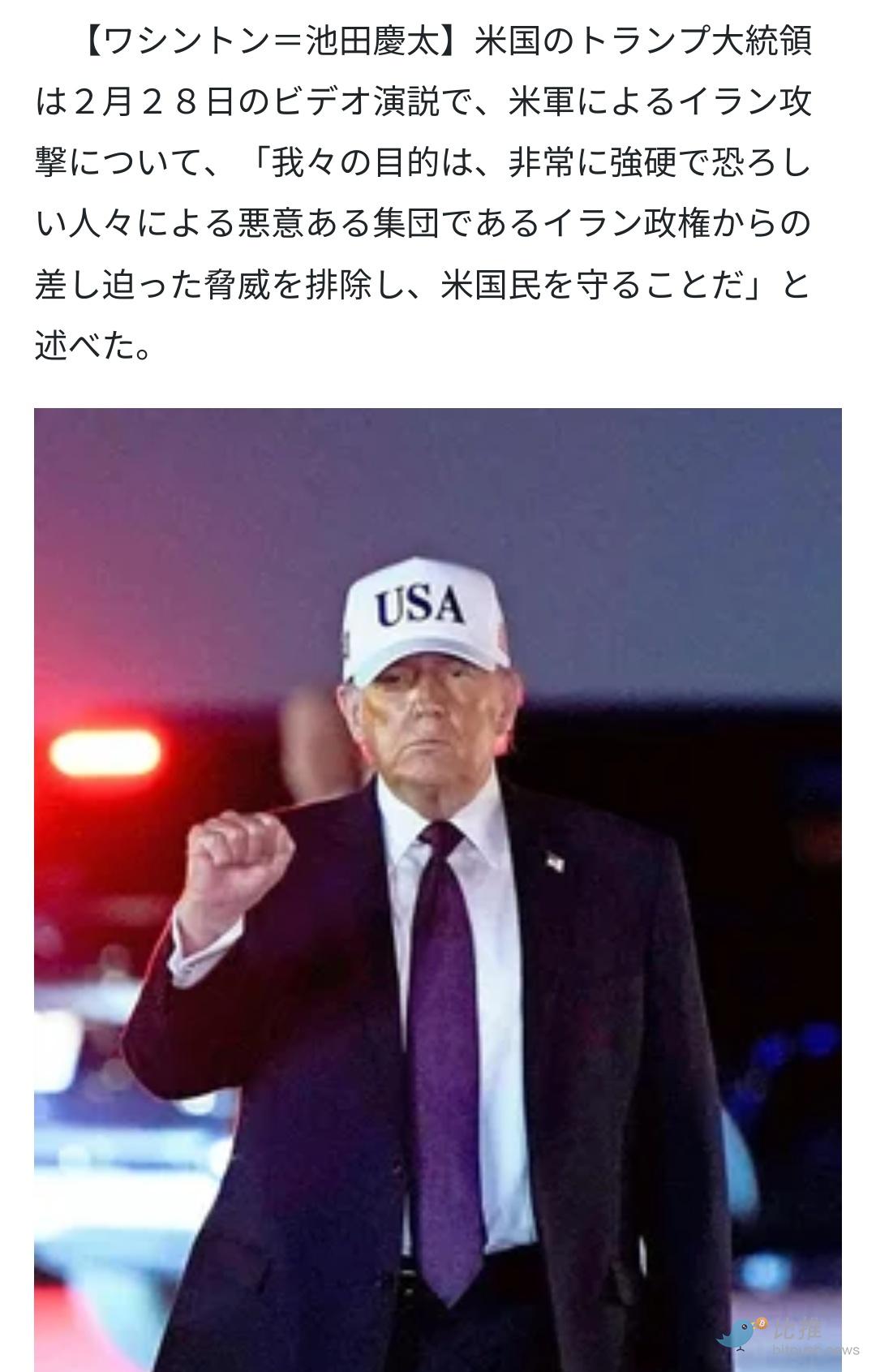
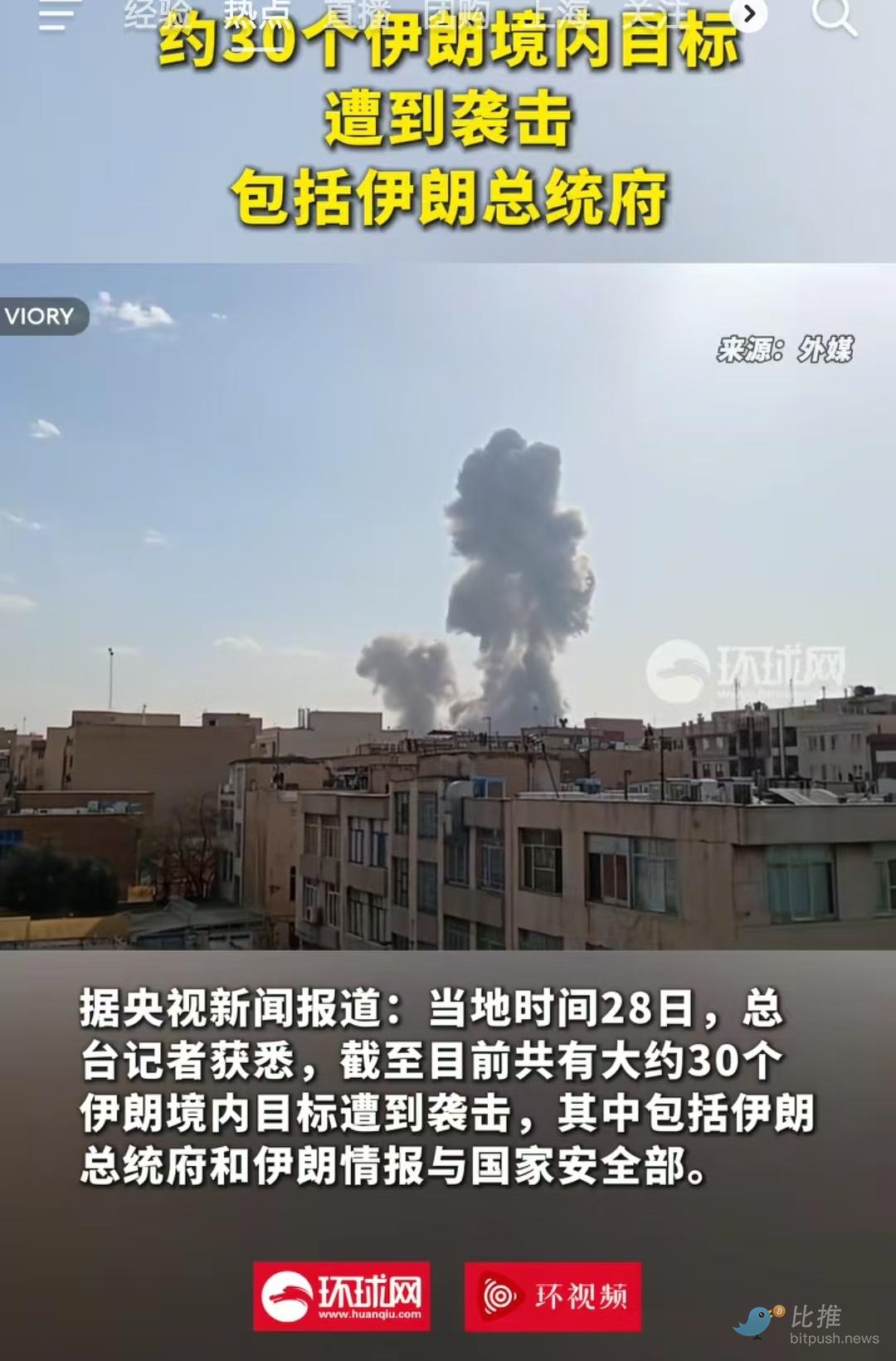
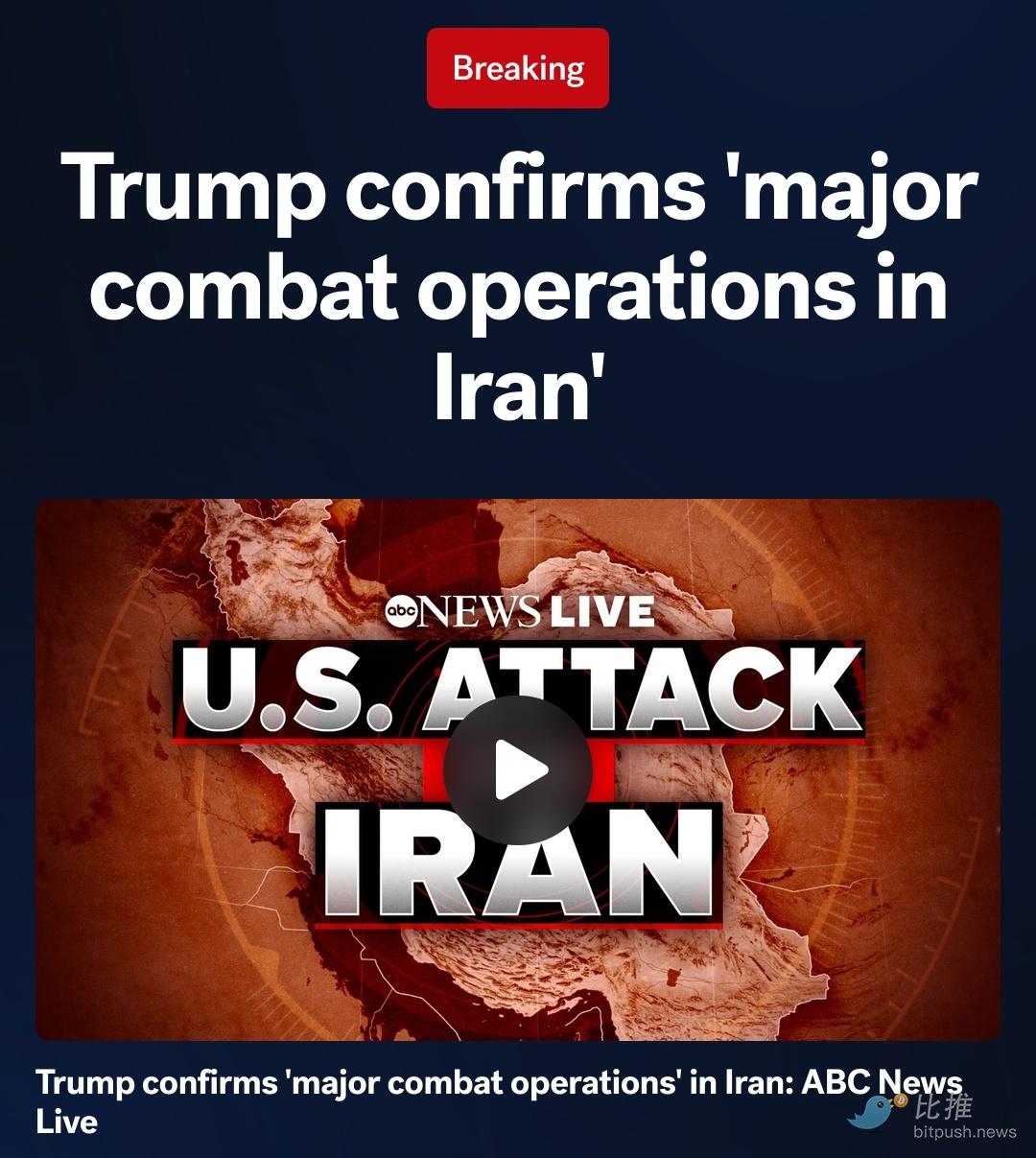
After Trump's well-intentioned smoke bomb was deployed, the US Fifth Fleet launched a full-scale attack, led by Israel.

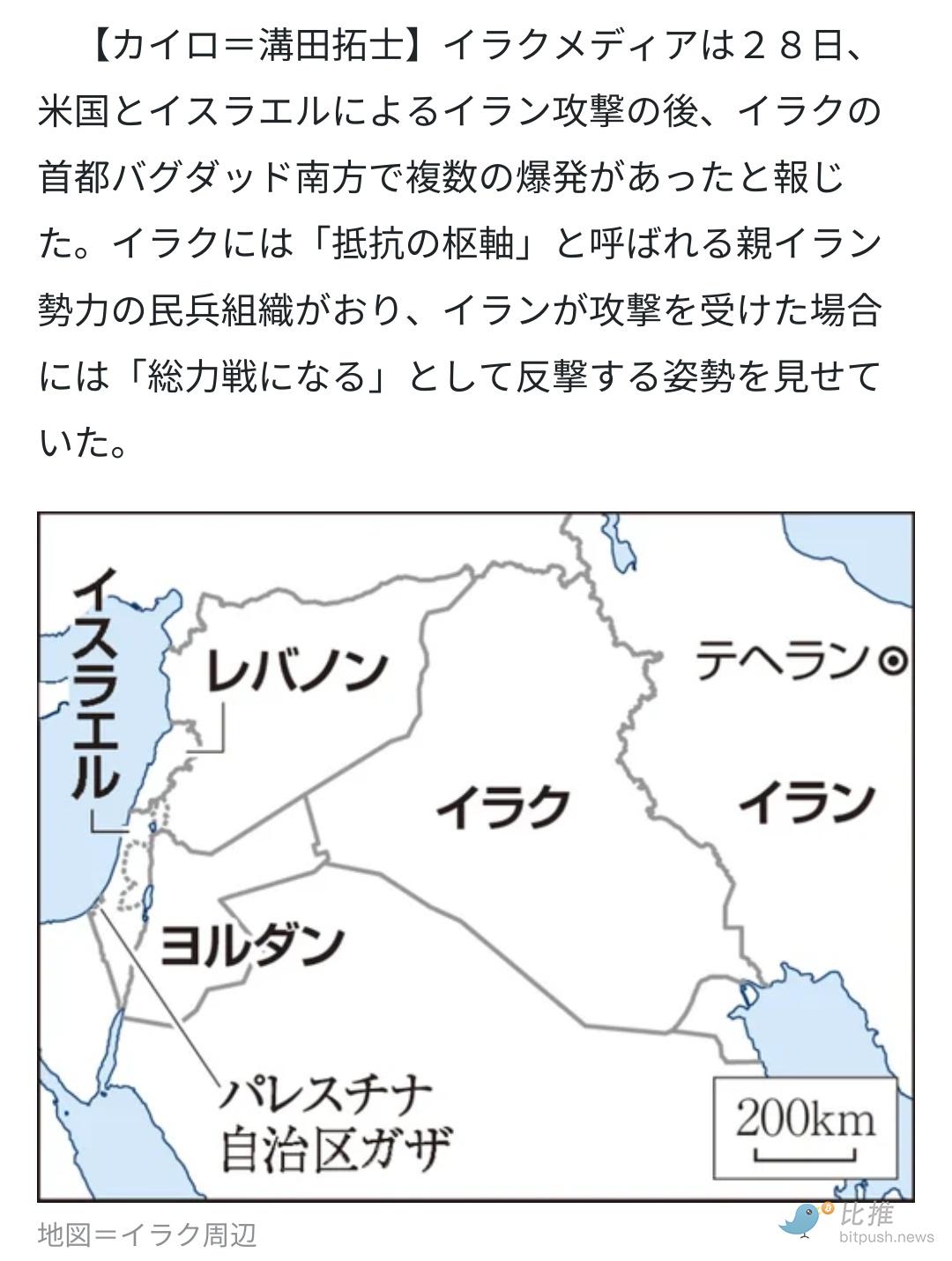
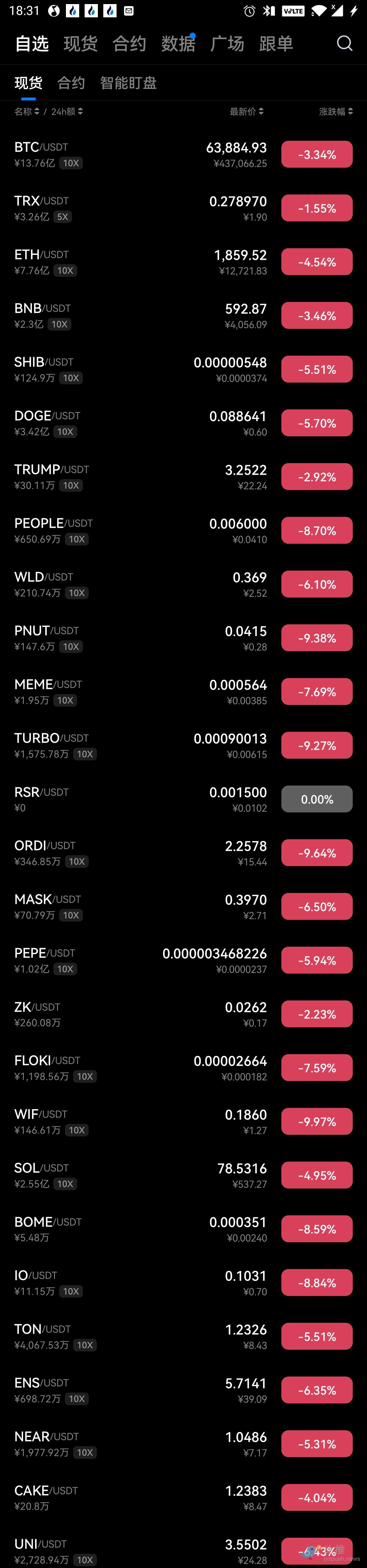
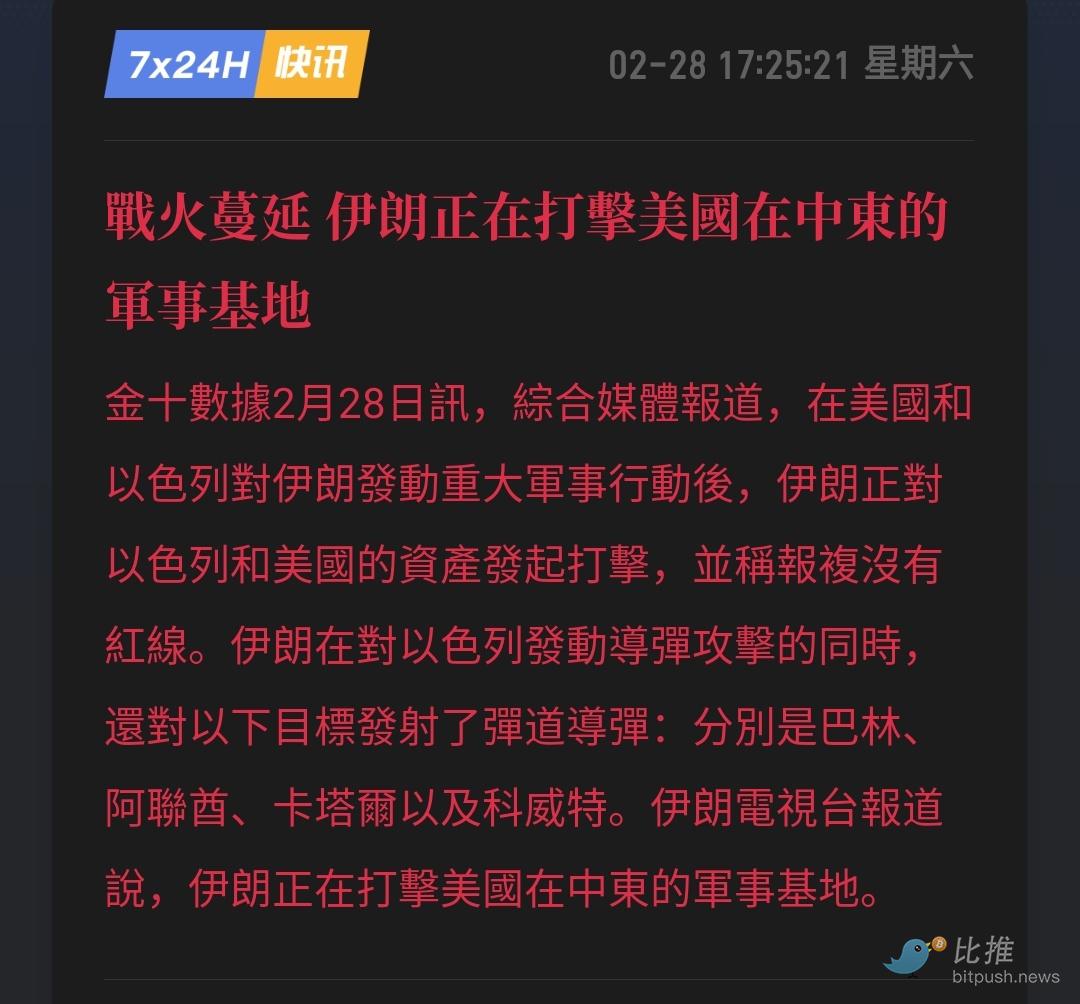
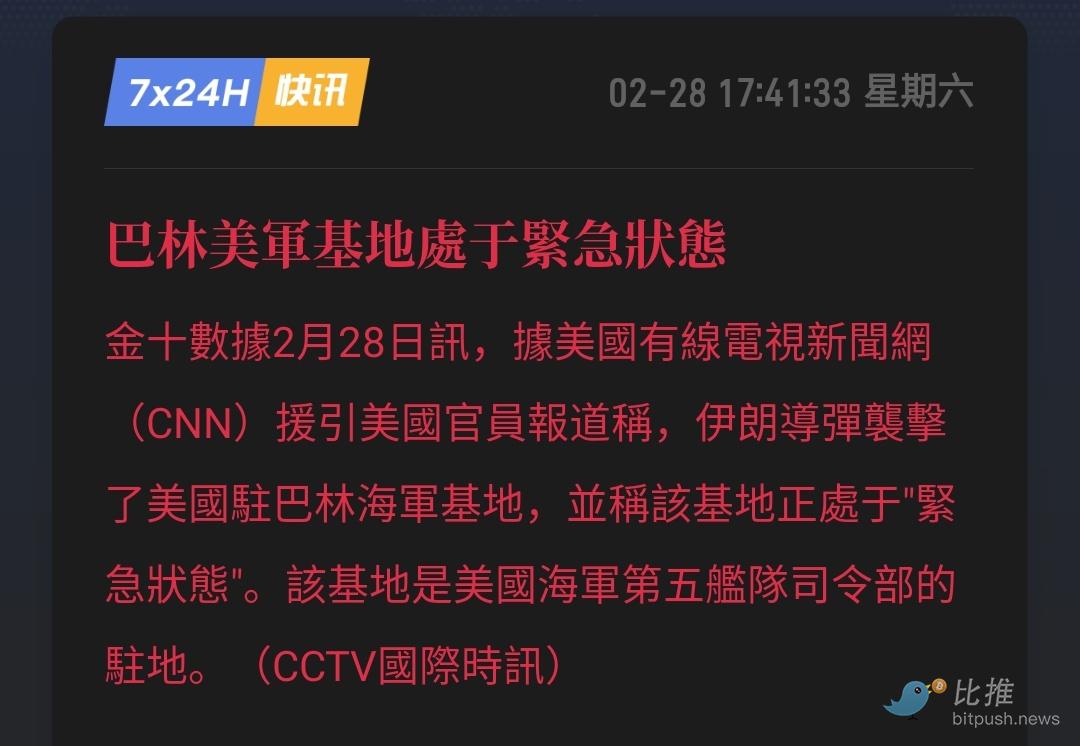
This time, Iran does not appear to be as weak. So far, it has responded with three rounds of missile attacks on Israel, missile strikes on US bases in Iraq, Qatar, and Bahrain, and missile attacks on Riyadh, the capital of Saudi Arabia.

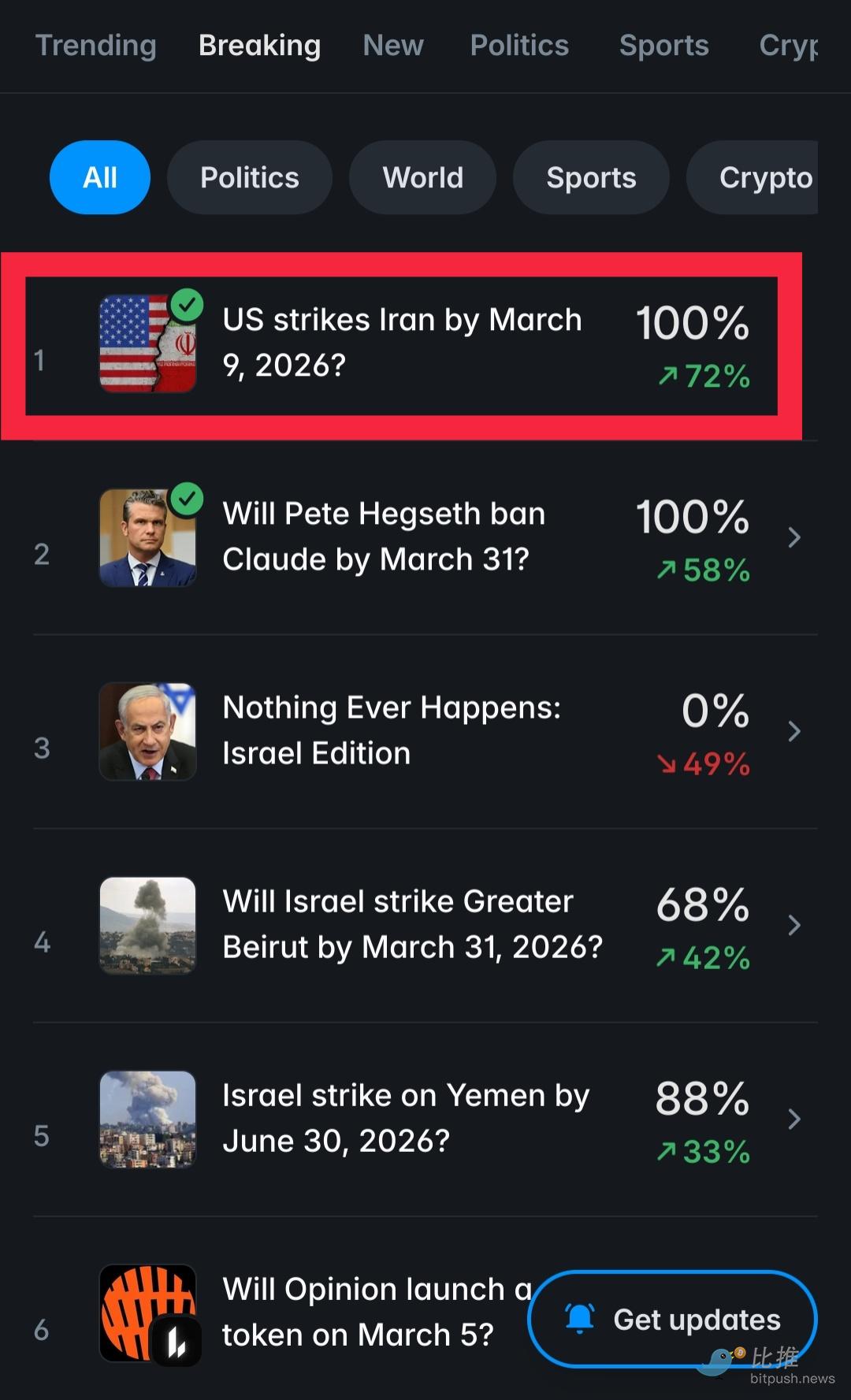
Gambling websites all predict a parabolic increase in the probability of delayed US military action against Iran. The dishes have already been cleared.

During the Asian weekend, capital markets and commodity markets—aside from sustainable and futures—can only await the delayed impact after Monday's opening. Accordingly, I also hope that friends who noticed our micro-strategy adjustments earlier will reap good returns.

We will not comment on whether Iran will be as weak as in previous instances of being attacked and then 『quickly give in (This is the biggest risk for our Micro strategy at the moment.)』.

We intend to closely follow the development of the situation. Welcome to discuss all information and developments with us.

Have a good weekend, Guys. It's a very special day.

#Post-Lighthouse Era Geopolitical and Economic Perception

#Diversified Asset Strategy Based on Anti-Fragility
Original link:https://www.bitpush.news/articles/7615392

Пов'язані питання

QWhat is the main event described in the article that has caused global attention?

AThe article describes a major military escalation in the Middle East, where the US Fifth Fleet, led by Israel, launched an all-out attack after a 'smoke bomb' from Trump. Iran has responded with multiple rounds of missile attacks on Israel, US bases in Iraq, Qatar, and Bahrain, as well as the Saudi capital, Riyadh.

QHow has Iran responded to the military actions mentioned in the text?

AIran has responded with significant force, including three rounds of missile attacks on Israel, missile strikes on US bases in Iraq, Qatar, and Bahrain, and missile attacks targeting Riyadh, the capital of Saudi Arabia.

QWhat is the potential impact on financial markets according to the article?

AThe article states that during the Asian weekend, capital and commodity markets, except for sustainable futures, are waiting for the delayed impact that will be felt after Monday's opening. Gambling websites are forecasting a parabolic increase in the probability of a delayed US military action against Iran.

QWhat is mentioned as the biggest risk to the author's 'Micro strategy'?

AThe biggest risk to the author's 'Micro strategy' is the possibility that Iran might quickly give in and surrender, as it has been 'beaten several times before'.

QWhat are the two hashtag concepts used to frame the article's analysis?

AThe two hashtag concepts are '#後燈塔時代地緣政經感知' (Perception of Geopolitical Economy in the Post-Beacon Era) and '#基於反脆弱性的多元資產策略' (Diversified Asset Strategy Based on Anti-Fragility).

Пов'язані матеріали

Within Strategy's Framework, STRC's Dividend Yield Remains at 12% as Share Price Stays Below Par Value

Michael Saylor, Executive Chairman of Strategy (MSTR), confirmed that the dividend rate for its STRC perpetual preferred shares will remain at 12.00% through August 2026. The rate has increased from 9% at its July 2025 launch to the current high via a "ratchet" mechanism, which permanently raises the rate by 0.5% whenever the share price falls below $95. This mechanism is intended to push the price back toward its $100 par value and support Strategy's "at-the-market" (ATM) program for issuing new shares to fund Bitcoin purchases. However, the mechanism has not worked as intended. STRC shares closed at $89.46 on July 31, remaining about 10-11% below par value despite the record-high dividend. Competition from rival Strive's higher-yielding SATA securities has pressured demand. The persistent discount has forced Strategy to suspend new STRC issuances via its ATM program, limiting this funding channel for Bitcoin acquisitions. STRC's struggles reflect Bitcoin's own volatility, as the preferred shares historically move in tandem. Analysts have warned the ratchet structure carries long-term, one-way risk. A law firm is investigating Strategy's ability to maintain dividend payments if Bitcoin's price stays low. Retail investors own roughly 83% of outstanding STRC shares, a group seen as prone to panic selling during downturns. In response, Strategy has established financial reserves, including a liquidity cushion covering about 26 months of dividend/interest obligations, and a $2 billion share buyback program alongside a Bitcoin monetization framework, though the company emphasized it is not obligated to sell any Bitcoin.

cryptonews.ru12 хв тому

Within Strategy's Framework, STRC's Dividend Yield Remains at 12% as Share Price Stays Below Par Value

cryptonews.ru12 хв тому

Analyst: Bitcoin's Price Will Drop to $60k in August, Then Rebound to $70k

Financial analyst Andrey Poroshin has provided a new forecast for Bitcoin's price dynamics in August. Poroshin, an analyst at the Bitbanker exchange, expects the cryptocurrency market to experience a downturn this month, with prices retesting the $60,000 level due to a lack of supportive macroeconomic catalysts. He noted that the recent US Federal Reserve decision to hold interest rates did not significantly impact the market, while inflation remains above the 2% target. Poroshin stated that Bitcoin is ending July under pressure from moderate volatility and a lack of new macroeconomic stimuli, leading to continued market caution. According to his base scenario, Bitcoin will drop to a range of $60,000 to $62,000 before recovering to $70,000. He pointed out that even $70,000 remains below the cost of mining in the US, which has prompted some miners to shift towards AI data center operations. Poroshin cited the winding down of BitMEX's operations as a potential catalyst for a price rebound, suggesting the exit of weaker players often coincides with market reversals and reduced short-term selling pressure. He believes Bitcoin is currently less susceptible to geopolitical shocks, such as the Iran-US conflict, and does not expect significant market changes in August related to the pending CLARITY Act. Looking ahead, Poroshin forecasts that September will bring more active price fluctuations driven by potential Fed rate decisions and possible discussions or approval of the CLARITY Act.

cryptonews.ru12 хв тому

Analyst: Bitcoin's Price Will Drop to $60k in August, Then Rebound to $70k

cryptonews.ru12 хв тому

Торгівля

Спот
活动图片