『Action!』 WORLD hold the breath |0228 Middle East

比推Опубліковано о 2026-02-28Востаннє оновлено о 2026-02-28

Анотація

Finally, a critical trigger moment has arrived in the Middle East, with the U.S. Fifth Fleet launching a full-scale attack led by Israel after what is described as a "well-intentioned smoke bomb" from Trump. Iran has responded strongly with multiple missile attacks targeting Israel, U.S. bases in Iraq, Qatar, and Bahrain, as well as Riyadh, Saudi Arabia. Gambling websites are predicting a parabolic increase in the probability of delayed U.S. military action against Iran. Capital and commodity markets, except sustainable and futures, are awaiting the delayed impact after Monday's opening. The author hopes those who followed earlier micro-strategy adjustments will benefit. It remains uncertain whether Iran will quickly give in as in previous confrontations—a key risk to the current strategy. The situation is being closely monitored, and readers are invited to share information and insights. The post concludes with hashtags referencing geopolitical perception and anti-fragility-based multi-asset strategies.

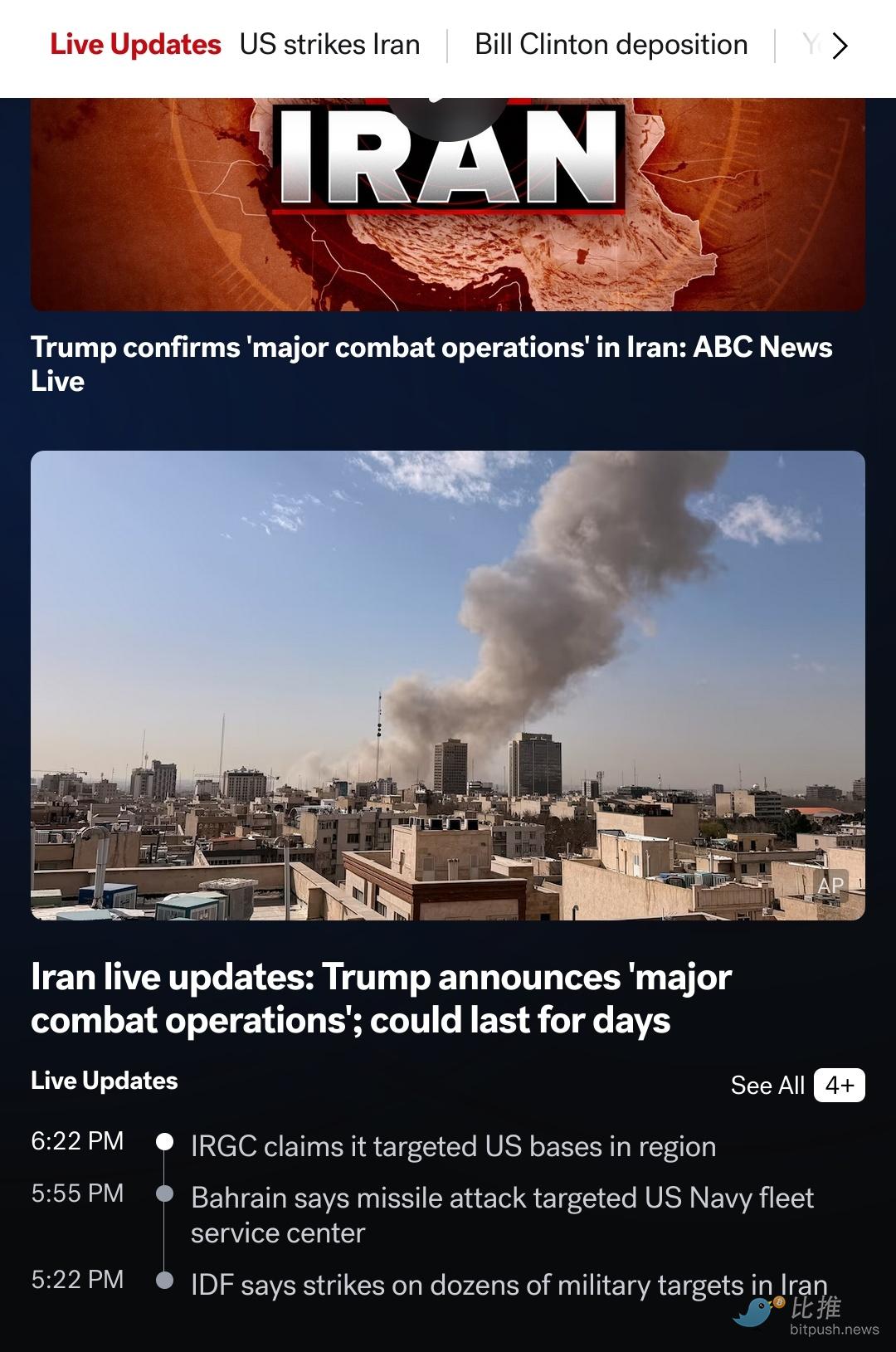
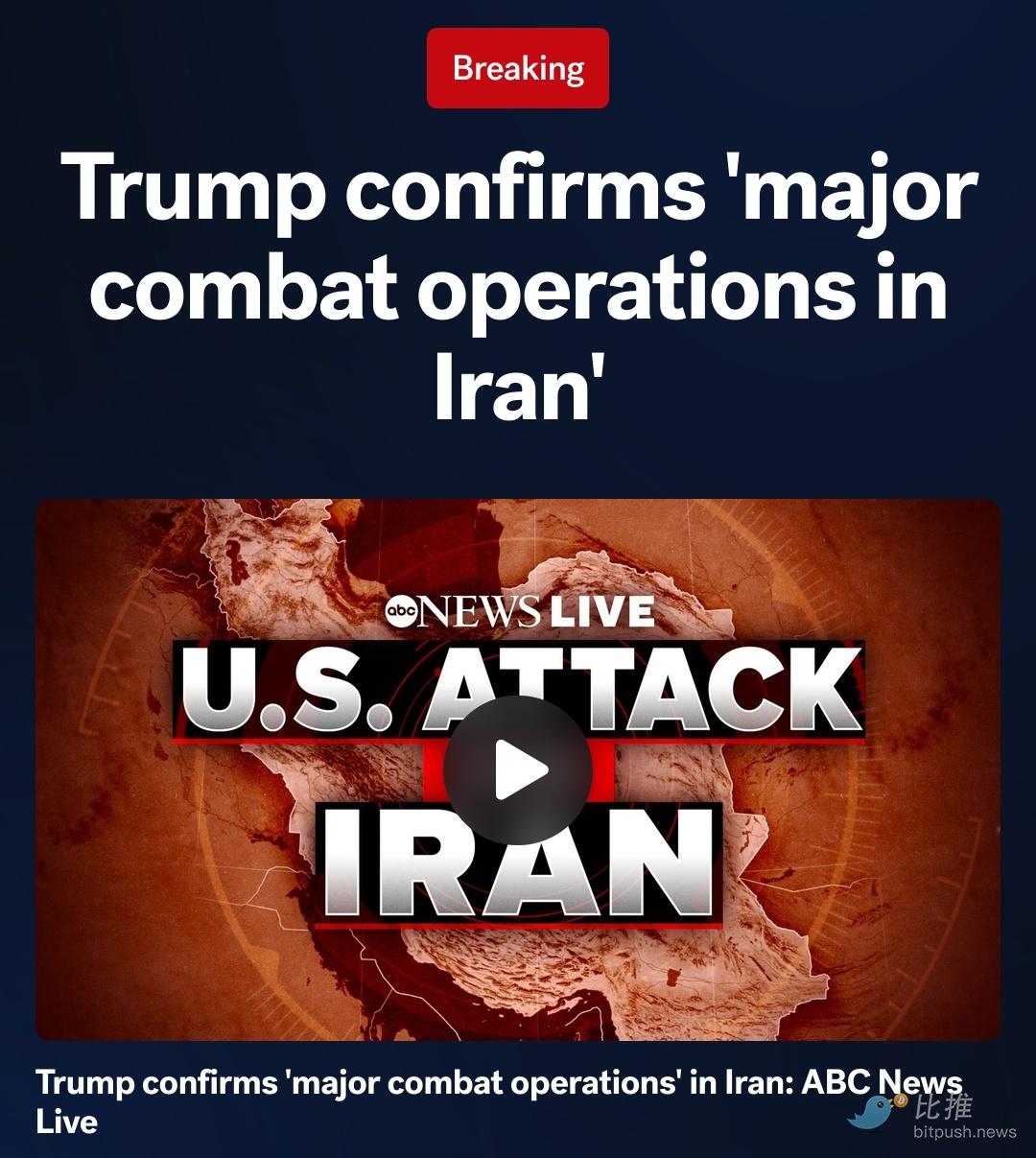
FINALLY, the trigger moment has arrived【Whether it becomes the biggest moment depends on whether other major players 『join in or not』】.

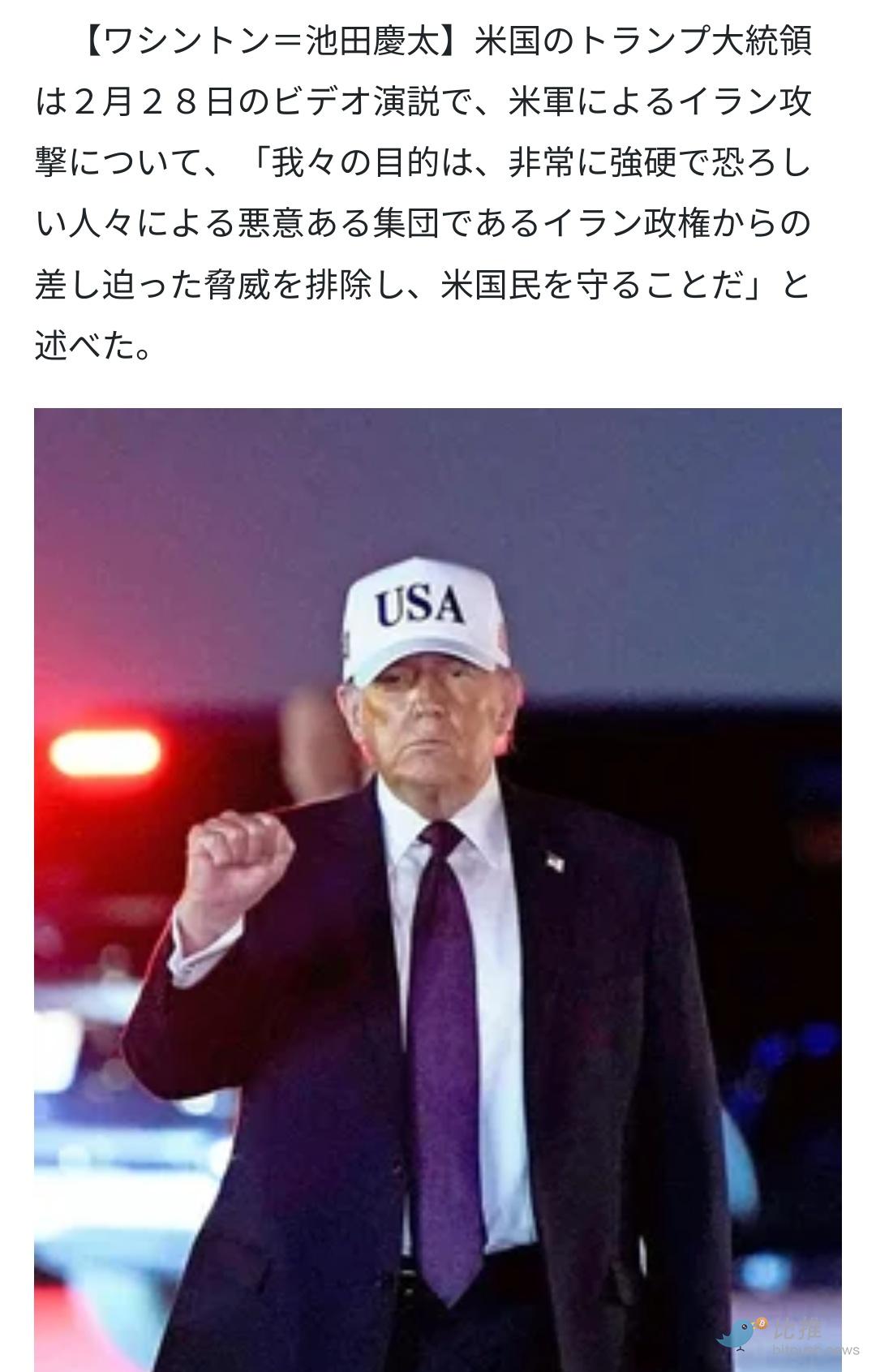
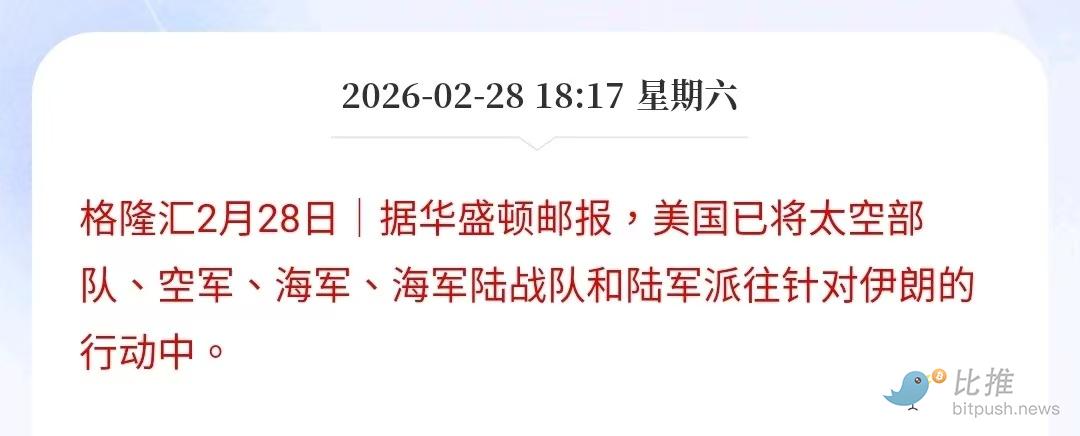
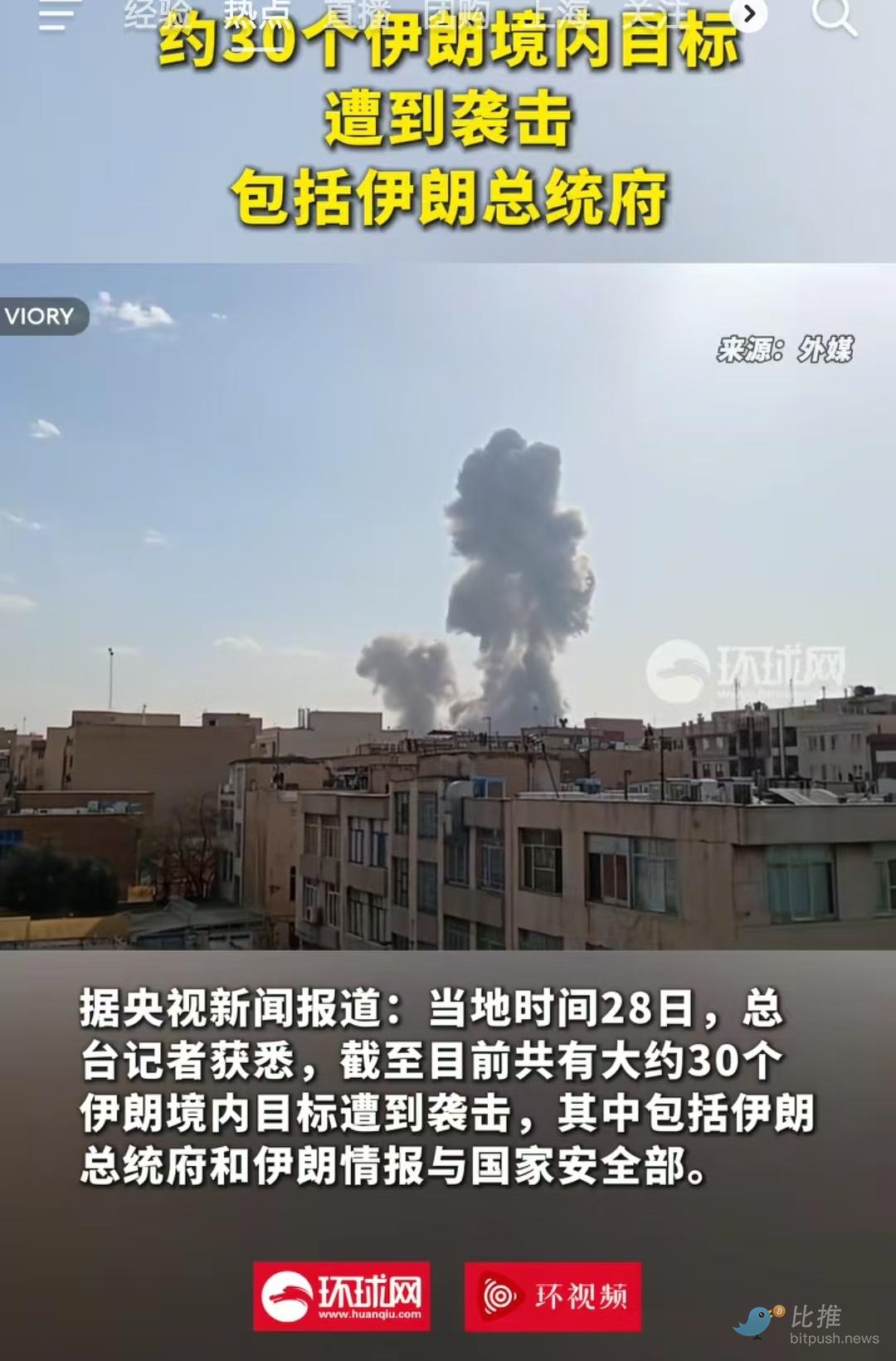
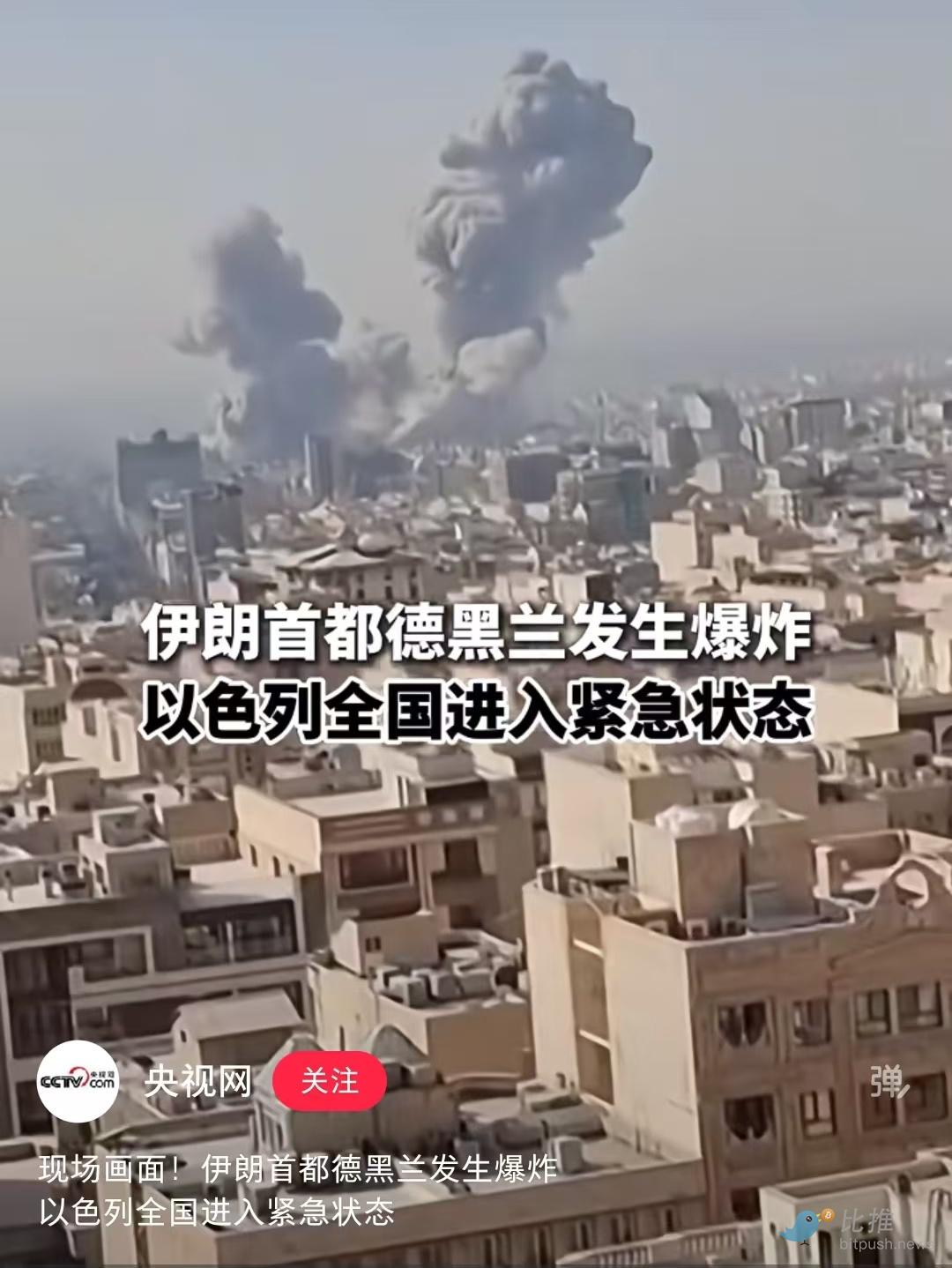
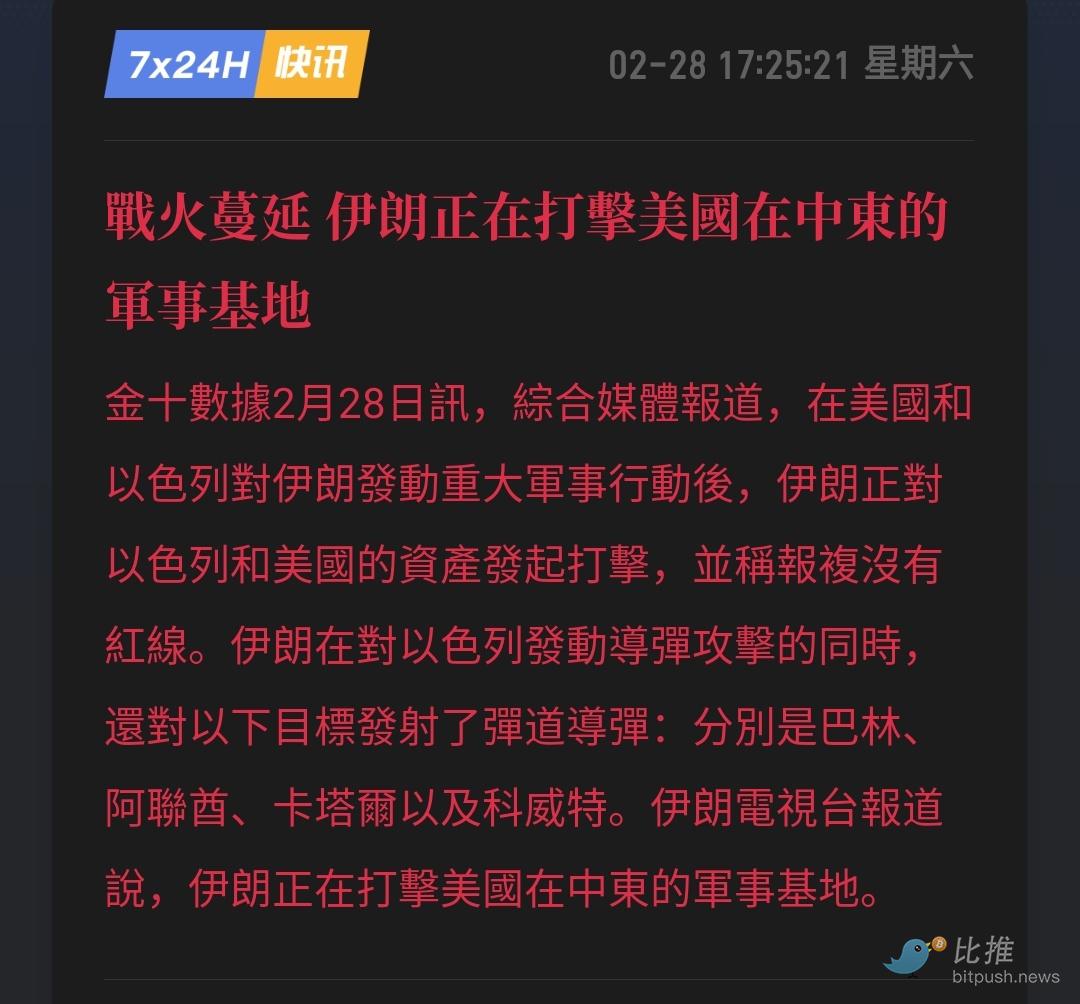
After Trump's well-intentioned smoke bomb was deployed, the US Fifth Fleet launched a full-scale attack, led by Israel.

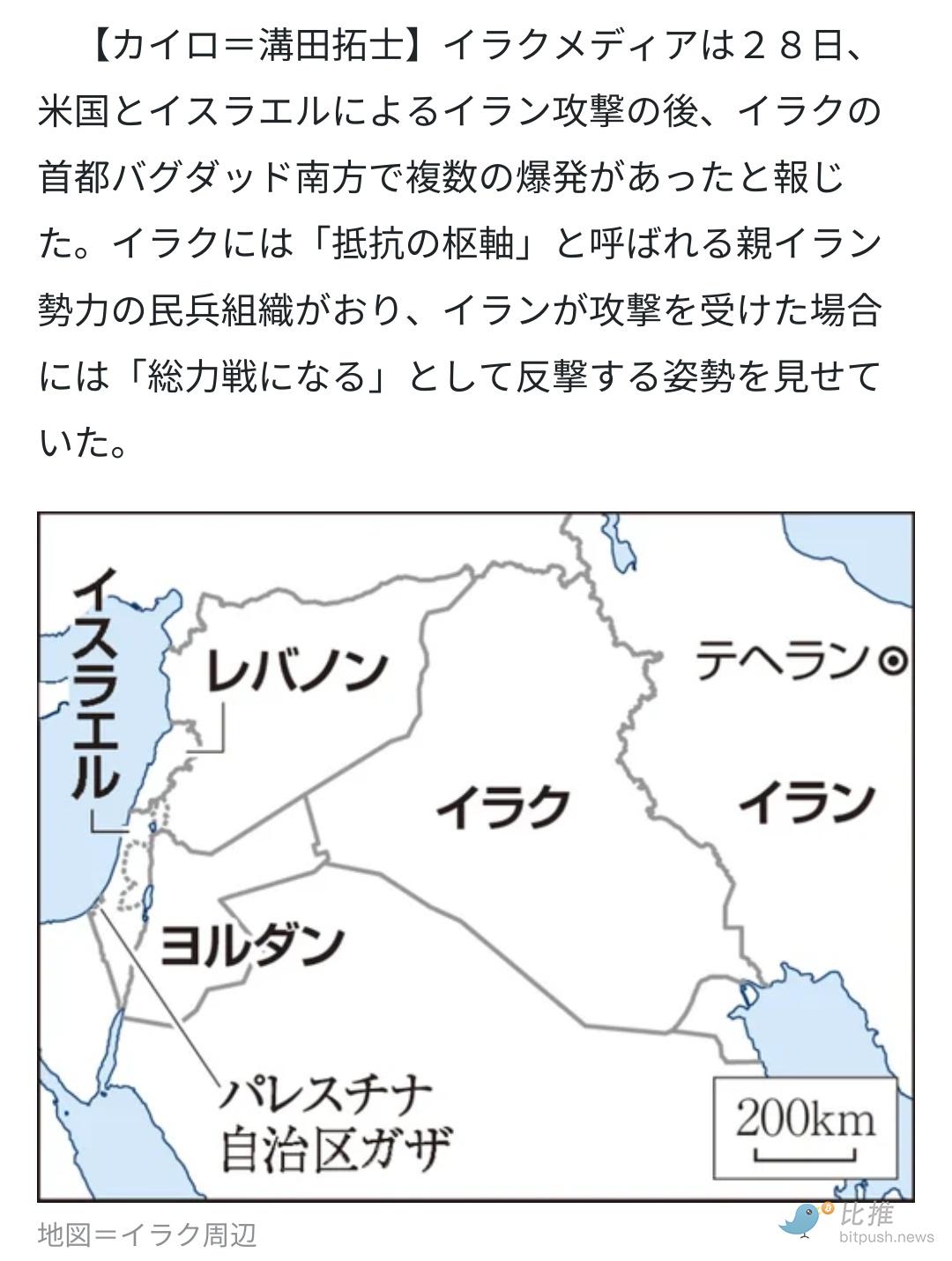
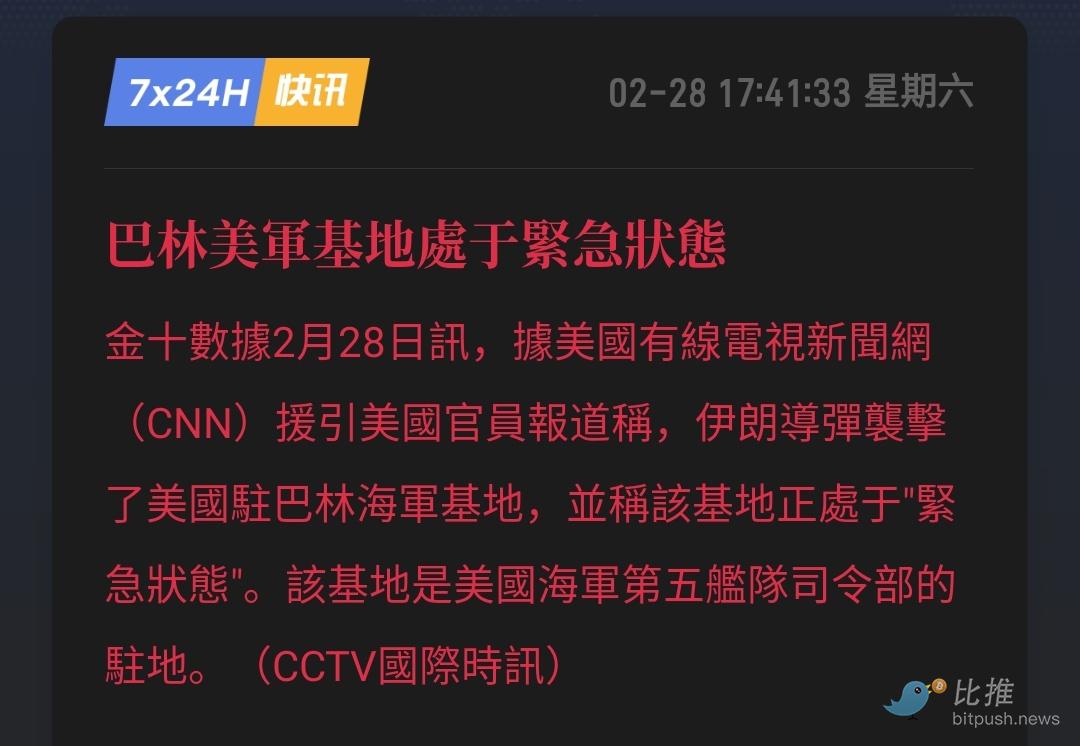
This time, Iran does not appear to be as weak. So far, it has responded with three rounds of missile attacks on Israel, missile strikes on US bases in Iraq, Qatar, and Bahrain, and missile attacks on Riyadh, the capital of Saudi Arabia.

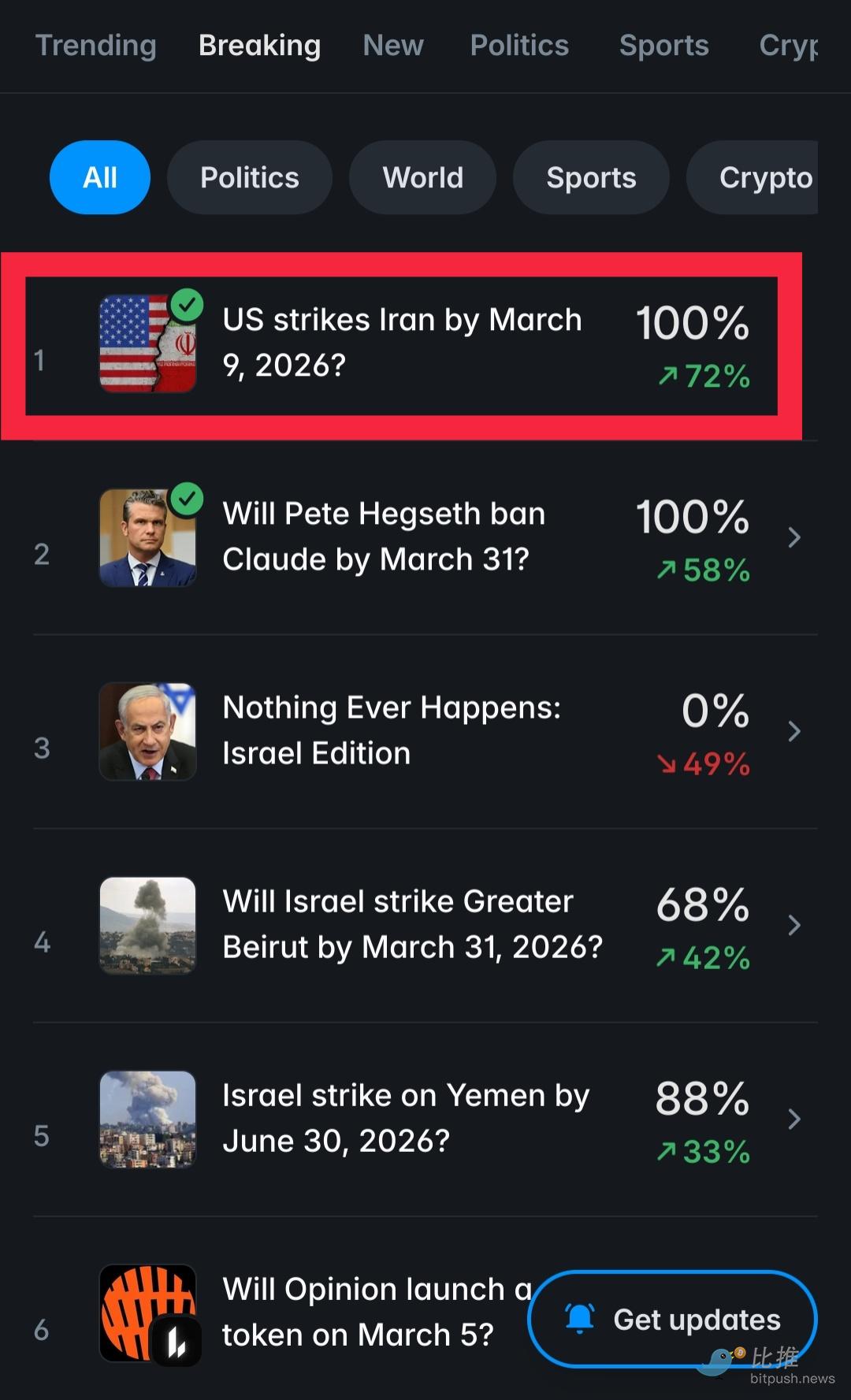
Gambling websites all predict a parabolic increase in the probability of delayed US military action against Iran. The dishes have already been cleared.

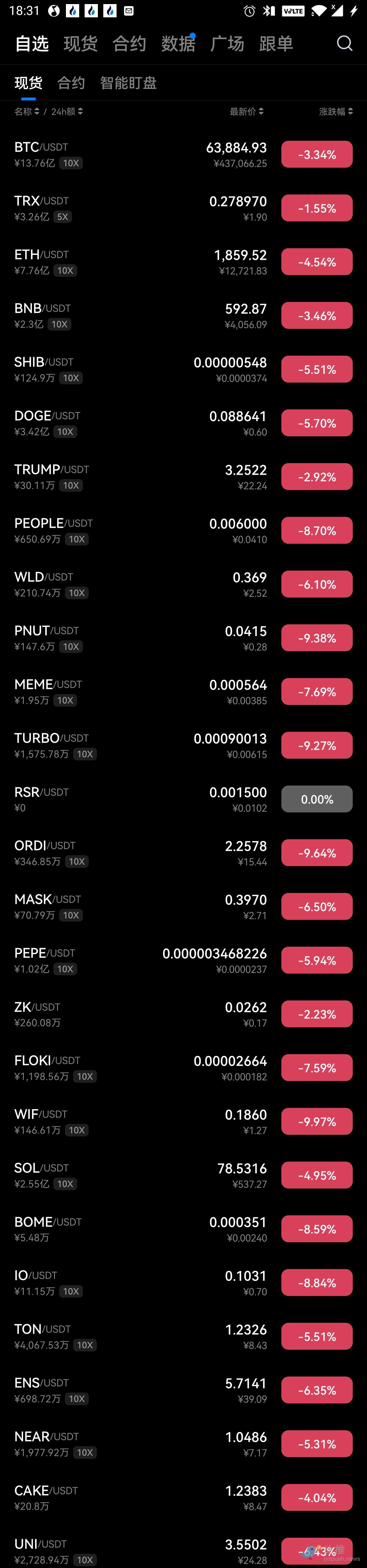
During the Asian weekend, capital markets and commodity markets—aside from sustainable and futures—can only await the delayed impact after Monday's opening. Accordingly, I also hope that friends who noticed our micro-strategy adjustments earlier will reap good returns.

We will not comment on whether Iran will be as weak as in previous instances of being attacked and then 『quickly give in (This is the biggest risk for our Micro strategy at the moment.)』.

We intend to closely follow the development of the situation. Welcome to discuss all information and developments with us.

Have a good weekend, Guys. It's a very special day.

#Post-Lighthouse Era Geopolitical and Economic Perception

#Diversified Asset Strategy Based on Anti-Fragility
Original link:https://www.bitpush.news/articles/7615392

Пов'язані питання

QWhat is the main event described in the article that has caused global attention?

AThe article describes a major military escalation in the Middle East, where the US Fifth Fleet, led by Israel, launched an all-out attack after a 'smoke bomb' from Trump. Iran has responded with multiple rounds of missile attacks on Israel, US bases in Iraq, Qatar, and Bahrain, as well as the Saudi capital, Riyadh.

QHow has Iran responded to the military actions mentioned in the text?

AIran has responded with significant force, including three rounds of missile attacks on Israel, missile strikes on US bases in Iraq, Qatar, and Bahrain, and missile attacks targeting Riyadh, the capital of Saudi Arabia.

QWhat is the potential impact on financial markets according to the article?

AThe article states that during the Asian weekend, capital and commodity markets, except for sustainable futures, are waiting for the delayed impact that will be felt after Monday's opening. Gambling websites are forecasting a parabolic increase in the probability of a delayed US military action against Iran.

QWhat is mentioned as the biggest risk to the author's 'Micro strategy'?

AThe biggest risk to the author's 'Micro strategy' is the possibility that Iran might quickly give in and surrender, as it has been 'beaten several times before'.

QWhat are the two hashtag concepts used to frame the article's analysis?

AThe two hashtag concepts are '#後燈塔時代地緣政經感知' (Perception of Geopolitical Economy in the Post-Beacon Era) and '#基於反脆弱性的多元資產策略' (Diversified Asset Strategy Based on Anti-Fragility).

Пов'язані матеріали

CPU Makes a Comeback to the Table, A $170 Billion "Power Seizure" Drama Begins

A new era is dawning for the server CPU (Central Processing Unit), driven by the shift from AI model training to large-scale reasoning and the rise of Agentic AI. This article explores how the CPU is reclaiming a central role in the AI data center. For years, the focus has been on the GPU (Graphics Processing Unit) for AI training. However, as AI moves to the inference and Agent phase—where tasks involve complex, multi-step reasoning, tool calls, and data management—the workload balance is flipping. Studies show CPUs now handle over 70% of the workload in Agentic AI, up from 10-30% in training. This is because Agent tasks generate massive intermediate data (KV Cache) that exceeds GPU memory, forcing it to be offloaded to the CPU's larger, more scalable memory pools. This increased importance is translating into market changes. Major players are taking note: NVIDIA launched its first standalone CPU line, Vera, based on ARM architecture and optimized for Agent performance. AMD doubled its server CPU market forecast to over $1200 billion by 2030. Analyst reports project the total server CPU market could reach $1700 billion by 2030, with AI-driven demand being a primary driver. Furthermore, the classic ratio of CPUs to GPUs in AI servers is rapidly changing, converging from 1:8 toward 1:1 for Agent deployments. This surge in demand has led to a rare industry-wide price increase of 10-15% for server CPUs from Intel and AMD, breaking a decade-long trend of "more performance for the same price." Demand is bifurcating into high-core-count CPUs for in-rack GPU support and moderate-core CPUs for standalone Agent task orchestration. In China, this global trend presents an opportunity for domestic CPU manufacturers like Hygon (海光信息) and Huawei Kunpeng, who are bolstered by both growing AI infrastructure needs and national policies promoting technological self-reliance ("xin chuang"). The maturity of their software ecosystems is also accelerating, evidenced by faster adaptation to new AI models. In conclusion, the narrative is shifting from a GPU-centric view to one where CPU-GPU synergy is critical. The CPU is no longer a peripheral component but a performance-defining bottleneck and a key growth driver in the AI hardware stack, opening a massive new market estimated in the hundreds of billions of dollars.

marsbit5 год тому

CPU Makes a Comeback to the Table, A $170 Billion "Power Seizure" Drama Begins

marsbit5 год тому

TechFlow Intelligence: AMD AI Director Publicly Criticizes Claude Code for "Becoming Dumber and Lazier", Trump Claims Full Ceasefire in Hormuz But Strait Still Has 80 Unexploded Mines

TechFlow Intelligence Report: This daily digest covers key developments in AI, crypto, hardware, and geopolitics. In AI, SK Telecom faces US export control scrutiny over its partnership with Anthropic, while a Gemini user reports being misled in a scam scenario, sparking safety debates. China's Z.AI launches the GLM-5.2 model, rivaling Claude Opus without NVIDIA chips. In crypto, Bithumb lists ReProtocol, and Upbit delists KernelDAO. On the hardware front, MIT researchers build a custom OS to study chips, ASML denies US claims its advanced lithography machines are in China, and Amazon considers selling its in-house AI chips. Apple's future A21 Pro chip may use TSMC's latest N2P process. Major tech issues include 10,000 GitHub repositories distributing malware and Apple patching a critical eavesdropping flaw in Beats earbuds. US stocks rise, led by semiconductors, with Intel surging 10.6%, while SpaceX falls 3.5%. Geopolitically, despite a US-Iran deal, the Strait of Hormuz remains risky with ~80 uncleared mines, stalling 80M barrels of oil on standby tankers. Iran postpones Switzerland talks, and Trump calls the agreement an "unconditional surrender." The report highlights a contrast: temporary geopolitical calm versus the ongoing, fundamental restructuring of tech supply chains and chip independence.

marsbit5 год тому

TechFlow Intelligence: AMD AI Director Publicly Criticizes Claude Code for "Becoming Dumber and Lazier", Trump Claims Full Ceasefire in Hormuz But Strait Still Has 80 Unexploded Mines

marsbit5 год тому

Торгівля

Спот
Ф'ючерси
活动图片