Fei-Fei Li's Team Clarifies the Concept of 'World Models', Sora Merely a Renderer

marsbitОпубліковано о 2026-06-04Востаннє оновлено о 2026-06-04

Анотація

"World Models" has become a widely used yet confusing term in AI. To address this, a team led by Fei-Fei Li and World Labs proposed a functional taxonomy based on the Partially Observable Markov Decision Process framework. This taxonomy categorizes systems called "world models" into three distinct projections: Renderers, Simulators, and Planners. Renderers, like OpenAI's Sora and other video generation models, focus on producing photorealistic visual outputs for human perception. They prioritize visual fidelity over physical accuracy. Simulators, such as NVIDIA Omniverse, aim to compute precise future environmental states for computational tasks like engineering analysis or digital twins. Planners, like Vision-Language-Action models, take in observations and goals to output executable actions for robots or agents. The article clarifies that most current "world models," including Sora, are primarily Renderers. They generate convincing visuals but lack the core ability to simulate state transitions based on actions, a key requirement for a true world model in classic reinforcement learning definitions. This conceptual confusion has practical implications, leading to potential misalignment in technology selection, investment, and public understanding of AI capabilities. Clear categorization is crucial. It helps enterprises avoid costly mistakes (e.g., using a renderer for robot training), allows investors to accurately assess markets, and enables researchers to build comparab...

On June 3, 2026, the World Labs team, in collaboration with Stanford University Professor Fei-Fei Li, released a conceptual analysis article with an almost unadorned title: "A Functional Taxonomy of World Models." The opening sentence punctured an industry unspoken agreement: "'World model' is one of the most important and most abused terms in the field of artificial intelligence today."

The context for this statement is familiar to anyone who has followed the AI industry.

In February 2024, OpenAI released the video generation model Sora, whose technical report prominently featured the title "Video generation models as world simulators." NVIDIA's Robotics Director, Jim Fan, commented on LinkedIn at the time, a statement later frequently quoted: Sora is essentially "a world model that only allows 'no-op' as the single allowed action." On the other hand, according to public reports, Tesla's AI team has repeatedly referred to the predictive component within its Full Self-Driving system as a "world model" or "world simulator" in public forums. Game engines, 3D generation tools, embodied intelligence models—various products and technologies are stuffed into the same basket, labeled with the same tag.

A video generator, an autonomous driving prediction network, a robot control model, a physics engine—what do they have in common? Almost nothing. Yet, they are all called "world models."

This conceptual confusion, persisting for over two years, has finally prompted a systematic attempt at clarification. Fei-Fei Li's team did not release a new model, announce a new benchmark, or demonstrate any product functionality. They did something more fundamental: returning to the theoretical source of partially observable Markov decision processes, they reduced all systems currently called "world models" on the market to three different functional projections of the same cognitive loop.

The three projections are: Renderer, Simulator, and Planner. Under World Labs' classification framework, Sora and similar video generation models belong to the Renderer category.

Why Can One Term Contain So Many Contradictory Meanings

To understand the root of this confusion, one must ask a more fundamental question: when a company says "we are building a world model," what exactly are they saying?

For OpenAI, Sora's goal is to "understand and depict the physical world in video." According to the technical report, by learning statistical patterns from vast amounts of video data, Sora can generate scenes that conform to visual common sense: a cup shatters when dropped, a paper airplane flies when released, a person's legs alternate when walking. These scenes appear to "understand physics."

For Tesla, the "world model" is the neural network within the FSD system that predicts the motion trajectories of road participants in the coming seconds. It needs to output precise 3D positions, velocities, and orientations for the path-planning module to compute safe driving decisions. This model does not need to output pixels; it outputs vectors and probability distributions.

For robotics companies, the "world model" is the internal simulation mechanism that allows a robotic arm to predict "if I push this cup 5 centimeters to the left, will it tip over?" It needs to understand object properties, contact mechanics, and stability, outputting feasibility assessments of actions.

The goals of the three types of companies are entirely different. Video generation companies care about pixel fidelity; autonomous driving companies care about the accuracy of physical state prediction; robotics companies care about the inferability of action consequences. They are all working on "world models," but they are fundamentally not doing the same thing.

World Labs gets to the heart of the matter in the article: the reason these systems are all given the same name is that they each embody a certain aspect of "understanding the world." However, they each only complete one part of the full cognitive loop, yet are packaged by marketing language, media coverage, and capital narratives as complete world models.

Another driver of conceptual confusion is the inherent tension of the term itself. "World model" carries grand narrative connotations, sounding more imaginative than "video generation model" or "video prediction model," and better able to support high valuations and funding stories. When technical capabilities cannot match public expectations, it becomes inevitable for concepts to devolve into promotional tools.

Going Back to the 1960s: What Should a Complete 'World Model' Be

World Labs' classification framework is built upon a seemingly ancient theoretical foundation: partially observable Markov decision processes.

This framework describes the complete loop of an intelligent agent interacting with its environment. The agent exists in some environmental state, executes an action, the action changes the environmental state, the agent receives a partial observation through sensors, the observation triggers an update of its internal state, and the updated cognition drives the next action. The cycle repeats.

Within this framework, the complete function of a "world model" should include three steps: generating observations from states (pixels, point clouds seen by human eyes or collected by sensors), inferring the next state from actions and the current state (predicting physical changes), and generating actions from observations and goals (decision planning).

Language models learn statistical patterns of text sequences, while world models learn statistical properties of space and time. How light reflects off different material surfaces, how objects move under gravity, how energy transfers after rigid body collisions—these are the patterns world models aim to capture.

World Labs points out in the article that all systems currently called "world models" on the market are essentially just projections of one functional component of the aforementioned complete loop. Some systems only perform rendering ("from state to observation"), some only perform state inference ("from action and current state to next state"), and some only perform planning ("from observation to action"). They each capture an arc of the loop but are labeled as representing the full circle.

The value of this analytical framework lies in providing a comparative coordinate system that transcends marketing rhetoric. Regardless of how a company packages its product, placing it back into the POMDP loop—examining what it inputs, what it outputs, and which component it lacks—exposes the true boundaries of its capabilities.

Renderer, Simulator, Planner: The Capability Boundaries of Three Projections

In World Labs' taxonomy, the first category is defined as "Renderer." Its core objective is to generate high-fidelity pixel outputs for human visual perception. The input is a representation of some environmental state (could be text description, 3D scene parameters, or implicit encoding), and the output is a sequence of continuous frames.

The Renderer optimizes for visual realism, not physical precision. The World Labs article explicitly states that a building generated by a Renderer might look "rickety" because it does not actually solve structural mechanics equations; the splashing liquid it generates might look realistic, but the liquid volume, flow rate, and impact force might not correspond to real physical quantities at all. Therefore, such models cannot be used for architectural design, robot training, or tasks requiring physically accurate simulation.

Google's Genie 3, various text-to-video models, and almost all AI video generation tools fall into this category. Sora, of course, is among them.

The second category is "Simulator." Its core objective is not to generate visuals for human consumption but to generate precise states usable for subsequent computation. The input is the current environmental state and external forces (or actions), and the output is the next state that faithfully adheres to real-world physical and geometric laws. The state output by a Simulator can be used for stress analysis, energy consumption calculations, collision detection, or as input for a Renderer to generate visualizations. However, its core value lies in the computability of the state itself.

NVIDIA Omniverse is a typical example of such a system. It is not an AI-native model but a digital twin platform integrating traditional physics engines with AI-accelerated computation. World Labs comments in the article that Simulators are bridges connecting rendering and planning, but the scarcity of high-quality 3D physical annotation data is a major bottleneck. According to World Labs' estimates in the article, the data used to train such models is orders of magnitude less than the video data available on the internet.

The third category is "Planner." Its input is observation data (camera images, LiDAR point clouds, tactile sensor readings, etc.) and target instructions, and its output is what action to execute next. VLA (Vision-Language-Action) models and World Action Models belong to this category.

The differences among the three categories are not minor divergences in technical approach but fundamental functional distinctions. Renderers output pixels for humans to see, Simulators output states for machines to calculate, Planners output actions for actuators to perform. A system can possess multiple capabilities, but when most systems called "world models" essentially only perform rendering, equating "rendering" with "understanding the world" constitutes a severe cognitive mismatch.

A Debate Lasting Two Years: Is Sora Actually a World Model

In February 2024, OpenAI released Sora, with its technical report title directly stating "Video generation models as world simulators." This wording immediately sparked intense debate in academia and the developer community.

Supporters argued that Sora-generated videos demonstrated 3D spatial consistency, object permanence, and an intuitive understanding of physical interactions. A bitten hamburger showing teeth marks, a dog running in snow kicking up flakes—such details seemed to indicate the model had learned some physical laws.

The core argument of opponents stemmed from the classical definition of world models in reinforcement learning: a world model must be capable of state transition prediction based on actions. That is, given the current state and an action input, the model should output the state following that action. Sora cannot do this. Users cannot tell Sora "push that cup from the left" and then observe whether it will tip over, in which direction, and where the pieces might fly.

Jim Fan's comment precisely captured this contradiction: "Sora is essentially a world model, just one that only allows 'no-op' as the single allowed action." This means Sora is indeed predicting how the environment changes over time, but this change process is not subject to any external intervention; it can only unfold along the inherent causal chains present in the video data. It is not performing interactive inference but rather passively continuing observed sequences.

On the r/MachineLearning subreddit, many reinforcement learning researchers expressed sharper criticism: a system that cannot predict state transitions based on actions cannot be called a world model; it can only be called a video prediction model.

World Labs' classification framework provides a definitive answer to this debate. In the POMDP loop, action is the key input driving state transition. Systems lacking this input are merely projections of the "observation generation" component in the complete cognitive loop. Sora belongs to the Renderer category; it is not a complete world model, and certainly not a world simulator.

This does not mean Sora lacks value. Renderers solve a different problem: how to generate images that meet human visual expectations. This problem itself is extremely difficult and holds immense commercial value. The issue lies in packaging rendering capability as "understanding the world," which misleads technical decision-makers and investors, making them mistakenly believe these models already possess physical inference or embodied interaction capabilities.

The Industrial Value of Conceptual Clarification

Clarifying the definitional boundaries of "world model" is not mere academic semantics. It directly impacts technology selection, investment judgment, and public understanding of AI capability levels.

For a manufacturing company evaluating whether to use a certain "world model" for robot training, understanding whether the model is a Renderer, Simulator, or Planner is a prerequisite to avoiding costly trial-and-error worth millions of dollars. A model that can only generate video, no matter how realistic, cannot replace precise calculations of object forces, motion trajectories, and collision consequences.

For investment institutions, distinguishing between the three projections allows for more accurate identification of a project's position in the technology stack. A startup claiming to be a "world model" company, if its product is essentially a Renderer, competes with video generation companies, not digital twin platforms or robot control models. This directly determines how market size is estimated and which companies serve as benchmarks.

For academia, clear classification is a prerequisite for establishing comparable benchmarks. If the term "world model" continues to be diluted, researchers will struggle to define what constitutes an improvement versus a breakthrough, and peer review will be based on ambiguity.

World Labs also notes in the article that conceptual clarification is not meant to create opposition. The future direction will involve the convergence of the three projections. A model that truly understands the physics of a cup should be able to simultaneously render its visual appearance, simulate its physical process when pushed over, and plan how a robotic hand can stably grasp it. However, until technology reaches that stage, recognizing respective boundaries is more meaningful than envisioning convergence.

According to World Labs' estimate in the article, Simulators and digital twin technologies, represented by NVIDIA Omniverse, target a potential market exceeding trillions of dollars in sectors like factories, warehouses, and supply chains. This figure comes from the vendors' own assessments; when the market will actually reach this scale depends on whether Simulators can break through the bottleneck of scarce high-quality 3D physical data.

For the AI industry at its current stage, perhaps the most important takeaway is simple: being able to generate realistic videos does not equate to understanding the physical world; being called a world model does not mean it is actually simulating the world. Penetrating marketing language and examining what a system truly inputs, outputs, and lacks within the POMDP loop is the most honest way to judge the boundaries of its technical capabilities.


Пов'язані питання

QAccording to Li Fei-Fei's team's framework, what are the three functional projections of a complete 'world model'?

AAccording to the framework proposed by Li Fei-Fei's team and World Labs, the three functional projections of a complete world model within a POMDP (Partially Observable Markov Decision Process) loop are: 1) **Renderer**: Generates human-viewable observations (e.g., pixels, video) from a state representation. 2) **Simulator**: Predicts the next state of the environment based on the current state and an action, focusing on physically accurate state transitions. 3) **Planner**: Generates the next action based on observations and a goal.

QWhy does the article classify OpenAI's Sora as a 'renderer' rather than a full world model or simulator?

AThe article classifies Sora as a 'renderer' because its core function is to generate visually realistic video frames (observations) from inputs like text descriptions or latent codes. Crucially, it lacks the ability to accept a specific 'action' as input to predict the resulting 'state change' in a physically precise manner—a key requirement for a simulator in the POMDP framework. As noted, Sora predicts passive video continuations but cannot perform interactive state-transition predictions based on user-specified actions.

QWhat is the fundamental source of confusion surrounding the term 'world model' in AI, as explained in the article?

AThe fundamental confusion stems from the fact that diverse systems—like video generators (Sora), autonomous vehicle predictors (Tesla FSD), and robot control models—are all labeled 'world model' despite targeting entirely different functions. This occurs because each system addresses one *aspect* of 'understanding the world' (rendering, state prediction, or planning) within the complete cognitive loop. However, marketing narratives, media reports, and capital-driven storytelling often present these specialized projections as if they were complete, general-purpose world models, leading to conceptual inflation and misalignment.

QWhat practical value does clarifying the definition of 'world model' have for industry and investment, according to the article?

AClarifying the definition has significant practical value: 1) **For enterprises (e.g., in manufacturing/robotics)**: It prevents costly misapplication—e.g., using a video renderer for tasks requiring precise physical simulation. 2) **For investors**: It enables accurate market positioning and valuation by distinguishing whether a startup's 'world model' competes in video generation, digital twins, or robot control. 3) **For academia**: It establishes clear benchmarks for research progress and peer review. Overall, it grounds expectations, informs technical procurement, and directs capital toward genuinely needed capabilities.

QHow does the article characterize the relationship and future direction among renderers, simulators, and planners?

AThe article characterizes renderers, simulators, and planners as three distinct, currently separate projections of a complete POMDP-based world model. Each has a clear boundary: renderers output pixels for humans, simulators output calculable states for machines, and planners output actions for executors. The future direction is the **fusion** of these three capabilities into integrated systems that can, for example, render an object's appearance, simulate its physical behavior when manipulated, and plan actions to interact with it. However, the article stresses that recognizing current boundaries is more pragmatically valuable than premature speculation about fusion.

Пов'язані матеріали

GitHub, Transfixed by AI

On the night of February 9th, GitHub suffered a major outage caused by a simple configuration change—reducing a cache refresh interval from 12 to 2 hours—that triggered a cascade of failures. This was not an isolated event, but part of a broader pattern. In early 2026, GitHub experienced at least 8 major incidents, failing to meet its promised 99.9% availability. These outages stemmed from structural issues: explosive growth in load, tight service coupling, and insufficient protection against abnormal traffic. This unprecedented load is driven by AI Agents. In 2025, GitHub handled ~1 billion commits. By 2026, weekly commits reached 275 million, projecting to ~14 billion for the year—a 14x increase. AI tools like Claude Code now contribute 4.5% of all public repository commits, with weekly submissions surging 25x in just three months. AI-generated pull requests jumped from 4 million to 17 million per month in half a year. Unlike human developers, AI Agents work continuously, generating commits at a scale that overwhelms infrastructure designed for human rhythms. The surge also shattered GitHub's business model. Copilot's flat-rate pricing, based on assisting human developers, became unsustainable as Agentic AI sessions consumed resources worth hundreds of dollars for a few dollars in fees. In response, GitHub imposed usage limits and, by June 1st, shifted to a pay-per-use "AI Credits" system. Facing this new reality, GitHub realized a 10x scaling plan was insufficient. It announced a need to *redesign* its architecture for 30x current scale—decoupling services, adding fault isolation, and improving change management to prevent cascading failures. Other platforms like Stripe and AWS are facing similar challenges with AI Agents. Fundamentally, GitHub is transitioning from a human collaboration platform to an "exhaust pipe" for automated AI workflows. Its detailed post-mortem reports aim to maintain trust during this turbulent rebuild. The February outage was not just a technical glitch, but a signal of the software industry's entry into a new, AI-driven era.

marsbit25 хв тому

GitHub, Transfixed by AI

marsbit25 хв тому

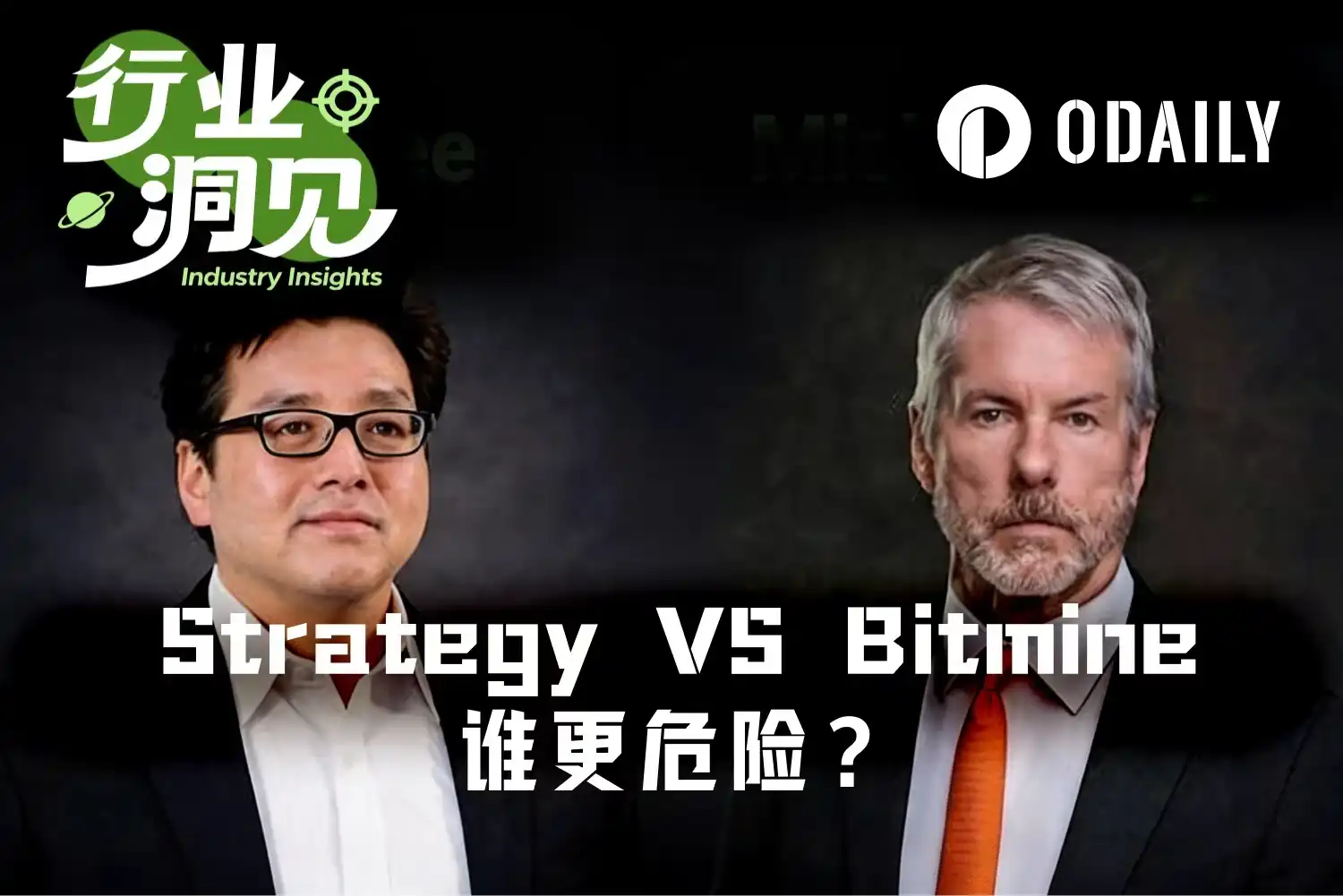
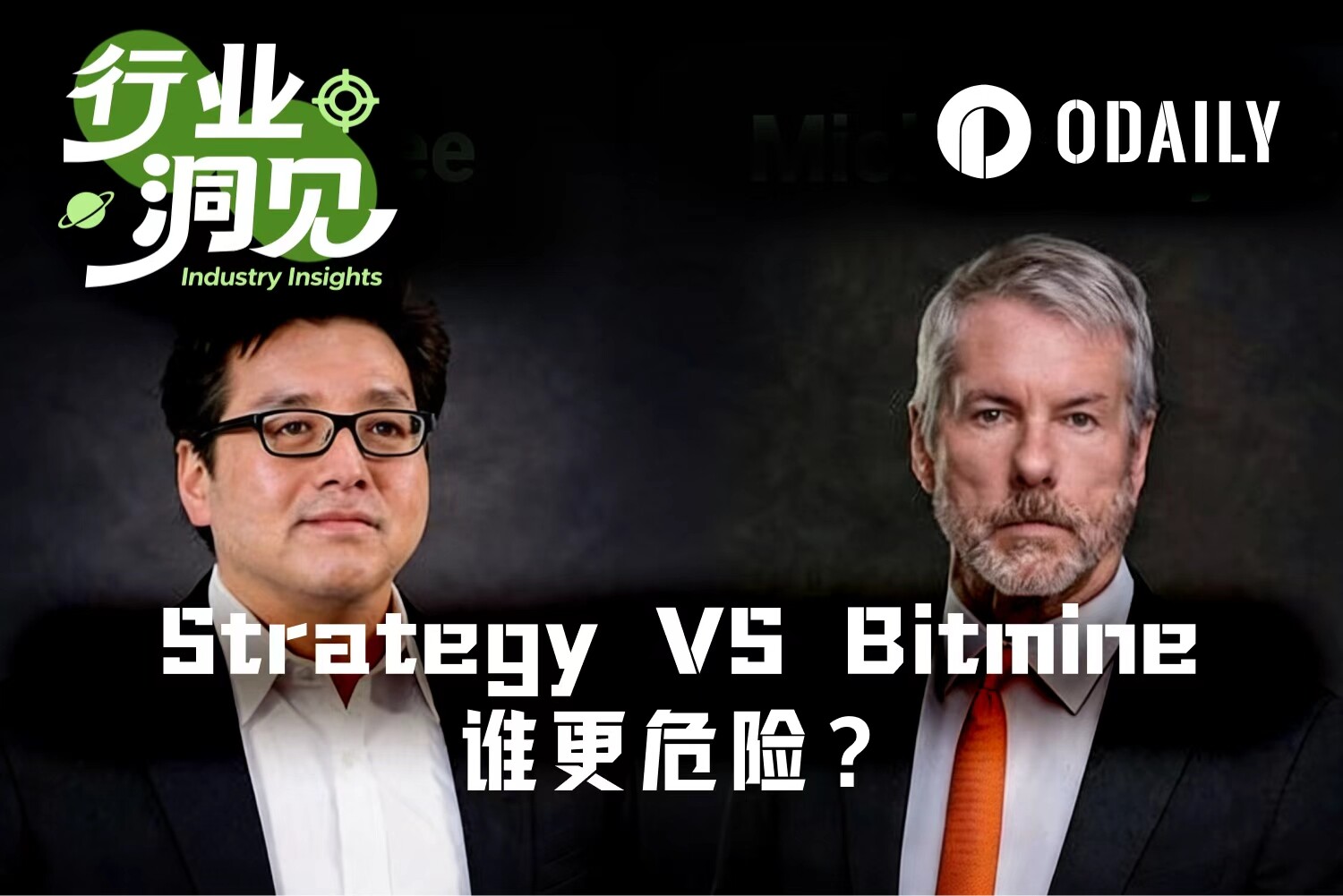
Both Suffer Massive Losses Exceeding $90 Billion, Which Is in Greater Peril: Strategy or Bitmine?

Facing massive paper losses exceeding $90 billion each amidst a sharp market downturn, "Digital Asset Treasury" (DAT) giants Strategy and Bitmine find themselves in a precarious position, but with different underlying risks. Strategy, heavily invested in Bitcoin (BTC), faces significant financial strain. Its strategy relies heavily on debt, including convertible notes and preferred stock (STRC) requiring substantial dividend payments. With its cash reserves dwindling and BTC offering no staking yield for cash flow, Strategy's high leverage makes it vulnerable. A continued price decline could force asset sales to meet obligations, potentially creating a negative feedback loop. Its market value has already fallen sharply. In contrast, Bitmine, an Ethereum (ETH) holder, appears on firmer financial ground. It primarily funds its purchases through equity offerings (like ATM programs), avoiding debt pressure. It also generates income by staking a large portion of its ETH holdings. While not immune to market drops and shareholder dilution concerns, Bitmine maintains more flexibility, recently announcing a new preferred share offering to raise further capital. The core divergence lies in their financing: Bitmine uses equity (investor money), while Strategy uses debt (borrowed money). Consequently, Bitmine currently faces less immediate liquidity pressure than Strategy, which must navigate the dual challenge of servicing debt/dividends and a declining core asset (BTC) price.

marsbit32 хв тому

Both Suffer Massive Losses Exceeding $90 Billion, Which Is in Greater Peril: Strategy or Bitmine?

marsbit32 хв тому

Торгівля

Спот
Ф'ючерси

Популярні статті

Що таке $S$

Розуміння SPERO: Комплексний огляд Вступ до SPERO Оскільки ландшафт інновацій продовжує еволюціонувати, виникнення технологій web3 та криптовалютних проектів відіграє ключову роль у формуванні цифрового майбутнього. Один з проектів, який привернув увагу в цій динамічній сфері, — це SPERO, позначений як SPERO,$$s$. Ця стаття має на меті зібрати та представити детальну інформацію про SPERO, щоб допомогти ентузіастам та інвесторам зрозуміти його основи, цілі та інновації в рамках web3 та крипто-сектору. Що таке SPERO,$$s$? SPERO,$$s$ — це унікальний проект у криптопросторі, який прагне використати принципи децентралізації та технології блокчейн для створення екосистеми, що сприяє залученню, корисності та фінансовій інклюзії. Проект розроблений для полегшення взаємодії між користувачами новими способами, надаючи їм інноваційні фінансові рішення та послуги. У своїй основі SPERO,$$s$ прагне надати можливості індивідам, забезпечуючи інструменти та платформи, які покращують користувацький досвід у криптовалютному просторі. Це включає в себе можливість більш гнучких методів транзакцій, сприяння ініціативам, що підтримуються спільнотою, та створення шляхів для фінансових можливостей через децентралізовані додатки (dApps). Основна концепція SPERO,$$s$ обертається навколо інклюзивності, прагнучи зменшити розриви в традиційній фінансовій системі, використовуючи переваги технології блокчейн. Хто є творцем SPERO,$$s$? Особистість творця SPERO,$$s$ залишається дещо невідомою, оскільки є обмежені публічно доступні ресурси, що надають детальну інформацію про його засновників. Ця відсутність прозорості може бути наслідком зобов'язання проекту до децентралізації — етики, яку багато проектів web3 поділяють, ставлячи колективні внески вище за індивідуальне визнання. Зосереджуючи обговорення навколо спільноти та її колективних цілей, SPERO,$$s$ втілює суть наділення без виділення конкретних осіб. Таким чином, розуміння етики та місії SPERO є більш важливим, ніж ідентифікація єдиного творця. Хто є інвесторами SPERO,$$s$? SPERO,$$s$ підтримується різноманітними інвесторами, починаючи від венчурних капіталістів до ангельських інвесторів, які прагнуть сприяти інноваціям у крипто-секторі. Зосередження цих інвесторів зазвичай узгоджується з місією SPERO — пріоритет надається проектам, які обіцяють технологічний прогрес у суспільстві, фінансову інклюзію та децентралізоване управління. Ці інвесторські фонди зазвичай зацікавлені в проектах, які не лише пропонують інноваційні продукти, але й позитивно впливають на спільноту блокчейн та її екосистеми. Підтримка з боку цих інвесторів підкріплює SPERO,$$s$ як значного конкурента в швидко змінюваній сфері крипто-проектів. Як працює SPERO,$$s$? SPERO,$$s$ використовує багатогранну структуру, яка відрізняє його від традиційних криптовалютних проектів. Ось деякі ключові особливості, які підкреслюють його унікальність та інноваційність: Децентралізоване управління: SPERO,$$s$ інтегрує моделі децентралізованого управління, надаючи користувачам можливість активно брати участь у процесах прийняття рішень щодо майбутнього проекту. Цей підхід сприяє відчуттю власності та відповідальності серед членів спільноти. Корисність токена: SPERO,$$s$ використовує свій власний криптовалютний токен, розроблений для виконання різних функцій в екосистемі. Ці токени дозволяють здійснювати транзакції, отримувати винагороди та полегшувати послуги, що пропонуються на платформі, підвищуючи загальну залученість та корисність. Шарова архітектура: Технічна архітектура SPERO,$$s$ підтримує модульність та масштабованість, що дозволяє безперешкодно інтегрувати додаткові функції та додатки в міру розвитку проекту. Ця адаптивність є надзвичайно важливою для збереження актуальності в постійно змінюваному крипто-ландшафті. Залучення спільноти: Проект підкреслює ініціативи, що підтримуються спільнотою, використовуючи механізми, які стимулюють співпрацю та зворотний зв'язок. Підтримуючи сильну спільноту, SPERO,$$s$ може краще задовольняти потреби користувачів та адаптуватися до ринкових тенденцій. Фокус на інклюзію: Пропонуючи низькі комісії за транзакції та зручні інтерфейси, SPERO,$$s$ прагне залучити різноманітну базу користувачів, включаючи осіб, які раніше не брали участі в крипто-просторі. Це зобов'язання до інклюзії узгоджується з його загальною місією наділення через доступність. Хронологія SPERO,$$s$ Розуміння історії проекту надає важливі уявлення про його розвиток та етапи. Нижче наведено пропоновану хронологію, що відображає значні події в еволюції SPERO,$$s$: Етап концептуалізації та ідеації: Початкові ідеї, що стали основою SPERO,$$s$, були сформовані, тісно пов'язані з принципами децентралізації та фокусом на спільноті в індустрії блокчейн. Запуск білого паперу проекту: Після концептуального етапу був випущений комплексний білий папір, що детально описує бачення, цілі та технологічну інфраструктуру SPERO,$$s$, щоб залучити інтерес та зворотний зв'язок від спільноти. Створення спільноти та ранні залучення: Активні зусилля були спрямовані на створення спільноти ранніх прихильників та потенційних інвесторів, що полегшило обговорення цілей проекту та отримання підтримки. Подія генерації токенів: SPERO,$$s$ провів подію генерації токенів (TGE) для розподілу своїх рідних токенів серед ранніх прихильників та встановлення початкової ліквідності в екосистемі. Запуск початкового dApp: Перший децентралізований додаток (dApp), пов'язаний з SPERO,$$s$, став доступним, дозволяючи користувачам взаємодіяти з основними функціями платформи. Постійний розвиток та партнерства: Безперервні оновлення та вдосконалення пропозицій проекту, включаючи стратегічні партнерства з іншими учасниками блокчейн-простору, сформували SPERO,$$s$ у конкурентоспроможного та еволюціонуючого гравця на крипто-ринку. Висновок SPERO,$$s$ є свідченням потенціалу web3 та криптовалют для революціонізації фінансових систем та наділення індивідів. Завдяки зобов'язанню до децентралізованого управління, залучення спільноти та інноваційно спроектованих функцій, він прокладає шлях до більш інклюзивного фінансового ландшафту. Як і з будь-якими інвестиціями в швидко змінюваному крипто-просторі, потенційним інвесторам та користувачам рекомендується ретельно досліджувати та обдумано взаємодіяти з поточними подіями в SPERO,$$s$. Проект демонструє інноваційний дух крипто-індустрії, запрошуючи до подальшого дослідження його численних можливостей. Хоча подорож SPERO,$$s$ ще триває, його основні принципи можуть справді вплинути на майбутнє того, як ми взаємодіємо з технологією, фінансами та один з одним у взаємопов'язаних цифрових екосистемах.

73 переглядів усьогоОпубліковано 2024.12.17Оновлено 2024.12.17

Що таке $S$

Що таке AGENT S

Агент S: Майбутнє автономної взаємодії в Web3 Вступ У постійно змінюваному ландшафті Web3 та криптовалюти інновації постійно переосмислюють, як люди взаємодіють з цифровими платформами. Один з таких новаторських проектів, Агент S, обіцяє революціонізувати взаємодію людини з комп'ютером через свою відкриту агентну структуру. Прокладаючи шлях для автономних взаємодій, Агент S прагне спростити складні завдання, пропонуючи трансформаційні застосування в штучному інтелекті (ШІ). Це детальне дослідження заглиблюється в складності проекту, його унікальні особливості та наслідки для сфери криптовалюти. Що таке Агент S? Агент S є революційною відкритою агентною структурою, спеціально розробленою для вирішення трьох основних викликів в автоматизації комп'ютерних завдань: Набуття специфічних знань у галузі: Структура інтелектуально навчається з різних зовнішніх джерел знань та внутрішнього досвіду. Цей подвійний підхід дозволяє їй створити багатий репозиторій специфічних знань у галузі, покращуючи її продуктивність у виконанні завдань. Планування на довгих горизонтах завдань: Агент S використовує планування з підкріпленням досвіду, стратегічний підхід, який полегшує ефективний розподіл та виконання складних завдань. Ця функція значно підвищує її здатність ефективно та результативно управляти кількома підзавданнями. Обробка динамічних, неоднорідних інтерфейсів: Проект представляє Інтерфейс Агент-Комп'ютер (ACI), інноваційне рішення, яке покращує взаємодію між агентами та користувачами. Використовуючи багатомодальні великі мовні моделі (MLLMs), Агент S може безперешкодно орієнтуватися та маніпулювати різноманітними графічними інтерфейсами користувача. Завдяки цим новаторським функціям Агент S надає надійну структуру, яка вирішує складнощі, пов'язані з автоматизацією людської взаємодії з машинами, прокладаючи шлях для численних застосувань у ШІ та за його межами. Хто є творцем Агент S? Хоча концепція Агент S є фундаментально новаторською, конкретна інформація про його творця залишається невідомою. Творець наразі невідомий, що підкреслює або початкову стадію проекту, або стратегічний вибір зберегти засновників у таємниці. Незважаючи на анонімність, акцент залишається на можливостях та потенціалі структури. Хто є інвесторами Агент S? Оскільки Агент S є відносно новим у криптографічній екосистемі, детальна інформація про його інвесторів та фінансових спонсорів не задокументована. Відсутність публічно доступних відомостей про інвестиційні фонди або організації, що підтримують проект, викликає питання щодо його фінансової структури та дорожньої карти розвитку. Розуміння підтримки є критично важливим для оцінки стійкості проекту та потенційного впливу на ринок. Як працює Агент S? В основі Агент S лежить передова технологія, яка дозволяє йому ефективно функціонувати в різних умовах. Його операційна модель побудована навколо кількох ключових функцій: Взаємодія з комп'ютером, подібна до людської: Структура пропонує розширене планування ШІ, прагнучи зробити взаємодії з комп'ютерами більш інтуїтивними. Імітуючи людську поведінку при виконанні завдань, вона обіцяє підвищити досвід користувачів. Наративна пам'ять: Використовується для використання високорівневого досвіду, Агент S використовує наративну пам'ять для відстеження історій завдань, тим самим покращуючи свої процеси прийняття рішень. Епізодична пам'ять: Ця функція надає користувачам покрокові інструкції, дозволяючи структурі пропонувати контекстуальну підтримку в міру виконання завдань. Підтримка OpenACI: Завдяки можливості працювати локально, Агент S дозволяє користувачам зберігати контроль над своїми взаємодіями та робочими процесами, узгоджуючи з децентралізованою етикою Web3. Легка інтеграція з зовнішніми API: Його універсальність і сумісність з різними платформами ШІ забезпечують те, що Агент S може безперешкодно вписатися в існуючі технологічні екосистеми, роблячи його привабливим вибором для розробників та організацій. Ці функціональні можливості колективно сприяють унікальному положенню Агент S у крипто-просторі, оскільки він автоматизує складні, багатоступеневі завдання з мінімальним втручанням людини. У міру розвитку проекту його потенційні застосування в Web3 можуть переосмислити, як відбуваються цифрові взаємодії. Хронологія Агент S Розробка та етапи Агент S можуть бути узагальнені в хронології, яка підкреслює його значні події: 27 вересня 2024 року: Концепція Агент S була представлена в комплексній науковій статті під назвою “Відкрита агентна структура, яка використовує комп'ютери як людина”, що демонструє основи проекту. 10 жовтня 2024 року: Наукова стаття була опублікована на arXiv, пропонуючи детальне дослідження структури та її оцінки продуктивності на основі бенчмарку OSWorld. 12 жовтня 2024 року: Було випущено відеопрезентацію, що надає візуальне уявлення про можливості та особливості Агент S, ще більше залучаючи потенційних користувачів та інвесторів. Ці маркери в хронології не лише ілюструють прогрес Агент S, але й вказують на його прихильність до прозорості та залучення громади. Ключові моменти про Агент S У міру розвитку структури Агент S кілька ключових характеристик виділяються, підкреслюючи її новаторський характер та потенціал: Інноваційна структура: Розроблена для забезпечення інтуїтивного використання комп'ютерів, подібного до людської взаємодії, Агент S пропонує новий підхід до автоматизації завдань. Автономна взаємодія: Здатність автономно взаємодіяти з комп'ютерами через GUI означає стрибок до більш інтелектуальних та ефективних обчислювальних рішень. Автоматизація складних завдань: Завдяки своїй надійній методології він може автоматизувати складні, багатоступеневі завдання, роблячи процеси швидшими та менш схильними до помилок. Безперервне вдосконалення: Механізми навчання дозволяють Агенту S покращуватися на основі минулого досвіду, постійно підвищуючи свою продуктивність та ефективність. Універсальність: Його адаптивність до різних операційних середовищ, таких як OSWorld та WindowsAgentArena, забезпечує його здатність служити широкому спектру застосувань. Оскільки Агент S займає своє місце в ландшафті Web3 та криптовалюти, його потенціал покращити можливості взаємодії та автоматизувати процеси означає значний прогрес у технологіях ШІ. Завдяки своїй інноваційній структурі Агент S є прикладом майбутнього цифрових взаємодій, обіцяючи більш безперешкодний та ефективний досвід для користувачів у різних галузях. Висновок Агент S представляє собою сміливий крок вперед у поєднанні ШІ та Web3, з можливістю переосмислити, як ми взаємодіємо з технологією. Хоча проект все ще на ранніх стадіях, можливості для його застосування є величезними та переконливими. Завдяки своїй комплексній структурі, що вирішує критичні виклики, Агент S прагне вивести автономні взаємодії на передній план цифрового досвіду. У міру того, як ми заглиблюємося в сфери криптовалюти та децентралізації, проекти, подібні до Агент S, безсумнівно, відіграватимуть ключову роль у формуванні майбутнього технологій та співпраці людини з комп'ютером.

673 переглядів усьогоОпубліковано 2025.01.14Оновлено 2025.01.14

Що таке AGENT S

Як купити S

Ласкаво просимо до HTX.com! Ми зробили покупку Sonic (S) простою та зручною. Дотримуйтесь нашої покрокової інструкції, щоб розпочати свою криптовалютну подорож.Крок 1: Створіть обліковий запис на HTXВикористовуйте свою електронну пошту або номер телефону, щоб зареєструвати обліковий запис на HTX безплатно. Пройдіть безпроблемну реєстрацію й отримайте доступ до всіх функцій.ЗареєструватисьКрок 2: Перейдіть до розділу Купити крипту і виберіть спосіб оплатиКредитна/дебетова картка: використовуйте вашу картку Visa або Mastercard, щоб миттєво купити Sonic (S).Баланс: використовуйте кошти з балансу вашого рахунку HTX для безперешкодної торгівлі.Треті особи: ми додали популярні способи оплати, такі як Google Pay та Apple Pay, щоб підвищити зручність.P2P: Торгуйте безпосередньо з іншими користувачами на HTX.Позабіржова торгівля (OTC): ми пропонуємо індивідуальні послуги та конкурентні обмінні курси для трейдерів.Крок 3: Зберігайте свої Sonic (S)Після придбання Sonic (S) збережіть його у своєму обліковому записі на HTX. Крім того, ви можете відправити його в інше місце за допомогою блокчейн-переказу або використовувати його для торгівлі іншими криптовалютами.Крок 4: Торгівля Sonic (S)Легко торгуйте Sonic (S) на спотовому ринку HTX. Просто увійдіть до свого облікового запису, виберіть торгову пару, укладайте угоди та спостерігайте за ними в режимі реального часу. Ми пропонуємо зручний досвід як для початківців, так і для досвідчених трейдерів.

1.5k переглядів усьогоОпубліковано 2025.01.15Оновлено 2026.06.02

Як купити S

Обговорення

Ласкаво просимо до спільноти HTX. Тут ви можете бути в курсі останніх подій розвитку платформи та отримати доступ до професійної ринкової інформації. Нижче представлені думки користувачів щодо ціни S (S).

活动图片