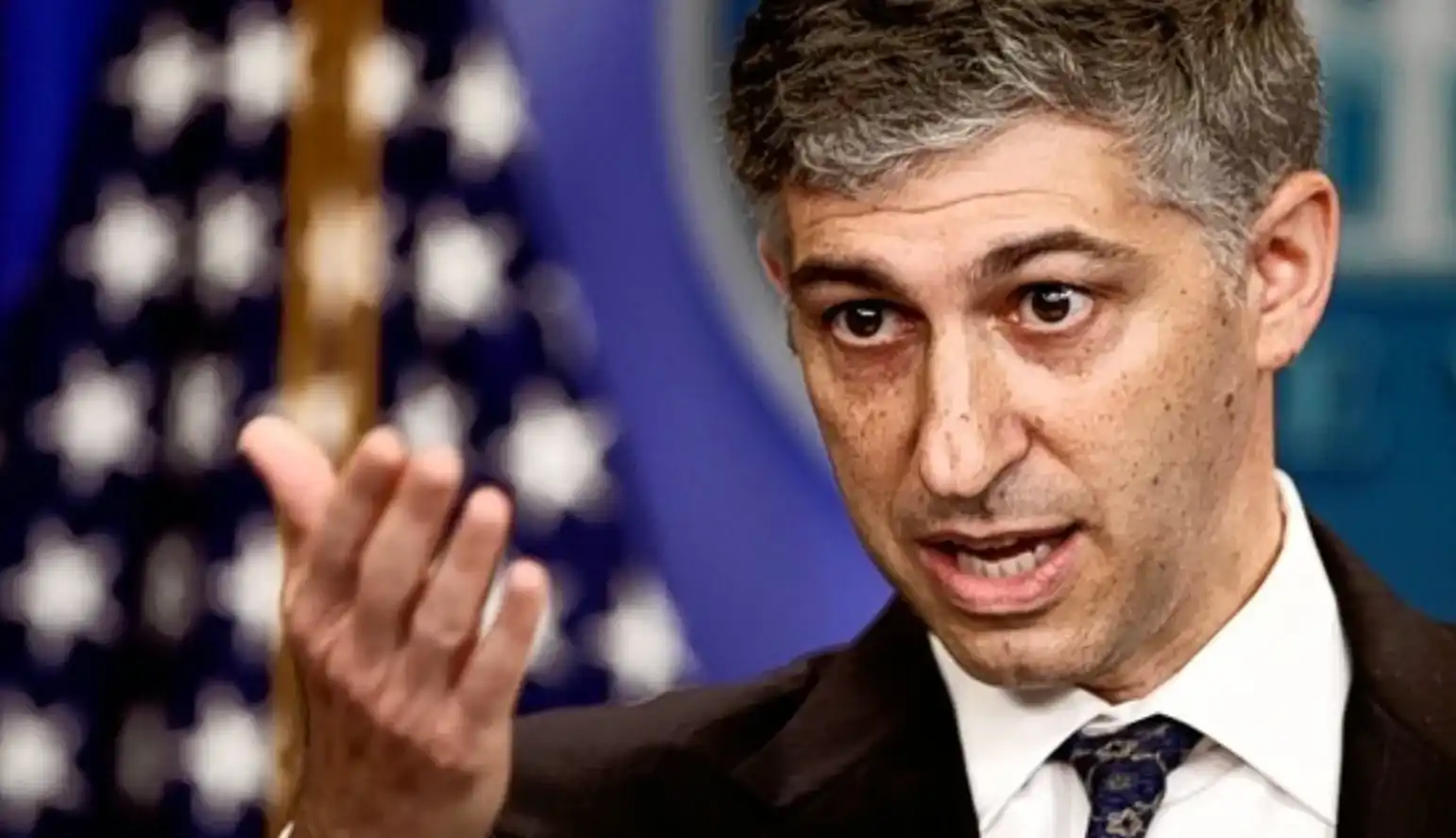
Telegram founder Pavel Durov internationally wanted, Russia’s FSB says

cointelegraphОпубліковано о 2026-07-29Востаннє оновлено о 2026-07-29

Анотація

Russian authorities have placed Telegram founder Pavel Durov on an international wanted list, escalating a criminal case. The Federal Security Service (FSB) charged him with facilitating terrorist activity for allegedly failing to remove channels and bots used by Ukrainian intelligence, terrorist groups, and extremists to coordinate attacks and recruit operatives. Durov, who confirmed an earlier case in February, accused Russia of using investigations to pressure Telegram and restrict access. Separately, he faces an ongoing criminal probe in France over alleged illegal activity on the platform, though travel restrictions there have been lifted.

Russian authorities have placed Telegram founder Pavel Durov on an international wanted list as they escalate a criminal case accusing him of facilitating terrorist activity.

Russia’s Federal Security Service (FSB) said on Wednesday that it had charged Durov with facilitating terrorist activity and issued an international warrant for his arrest, local news agency Interfax reported.

The FSB alleged that Telegram failed to remove channels, chats and bots that Ukrainian intelligence services, terrorist groups and extremist organizations used to coordinate attacks, recruit operatives and conduct cyber fraud.

The development follows reports in February that Russian authorities had opened a criminal case against Durov. At the time, Durov confirmed the case in a post on X and accused Russian authorities of using the investigation to pressure Telegram, writing: “Each day, the authorities fabricate new pretexts to restrict Russians’ access to Telegram as they seek to suppress the right to privacy and free speech.”

Separately, Durov still faces an ongoing criminal investigation in France over alleged illegal activity on Telegram, although French authorities lifted travel restrictions earlier this year, allowing him to leave the country.

Related: Pavel Durov says Telegram to roll out native Gram crypto wallet

Пов'язані питання

QWhat are the specific allegations against Pavel Durov made by Russia's FSB?

ARussia's FSB alleges that Pavel Durov facilitated terrorist activity. Specifically, they accuse Telegram of failing to remove channels, chats, and bots that were used by Ukrainian intelligence services, terrorist groups, and extremist organizations to coordinate attacks, recruit operatives, and conduct cyber fraud.

QWhat action did the FSB take regarding Pavel Durov's case according to the article?

ARussia's Federal Security Service (FSB) charged Pavel Durov with facilitating terrorist activity and issued an international warrant for his arrest, placing him on an international wanted list.

QWhat was Pavel Durov's response to the initial criminal case opened against him by Russian authorities in February?

AIn a post on X, Pavel Durov accused Russian authorities of using the investigation to pressure Telegram. He stated that authorities were fabricating new pretexts each day to restrict Russians' access to Telegram in an attempt to suppress the right to privacy and free speech.

QBesides Russia, which other country is mentioned as having a criminal investigation involving Pavel Durov and Telegram?

APavel Durov also faces an ongoing criminal investigation in France over alleged illegal activity on Telegram, although French authorities lifted travel restrictions earlier this year.

QWhat related topic involving Telegram was mentioned at the end of the article?

AThe article mentions a related topic: "Pavel Durov says Telegram to roll out native Gram crypto wallet."

Пов'язані матеріали

Base Launches 'Human Verification', Is the Airdrop on the Agenda?

Base has launched "Base Verify Onchain," a new verification mechanism aimed at solving the problem of Sybil attacks and duplicate participation in on-chain activities like airdrops, rewards, voting, or minting. While blockchains can track wallet addresses, they cannot determine if multiple wallets belong to the same person. The system works by connecting off-chain identity verification with on-chain smart contract rules. Developers can set specific eligibility criteria in their contracts (e.g., requiring a verified X account or a Coinbase One membership). Users connect their wallet and sign a message, which is sent to Base Verify's off-chain service. This service checks if the user meets the pre-set conditions against verified credentials. If they do, it issues a short-lived cryptographic proof containing an identityHash. The application then submits this proof to the smart contract. The contract verifies the proof's validity, checks expiration, and crucially, uses the identityHash to ensure the same verified identity cannot participate more than once, even if using a different wallet address. This identityHash is unique per application contract, preventing cross-application tracking. Base Verify Onchain is positioned as a tool for reliably enforcing participation rules ("who" and "how many times") in specific on-chain scenarios. It is not a general identity system or KYC solution. Its announcement has sparked speculation about a potential future Base token airdrop, for which this tool could be used to prevent abuse. However, Base has previously stated that work on a network token is still in early exploration stages.

marsbit14 хв тому

Base Launches 'Human Verification', Is the Airdrop on the Agenda?

marsbit14 хв тому

Торгівля

Спот
活动图片