Deutsche Bank Research Report Interpretation: Gold in an Explosive Phase, Model Shows Fair Value Pointing to $4,700 to $5,100

marsbitОпубліковано о 2026-08-17Востаннє оновлено о 2026-08-17

Анотація

Gold is undergoing its fifth "explosive" price behavior phase since 1979, as identified by Deutsche Bank. Using BSADF statistical tests, the bank confirmed the current phase began in August 2024 and has lasted 24 months, driven by a confluence of central bank purchases, de-dollarization, geopolitical risks, and interest rate cut expectations. A key distinction from past historical phases (driven by crises or monetary policy) is the current structural support from central bank buying for reserve diversification. Multiple valuation models point to a fair value range of $4,700 to $5,100 per ounce by end-2026, with a base scenario around $4,700. This reflects structural support but also price sensitivity in physical demand. Central bank purchasing, particularly by China, is the dominant structural driver, having shifted from cyclical safe-haven buying to strategic allocation. Concurrently, global gold ETF flows are turning positive, providing additional price support. While a high gold-to-silver ratio typically signals a late-cycle "catch-up" trade for silver, current normalizing lease rates for silver and platinum group metals suggest mixed signals for such a move. Deutsche Bank's outlook, synthesizing multiple cross-validated models, anticipates gold prices converging toward the $4,700-$5,100 range, supported by structural central bank demand, de-dollarization trends, expected Fed rate cuts, and the metal's current negative deviation from its typical relationship with real r...

Author: Rita

Gold is experiencing its fifth "explosive" price action phase since 1979.

In a research report released on August 13, Deutsche Bank, using the BSADF test (a Generalized Supremum ADF test, a statistical tool used to identify explosive behavior in asset prices), identified that the current gold market is in an explosive phase, ranking alongside four historical periods: the 1980 Soviet invasion of Afghanistan, pre-2008 financial crisis, the 2011 QE cycle, and the 2020 pandemic shock. The report points out that the combination of four factors—central bank gold purchases, de-dollarization, geopolitical risks, and expectations of interest rate cuts—has propelled gold into this explosive phase in August 2024, which has lasted for about 24 months.

Fifth Explosive Phase Confirmed

Deutsche Bank's tests show that this explosive phase in gold began in August 2024, with a peak BSADF statistic of 3.29, and has lasted 24 months so far. The four similar historical phases were: 1980 (Soviet invasion of Afghanistan, US CPI reaching 13%), 2006-2008 (US dollar depreciation of 17%, rising subprime mortgage default rates), 2008-2013 (zero interest rates, QE, European debt crisis, US sovereign rating downgrade), and 2020 (pandemic shock, negative real interest rates).

Deutsche Bank notes that the core difference between this round and the previous four lies in the driving force: while the past was driven by inflation, crises, or monetary policy, this round is primarily driven by structural central bank gold-buying behavior, with de-dollarization and reserve diversification being long-term trends rather than cyclical safe-haven reactions.

Fair Value Model Points to $4,700 to $5,100

Deutsche Bank cross-validated a reasonable price range for gold using multiple models. The basic model shows that the current fair value of gold is about $4,700 per ounce, representing about 20% upside from the current price. When the factor of US federal debt growth is included, the model suggests gold "should" have risen to $6,400; if considering only central bank purchases and ETF fund flows, gold "could" fall to $3,700. Deutsche Bank believes the $4,700 base scenario is the most reasonable, as it reflects the structural support from central bank purchases while also accounting for gold's price-suppressing effect on physical demand.

Regression models show that the current gold price has retreated to the negative deviation side relative to the regression line for real interest rates and the US dollar; historically, this situation is often followed by a price reversion. Deutsche Bank expects the gold price range by the end of 2026 to be $4,700 to $5,100.

Central Bank Purchases are the Biggest Structural Support

Central bank gold purchases are Deutsche Bank's most valued variable. Global foreign exchange reserves have remained largely flat since 2014, but central bank gold buying volume since Q3 2022 has increased sixfold compared to 2016-2021 levels. Deutsche Bank estimates that about half of official gold purchases are not reported in IMF data, and this "unreported demand" continues to run at high levels, with buying behavior being price-insensitive.

China is one of the largest buyers. Deutsche Bank data shows that China's gold imports, in US dollar terms, remain consistently high, with the SGE (Shanghai Gold Exchange) premium persistently positive. When Indian demand declined due to high gold prices, Chinese demand took over the buying. Deutsche Bank believes that central bank gold purchases have shifted from "cyclical safe-haven" to "structural allocation," a change that has altered gold's pricing framework.

ETF fund flows are also turning positive. Global gold ETFs saw a 30-day rolling inflow of about 1.5 million ounces, with Asian buyers continuing to increase holdings and European/American sellers decreasing. Deutsche Bank estimates that a change in ETF demand of about 15 tons can move the gold price by 1%.

Gold/Silver Ratio and Market Structure Provide Auxiliary Signals

Deutsche Bank also provided several auxiliary observations from a market structure perspective. The Gold/Silver ratio (XAUXAG) is currently at high levels; historically, the correction of the Gold/Silver ratio usually occurs in the later stages of a gold bull market, as investors participate in gold's "catch-up trade" by going long silver. However, Deutsche Bank points out that silver's spot contango and lease rates have normalized from the tightness seen in Q1, meaning the physical tightness in silver is easing, making the Gold/Silver ratio correction signal unclear.

Regarding Platinum Group Metals (PGMs), platinum and palladium lease rates have also declined, indicating that the previous tightness driven by concerns about Russian supply is fading.

Deutsche Bank's judgment on gold comes from the consensus of multiple cross-validated models. The structural support from central bank purchases, the long-term trend of de-dollarization, expectations of the Fed's interest rate cut cycle, and gold's negative deviation from the regression lines of real interest rates and the US dollar—these four logics collectively point in one direction. $4,700 to $5,100 is a reasonable target range before the end of 2026.
Disclaimer

This article is Tide Research's compilation and interpretation of a third-party brokerage research report (Deutsche Bank, August 13, 2026), combined with publicly available market information. The ratings, target prices, earnings forecasts, and related judgments cited herein are the views of the relevant brokerage analysts, representing only the positions of their respective institutions, and do not represent the views of Tide Research, nor do they constitute any investment advice.

Markets have risks; decisions require independence. This article should not be used as a basis for buying or selling any securities.


Трендові криптовалюти

Пов'язані питання

QAccording to Deutsche Bank's report, what are the four historical periods identified as explosive stages for gold price behavior, similar to the current one?

AThe four historical explosive stages identified are: 1980 (Soviet invasion of Afghanistan, US CPI at 13%), 2006-2008 (US dollar depreciation of 17%, rising subprime mortgage default rates), 2008-2013 (zero interest rates, QE, European debt crisis, US sovereign rating downgrade), and 2020 (pandemic shock, negative real interest rates).

QWhat is the key driver of the current gold price explosion according to Deutsche Bank, and how does it differ from past episodes?

AThe key driver is structural central bank gold buying, driven by dedollarization and reserve diversification. This differs from past episodes which were primarily driven by inflation, crises, or monetary policy, making the current driver a long-term structural trend rather than a cyclical safe-haven reaction.

QWhat is the core fair value price for gold estimated by Deutsche Bank's basic model, and what are the potential price ranges from other considered scenarios?

AThe core fair value from the basic model is approximately $4,700 per ounce. Considering US federal debt growth, the model suggests a price of $6,400. Considering only central bank purchases and ETF flows, the price could fall to $3,700. Deutsche Bank finds the $4,700 baseline most reasonable.

QWhat role do China's central bank and gold market play in the current structural support for gold, as highlighted in the report?

AChina is one of the largest buyers. Its gold imports in USD terms remain high, and the Shanghai Gold Exchange (SGE) premium stays positive. Chinese demand has offset declines from other markets like India. The report notes that significant 'unreported demand' from official purchases likely originates from China.

QWhat is Deutsche Bank's price target range for gold by the end of 2026, and what are the main factors supporting this view?

ADeutsche Bank expects a gold price range of $4,700 to $5,100 by the end of 2026. This view is supported by four main factors: structural support from central bank buying, the long-term trend of dedollarization, expectations for a Fed rate-cutting cycle, and gold's current negative deviation from its regression line relative to real interest rates and the US dollar.

Пов'язані матеріали

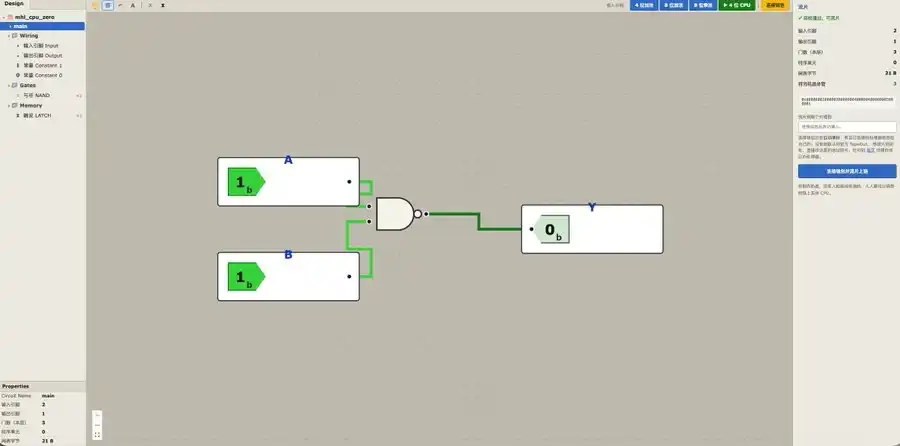
Deciphering TapeOut: A Child Built a CPU On-Chain

**Title: Understanding TapeOut: A Kid Built a CPU On-Chain** **Summary:** The article explores a remarkable experiment where a young developer named Blonskr has used blockchain technology to build a functional, on-chain CPU. Named "Behemoth," this CPU is based on the 1971 Intel 4004 processor specification. It runs on the BNB Chain, uses block production as its clock (running at a glacial 2.22 Hz), and is perhaps the slowest CPU in existence, yet it represents a novel and intriguing concept in the on-chain space. The core concept is the TapeOut protocol, named after the final "tape out" stage in semiconductor manufacturing. It treats the blockchain as a silicon wafer, with tokens representing fundamental logic components. The protocol's atomic unit is an ERC-1155 token representing a single NAND gate, the fundamental building block of digital logic. Users can visually design circuits on a "canvas," connecting these logic tokens. Once a design is finalized, the underlying tokens are burned, and an ERC-721 NFT representing the permanent, immutable circuit is minted. Blonskr used 2,300 such tokenized NAND gates to construct the Behemoth CPU. Key features of this and any TapeOut circuit include **permanent operation** (running as long as the chain exists), **free, permissionless evaluation** (anyone can query it without gas), and **safe composability** (circuits cannot call external contracts or modify state, making them inherently safe to use). This enables a new form of open, collaborative hardware design, where anyone can build upon and integrate components created by others. While highly niche, TapeOut reimagines the foundations of computation using blockchain's properties of permanence and openness. It pushes the boundaries of what can be built on-chain, potentially enabling future applications like custom mining circuits or decentralized, specialized processors. The experiment demonstrates an exciting combination of extreme technical vision and creative curiosity.

marsbit11 хв тому

Deciphering TapeOut: A Child Built a CPU On-Chain

marsbit11 хв тому

Novig Sues Wisconsin as Sports Prediction Market Dispute Heats Up

Novig, a sports event prediction market operator, has filed a lawsuit against Wisconsin's attorney general. The legal dispute centers on whether prediction markets fall under federal derivatives regulations or state gambling laws. The lawsuit, filed in a U.S. district court, seeks a declaratory judgment after Novig began offering event contracts to Wisconsin residents. This case is part of a broader conflict. In April, Wisconsin sued other prediction market platforms like Kalshi and Polymarket, alleging their sports-related contracts violate state gambling laws. Novig argues its contracts are "swaps" regulated exclusively by the federal Commodity Futures Trading Commission (CFTC), under the Commodity Exchange Act. Wisconsin contends they are sports betting. Federal courts have issued conflicting rulings on similar cases, creating legal uncertainty. The outcome is significant as prediction markets are a fast-growing sector, with trading volume reaching $9.5 billion on a single day in August. These markets are also increasingly intertwined with cryptocurrency infrastructure. Simultaneously, Novig is pursuing a nationwide legal strategy, having filed similar lawsuits in four other states. The company also recently secured a marketing partnership with the New York Mets, marking the first such deal with an MLB team. The Wisconsin case's resolution will influence whether prediction markets can operate as national financial products or remain constrained by individual state laws.

cryptonews.ru18 хв тому

Novig Sues Wisconsin as Sports Prediction Market Dispute Heats Up

cryptonews.ru18 хв тому

Держатели XRP могут торговать опционами на платформе Derive, используя FXRP в качестве залога

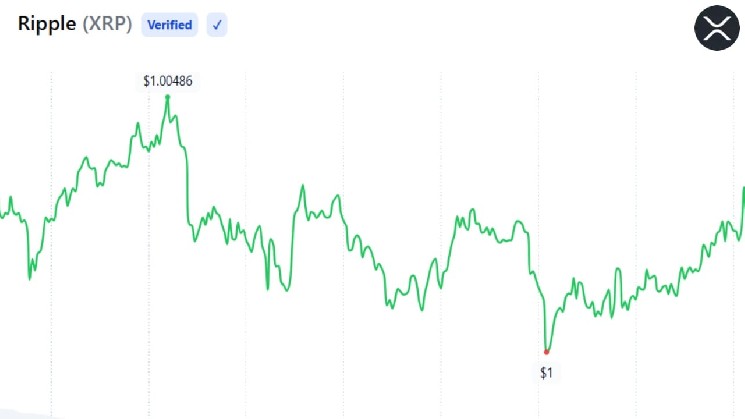
XRP holders can now trade options on the Derive platform using FXRP as collateral, as announced by Flare on August 12. This integration allows users to open positions from self-custody wallets while the underlying XRP backing the FXRP remains on the XRP Ledger. According to DeFi analyst Will Procheska, this provides XRP's dedicated holder base with a permissionless options market for generating yield or hedging. Derive's platform combines protocol-level settlements with an order book managed by Derive Trading Co., enabling users to retain asset control while professional market-makers provide liquidity. XRP options on Derive are cash-settled in USDC, so profits or obligations adjust the trader's USDC balance without transferring XRP or FXRP. The platform's portfolio margin system assesses overall account risk but may still trigger liquidations if margin levels fall below requirements. The launch expands Flare's XRPFi ecosystem. FXRP, introduced via the FAssets system in September 2025, creates an on-chain representation of XRP for use in smart contracts. It has since been integrated into spot trading and, more recently, permissionless lending markets on Morpho. This addition of options on Derive offers XRP holders hedging and premium-earning capabilities comparable to other major assets. While regulated XRP options debuted on CME Group in October 2025, Derive provides a decentralized alternative with USDC settlement and direct wallet access. The platform also supports perpetual futures, offering further trading strategies. Flare and Derive are exploring automated "strategy vaults" to simplify yield-generating options approaches for users.

cryptonews.ru18 хв тому

Держатели XRP могут торговать опционами на платформе Derive, используя FXRP в качестве залога

cryptonews.ru18 хв тому

Торгівля

Спот

Популярні статті

Що таке $BANK

Bank AI: Революційний крок у майбутнє банківської справи Вступ В епоху, що характеризується швидкими технологічними змінами, Bank AI знаходиться на перетині штучного інтелекту (ШІ) та банківських послуг. Цей інноваційний проєкт прагне переосмислити фінансовий ландшафт, підвищуючи ефективність роботи, заходи безпеки та досвід клієнтів завдяки потужності ШІ. Розпочинаючи дослідження Bank AI, ми заглибимося в суть проєкту, його операційні динаміки, історичний контекст і значущі етапи. Що таке Bank AI? У своїй основі Bank AI представляє собою трансформаційну ініціативу, спрямовану на інтеграцію штучного інтелекту в різні банківські операції. Цей проєкт використовує можливості ШІ для автоматизації процесів, покращення протоколів управління ризиками та підвищення взаємодії з клієнтами через персоналізовані послуги. Основні цілі Bank AI включають: Автоматизація банківських функцій: Використовуючи технології ШІ, Bank AI прагне автоматизувати рутинні завдання, зменшуючи навантаження на людські ресурси та підвищуючи ефективність. Покращене управління ризиками: Проєкт використовує алгоритми ШІ для прогнозування та виявлення ризиків, тим самим зміцнюючи заходи безпеки проти шахрайства та інших загроз. Персоналізація банківських послуг: Bank AI зосереджується на пропозиції індивідуальних фінансових продуктів і послуг, аналізуючи дані і поведінку клієнтів. Покращення досвіду клієнтів: Впровадження рішень на основі ШІ, таких як чат-боти та віртуальні асистенти, має на меті забезпечити користувачам більш природну взаємодію, революціонізуючи спосіб, яким клієнти спілкуються з банками. З цими цілями Bank AI займає важливу роль в робленні банківської справи більш ефективною, безпечною та орієнтованою на користувача. Хто є творцем Bank AI? Деталі стосовно творця Bank AI залишаються невідомими. Таким чином, жодна конкретна особа або організація не були ідентифіковані в доступній інформації. Анонімність навколо створення проєкту піднімає питання, але це не зменшує його амбітного бачення та цілей. Хто є інвесторами Bank AI? Аналогічно творцеві проєкту, конкретна інформація стосовно інвесторів або організацій, що підтримують Bank AI, не була розкрито. Без цієї інформації важко окреслити фінансову підтримку та інституційну підтримку, які могли б сприяти розвитку проєкту. Тим не менше, важливість наявності міцної інвестиційної бази є вирішальною для забезпечення розвитку в такій інноваційній сфері. Як працює Bank AI? Bank AI функціонує на кількох інноваційних фронтах, фокусуючись на унікальних факторах, які відрізняють його від традиційних банківських структур. Нижче наведено ключові операційні характеристики: Автоматизація: Застосовуючи алгоритми машинного навчання, Bank AI автоматизує різні ручні процеси в банках. Це призводить до зниження операційних витрат і дозволяє працівникам перенаправити свої зусилля на більш стратегічні завдання. Покращене управління ризиками: Інтеграція ШІ в практики управління ризиками забезпечує банки інструментами для точного прогнозування потенційних загроз, таких як шахрайство, забезпечуючи при цьому безпеку інформації і активів клієнтів. Індивідуальні фінансові рекомендації: Завдяки безперервному навчанню з інтерaktionen з клієнтами, системи ШІ розвивають тонке розуміння потреб користувачів, що дозволяє їм пропонувати персоналізовані поради щодо фінансових рішень. Покращені взаємодії з клієнтами: Використовуючи чат-ботів і віртуальних асистентів на базі ШІ, Bank AI дозволяє створити більш залучений досвід для клієнтів, дозволяючи користувачам швидше отримувати відповіді на свої запитання, зменшуючи час очікування та підвищуючи рівень задоволеності. Разом ці операційні характеристики позиціонують Bank AI як піонера в банківському секторі, встановлюючи нові стандарти для надання послуг і операційної досконалості. Хронологія Bank AI Для розуміння траєкторії Bank AI необхідно ознайомитися з його історичним контекстом. Нижче наведено хронологію, що підкреслює важливі етапи та розробки: Ранні 2010-ті: Концептуалізація інтеграції ШІ в банківські послуги почала привертати увагу, коли банківські установи визнали потенційні переваги. 2018: Відбулося помітне збільшення впровадження технологій ШІ, коли банки почали використовувати інструменти ШІ, такі як чат-боти для базового обслуговування клієнтів та системи управління ризиками для покращення безпеки. 2023: Софістикація ШІ продовжувала розвиватися, з введенням генеративного ШІ для більш складних завдань, таких як обробка документів і аналіз інвестицій в реальному часі. Цей рік став важливим стрибком у можливостях, які забезпечує технологія ШІ для банків. 2024-актуальний статус: Станом на цей рік, Bank AI знаходиться на зростаючій траєкторії, з постійними дослідженнями та розробками, які готові подальше покращити можливості в банківських операціях. Продовження дослідження застосувань ШІ натякає на захоплюючі події, які ще попереду. Ключові моменти про Bank AI Інтеграція ШІ в банківську справу: Bank AI зосереджується на прийнятті штучного інтелекту для оптимізації банківських процесів та покращення досвіду користувачів. Автоматизація та фокус на управлінні ризиками: Проєкт сильного підкреслює ці сфери, прагнучи зshift тягар рутинних завдань, водночас підвищуючи безпеку через прогнозну аналітику. Персоналізовані банківські рішення: Завдяки використанню даних клієнтів, Bank AI забезпечує персоналізовані банківські послуги, що відповідають потребам окремих користувачів. Прихильність до розвитку: Bank AI залишається відданим постійним дослідженням і розробкам, що забезпечують його адаптацію та постійну актуальність у міру того, як технології продовжують розвиватися. Висновок Підсумовуючи, Bank AI є важливим кроком вперед у банківській індустрії, використовуючи штучний інтелект для переформатування операційних парадигм, підвищення безпеки та сприяння задоволеності клієнтів. Незважаючи на прогалини в інформації щодо творця та інвесторів, чіткі цілі і функціональні механізми Bank AI забезпечують міцну основу для його подальшої еволюції. Оскільки технологія ШІ продовжує розвиватися та інтегруватися в банківський сектор, Bank AI має всі шанси суттєво вплинути на майбутнє фінансових послуг, покращуючи спосіб, яким ми розуміємо та взаємодіємо з банківською справою.

305 переглядів усьогоОпубліковано 2024.04.06Оновлено 2024.12.03

Що таке $BANK

Як купити BANK

Ласкаво просимо до HTX.com! Ми зробили покупку Lorenzo Protocol (BANK) простою та зручною. Дотримуйтесь нашої покрокової інструкції, щоб розпочати свою криптовалютну подорож.Крок 1: Створіть обліковий запис на HTXВикористовуйте свою електронну пошту або номер телефону, щоб зареєструвати обліковий запис на HTX безплатно. Пройдіть безпроблемну реєстрацію й отримайте доступ до всіх функцій.ЗареєструватисьКрок 2: Перейдіть до розділу Купити крипту і виберіть спосіб оплатиКредитна/дебетова картка: використовуйте вашу картку Visa або Mastercard, щоб миттєво купити Lorenzo Protocol (BANK).Баланс: використовуйте кошти з балансу вашого рахунку HTX для безперешкодної торгівлі.Треті особи: ми додали популярні способи оплати, такі як Google Pay та Apple Pay, щоб підвищити зручність.P2P: Торгуйте безпосередньо з іншими користувачами на HTX.Позабіржова торгівля (OTC): ми пропонуємо індивідуальні послуги та конкурентні обмінні курси для трейдерів.Крок 3: Зберігайте свої Lorenzo Protocol (BANK)Після придбання Lorenzo Protocol (BANK) збережіть його у своєму обліковому записі на HTX. Крім того, ви можете відправити його в інше місце за допомогою блокчейн-переказу або використовувати його для торгівлі іншими криптовалютами.Крок 4: Торгівля Lorenzo Protocol (BANK)Легко торгуйте Lorenzo Protocol (BANK) на спотовому ринку HTX. Просто увійдіть до свого облікового запису, виберіть торгову пару, укладайте угоди та спостерігайте за ними в режимі реального часу. Ми пропонуємо зручний досвід як для початківців, так і для досвідчених трейдерів.

934 переглядів усьогоОпубліковано 2025.05.09Оновлено 2026.06.02

Як купити BANK

Обговорення

Ласкаво просимо до спільноти HTX. Тут ви можете бути в курсі останніх подій розвитку платформи та отримати доступ до професійної ринкової інформації. Нижче представлені думки користувачів щодо ціни BANK (BANK).

活动图片