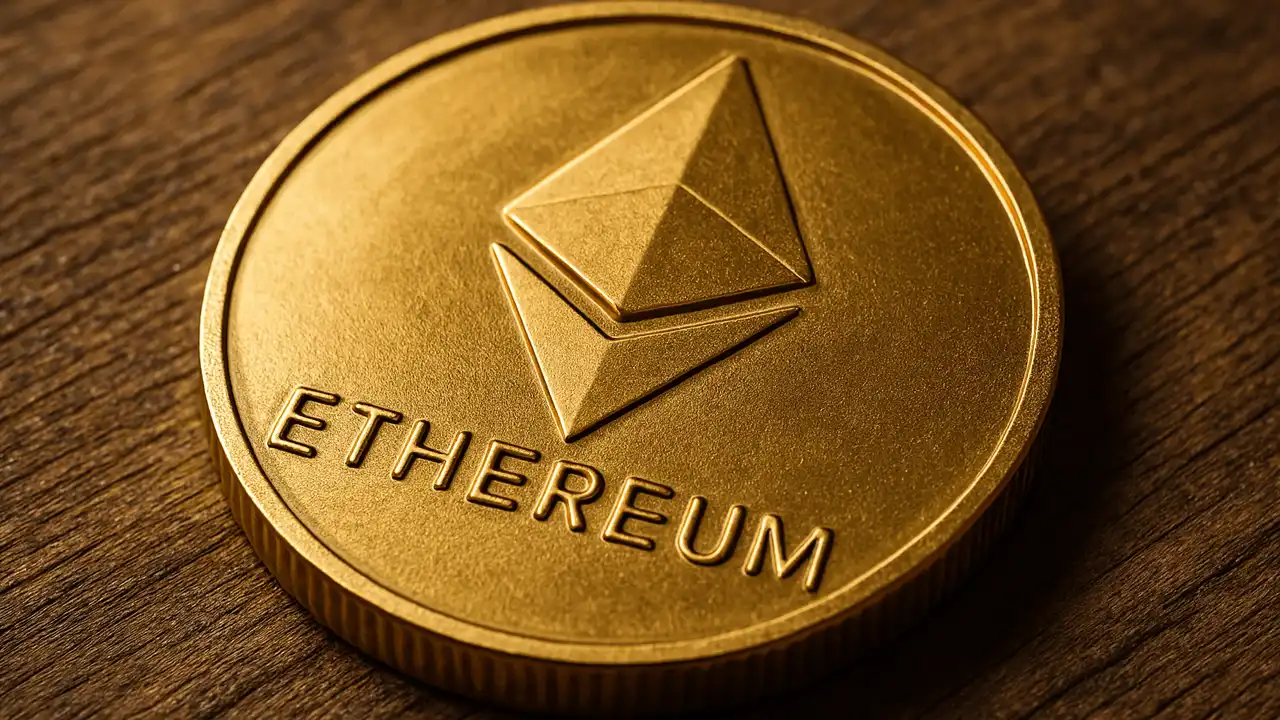
Crypto Crystal Ball: Biggest Trends to Watch in 2023

DecryptОпубліковано о 2023-01-04Востаннє оновлено о 2023-01-04

Анотація

Poised to deliver clarity on post-FTX fallout and major legal and regulatory questions, 2023 is already shaping up to be a critical year for the crypto industry.

If 2022 made one thing clear about crypto, it’s that there’s absolutely no point in predicting anything.

Overnight collapses of multi-billion dollar companies, historic technological achievements, industry-wide crashes, blockbuster confrontations with world governments, shocking revelations of corporate malfeasance, billionaires on the run, surprise arrests: 2022 had it all—if not too much.

Where does crypto go from here? While the future may not be certain, it's too tempting not to make some educated guesses. A number of 2022’s seismic events will certainly reverberate well into the new year; some new trends, too, are poised to play a major role in shaping what already looks to be another critical year for crypto.

Here are some potential answers to a few questions likely to have major implications for the industry in 2023.

When will winter end?

By late fall, the crypto market looked poised for a recovery after months of relentless battering: the stock market was coming up for air, inflation was slowing, and prognostications for 2023 were cautiously optimistic.

Then, one of crypto’s most prominent institutions exploded in real time.

The stunning collapse last month of crypto exchange FTX cratered crypto prices, sending Bitcoin to its worst low in two years. Ethereum plunged to almost $1,100 in late November, due to a combination of market-wide panic and the dumping of millions of dollars worth of ETH by an attacker who purportedly drained FTX wallets in the midst of the company’s unraveling.

Crypto prices have since marginally recovered, but the contagion sparked by FTX’s collapse only continues to spread. Digital asset lender BlockFi, which took a $250 million line of credit from FTX over the summer, declared bankruptcy late last month, weeks after freezing all withdrawals.

The company joined the ranks of a litany of crypto firms impacted by FTX’s demise. Cryptocurrency exchange Liquid Global, acquired by FTX earlier in the year, froze all fiat and cryptocurrency withdrawals just days after its parent company collapsed; Sino Global, a blockchain-focused venture firm, confirmed “mid-seven figure” exposure to FTX; crypto investment and trading group CoinShares confirmed a $30.3 million exposure; crypto prime broker Genesis suffered a whopping $175 million exposure to FTX, and suspended client withdrawals for its lending arm as a result; crypto lender SALT also paused withdrawals.

As 2023 unfolds, it's all-but-certain that even more firms will be forced to disclose potentially devastating relationships with once-dominant FTX, which seemed to have spread its tendrils across every corner of the crypto industry.

Until the full impact of FTX’s $32 billion collapse is accounted for, and its myriad connections are divulged and processed, it’s unlikely a crypto spring will be able to take hold. With crypto contagion looking unlikely to let up any time soon, color us surprised if the proverbial line goes up before actual spring.

Crypto laws, finally?

Despite the crypto-related cacophony and controversy that emanated from Washington this year, there remains a jarring lack of clarity from the American government about the regulatory fate of crypto assets, protocols, and exchanges. Will 2023 finally bring some solid guidelines and guardrails?

“I am less bullish on regulatory clarity,” Miller Whitehouse-Levine, policy director of crypto lobbying group DeFi Education Fund, told Decrypt about 2023’s prospects.

With control of Congress set to be narrowly split between Democrats and Republicans in 2023, Whitehouse-Levine is skeptical that warring political factions will be able to put aside their differences to pass sweeping crypto regulatory legislation.

“I think it's going to be difficult for those two constituencies—each with completely different views on crypto policy—to come to a consensus that can pass Congress,” he said.

One bipartisan crypto bill that looked poised to go the distance now appears all-but doomed. The Digital Commodities Consumer Protection Act (DCCPA), also known as the Stabenow-Boozman bill, would have granted crypto regulatory powers to the Commodity Futures Trading Commission (CFTC), and was by late 2022 gaining traction on the Hill.

One of the bill’s most prominent supporters, though, was now-disgraced FTX founder and former CEO Sam Bankman-Fried, who favored the bill’s mainstreaming of centralized crypto exchanges like FTX. Weeks after FTX’s historic collapse, the bill was put on hold. It appears seismic changes in political calculus may have permanently sealed its fate.

There is, however, one area of crypto legislation with potential for movement in 2023: stablecoin regulation.

“If anything moves, stablecoin regulation seems to be the area where action is most likely to occur legislatively,” Whitehouse-Levine said. “Seemingly everyone agrees that something needs to be done, and everyone wants a deal.”

Outgoing House Financial Services Committee Chair Maxine Waters (D-CA) and incoming Chair Patrick McHenry (R-NC) have been working towards a stablecoin bill for years, ever since Facebook stirred panic with its since-thwarted attempt to create its own stablecoin, Libra.

In the absence of any comprehensive legislation, stablecoins have continued to make headlines: in May, so-called algorithmic stablecoin UST depegged from the US dollar, collapsing its maker, Terra, wiping out some $40 billion in value, and kickstarting crypto’s current winter.

SEC vs crypto

Another key character in crypto’s ongoing, unfolding battle with Washington is the Securities Exchange Commission (SEC) and headline-grabbing head honcho Gary Gensler.

Gensler made waves in 2022 for escalating enforcement actions against crypto companies without providing baseline rules or guidelines for the emergent industry. Gensler’s own colleague, SEC commissioner Hester Peirce, previously labeled such policies of education by enforcement “just not a good way of regulating,” in an interview with Decrypt.

Will 2023 bring any clarity, good or bad for crypto, from the SEC?

One major crypto development on deck at the SEC is a suite of pending updates to the agency’s rules on security exchanges. The SEC has released a proposed draft of its revised rules, which defines security exchanges in extremely broad terms that appear poised to ensnare decentralized finance (DeFi) protocols.

The rule is currently in the comments stage, and has not yet been adopted. If adopted next year in its current form, the rule could have devastating consequences for DeFi, essentially requiring the sector to be regulated as a securities marketplace.

“If a DeFi protocol is required to be regulated like the New York Stock Exchange, obviously that is totally impossible,” DeFi Education Fund’s Whitehouse-Levine said. “It would effectively make smart contracts illegal in the US.”

Whitehouse-Levine is confident, however, that if such a rule were adopted, it would be challenged and potentially overturned in federal court.

What’s more, the SEC may soon be embroiled in political problems of its own.

Republican lawmakers—and some Democrats—have recently ramped up criticism of Gensler and the SEC’s inability or unwillingness to produce concrete rules on crypto assets. In the wake of FTX’s collapse in November, Representative Tom Emmer (R-MN) demanded that Gensler testify before Congress, linking 2022’s slew of crypto company collapses to the SEC’s enduring failure to create a crypto regulatory framework.

Whitehouse-Levine believes that, with Republicans soon to take charge of the House, stern words could soon evolve into real consequences for the federal regulator.

“Every regulatory agency reports back to Congress, so there's a lot they [Republicans] can do,” Whitehouse-Levine said. “For example, they could say, until the SEC issues rulemaking on digital assets, they can't spend any of this money on enforcement. It could be quite impactful.”

Will Ripple’s battle offer answers in crypto’s war?

One of 2022’s highest-profile—and still ongoing—crypto lawsuits saw blockchain payments company Ripple battle the SEC in federal court. The government asserts that the company’s XRP token was illegally sold as an unregistered security.

The lawsuit has pitted a dominant crypto company with deep pockets against a federal agency with much to prove—see above—in one of finance’s key arenas: the United States District Court, Southern District of New York. That court, colloquially referred to as the “Mother Court” by legal professionals, oversees all Wall Street activity and holds a particularly influential sway over federal finance law.

Will the case, ongoing for almost two years, finally see resolution in 2023? And if it does, what will that verdict mean for crypto as a whole?

Some experts believe that the SEC is angling to use its case against Ripple not just to prevent the unregistered sale of tokens like XRP, but to set the stage for the agency to finally go after centralized crypto exchanges like Coinbase, Kraken, and Binance.US—the beating hearts of America’s crypto trade.

The SEC, in its recent victory against blockchain-based publishing platform LBRY, successfully got a federal court to take the unprecedented step of labeling certain crypto tokens as securities in themselves, not just their sale as an illegal securities offering.

If the SEC can get its Manhattan-based judge to make a similar ruling on Ripple, the repercussions for crypto could be profound.

“They want to go all the way and say the XRP tokens are the security,” Lewis Cohen, an attorney specializing in crypto and securities regulation, previously told Decrypt. “If they got their way, most US token marketplaces could not allow users to buy and sell ‘crypto securities’ without registering as an exchange or getting an exemption.”

Such an outcome would unquestionably upend the place of crypto exchanges in American finance, bringing stock exchange-caliber regulation to any entity trying to sell crypto assets.

2023 will likely see either the realization of such a verdict, or an equally-consequential victory for Ripple, which would signify the dodging of a major bullet for the beleaguered industry.

What next for Ethereum?

Finally, some good news.

September’s historic Ethereum merge transitioned crypto’s dominant network to a proof of stake consensus mechanism that instantly cut its energy consumption by a whopping 99.99%, according to reports.

After that technical triumph, what’s in store for Ethereum as it moves into 2023?

First up will be the network’s Shanghai upgrade, expected to launch in March.

Shanghai will, first and foremost, enable withdrawals of staked ETH. Since the merge went live in September, users have been able to deposit existing ETH with the Ethereum network to help validate Ethereum transactions and create new ETH for themselves in the process. All staked ETH and newly generated ETH, however, have not yet been made available for withdrawal.

Come March that will change, and some $20 billion worth of staked ETH will finally be made available to Ethereum users following the network’s Shanghai upgrade.

Ethereum’s core developers are so committed to rolling out staked ETH withdrawals that they’re trying to keep Shanghai as light as possible, eliminating other much-anticipated network upgrades from the update in the name of expeditiousness.

One such improvement that many hoped would be included in Shanghai is proto-danksharding, a preliminary version of a process by which huge amounts of data on Ethereum rollups—a tool used to combine many Ethereum transactions and treat them as one speedy, cheap transaction—will one day be verified by only sampling small pieces of data.

Danksharding will take a process that already makes Ethereum transactions cheaper and faster, and make them far cheaper and faster. The update will dramatically increase the speed and ease with which huge amounts of data could be verified on Ethereum layer-2 networks like Optimism and Arbitrum.

Many see danksharding as the key to Ethereum’s future proliferation and dominance as a reliable, secure network that’s also incredibly fast and inexpensive to use.

While proto-danksharding may not come as soon as March, Ethereum’s developers hope it will still arrive by the end of next year.

“I’m very confident that it will be shipped in 2023,” Ethereum core developer Marius Van Der Wijden told Decrypt. He expects the proto-danksharding tool to be included in Ethereum’s next upgrade after Shanghai, which has been tentatively labeled Cancun.


Трендові криптовалюти

Пов'язані матеріали

Interview with Strategy CEO: Can STRC Recover After Selling Bitcoin?

Interview with Strategy CEO Phong Le on the recent sale of 32 Bitcoin and its impact. He clarifies the move was a small, strategic action to demonstrate liquidity to debt holders, test internal processes, and prove operational discipline—not a response to fears of a "death spiral" from DeFi protocols leveraging STRC (Strategy's preferred stock product), which he notes holds less than 10% of STRC. Le emphasizes Strategy’s long-term focus as the largest corporate Bitcoin holder, using the adage that markets are a "voting machine" short-term but a "weighing machine" long-term. Decision-making is data-driven, involving the board, complex modeling, and multiple stakeholder considerations, moving beyond a founder-centric model. He outlines various capital options but stresses the strategic importance of "doing nothing" as a valid choice, citing resilience built during the 2022 bear market. Le expresses unwavering belief in Bitcoin's foundational value for global sovereignty and its future role in an AI-driven economy with trillions of autonomous agents. Addressing STRC's current price below its $100 face value, Le explains recent pressure was due to using dollar reserves for bond buybacks. He expects STRC to return to par as reserves are replenished and its semi-monthly dividend payments begin, noting the product is heavily over-collateralized. Finally, Le confirms the company sold Bitcoin the week prior to May 31st, as disclosed in an 8-K filing, leaving prediction market interpretations to others. The overarching philosophy remains "Spread Bitcoin with love," embracing all methods of gaining Bitcoin exposure.

marsbit14 хв тому

Interview with Strategy CEO: Can STRC Recover After Selling Bitcoin?

marsbit14 хв тому

IOSG Founder: Ethereum Doesn't Need Another Leap of Technical Faith, It Needs a Musk-style Compromise

Jocy, founder of IOSG Ventures, argues that Ethereum does not need renewed technological faith but a "Musk-like compromise." The recent formation of ETHLabs—funded by major ETH holders like BitMine and Lubin—highlights a market-driven move to fill a gap left by the Ethereum Foundation (EF), signaling a loss of confidence in its decentralized, hands-off approach. The core critique contrasts Vitalik Buterin's (V) idealistic, technology-first vision with Elon Musk's pragmatic, business-driven execution. The author asserts Ethereum's current shortage is not another technical roadmap but a clear, real-world application narrative and a leader willing to engage directly with commercial realities—like Musk. Internal issues are emphasized, citing EF's management problems and talent drain. While the new decentralized model with independent nodes like ETHLabs addresses the single foundation's limitations, it risks fragmentation without cohesive direction. True cohesion, the author suggests, must come from a shared, compelling narrative around ETH's value, not just from aligned financial interests. Independence claims for new entities are seen as aspirational, needing years of transparency to build trust. The ultimate threat is not competitors like Solana, but the broader shift of attention and talent toward AI. Ethereum has a limited window—12 to 18 months—to recapture focus by delivering tangible, real-world applications. The conclusion urges V to shift from abstract ideals to grounded, pragmatic leadership. The time for this crucial pivot is running out.

marsbit1 год тому

IOSG Founder: Ethereum Doesn't Need Another Leap of Technical Faith, It Needs a Musk-style Compromise

marsbit1 год тому

Google Starts Selling TPUs, Big Tech Aims to Produce "Low-Cost Tokens" with AI Chips

Google has begun selling its proprietary TPU chips and AI computing hardware directly to third-party data centers and clients, marking a strategic shift. Previously only accessible via cloud rentals, TPUs are specialized processors designed for the matrix and tensor operations central to AI models. By combining thousands into supercomputing clusters managed by CPUs, Google achieves high-efficiency AI processing. This move enables Google’s Gemini AI to offer competitive token pricing, challenging rivals like OpenAI. It also signals a broader industry trend where AI compute is becoming a commoditized resource like electricity. While NVIDIA remains dominant with its CUDA ecosystem and high-performance GPUs, the focus is shifting from raw power to cost efficiency and system integration. Google’s approach mirrors NVIDIA’s by selling an entire ecosystem—hardware, software, and data center expertise—rather than just chips. This threatens NVIDIA’s grip on the mid-range inference market, where lower-cost, efficient solutions are increasingly demanded. Similarly, cloud providers like Huawei Cloud and Alibaba Cloud in China are developing their own AI chip ecosystems (e.g., Ascend, Zhenwu), packaging chips, clusters, and tools into full-stack solutions. They aim to reduce token costs and capture market share through integrated systems. In summary, the AI infrastructure race is evolving from a competition for the strongest chips to a contest for the most efficient and cost-effective systems. Google’s TPU sales highlight this transition, emphasizing that future success lies in delivering affordable, scalable AI compute as a foundational service.

marsbit1 год тому

Google Starts Selling TPUs, Big Tech Aims to Produce "Low-Cost Tokens" with AI Chips

marsbit1 год тому

Торгівля

Спот
Ф'ючерси

Популярні статті

Що таке BITCOIN

Розуміння HarryPotterObamaSonic10Inu (ERC-20) та його позиції у крипто-просторі Останніми роками ринок криптовалют спостерігав за зростанням популярності мем-коінів, які привертають інтерес не тільки трейдерів, але й тих, хто шукає спілкування та розважальну цінність. Серед цих унікальних токенів є HarryPotterObamaSonic10Inu (ERC-20), інтригуючий проект, що поєднує культурні посилання з тканинами криптовалюти. Ця стаття досліджує ключові аспекти HarryPotterObamaSonic10Inu, вивчаючи його механізми, спільноту та його взаємодію з ширшим крипто-ландшафтом. Що таке HarryPotterObamaSonic10Inu (ERC-20)? Як випливає з його назви, HarryPotterObamaSonic10Inu є мем-коіном, побудованим на блокчейні Ethereum, класифікованим за стандартом ERC-20. На відміну від традиційних криптовалют, які можуть підкреслювати практичну корисність або інвестиційний потенціал, цей токен процвітає завдяки розважальній цінності та силі своєї спільноти. Проект спрямований на створення середовища, де зацікавлені користувачі можуть об'єднуватися, ділитися ідеями та брати участь у заходах, натхненних різноманітними культурними явищами. Однією з примітних особливостей HarryPotterObamaSonic10Inu є нульовий податок на транзакції. Цей привабливий елемент має на меті заохочувати торгівлю та участь у спільноті, позбавлену додаткових витрат, які можуть відлякувати дрібних трейдерів. Загальна пропозиція монет становить один мільярд токенів, що позначає намір підтримувати суттєву циркуляцію в межах спільноти. Творець HarryPotterObamaSonic10Inu (ERC-20) Походження HarryPotterObamaSonic10Inu дещо окутане таємницею; деталі про творця залишаються невідомими. Розвиток цього токена позбавлений впізнаваної команди або чіткої стратегії, що не є рідкістю в секторі мем-коінів. Натомість проект виник органічно, а його розвиток значною мірою залежить від ентузіазму та участі його спільноти. Інвестори HarryPotterObamaSonic10Inu (ERC-20) Щодо зовнішніх інвестицій та підтримки, HarryPotterObamaSonic10Inu також залишається невизначеним. Токен не зазначає жодних відомих інвестиційних фондів або значної організаційної підтримки. Натомість життєва сила проекту полягає в його базовій спільноті, яка інформує про його зростання та стійкість через колективні дії та залученість у крипто-просторі. Як працює HarryPotterObamaSonic10Inu (ERC-20)? Як мем-коін, HarryPotterObamaSonic10Inu функціонує передусім поза традиційними рамками, що часто регулюють вартість активів. Є кілька відмінних аспектів, що визначають, як працює проект: Транзакції без податку: Завдяки відсутності податкових зборів на транзакції, користувачі можуть вільно купувати та продавати токен, не турбуючись про приховані витрати. Залучення спільноти: Проект процвітає завдяки взаємодії спільноти, використовуючи соціальні медіа для створення шуму та сприяння залученню. Обговорення, обмін контентом та залученість є ключовими елементами, що допомагають розширити його охоплення та зміцнити лояльність серед прихильників. Відсутність практичної корисності: Слід зазначити, що HarryPotterObamaSonic10Inu не пропонує конкретної корисності в рамках фінансової екосистеми. Натомість він класифікується як токен, що призначений в основному для розваги та спільнотних активностей. Культурне посилання: Токен кмітливо вплітає елементи популярної культури, щоб привернути інтерес, зв'язуючи з ентузіастами мемів та крипто-стежками. HarryPotterObamaSonic10Inu ілюструє, як мем-коіни функціонують інакше, ніж традиційні криптовалютні проекти, увійшовши на ринок як інноваційні соціальні конструкти, а не утилітарні активи. Хронологія HarryPotterObamaSonic10Inu (ERC-20) Історія HarryPotterObamaSonic10Inu відзначена кількома значними етапами: Створення: Токен виник з вірусного мему, захопивши уяву багатьох крипто-ентузіастів. Конкретні дати створення недоступні, що підкреслює його органічний розвиток. Лістинг на біржах: HarryPotterObamaSonic10Inu з'явився на різних біржах, дозволяючи зручніший доступ і торгівлю спільноти. Ініціативи залучення спільноти: Ведення діяльності, спрямованої на покращення взаємодії спільноти, включаючи конкурси, кампанії в соціальних мережах та створення контенту від фанатів та прихильників. Плани на майбутнє: Дорожня карта проекту включає запуск колекції NFT, мерчандайзинг та електронну комерцію, пов'язану з його культурними темами, що далі залучає спільноту та намагається додати більше вимірів до його екосистеми. Ключові моменти про HarryPotterObamaSonic10Inu (ERC-20) Спільнотний підхід: Проект надає пріоритет колективному внеску та креативності, забезпечуючи, щоб участь користувачів була в центрі його розвитку. Класифікація як мем-коін: Це є його епігенез розважальної криптовалюти, що відрізняється від традиційних інвестиційних інструментів. Жодного прямого відношення до Bitcoin: Незважаючи на схожість у назві, HarryPotterObamaSonic10Inu є відмінним і не має жодного зв’язку з Bitcoin або іншими усталеними криптовалютами. Зосередженість на співпраці: HarryPotterObamaSonic10Inu створено для того, щоб надати простір для співпраці та обміну історіями серед його власників, забезпечуючи шлях для творчості та спільного зв'язку. Перспективи на майбутнє: Амбіція розширитися за межі початкової концепції в NFT та мерчандайз відкриває шлях для проекту потенційно потрапити в більш мейнстрімні сфери цифрової культури. Оскільки мем-коіни продовжують захоплювати уяву спільноти криптовалют, HarryPotterObamaSonic10Inu (ERC-20) вирізняється своїми культурними зв'язками та орієнтованим на спільноту підходом. Хоча він може не відповідати типовій моделі утилітарного токена, його суть полягає в радощах і товариськості, що підтримуються серед його прихильників, підкреслюючи еволюційну природу криптовалют в усе більш цифрову епоху. Оскільки проект продовжує розвиватися, важливо спостерігати за тим, як динаміка спільноти вплине на його траєкторію в постійно змінюваному ландшафті технології блокчейн.

2.1k переглядів усьогоОпубліковано 2024.04.01Оновлено 2024.12.03

Що таке BITCOIN

Як купити BTC

Ласкаво просимо до HTX.com! Ми зробили покупку Bitcoin (BTC) простою та зручною. Дотримуйтесь нашої покрокової інструкції, щоб розпочати свою криптовалютну подорож.Крок 1: Створіть обліковий запис на HTXВикористовуйте свою електронну пошту або номер телефону, щоб зареєструвати обліковий запис на HTX безплатно. Пройдіть безпроблемну реєстрацію й отримайте доступ до всіх функцій.ЗареєструватисьКрок 2: Перейдіть до розділу Купити крипту і виберіть спосіб оплатиКредитна/дебетова картка: використовуйте вашу картку Visa або Mastercard, щоб миттєво купити Bitcoin (BTC).Баланс: використовуйте кошти з балансу вашого рахунку HTX для безперешкодної торгівлі.Треті особи: ми додали популярні способи оплати, такі як Google Pay та Apple Pay, щоб підвищити зручність.P2P: Торгуйте безпосередньо з іншими користувачами на HTX.Позабіржова торгівля (OTC): ми пропонуємо індивідуальні послуги та конкурентні обмінні курси для трейдерів.Крок 3: Зберігайте свої Bitcoin (BTC)Після придбання Bitcoin (BTC) збережіть його у своєму обліковому записі на HTX. Крім того, ви можете відправити його в інше місце за допомогою блокчейн-переказу або використовувати його для торгівлі іншими криптовалютами.Крок 4: Торгівля Bitcoin (BTC)Легко торгуйте Bitcoin (BTC) на спотовому ринку HTX. Просто увійдіть до свого облікового запису, виберіть торгову пару, укладайте угоди та спостерігайте за ними в режимі реального часу. Ми пропонуємо зручний досвід як для початківців, так і для досвідчених трейдерів.

4.8k переглядів усьогоОпубліковано 2024.12.12Оновлено 2026.06.02

Як купити BTC

Що таке $BITCOIN

ЦИФРОВЕ ЗОЛОТО ($BITCOIN): Комплексний аналіз Вступ до ЦИФРОВОГО ЗОЛОТА ($BITCOIN) ЦИФРОВЕ ЗОЛОТО ($BITCOIN) — це проект на основі блокчейну, що працює в мережі Solana, який має на меті поєднати характеристики традиційних дорогоцінних металів з інноваціями децентралізованих технологій. Хоча він має таку ж назву, як і Bitcoin, який часто називають “цифровим золотом” через його сприйняття як засобу збереження вартості, ЦИФРОВЕ ЗОЛОТО є окремим токеном, розробленим для створення унікальної екосистеми в ландшафті Web3. Його мета — позиціонувати себе як життєздатний альтернативний цифровий актив, хоча деталі щодо його застосувань і функціональностей все ще розробляються. Що таке ЦИФРОВЕ ЗОЛОТО ($BITCOIN)? ЦИФРОВЕ ЗОЛОТО ($BITCOIN) — це токен криптовалюти, спеціально розроблений для використання в блокчейні Solana. На відміну від Bitcoin, який виконує широко визнану роль зберігання вартості, цей токен, здається, зосереджується на більш широких застосуваннях і характеристиках. Помітні аспекти включають: Інфраструктура блокчейну: Токен побудований на блокчейні Solana, відомому своєю здатністю обробляти швидкі та низьковартісні транзакції. Динаміка постачання: ЦИФРОВЕ ЗОЛОТО має максимальне постачання, обмежене 100 квадрильйонами токенів (100P $BITCOIN), хоча деталі щодо його обігового постачання наразі не розголошуються. Утиліта: Хоча точні функціональності не викладені, є вказівки на те, що токен може бути використаний для різних застосувань, потенційно пов'язаних з децентралізованими додатками (dApps) або стратегіями токенізації активів. Хто є творцем ЦИФРОВОГО ЗОЛОТА ($BITCOIN)? На даний момент особа творців і команди розробників, що стоять за ЦИФРОВИМ ЗОЛОТОМ ($BITCOIN), залишається невідомою. Ця ситуація є типовою для багатьох інноваційних проектів у сфері блокчейну, особливо тих, що пов'язані з децентралізованими фінансами та феноменом мем-коінів. Хоча така анонімність може сприяти культурі, орієнтованій на спільноту, вона посилює занепокоєння щодо управління та підзвітності. Хто є інвесторами ЦИФРОВОГО ЗОЛОТА ($BITCOIN)? Доступна інформація вказує на те, що ЦИФРОВЕ ЗОЛОТО ($BITCOIN) не має жодних відомих інституційних спонсорів або помітних венчурних капіталовкладень. Проект, здається, працює за моделлю “рівний до рівного”, зосереджуючись на підтримці та прийнятті спільноти, а не на традиційних шляхах фінансування. Його активність і ліквідність переважно розташовані на децентралізованих біржах (DEX), таких як PumpSwap, а не на встановлених централізованих торгових платформах, що ще більше підкреслює його підхід знизу вгору. Як працює ЦИФРОВЕ ЗОЛОТО ($BITCOIN) Операційні механізми ЦИФРОВОГО ЗОЛОТА ($BITCOIN) можна детальніше розглянути на основі його дизайну блокчейну та характеристик мережі: Механізм консенсусу: Використовуючи унікальний proof-of-history (PoH) Solana в поєднанні з моделлю proof-of-stake (PoS), проект забезпечує ефективну валідацію транзакцій, що сприяє високій продуктивності мережі. Токеноміка: Хоча конкретні дефляційні механізми не були детально описані, велике максимальне постачання токенів вказує на те, що воно може задовольняти мікротранзакції або нішеві випадки використання, які ще потрібно визначити. Інтероперабельність: Існує потенціал для інтеграції з більш широкою екосистемою Solana, включаючи різні платформи децентралізованих фінансів (DeFi). Однак деталі щодо конкретних інтеграцій залишаються невизначеними. Хронологія ключових подій Ось хронологія, яка підкреслює значні віхи, пов'язані з ЦИФРОВИМ ЗОЛОТОМ ($BITCOIN): 2023: Початкове розгортання токена відбувається на блокчейні Solana, позначене його адресою контракту. 2024: ЦИФРОВЕ ЗОЛОТО набуває видимості, оскільки стає доступним для торгівлі на децентралізованих біржах, таких як PumpSwap, що дозволяє користувачам торгувати ним проти SOL. 2025: Проект спостерігає спорадичну торгову активність і потенційний інтерес до ініціатив, очолюваних спільнотою, хоча на даний момент не зафіксовано жодних значних партнерств або технічних досягнень. Критичний аналіз Сильні сторони Масштабованість: Основна інфраструктура Solana підтримує високі обсяги транзакцій, що може підвищити утиліту $BITCOIN у різних сценаріях транзакцій. Доступність: Потенційно низька торгова ціна за токен може привабити роздрібних інвесторів, сприяючи більш широкій участі завдяки можливостям дробового володіння. Ризики Відсутність прозорості: Відсутність публічно відомих спонсорів, розробників або процесу аудиту може викликати скептицизм щодо стійкості та надійності проекту. Волатильність ринку: Торгова активність сильно залежить від спекулятивної поведінки, що може призвести до значної волатильності цін і невизначеності для інвесторів. Висновок ЦИФРОВЕ ЗОЛОТО ($BITCOIN) постає як цікавій, але неоднозначний проект у швидко розвиваючійся екосистемі Solana. Хоча він намагається використати наратив “цифрового золота”, його відхід від встановленої ролі Bitcoin як засобу збереження вартості підкреслює необхідність чіткішого розмежування його передбачуваної утиліти та структури управління. Майбутнє прийняття та адаптація, ймовірно, залежатиме від вирішення поточної непрозорості та більш чіткого визначення його операційних та економічних стратегій. Примітка: Цей звіт охоплює синтезовану інформацію, доступну станом на жовтень 2023 року, і можуть відбутися події, що виходять за межі дослідницького періоду.

91 переглядів усьогоОпубліковано 2025.05.13Оновлено 2025.05.13

Що таке $BITCOIN

Обговорення

Ласкаво просимо до спільноти HTX. Тут ви можете бути в курсі останніх подій розвитку платформи та отримати доступ до професійної ринкової інформації. Нижче представлені думки користувачів щодо ціни BTC (BTC).

活动图片