NFTs will empower musicians to take back control

cryptoslateОпубліковано о 2022-03-21Востаннє оновлено о 2022-03-21

Анотація

This surge in NFT sales can partly be attributed to the increased demand for crypto art and collectables.

This surge in NFT sales can partly be attributed to the increased demand for crypto art and collectables. According to Fortunly, there were more than 11 million NFT art sales over the whole of last year. In fact, 2021 even saw Christie’s and Sotheby’s host their own NFT art auctions – which is credited with driving contemporary art sales to an all-time high.

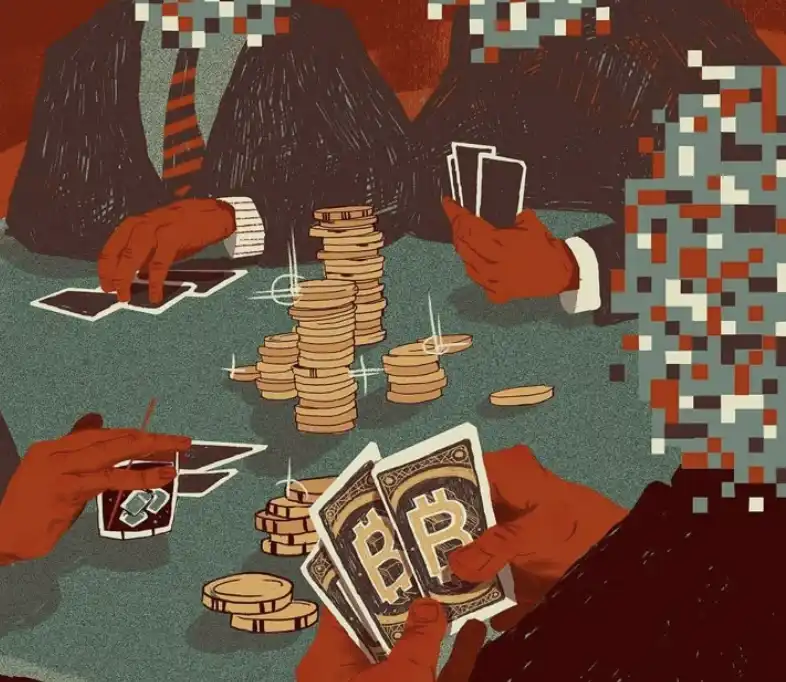
But the latest artform which is purchasable as an NFT is music. NFT assets are either digital or physical, with blockchain technology being used to create a record of ownership. Given that NFTs can be coded so that royalty payments are made directly to musicians, with a reduced dependency on intermediaries, it is no wonder that NFTs are set to revolutionise the music industry.

The artist becomes the priority

For many recording artists, the involvement of third parties such as. record labels, management agencies, and streaming platforms only leave them with about 16% of the earnings. When this is considered alongside the high levels of music piracy and copyright abuse that take place, musicians can often find themselves struggling financially.

However, using NFTs gives musicians the option to continue creating and recording music, with the blockchain acting as a record of immutable ownership. Tokenised music gives control back to the artist, the transparent and automated royalty arrangements eliminate the potential for fraud.

Cutting out the middle-men from the picture offers financial benefits for lesser-known artists. According to Business Insider, platforms like Spotify only deliver royalties of $3,000 to $5,000 per million streams. Turning to NFTs also makes multiple streams of revenue available to musicians, with opportunities to sell other merchandise directly to fans such as clothing, concert tickets, CDs, vinyl records, and so on.

Earning and trading royalties

With the immutable record of ownership that comes with using NFTs, artists can continue to release and share their music as usual, with the reassurance that they will personally receive the royalties. Concert tickets can also be tokenised, using smart-contract enabled NFTs that are imbedded into tickets – helping to avoid the risk of fraudulent resales and black-market ticket dumps.

Another benefit of tokenised music is that listeners have the opportunity to invest in a partial share of song rights. The increased playback of songs gives listeners access to some of the royalty earnings. Projects such as Opulous are creating NFT marketplaces dedicated to music, where fans and investors can trade fractionalised shares of individual songs.

Therefore, connections between musicians and their fanbase are ultimately strengthened, as listeners and fans can directly participate in furthering the careers of their favourite artists.

Encouraging fan communities

The democratisation of music through NFTs goes further than the songs. At the beginning of 2021, Kings of Leon became the first band to release an album, When You See Yourself, as a series of NFTs. Since then, they have been able to sell exclusive album artwork and a limited edition version to fans. The Rolling Stones have also offered rare collectables and unique fan experiences in the form of NFTs.

Music venues and festivals have also profited immensely from the boom of NFTs. For example, Coachella festival recently released a series of “Coachella Collectibles” – giving fans access to art prints, photo books, digital collectables, and even the like of lifetime passes. With an array of exclusive opportunities, NFTs are providing new ways for artists and music venues to connect with communities.

By bringing fans together to form stronger communities and creating a direct link between artists and audiences without relying on any intermediaries, NFTs are permanently changing the music industry for the better, for musicians and fans alike. While a lot of the focus has been on the flashy, high-priced items and the famous artists who have been quick to jump on the trend, the adoption of tokenised music will benefit the lesser-known artists the most, creating a more democratised and transparent space.
Пов'язані матеріали

Bitwise: Crypto Becomes a Contrarian Investment, Three Logics to Understand the Current Market

**Summary** Matt Hougan, Bitwise's CIO, analyzes the current crypto market through three key lenses, arguing it has shifted from a momentum-driven to a contrarian investment. **1) Crypto Becomes a Contrarian Play:** The market is weak, with major assets like Bitcoin and Ethereum down significantly. Capital has moved to hot sectors like AI, leaving crypto as an "unloved" asset class. This transforms crypto investing from trend-following to a test of patience and fundamental analysis. Investors now favor projects with solid fundamentals (e.g., Hyperliquid) over speculative ones. **2) Regulatory Overhang:** The uncertain fate of the U.S. CLARITY Act, a major crypto regulatory framework, is a key headwind. With its passage in 2024 seen as far from guaranteed (estimates range from 30-55%), institutional capital remains on the sidelines, choosing less risky alternatives like AI stocks. The market needs clarity—whether the bill passes or fails—more than any specific outcome to move decisively. **3) Capital Rotates to New Fundamentals:** This cycle differs from past bear markets where money fled to Bitcoin. Now, capital seeks smaller assets with strong use cases. While major cryptos fell in May 2024, tokens like Hyperliquid (+72%), Zcash (+50%), and XLM (+44%) rallied on their specific fundamentals. This rotation confirms the new contrarian, fundamentals-driven logic and signals the bear market may be in its later stages. **Conclusion:** Short-term pressure persists due to regulatory uncertainty and competition from AI narratives. Investing in crypto now requires a contrarian mindset—acting against the crowd and focusing on fundamental value. Patience and targeting high-quality projects based on their merits are essential for capturing long-term gains.

marsbit41 хв тому

Bitwise: Crypto Becomes a Contrarian Investment, Three Logics to Understand the Current Market

marsbit41 хв тому

ChatGPT Might Be Disappearing Soon

OpenAI announced at its "Intelligence at Work" event that its coding assistant, Codex, will be fully integrated into the ChatGPT app within weeks. This move marks a strategic shift from a conversational AI (Chat) towards a unified "agentic" platform capable of execution. Codex, originally launched to compete with Anthropic's Claude Code, has grown rapidly to 5 million weekly active users, with 20% being non-developers like analysts and designers. Its enterprise revenue now constitutes 40% of OpenAI's total. The integration is the first step in creating a super-app combining ChatGPT (interface), Codex (execution engine), and the Atlas browser (web access). OpenAI also unveiled new Codex features: specialized Agent plugins for six professional roles, an "Annotations" tool for direct document editing, and a "Sites" function to turn work into shareable web apps. Internally, this reflects a power shift; the Codex team now leads core product strategy. While the ChatGPT brand remains for its vast user base, the platform's future is focused on autonomous agents that perform tasks, not just chat. The article notes that competition with Claude Code pushed OpenAI's development, with Codex competing on cost-effectiveness and accessibility rather than raw coding quality. It concludes that the essence of "ChatGPT" is evolving from a chatbot into an AI agent platform, with the name potentially becoming a legacy symbol of its original function.

marsbit51 хв тому

ChatGPT Might Be Disappearing Soon

marsbit51 хв тому

WWDC26 Ultimate Preview: The All-New Siri is the Main Course, iOS 27 is Another Year of Refinements

Apple has confirmed WWDC26 will begin on June 8, with the keynote at 10 AM PT (1 AM Beijing Time, June 9). This year's focus is expected to shift significantly from routine OS updates to Apple's progress in AI, particularly a major overhaul of Siri. Reports indicate the highlight will be a new Siri, reportedly powered by Google's Gemini technology. This upgraded assistant is expected to appear as a lightweight bubble from the Dynamic Island and be accessible via a unified "Search or Ask" system-wide entry point. It aims to deeply integrate with iOS 27, iPadOS 27, and macOS 27, accessing personal data like messages, photos, and documents, with a potential standalone Siri app also in development. For iOS 27, leaks suggest incremental improvements rather than major redesigns. Key updates may include a redesigned, more customizable Camera app, enhanced photo editing tools within the Photos app, and potential early system optimizations for a future foldable iPhone. The update is also rumored to prioritize bug fixes, stability, and performance optimization. iPadOS 27 is anticipated to focus on improving productivity features like window management, file systems, and external display support to better utilize the iPad's hardware. macOS 27 is seen as a core platform for Apple Intelligence, likely receiving an optimized Siri, new AI features, and continued refinement of the "Liquid Glass" design language. Notably, macOS 27 may finally drop support for Intel-based Macs. The overarching theme for WWDC26 is whether Apple can effectively integrate AI across its ecosystem. The success of the new Siri and Apple Intelligence will be judged on their ability to move beyond standalone features and become a cohesive, context-aware system layer that understands user workflows across iPhone, iPad, Mac, and other devices, while maintaining Apple's emphasis on privacy and stability. The conference represents Apple's critical attempt to catch up and redefine the AI assistant experience after a perceived slow start in the generative AI era.

marsbit1 год тому

WWDC26 Ultimate Preview: The All-New Siri is the Main Course, iOS 27 is Another Year of Refinements

marsbit1 год тому

Торгівля

Спот
Ф'ючерси

Популярні статті

Як купити BAND

Ласкаво просимо до HTX.com! Ми зробили покупку Band Protocol (BAND) простою та зручною. Дотримуйтесь нашої покрокової інструкції, щоб розпочати свою криптовалютну подорож.Крок 1: Створіть обліковий запис на HTXВикористовуйте свою електронну пошту або номер телефону, щоб зареєструвати обліковий запис на HTX безплатно. Пройдіть безпроблемну реєстрацію й отримайте доступ до всіх функцій.ЗареєструватисьКрок 2: Перейдіть до розділу Купити крипту і виберіть спосіб оплатиКредитна/дебетова картка: використовуйте вашу картку Visa або Mastercard, щоб миттєво купити Band Protocol (BAND).Баланс: використовуйте кошти з балансу вашого рахунку HTX для безперешкодної торгівлі.Треті особи: ми додали популярні способи оплати, такі як Google Pay та Apple Pay, щоб підвищити зручність.P2P: Торгуйте безпосередньо з іншими користувачами на HTX.Позабіржова торгівля (OTC): ми пропонуємо індивідуальні послуги та конкурентні обмінні курси для трейдерів.Крок 3: Зберігайте свої Band Protocol (BAND)Після придбання Band Protocol (BAND) збережіть його у своєму обліковому записі на HTX. Крім того, ви можете відправити його в інше місце за допомогою блокчейн-переказу або використовувати його для торгівлі іншими криптовалютами.Крок 4: Торгівля Band Protocol (BAND)Легко торгуйте Band Protocol (BAND) на спотовому ринку HTX. Просто увійдіть до свого облікового запису, виберіть торгову пару, укладайте угоди та спостерігайте за ними в режимі реального часу. Ми пропонуємо зручний досвід як для початківців, так і для досвідчених трейдерів.

122 переглядів усьогоОпубліковано 2024.12.12Оновлено 2026.06.02

Як купити BAND

Обговорення

Ласкаво просимо до спільноти HTX. Тут ви можете бути в курсі останніх подій розвитку платформи та отримати доступ до професійної ринкової інформації. Нижче представлені думки користувачів щодо ціни BAND (BAND).

活动图片