Кто в России инвестирует в блокчейн и криптовалюты

BeInCryptoОпубліковано о 2022-09-08Востаннє оновлено о 2022-09-08

Анотація

Криптовалюты и блокчейн-технологии все больше волнуют умы россиян. С каждым годом увеличивается количество криптоинвесторов из России — как среди обычных пользователей, так и среди селебрити. Редакция BeInCrypto собрала список тех, кто уже стал криптоинвестором, хоть и не всегда успешно.

Криптовалюты и блокчейн-технологии все больше волнуют умы россиян. С каждым годом увеличивается количество криптоинвесторов из России — как среди обычных пользователей, так и среди селебрити. Редакция BeInCrypto собрала список тех, кто уже стал криптоинвестором, хоть и не всегда успешно.

Моргенштерн

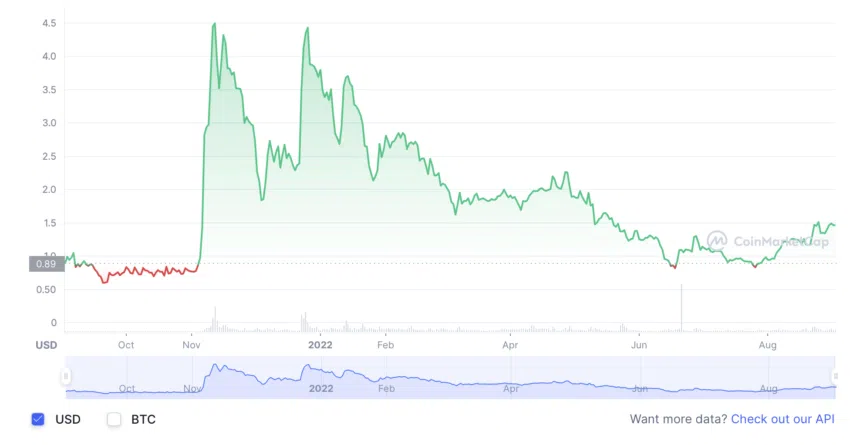
Скандально известный блогер, рэпер и шоумен Алишер Моргенштерн был неоднократно замечен в рекламе криптопроектов, и чаще всего очень сомнительных. Еще в прошлом году он открыто заявлял о своем намерении создать NFT-платформу KAIF и продавать там невзаимозаменяемые токены других селебрити. Затем Моргенштерн решил стать держателем токенов TON, потратив на эту покупку 10 млн рублей. Новость о покупке токенов он разместил в своем Instagram 12 января, что стало причиной серьезного пампа — цена Toncoin пошла вверх, но долго удержаться на отметке в $3.6 не смогла.

Динамика цены Toncoin

Также Алишер был замечен в продвижении проекта AMAZY — аналога популярного STEPN. Многие эксперты уже назвали проект пирамидой, но уверяют, что все топовые блогеры, которые занимались продвижением компании, неплохо заработали. В общем, Моргенштерн с криптовалютой расставаться точно не собирается, а значит, ждем новых ярких рекламных кампаний от шоумена.

Гусейн Гасанов

Еще один популярный блогер и с некоторого времени «инфоцыган» был замечен в рекламе проекта AMAZY. В своих социальных сетях Гусейн рассказывал о возможностях заработка на виртуальных кроссовках и призывал пользователей следовать своему примеру. Издание Super.ru приводит цитату блогера-анонима, который также участвовал в раскрутке пирамидального проекта.

«Сначала по самой низкой цене отдавали (токены AZY — ред.) топовым звездам. Знаю, что вкладывались Моргенштерн, Дилара, Клава Кока, Гусейн Гасанов и другие. На втором этапе продаж за более высокую цену токены продавали блогерам поменьше. И уже в последнюю очередь продажи открыли для всех», — сказал он.

Ричард Шарп

А вот глава ВВС Ричард Шарп, наоборот, решил поддержать российский блокчейн-проект и инвестировал в платформу Atomyze через офшорную компанию ABCP GP на Каймановых островах. Напомним, что разработка принадлежит российскому бизнесмену Владимиру Потанину. На платформе был выпущен первый токен, обеспеченный никелем. Разработчики планируют оцифровать другие продукты компании «Норникель» и продавать их в виде токенов на международном рынке.

Также инвертированием в криптовалюты в свое время занимались такие селебрити, как Ольга Бузова, Баста, Константин Хабенский, Федор Бондарчук и многие другие.

Карина Крупенченкова для BeInCrypto.
Пов'язані матеріали

DRAM ETF Issuer: Samsung, SK Hynix, Micron All Surpass $1 Trillion, the AI Era of Memory Chips Has Only Just Begun

Authors: Dave Mazza, Thomas DiFazio | Source: Deep Tide TechFlow The article, written by Roundhill Investments (issuer of the DRAM ETF), responds to Morningstar's caution about investing in memory chip stocks. Morningstar warns of the sector's history of boom-bust cycles, a lack of economic moats, and potential momentum-driven overvaluation. Roundhill argues the current situation is structurally different due to AI. Key points in Roundhill's rebuttal include: * **Changed Demand & Supply Dynamics:** AI infrastructure, not consumer electronics, is now the primary growth driver for memory demand. New, strict long-term supply agreements with hyperscalers reflect the high capital intensity of advanced manufacturing. * **Existence of a Moat:** High-Bandwidth Memory (HBM), essential for AI, has extremely high manufacturing barriers. The market is dominated by Samsung, SK Hynix, and Micron, with new entrants blocked by technological complexity and long lead times for equipment like ASML's EUV machines. * **Strong Fundamental Outlook:** Analyst consensus projects the three companies will rank among the world's most profitable by 2027, with combined profits of $704 billion on over $1 trillion in revenue. Their operating margins have already reached record highs. * **Valuation Re-rating:** Despite significant stock price gains, memory stocks trade at attractive valuations (e.g., a median NTM P/E of 8.37x for the DRAM ETF) relative to projected explosive EPS growth. Roundhill suggests historical valuation frameworks may no longer apply given the new profitability paradigm. Conclusion: Roundhill contends the rally is justified by fundamentals, marking a structural shift for the memory industry into a new era of sustained, AI-driven demand against constrained supply, rather than a repeat of past cycles.

marsbit53 хв тому

DRAM ETF Issuer: Samsung, SK Hynix, Micron All Surpass $1 Trillion, the AI Era of Memory Chips Has Only Just Begun

marsbit53 хв тому

EF's Epic Reorganization: 20% Layoffs, Budget Halved, Is Ethereum Gearing Up for a Leaner Future?

The Ethereum Foundation (EF) has announced a major organizational restructuring, involving a 20% staff reduction (approx. 54 employees) and a division into functional clusters like Protocol, Access, User, Community, and Institutional layers. Co-founder Vitalik Buterin further revealed plans to cut the EF's budget by around 40% over the coming years, aiming to reduce its annual spending rate from about 15% to roughly 5% by 2030, transitioning to an endowment-driven model. This overhaul is seen as a long-overdue correction to the EF's ambiguous role. As Ethereum grew, the foundation faced persistent criticism over ETH sales, perceived lack of execution, and unclear strategy, often becoming a focal point for community frustration amid ETH's price stagnation. The reform aims to redefine the EF's boundaries, narrowing its focus to core protocol research, public goods funding, and ecosystem coordination, while offloading more applied development work to the broader market. Concurrently, ecosystem forces like the newly formed Ethlabs (founded by ex-EF researchers) and other independent groups are stepping in to fill the space, signaling a shift from a centralized model to a more distributed, collaborative ecosystem structure. The move was notably praised by Solana co-founder toly, who viewed a "leaner" EF as potentially more decisive and agile.

Odaily星球日报1 год тому

EF's Epic Reorganization: 20% Layoffs, Budget Halved, Is Ethereum Gearing Up for a Leaner Future?

Odaily星球日报1 год тому

Торгівля

Спот
Ф'ючерси
活动图片