Frequent Trading Halts in the Korean Stock Market: Is a Global Financial Crisis Really Coming?

marsbitОпубліковано о 2026-07-29Востаннє оновлено о 2026-07-29

Анотація

**Title: Frequent Circuit Breakers in South Korean Stock Market: Is a Global Financial Crisis Imminent?** This article examines the recent spate of trading halts in South Korea's stock market as a potential early warning sign for broader global financial instability. The author argues that due to its highly open and liquid capital markets with significant foreign ownership, South Korea often acts as the world's "spare cash pool." International institutions tend to sell their highly liquid Korean holdings first during global liquidity crunches to raise capital for domestic needs, irrespective of Korea's own economic fundamentals. Historically, Korean market stress preceded major crises like the 1997 Asian Financial Crisis, the 2000 Dot-com crash, the 2008 Global Financial Crisis, and the 2020 pandemic crash. The current trigger involves a semiconductor bubble and high domestic leverage, but the core issue is global capital withdrawal signaling tightening liquidity. Whether this evolves into a full-blown crisis hinges on the US Federal Reserve. If the Fed can and will intervene with supportive policies (like rate cuts), a crisis might be averted as in 2020. If not, contagion could spread. For individual investors, the key takeaway is not predicting the crisis but preparing for volatility. Recommendations include: avoiding high leverage, maintaining a significant cash reserve (e.g., 40%) for buying opportunities during market declines, and holding core long-term positions (e...

Author: SOL, The Perplexed

Is a Global Financial Crisis on the Horizon? It Sure Looks Like It!

1/ The storage market continues to crash, and the Korean stock market keeps hitting circuit breakers. Many see it as a joke, attributing it to excessive local leverage. But if you review the history of global financial crises over the past thirty years, you'll notice a pattern: in every major crisis, South Korea is always the first to fall.

2/ During the 2020 pandemic-induced market crash, the South Korean KOSPI had already dropped 35% three weeks before the four circuit breakers in the US stock market.

Two months before the Lehman Brothers collapse in 2008, South Korea was already experiencing a dollar shortage.

Before the Nasdaq crash in 2000, Samsung and SK Hynix revised their forecasts downward, signaling the peak of the Korean semiconductor industry. In the 1997 Asian financial crisis, South Korea was the first core economy to be breached.

3/ This is no coincidence. South Korea's capital market is almost completely open, with foreign ownership consistently exceeding 30%. Companies like Samsung and SK Hynix are among the world's most liquid assets. Funds flow freely, with ample buying support, allowing for quick execution of large sell orders.

4/ Therefore, South Korea has become a "backup cash pool" for global capital. European and American institutions usually seek returns in Korea. Once domestic liquidity tightens, margin calls loom, or debts come due, their first instinct is to sell overseas holdings and repatriate funds to fight fires at home.

5/ The priority is clear: protect the home market first, then abandon the periphery; sell liquid assets first, then tackle hard-to-sell ones. This has little to do with whether the Korean economy is strong or if its stock market is in a bubble; it's purely a capital preservation instinct.

6/ This time, the trigger in Korea is the semiconductor bubble combined with leverage. On average, every Korean has two stock trading accounts, and one out of every three trades is on margin. When foreign capital withdraws, domestic leveraged positions trigger a chain reaction of forced liquidations, leading to relentless circuit breakers. There have been 35 programmatic halts and 5 market-wide halts since the beginning of the year, already breaking the 2008 record.

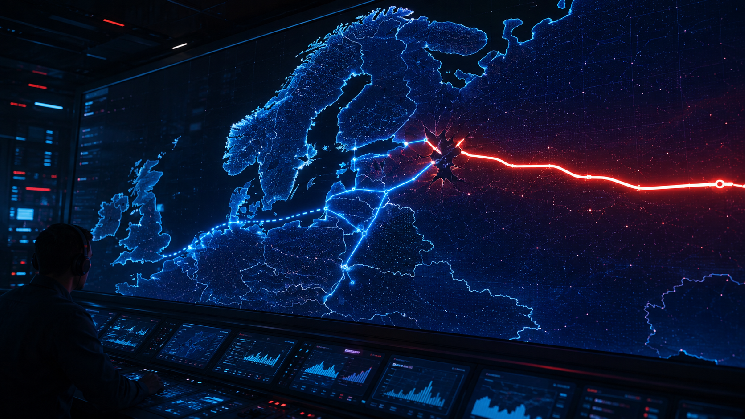
7/ But Korea's problem is not Korea's alone. It's an early warning signal of global liquidity tightening. When global capital starts withdrawing from overseas markets, Korea is the first point of bleeding, and the shockwave then spreads outward along the chain of capital and industry.

8/ In the four historical crises, the triggers were different, but the underlying logic was the same: a liquidity gap first appears in Europe and the US, capital is pulled from Korea, Korea collapses first, then the contagion spreads to the Asia-Pacific, commodities, emerging markets, and finally back to Europe and the US.

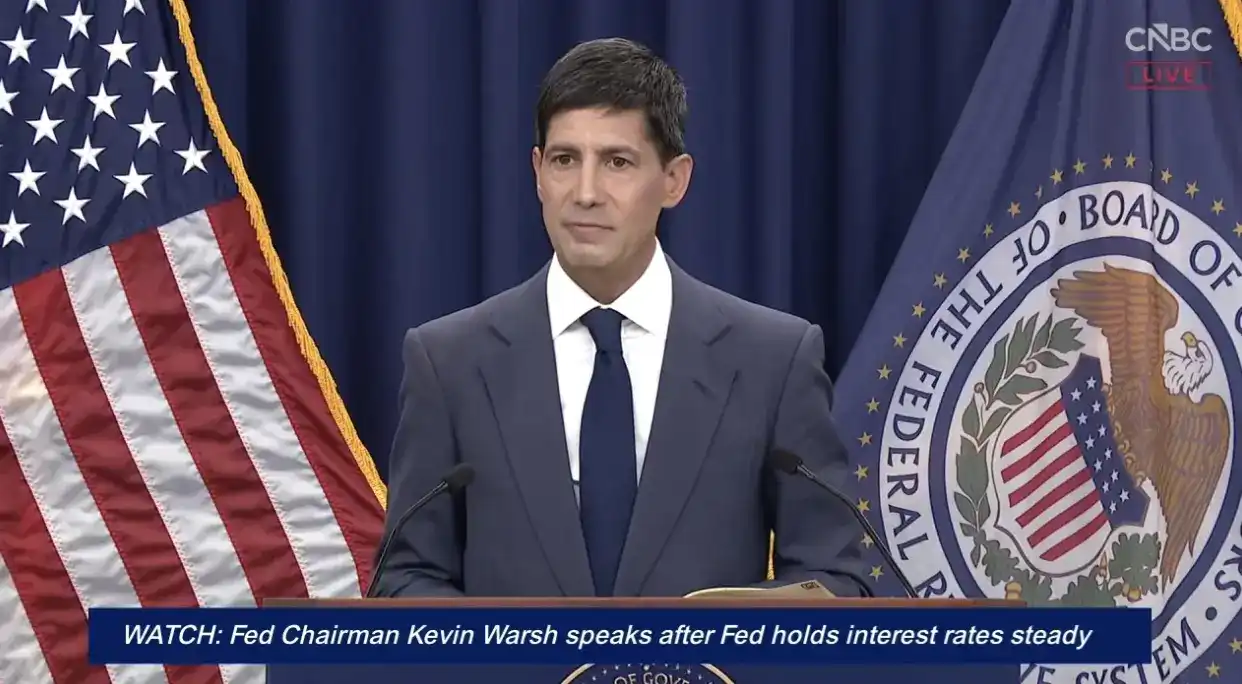
9/ Will this escalate into a global financial crisis? The key variable is not Korea, but the United States. In 2020, the Federal Reserve forcefully suppressed the crisis with unlimited easing and zero interest rates. What about this time? If the Fed can still cut rates and provide liquidity, the market might be propped up as it was in 2020. If the Fed continues raising rates or is slow to act, then the real crisis might just be beginning.

10/ So my judgment: Korea's circuit breakers are a warning, not a conclusion. Whether a financial crisis arrives depends on whether the Fed still has ammunition and is willing to use it. Both are uncertain right now.

11/ For ordinary people, the most important thing in times like these is not to predict the crisis, but to control your position. Never be fully invested, and certainly don't use leverage. Always keep a portion of your portfolio in cash, because true wealth-building opportunities often emerge during the most panicked moments.

12/ My approach: A core position of 60% is in the S&P 500 and Nasdaq 100, held long-term without trading. The remaining 40% is cash or short-term bonds, specifically for adding to positions when the indices drop 15%, 30%, or 40%. It's not about timing the bottom; it's about executing a plan.

13/ Historical data is clear: After every major crisis, the Nasdaq 100 and S&P 500 have reached new all-time highs. 1987, 2000, 2008, 2020, 2022—no exceptions. Crises are not the enemy of long-term investors; they are opportunities.

14/ So I'm not afraid of crises. What I fear is having no cash to add to positions when a crisis hits. I fear even more panicking during a crisis and selling at a loss, handing over bloodied chips to others.

15/ Korea's circuit breakers are an alarm bell, not a signal to sell everything. They remind you to check your positions, control leverage, and preserve cash. The real winners are not those who predict crises, but those who can hold their chips during a crisis and have ammunition to buy more.

So the question arises: Can you invest in the S&P 500 and Nasdaq now?

1/ Conclusion first: Yes, but not all-in. You can buy now, but not with the blind confidence of three years ago. High valuations are a fact, but high valuations don't mean the end is nigh; they only mean future returns will be compressed.

2/ The Buffett Indicator for the S&P 500 is at 236%, the Shiller CAPE is at 41x, Buffett has been a net seller for 13 consecutive quarters, and cash reserves are at an all-time high.

All these data points say the same thing: it's not cheap right now.

3/ But cheap and good investment are two different things. In 2000, the CAPE was at 44x, and the S&P 500's annualized return for the next decade was indeed negative. But in 1996, when the CAPE was 25x, people also called it expensive, and the S&P 500 proceeded to rise 80% over the next three years. Those waiting for a crash often end up missing the rally, not finding an opportunity.

4/ What do high valuations mean? They mean the likely 10-year annualized return will probably drop from 10% to 2%-5%, or even lower. But it doesn't necessarily mean a crash is imminent. The market can churn at high levels for many years, digesting valuations over time rather than through a collapse.

5/ So the question "Can I buy?" depends on your time horizon. If you plan to hold for three years, the risk-reward ratio is indeed poor now. If you plan to hold for twenty years, today's valuation is just noise at the start of your journey.

6/ Historical data is clear: Buying the S&P 500 at any point and holding for 20 years yields a median annualized return of over 7%. Even buying at the absolute peak in 2000 would have doubled your money by 2020. What you should fear is not buying at a high point, but not having any position at all.

7/ But we can't ignore risk. CPI exceeding expectations again, the Fed resuming rate hikes, disappointing AI commercialization, a consumer recession, escalating geopolitics—any of these could cause the S&P 500 to drop 20%, 30%, or 40%.

The question is, which of these can you predict? If you can't predict them, then your strategy cannot be built on "waiting for a big crash."

8/ The biggest problem with waiting for a crash is not missing it, but being too scared to buy when it finally arrives. How many people shouted about waiting for the crash in March 2020, only to sell in panic when it actually happened? Human nature is like that; don't overestimate yourself.

9/ So what to do? If you have a position, keep holding it, but don't aggressively add more. Especially if your Nasdaq exposure is too heavy, consider shifting some to the S&P 500, dividend ETFs, or short-term bonds to reduce portfolio volatility. This isn't bearishness; it's rebalancing.

10/ If you have no position, don't go all-in, but don't stay completely in cash either. Dollar-cost averaging is the least exciting but most correct strategy. Spread your purchases over 10 to 15 months, investing a fixed amount into the S&P 500 and Nasdaq 100 each month. Buy more if it falls, buy less if it rises. After all, you're investing for twenty years, not twenty days.

11/ As for the Nasdaq, be a bit more cautious. The tech industry is winner-takes-all, but the winners keep changing. A decade ago, the top ten in the Nasdaq included Intel, Cisco, and Qualcomm; they're not there now. Today you're betting on Nvidia, Microsoft, Tesla; in twenty years, it might be a different batch. The advantage of the Nasdaq 100 is its automatic reconstitution; the downside is much higher volatility than the S&P 500.

12/ So my personal allocation strategy: Core position of 60% S&P 500, 20% Nasdaq 100, and 20% cash or short-term bonds. The cash isn't for waiting for a crash; it's for waiting for opportunities. When real opportunities appear, you need money to pick up the chips.

13/ One final point: Price determines the rate of return, but time determines whether you can achieve that return. Buying great companies when they're expensive leads to mediocre short-term returns; buying great companies when they're cheap—you might never get the chance. Ordinary investors shouldn't obsess over buying at the absolute bottom; first, ensure you're always in the game.

14/ Holding cash isn't painful, but being completely out of the market is even more painful. Because you never know when to get back in. The best strategy isn't market timing; it's this: Always be in the game, always have ammunition, and never panic.

Stay strong, brothers!

Трендові криптовалюти

Пов'язані питання

QWhy does the author consider the South Korean market a warning signal for global financial crises?

AThe author identifies South Korea as a global "spare cash pool" due to its fully open capital markets and high foreign ownership (over 30%). Its highly liquid stocks like Samsung are often the first to be sold by global institutions when they face domestic liquidity pressure, making Korea a leading indicator of capital flight and global stress.

QAccording to the article, what determines whether the current situation could evolve into a full-blown global financial crisis?

AThe key determinant is the actions of the US Federal Reserve. The author states that if the Fed still has the ability and willingness to cut interest rates and provide liquidity, the crisis could be contained like in 2020. If the Fed continues tightening or hesitates to act, the real crisis could begin.

QWhat investment strategy does the author personally recommend in light of the current market warning signs?

AThe author recommends a core portfolio of 60% in broad US indices like the S&P 500 and Nasdaq 100, held long-term without panic selling. The remaining 40% should be kept as cash or short-term bonds, ready to buy during planned market dips (e.g., drops of 15%, 30%, 40%) rather than attempting to predict the bottom.

QWhat is the author's main advice for someone who currently has no investment in US indices like the S&P 500?

AThe advice is to neither go all-in nor stay completely out of the market. Instead, implement a dollar-cost averaging strategy: invest a fixed amount over 10-15 months into indices like the S&P 500 and Nasdaq 100, buying more when prices fall and less when they rise, with a long-term horizon of 20 years.

QWhat is the fundamental problem with a strategy of waiting for a major market crash before investing, according to the article?

AThe biggest problem is not necessarily missing the crash, but the human tendency to panic and sell or be too fearful to buy when the crash actually happens. The author points to March 2020 as an example where many who claimed to be waiting for a crash ended up selling instead, making a strategy based on perfect market timing ineffective.

Пов'язані матеріали

After R&D Investment Catches Up with the U.S., Is the Sino-U.S. Chip Competition Still Just About Money?

The article examines the significance of recent data showing China's total R&D expenditure, measured by purchasing power parity (PPP), catching up to or slightly surpassing that of the United States in 2024. It argues that while this milestone reflects China's immense capacity to mobilize research resources, the competition in semiconductors now extends far beyond sheer financial input. The analysis highlights key differences: China's R&D is heavily skewed towards experimental development (over 80%), focusing on product engineering and industrialization, whereas the U.S. allocates a proportionally larger share (about 15%) to basic research. Furthermore, leading U.S. semiconductor firms reinvest a significant portion of their substantial global sales revenue into R&D, creating a sustainable commercial innovation cycle that is difficult to replicate. The article emphasizes that semiconductor progress depends on converting R&D into commercially viable products that pass rigorous customer validation and achieve repeat orders, not just on spending levels. It concludes that as China enters the top tier of R&D spenders, the critical challenges shift to improving resource allocation efficiency, fostering long-term basic research, and building effective mechanisms to bridge the gap between laboratory discoveries and reliable, market-ready industrial capabilities.

marsbit40 хв тому

After R&D Investment Catches Up with the U.S., Is the Sino-U.S. Chip Competition Still Just About Money?

marsbit40 хв тому

Top 10% of American Households Capture 88% of Wealth, How Is the AI Era Cake Divided?

AI Worsens Wealth Inequality as Top 10% of US Families Garner 88% of Stock Gains (2019-2026) A report from the China Finance 40 Forum highlights that the AI boom is significantly widening wealth inequality in the United States. From 2019 to Q1 2026, wealth from directly held stocks by US households nearly doubled from $29 trillion to approximately $55 trillion, with rapid growth concentrated post-2023, coinciding with the AI-driven stock market surge. The distribution of these gains has been starkly uneven. Between 2022 and Q1 2026, the wealth increase of about $21 trillion was captured almost entirely by the wealthiest families: the top 10% secured roughly 88% ($18.5 trillion), while the bottom 50% received only about 1% ($0.2 trillion). This has contributed to a growing disparity in disposable income shares. The report, referencing economic historian Robert Allen, draws parallels to historical technological shifts like the "Engels' Pause" during the First Industrial Revolution, where worker wages stagnated despite productivity gains. It suggests AI could induce a similar period where capital收益 outpace labor income, exacerbating inequality. Huang Yiping of Peking University identifies four mechanisms through which AI impacts income distribution: capital-bias (reducing labor's income share), task polarization (hollowing out middle-skill jobs), skill-based digital divides, and wealth amplification through assets. He warns that if this trend continues, strong supply growth driven by AI could be undermined by persistently weak consumer demand, threatening sustainable economic growth. To address these challenges, the report proposes a three-pronged strategy: 1) Defensive measures like strengthening social safety nets and antitrust enforcement; 2) Empowering workers through education reform and lifelong learning to collaborate with AI; and 3) Rebalancing via policies such as potential taxes on AI超额收益 and mechanisms for broader sharing of technology's benefits, ensuring AI's红利 are more equitably distributed.

marsbit45 хв тому

Top 10% of American Households Capture 88% of Wealth, How Is the AI Era Cake Divided?

marsbit45 хв тому

Торгівля

Спот

Популярні статті

Що таке SOLANA

HarryPotterWifHatMyroWynn10Inu,$solana: Занурення у модний проект мем-койнів Вступ У постійно змінюваному світі криптовалют інноваційні проекти постійно з’являються, привертаючи уяву інвесторів та ентузіастів. Один з таких проектів – це HarryPotterWifHatMyroWynn10Inu,$solana, мем-койн, який почав займати свою нішу в криптоспільноті. Метою цієї статті є надати вам всебічний огляд проекту, пояснивши його мету, архітектуру, творця, інвесторів та значні досягнення на шляху. Що таке HarryPotterWifHatMyroWynn10Inu,$solana? Огляд HarryPotterWifHatMyroWynn10Inu,$solana – це проект мем-койну, структурований на блокчейні Solana – платформі, відомій своєю масштабованістю та швидкістю. Метою проекту є приносити радість і креативність у криптопростір, він не тільки слугує торговим токеном, а й каталітиком для генерації та поширення мем-контенту. Спільнота в його основі заохочується до активної участі, створюючи динамічну екосистему, де процвітає креативність і співпраця. Цілі та завдання Суть проекту полягає в сприянні середовищу, де ентузіасти мемів можуть збиратися, ділитися та створювати новий мем-контент. Цей наративно орієнтований підхід надає енергії спільноті, стимулюючи залученість, у той же час висвітлюючи міцні функції, притаманні блокчейну Solana. Визначаючи проект, орієнтований на спільноту, HarryPotterWifHatMyroWynn10Inu,$solana також бажає досліджувати соціальний вплив цифрових валют як засобу вираження. Хто є творцем HarryPotterWifHatMyroWynn10Inu,$solana? Ідентичність творця HarryPotterWifHatMyroWynn10Inu,$solana залишається загадкою. Проект структуровано таким чином, що право власності було відмовлено; тому він розвивається як ініціатива, що очолюється спільнотою. Ця децентралізація сприяє прозорості та демократичній участі всіх залучених сторін. Такий підхід стає дедалі популярнішим у світі мем-койнів, де активна участь спільноти є найвищою цінністю. Хто є інвесторами HarryPotterWifHatMyroWynn10Inu,$solana? На цей момент немає публічно доступної інформації про конкретних інвесторів або фонди, що підтримують HarryPotterWifHatMyroWynn10Inu,$solana. Відсутність відомих інвесторів ще більше підкреслює орієнтований на громаду дух проекту, оскільки він існує незалежно від традиційних фінансових структур. Ця незалежність дозволяє проекту розвивати свою ідентичність без зовнішнього тиску, покладаючись замість цього на колективний інтерес своєї бази користувачів. Як працює HarryPotterWifHatMyroWynn10Inu,$solana? Економічна модель Проект використовує унікальну економічну модель, що підкріплює його функціональність і залучення користувачів. Транзакції в межах HarryPotterWifHatMyroWynn10Inu,$solana призначені для того, щоб бути вигідними для всіх учасників. Кожна угода передбачає комісію, яка потім перераспреділяється серед поточних власників, одночасно підвищуючи ліквідність. Основні компоненти цієї моделі включають: Механізм відображення: Частина транзакційних зборів повертається власникам, сприяючи довгостроковим інвестиціям у токен. Придбання ліквідності: Кошти розподіляються для підвищення ліквідності, забезпечуючи, щоб угоди купівлі-продажу могли виконуватись гладко. Механізми спалювання: Частина токенів може бути спалена для створення дефіциту, потенційно підвищуючи вартість, оскільки попит зрештою зростає. Такий дизайн сприяє самодостатній екосистемі, яка процвітає завдяки взаємодіям спільноти та інвестиціям. Залучення спільноти В основі HarryPotterWifHatMyroWynn10Inu,$solana лежить цінність, дана залученню спільноти. Дозволяючи користувачам брати участь у розвитку проекту через різні активності, такі як створення мемів та промоції, проект сприяє розвитку вітальної екосистеми, де креативність може розквітати. Хронологія HarryPotterWifHatMyroWynn10Inu,$solana Шлях HarryPotterWifHatMyroWynn10Inu,$solana має кілька значущих подій, які визначили його поточну позицію в крипто спільноті: Створення: Конкретна дата створення залишається невідомою, але початок проекту корениться в культурі мемів, що пронизує цифрову епоху. Перехід до спільноти: Після відмови від права власності його творцем проект перейшов на модель, що очолюється спільнотою, що дозволяє усім учасникам мати частку в його успіху. Аудит і колекція NFT: Щоб підвищити свою довіру, проект завершив ретельний аудит, одночасно запустивши колекцію NFT, яка слугує втіленням його мемоцентричного духу. Партнерства та розробка: Проект наразі перебуває в процесі пошуку потенційних партнерств з іншими токенами та організації розробки унікального веб-сайту та мерчендайзингових опцій на основі його легендарних мемів. Ключові моменти Отже, HarryPotterWifHatMyroWynn10Inu,$solana постає як помітний гравець у секторі мем-койнів криптовалюти. Ось деякі ключові висновки: Ініціатива, що керується спільнотою: Проект процвітає як колективний зусилля, заохочуючи активні внески від його членів спільноти, при цьому відокремлюючись від претензій на власність. Інноваційна економічна модель: Використовуючи механізми відображення, придбання ліквідності та спалювання, він створює міцне та захоплююче фінансове середовище для користувачів. Залучення NFT та мерчандайзу: Запуск колекції NFT має на меті поглибити залученість у громаді, підкреслюючи зв’язок між культурою мемів і цифровою валютою. Дослідження партнерств: Ініціатива не стоїть на місці – постійна розробка та потенційні партнерства вказують на прогресивний підхід, спрямований на сталий розвиток. Висновок У міру того як HarryPotterWifHatMyroWynn10Inu,$solana продовжує здобувати популярність у світі криптовалют, його унікальне поєднання залучення спільноти, інноваційних економічних структур та інтеграції культури мемів окреслює його потенційний шлях вперед. Попри таємницю навколо його витоків та зв’язків з інвесторами, проект втілює цікаву історію, що говорить про суть децентралізованих інновацій. У світі, де криптовалюти часто розглядаються виключно з фінансової точки зору, HarryPotterWifHatMyroWynn10Inu,$solana демонструє, що крипторух включає креативність, спільноту та співпрацю. Чи ви досвідчений інвестор, чи новачок, розгортання цього проекту мем-койнів безсумнівно служить захоплюючим випадком, що заслуговує на увагу.

661 переглядів усьогоОпубліковано 2024.04.04Оновлено 2024.12.03

Що таке SOLANA

Що таке SOLANA 2.0

BarbieCrashBandicootRFK777Inu, $SOLANA 2.0: Новий гравець на крипто-ландшафті Вступ до BarbieCrashBandicootRFK777Inu, $SOLANA 2.0 У постійно змінюваному світі криптовалют нові учасники постійно привертають увагу інвесторів та ентузіастів. Серед цих нових проектів — BarbieCrashBandicootRFK777Inu, представлений криптовалютою з символом $SOLANA 2.0. Ця унікальна ініціатива поєднує елементи гламуру, пригод та культури мемів, прагнучи перевершити очікування в надзвичайно конкурентному середовищі. З амбіціями зростання та інновацій, цей проект втілює дух аутсайдера, що бореться з усталеними гігантами. Що таке BarbieCrashBandicootRFK777Inu, $SOLANA 2.0? У своїй основі BarbieCrashBandicootRFK777Inu — це криптовалютний проект, що черпає натхнення з різних культових культурних посилань. Включаючи елегантність і чарівність Барбі, динамічну енергію Crash Bandicoot та невтомну рішучість, що представлена RFK, проект прагне запропонувати багатогранний досвід у світі криптовалют. Основною метою проекту BarbieCrashBandicootRFK777Inu є об'єднання цих різноманітних елементів у єдину екосистему, що приваблює широку аудиторію. Приймаючи капризність культури мемів, залишаючись при цьому в рамках принципів децентралізації та фінансової підтримки, проект зарекомендував себе як приваблива альтернатива для як досвідчених інвесторів, так і новачків у криптовалютному світі. Хто є творцем BarbieCrashBandicootRFK777Inu, $SOLANA 2.0? Попри зростаючий інтерес до BarbieCrashBandicootRFK777Inu, інформація щодо його творця залишається в значній мірі невідомою. Анонімність засновника або команди розробників викликає питання щодо структури та управління проектом. У світі криптовалют не рідкість, коли проекти працюють без публічних творців. Ця відсутність інформації може відлякати деяких потенційних інвесторів, тоді як інші можуть сприймати це як можливість embrace духу децентралізації, що лежить в основі багатьох ініціатив у криптовалютній сфері. Хто є інвесторами BarbieCrashBandicootRFK777Inu, $SOLANA 2.0? На даний момент доступна обмежена інформація про інвестиційні фонди або організації, що підтримують BarbieCrashBandicootRFK777Inu. Відсутність детального інвестиційного фінансування проекту підкреслює незалежний характер численних криптовалют. У цьому випадку ще належить з'ясувати, чи буде фінансування проекту походити від широкої підтримки спільноти або від підтримки більших фінансових установ. Як працює BarbieCrashBandicootRFK777Inu, $SOLANA 2.0? BarbieCrashBandicootRFK777Inu розроблено з низкою характеристик, які сприяють його унікальності в переповненому крипто-просторі. Хоча конкретні технічні деталі залишаються під покриттям, проект, як очікується, інтегрує функціональність, спрямовану на покращення залученості користувачів і сприяння зростанню спільноти. Поєднання різноманітних впливів — від моди та пригод до ігор — сприяє створенню інклюзивної атмосфери, що відповідає різним інтересам. Крім того, зв’язки проекту з екосистемою $SOLANA 2.0 передбачають потенційні технологічні переваги. Це може включати інноваційні швидкості транзакцій, масштабованість та ефективність витрат, що відповідає технічним можливостям блокчейну Solana. Засновники проекту, здається, намагаються спиратися на цю технологічну основу для створення тривалого досвіду спільноти та значної пропозиції продукції. Хронологія BarbieCrashBandicootRFK777Inu, $SOLANA 2.0 Шлях BarbieCrashBandicootRFK777Inu містить кілька ключових етапів, що дають уявлення про розвиток проекту на сьогоднішній день: Концептуалізація проекту: Початкові ідеї виникли навколо об'єднання гламуру, пригод та культури мемів, що надало основу для унікальної концепції проекту. Створення токена: Символічний токен $SOLANA 2.0 був встановлений, розроблений для втілення амбіцій проекту та залучення інтересу потенційних інвесторів. Розвиток проекту: Наразі проект проходить подальший розвиток, з акцентом на виклики для великих гравців у крипто-просторі та пропонуючи інноваційні рішення. Ці етапи відображають траєкторію зростання проекту, підкреслюючи його прагнення до розробки інноваційного досвіду криптовалюти. Ключові моменти про BarbieCrashBandicootRFK777Inu, $SOLANA 2.0 Унікальна концепція: BarbieCrashBandicootRFK777Inu виділяється завдяки поєднанню елементів гламуру, пригод і культури мемів в єдиному криптовалютному проекті. Дух аутсайдера: Проект приймає образ аутсайдера, прагнучи кинути виклик усталеним криптовалютним проектам і створити нішу в індустрії. Фаза розвитку: Активні зусилля з розвитку тривають з метою надання нових та інноваційних рішень, що відповідають очікуванням спільноти та інвесторів. Висновок BarbieCrashBandicootRFK777Inu, представлений символом $SOLANA 2.0, є цікавим новим учасником на ринку криптовалют. Його унікальне поєднання культурних посилань та амбітна візія можуть відгукнутися на запити тих, хто шукає альтернативні цінності проекту в крипто-ландшафті. Хоча невідомий статус його творця та інвесторів може викликати запитання, акцент проекту на чарівності і пригодах представляє захопливу історію, що розширює межі того, що можуть втілювати криптовалюти. У процесі розвитку проекту буде цікаво спостерігати його еволюцію в більш широкій крипто-індустрії та те, як він позиціонує себе серед своїх конкурентів. Для тих, хто залучений, BarbieCrashBandicootRFK777Inu, можливо, відкриє несподівані досвіди, які перевизначать залученість до цифрових активів. Поки що, коли проект рухається вперед, його шлях є нагадуванням про те, що інновації в крипто-просторі не знають меж, пропонуючи все — від захоплення і розваг до потенціалу фінансової підтримки.

219 переглядів усьогоОпубліковано 2024.04.05Оновлено 2024.12.03

Що таке SOLANA 2.0

Як купити SOL

Ласкаво просимо до HTX.com! Ми зробили покупку Solana (SOL) простою та зручною. Дотримуйтесь нашої покрокової інструкції, щоб розпочати свою криптовалютну подорож.Крок 1: Створіть обліковий запис на HTXВикористовуйте свою електронну пошту або номер телефону, щоб зареєструвати обліковий запис на HTX безплатно. Пройдіть безпроблемну реєстрацію й отримайте доступ до всіх функцій.ЗареєструватисьКрок 2: Перейдіть до розділу Купити крипту і виберіть спосіб оплатиКредитна/дебетова картка: використовуйте вашу картку Visa або Mastercard, щоб миттєво купити Solana (SOL).Баланс: використовуйте кошти з балансу вашого рахунку HTX для безперешкодної торгівлі.Треті особи: ми додали популярні способи оплати, такі як Google Pay та Apple Pay, щоб підвищити зручність.P2P: Торгуйте безпосередньо з іншими користувачами на HTX.Позабіржова торгівля (OTC): ми пропонуємо індивідуальні послуги та конкурентні обмінні курси для трейдерів.Крок 3: Зберігайте свої Solana (SOL)Після придбання Solana (SOL) збережіть його у своєму обліковому записі на HTX. Крім того, ви можете відправити його в інше місце за допомогою блокчейн-переказу або використовувати його для торгівлі іншими криптовалютами.Крок 4: Торгівля Solana (SOL)Легко торгуйте Solana (SOL) на спотовому ринку HTX. Просто увійдіть до свого облікового запису, виберіть торгову пару, укладайте угоди та спостерігайте за ними в режимі реального часу. Ми пропонуємо зручний досвід як для початківців, так і для досвідчених трейдерів.

1.4k переглядів усьогоОпубліковано 2024.12.12Оновлено 2026.06.02

Як купити SOL

Обговорення

Ласкаво просимо до спільноти HTX. Тут ви можете бути в курсі останніх подій розвитку платформи та отримати доступ до професійної ринкової інформації. Нижче представлені думки користувачів щодо ціни SOL (SOL).

活动图片