中东战事搅动市场,韩国股市大跌触发熔断,SK海力士跌超8%,原油上涨,黄金下跌

华尔街见闻Опубліковано о 2026-07-13Востаннє оновлено о 2026-07-13

Анотація

SK海力士的大幅回调,部分源于其美国存托凭证(ADR)上周五上市首日大涨13%后的获利回吐压力。

美军对伊朗发动新一轮打击,中东局势骤然升温,全球市场随之震荡。周一原油价格大幅走高,美国国债收益率攀升,亚洲股市承压,韩国首尔综指跌幅一度扩大至4%,SK海力士盘中跌超8%,韩国交易所启动SIDECAR机制,暂停KOSPI程序化抛盘;与此同时,黄金等贵金属普遍走弱,美元走强。

据央视新闻,美军中央司令部宣布,美东时间7月12日17时,美军开始对伊朗发动新一轮打击,目的是"继续削弱其攻击在霍尔木兹海峡自由通行船只的能力"。伊朗当地时间13日凌晨,阿巴斯港、锡里克地区等多地传出爆炸声。此前,伊朗已对美国盟友科威特、约旦、卡塔尔等国发动无人机和导弹袭击,并宣称关闭霍尔木兹海峡,但美军及海事当局表示船只仍可经南部航线通行。

此轮紧张态势恰逢市场关键节点——美国财报季即将开启,高盛与摩根大通将于周二率先公布业绩,通胀数据亦将于本周发布,市场对能源价格上涨可能进一步推升通胀的担忧明显升温。

原油大涨,市场忧虑通胀与加息前景

霍尔木兹海峡局势的不确定性直接推动油价走高。布伦特原油上涨逾3%,报每桶78.50美元;WTI原油期货涨幅达4.2%,报每桶74.40美元,为近期最大单日涨幅之一。
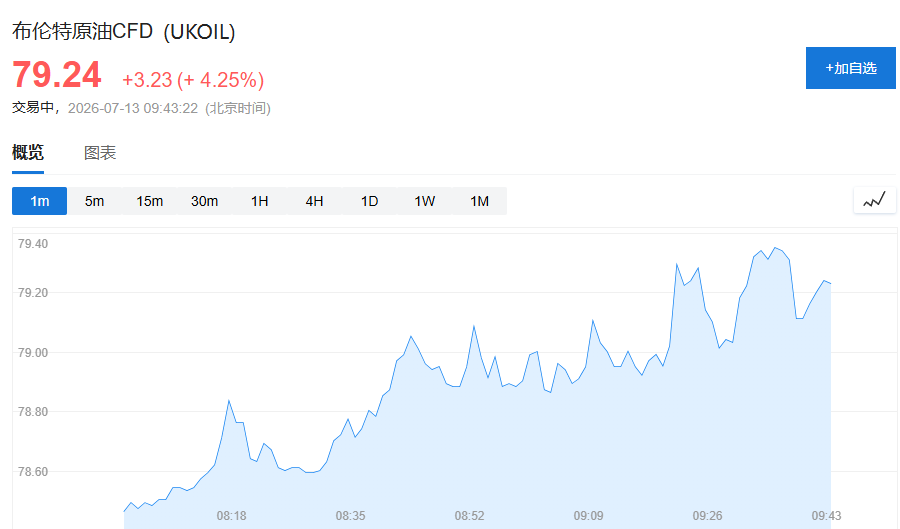
油价飙升重燃市场对通胀的担忧。此前一周,油价已录得5月中旬以来最大单周涨幅。交易员随之大幅押注美联储进一步收紧货币政策——利率互换市场目前定价美联储12月前累计加息近40个基点,较6月初的约15个基点显著上升。

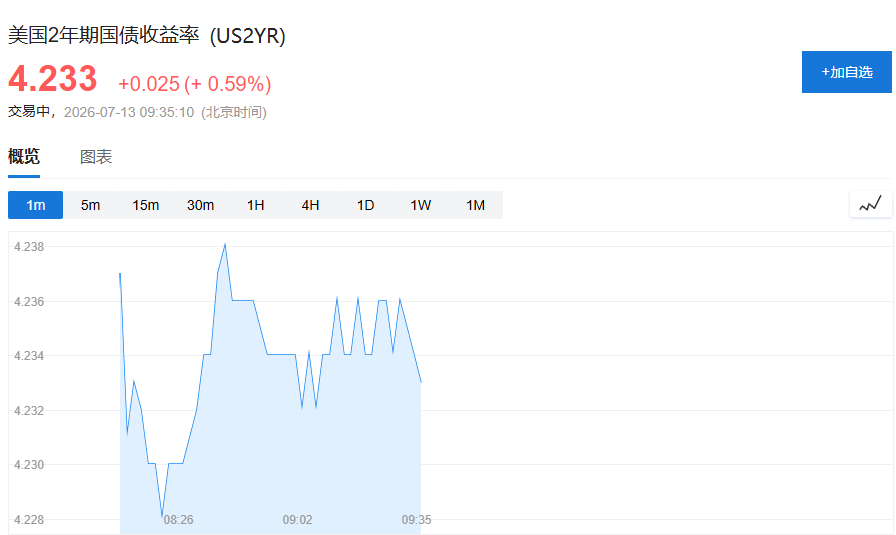
美国国债市场同步承压。对利率敏感的2年期美债收益率上涨3个基点至4.23%,创2025年2月以来新高;10年期美债收益率亦上行3个基点至4.59%。澳大利亚和日本国债收益率同步走高。彭博策略师Mark Cranfield指出,若油价维持强势,美债将面临进一步下跌压力,油价-债券-美元的联动效应短期内将持续演绎。
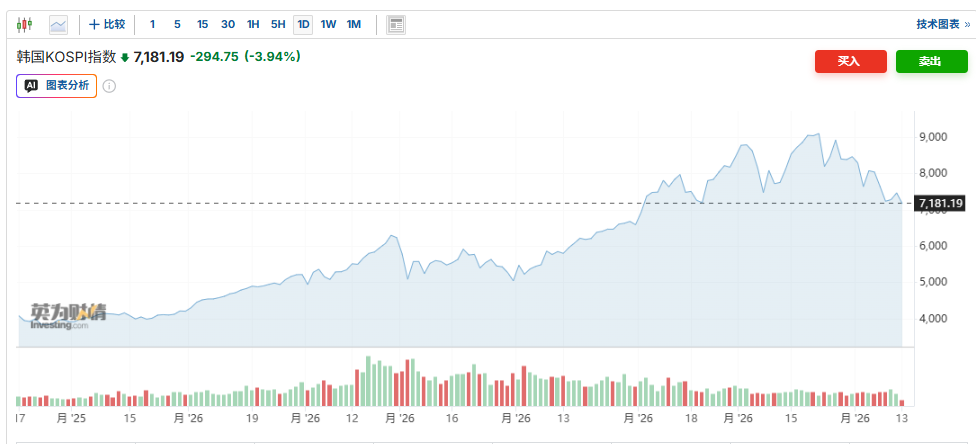
SK海力士领跌,韩国股市重挫,韩国交易所启动SIDECAR机制

韩国市场首当其冲。首尔综指低开0.9%后跌幅持续扩大,日内最大跌幅达4%。SK海力士盘中一度下跌8.2%。随后,韩国交易所启动SIDECAR机制,暂停KOSPI程序化抛盘。
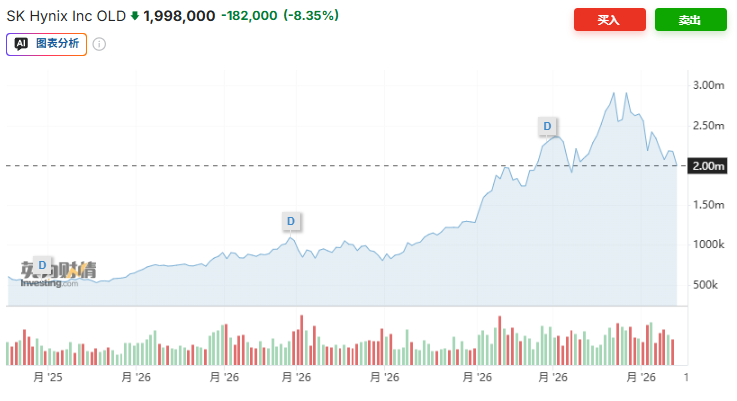
SK海力士的大幅回调,部分源于其美国存托凭证(ADR)上周五上市首日大涨13%后的获利回吐压力。Korea Investment & Securities预测,SK海力士第二季度营业利润可能比市场预期低8%,原因在于该公司来自高带宽内存(HBM)的收入占比高于同行,限制了平均售价的上涨空间。该机构认为,纽约市场的上涨动能已被充分消化,该股可能面临大量获利回吐和套利平仓,并以长上影线形态收盘。
日经225指数低开0.1%,跌幅随后扩大至1%。Tokai Tokyo Intelligence Lab首席全球策略师Shoji Hirakawa表示,"美伊之间的攻击行动若再度升级,可能成为市场的负面催化剂。在地缘政治风险上升时期,投资者倾向于青睐盈利能力强的板块,这意味着半导体股可能相对保持韧性。"

黄金走弱,美元走强

与原油走势相反,贵金属普遍承压。现货黄金下跌1.1%,报每盎司4073美元;白银下跌1.8%,报每盎司58.82美元;铂金与钯金亦同步走弱。
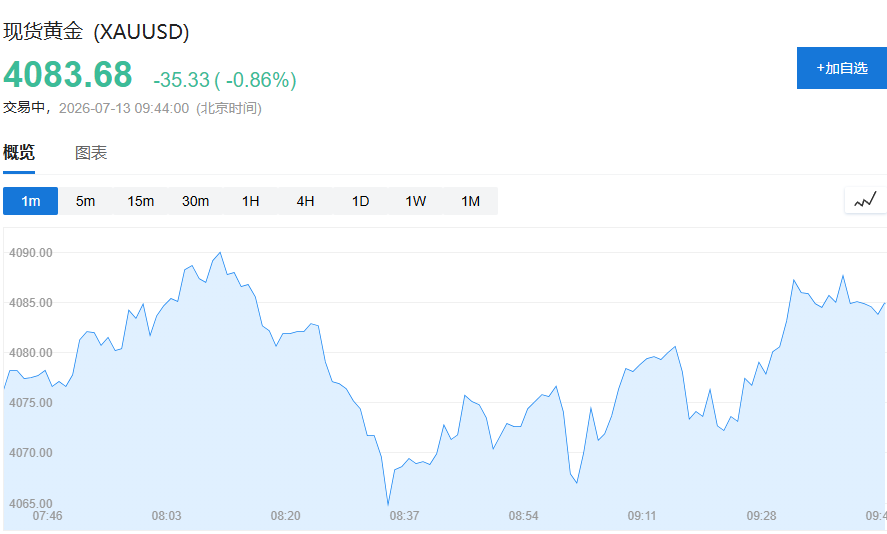
值得关注的是,黄金自今年2月底伊朗战争爆发以来已累计下跌超过五分之一,终结了一轮持续三年的牛市行情。大规模获利了结浪潮一度将金价压至4000美元下方,为去年11月以来首次。油价上涨推升通胀预期、进而强化加息预期,是此轮黄金承压的核心逻辑。

美元则全面走强,彭博美元即期指数上涨0.2%,欧元下跌0.2%至1.1397美元,日元下跌0.2%至162.00兑1美元。比特币一度下跌后收复部分失地,交投于约64175美元附近。

本周关注:通胀数据、财报季与央行动向

市场本周面临多重考验。美国通胀数据将于近日公布,能源价格的持续上涨能否进一步推升CPI,将是关键观察点。美联储主席Kevin Warsh亦将首次出席国会听证,这是其就任以来首次公开表态,市场将密切关注其对利率前景的最新表述。

财报季方面,高盛与摩根大通将于周二率先披露业绩,这将是检验企业盈利能否支撑人工智能乐观情绪所推动的市场涨势的首次重大测试。亚洲市场则将聚焦中国第二季度经济增长数据,以及韩国央行的利率决议,以评估内需疲软对经济的拖累程度。


Пов'язані матеріали

The Success of Robinhood Chain Proves Ethereum Is Not Dead

The article argues that Robinhood's decision to build its own dedicated blockchain, Robinhood Chain, as an Ethereum Layer 2 (L2) using Arbitrum technology is a powerful endorsement of Ethereum's L1+L2 model, not a rejection of it. This move reflects a broader shift in the crypto industry from projects focused on token monetization to real-world businesses building cash-generating operations. Historically, many crypto projects chose infrastructure to support token sales and speculative value. In contrast, businesses like Robinhood and Coinbase (with Base) choose infrastructure based on commercial needs: security, liquidity, customer reach, and control. Ethereum's model provides a trusted, neutral, and liquid global settlement layer (L1) coupled with customizable, high-performance execution environments (L2s). This allows companies to maintain control and specialization without the cost and risk of building an independent L1 from scratch. The author contends that as more traditional enterprises enter the space to build sustainable businesses, they will rationally select Ethereum's L1 for maximum security and liquidity and its L2s for scalability and customization. This trend strengthens Ethereum's network effects and the utility of ETH as the native gas and asset within this expanding ecosystem. Robinhood's choice is thus seen as a landmark example of pragmatic business strategy aligning with Ethereum's architectural strengths.

marsbit37 хв тому

The Success of Robinhood Chain Proves Ethereum Is Not Dead

marsbit37 хв тому

South Korean Broker's 'Below-Expectations' Forecast Triggers 12% Plunge in SK Hynix, Putting Pressure on Entire Storage Sector

South Korean brokerage KIS released a forecast for SK Hynix's Q2 2026 earnings, predicting operating profit of 60.4 trillion won, up 556% year-over-year. However, this figure was about 8% below the market consensus of 65 trillion won. The shortfall was attributed to SK Hynix's high proportion of HBM (High Bandwidth Memory) revenue. HBM is typically sold under long-term agreements (LTAs) with fixed prices, which limited the company's average selling price (ASP) growth compared to the soaring spot market prices for standard DRAM and NAND. KIS emphasized this was a methodological adjustment to include LTA pricing, not a fundamental deterioration, and maintained its buy rating and 3.8 million won target price. Nevertheless, the report triggered a sharp market sell-off. SK Hynix's stock plunged over 12%, falling below 2 million won and extending its pullback from recent highs. The sell-off spread to related assets: leveraged ETFs tracking SK Hynix and Samsung Electronics fell sharply in Hong Kong, and A-share memory stocks also declined. Analysts note the incident highlights market sensitivity to earnings misses versus high expectations. However, KIS argues the long-term investment thesis remains intact, with the industry shift toward LTAs potentially leading to more stable, sustained profitability rather than volatile quarter-to-quarter ASP gains.

链捕手44 хв тому

South Korean Broker's 'Below-Expectations' Forecast Triggers 12% Plunge in SK Hynix, Putting Pressure on Entire Storage Sector

链捕手44 хв тому

Is the MicroStrategy Model Failing? Imitator Holding 30,000 Bitcoins Sees Pre-IPO Investors Backing Out

"The 'Bitcoin Treasury' model is facing a critical test. BSTR Holdings, a company founded by Adam Back and holding 30,021 Bitcoin, has called off its planned merger with SPAC Cantor Equity Partners I. The deal, which would have taken it public, fell apart as the attached private investment (PIPE) financing collapsed. This failure highlights a core vulnerability of the 'Bitcoin accumulation company' strategy popularized by MicroStrategy. The model relies on a key metric: mNAV, or the premium of a company's stock market value over the value of its Bitcoin holdings. This premium fuels a cycle where companies issue shares at a premium, use the cash to buy more Bitcoin, and theoretically increase the Bitcoin per share for investors. However, with Bitcoin's price down roughly 49% from its late-2024 peak, this premium has evaporated across the sector. Companies like American Bitcoin and Metaplanet are also under severe pressure. For BSTR, the lack of premium meant investors were unwilling to fund the original deal structure at the proposed terms. The companies are now renegotiating. The next SEC filing detailing any new agreement will be a crucial indicator. It will show if the model can be repriced for a low-premium environment by preserving Bitcoin holdings and investor commitments, or if it requires significantly diluting shareholders and scaling back ambitions. The outcome is a public stress test for the entire 'Bitcoin treasury' investment thesis."

marsbit1 год тому

Is the MicroStrategy Model Failing? Imitator Holding 30,000 Bitcoins Sees Pre-IPO Investors Backing Out

marsbit1 год тому

Want Another Bull Market? Bitcoin Needs Trillions in Fresh Capital Inflow

Title: Want Another Bull Run? Bitcoin Needs Trillions in New Capital Bitcoin has fallen 50% from its October 2025 high of $126k, now trading near $63,000. Recent on-chain reports reveal structural differences in this downturn compared to past cycles, extending beyond simple price charts. A key issue is declining capital efficiency. CryptoQuant analysis shows the capital required for price appreciation has surged dramatically. In 2011, $27 billion in net inflows drove a 55,436% gain. From 2018-2021, $36.5 billion fueled a ~2000% rise. This cycle, $69.7 billion in realized cap growth has yielded only a 689% increase. Today, an estimated $101 billion is needed to double the price, versus just $5 million in 2011. The report concludes that triggering a major bull run now likely requires over $1 trillion in new institutional capital, positioning Bitcoin as a core global asset class rather than relying on retail ETF flows. Meanwhile, supply is tightening. K33 Research notes long-term holder supply has hit a record 79% of circulating coins. Dormant bitcoin moving after 2+ years is at its lowest since 2012. Alphractal data confirms this trend, with ~830k BTC recently moving to long-term storage. This scarcity of tradable supply can amplify price moves from any new buying pressure but doesn't guarantee capital inflow. Profitability metrics signal a potential bottom. CryptoQuant's Net Realized Profit/Loss ratio has dropped to -0.35, a 43-month low matching levels seen during the 2022 FTX crash. Historically, such extremes preceded major bull markets in 2015 and 2019. The current price is only 16% above the network's realized price; historically, this has led to average gains of 41% in six months and 81% in one year. Bitcoin is testing key support near $60,000, with analysts noting a potential W-bottom pattern forming. Macro headwinds persist. U.S. spot Bitcoin ETFs saw record monthly outflows of over $4.5 billion in June. Uncertainty around Federal Reserve policy under a potential new chair and mixed economic data add pressure. While European institutional infrastructure is slowly developing (e.g., German banks offering BTC services), this is a demand factor, not an immediate liquidity catalyst. In summary, the market shows signs of bottoming: sell-side pressure is largely exhausted, supply is scarce, and metrics are at historical extremes. However, for a significant bull run akin to past cycles, unprecedented institutional capital—likely exceeding $1 trillion—is required to overcome the new reality of drastically lower capital efficiency. The decisive variable of massive new institutional inflows remains absent.

Foresight News1 год тому

Want Another Bull Market? Bitcoin Needs Trillions in Fresh Capital Inflow

Foresight News1 год тому

Торгівля

Спот
活动图片