美伊冲突重燃,油价走势受牵,海湾原油出口前景堪忧

投研日志Опубліковано о 2026-07-09Востаннє оновлено о 2026-07-09

Анотація

市场目前密切关注美伊冲突的后续进展、霍尔木兹海峡的航运状况,以及中东原油出口是否出现进一步中断的迹象。

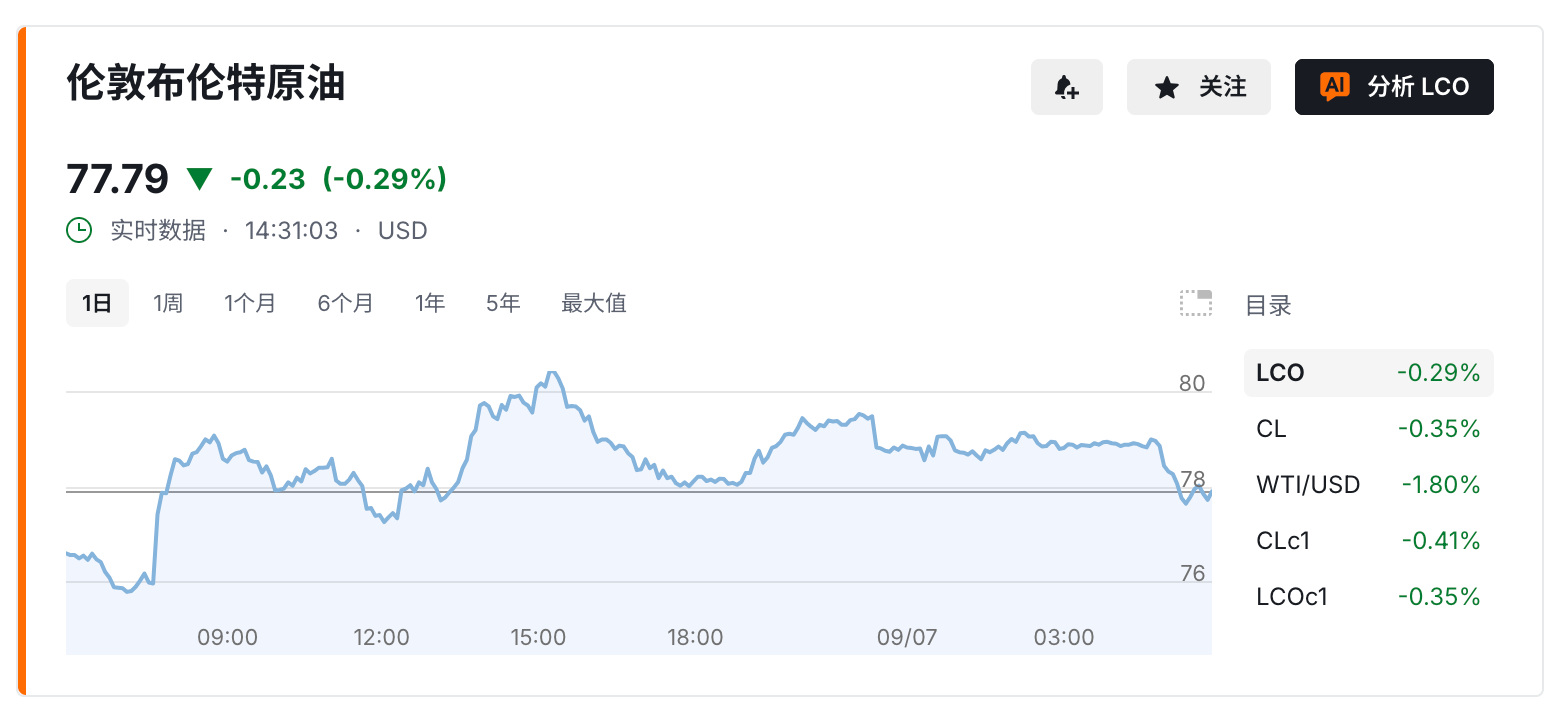
周四,国际油价继续走高,但涨幅较前一交易日的大幅飙升有所收窄。投资者持续评估美伊冲突再度升级、伊朗威胁封锁霍尔木兹海峡所带来的供应中断风险。

美国东部时间上午1:45(北京时间13:45),Crude Oil WTI 期货上涨0.57%,报每桶$73.94;Brent 原油期货上涨0.64%,报每桶$78.52。

尽管油价从周三高点有所回落,但仍稳守本周早些时候的水平之上。此前,布伦特原油和WTI原油在上一交易日均大涨逾8%——彼时,美国总统唐纳德·特朗普宣布美伊停火协议实际上已告终结,下令对伊朗目标实施新一轮空袭,并警告将采取进一步军事行动,促使德黑兰随即威胁将封锁霍尔木兹海峡。
冲突重燃威胁海湾供应复苏

目前,海湾地区原油出口尚未出现重大中断,但近日霍尔木兹海峡附近多艘商业船只遭到袭击,部分油轮运营商已推迟或改变途经该战略水道的航线,市场交易员因此保持高度警惕。美国主导的联合海事信息中心持续将商业航运面临的威胁等级定为"严峻",凸显出外界对局势进一步升级、冲击全球重要原油运输通道的深切担忧。

美国主导的联合海事信息中心随后将霍尔木兹海峡的航运威胁等级上调至"严峻",国际海事组织也呼吁过往船只在通过该航线时保持极度谨慎。在此背景下,华盛顿对伊朗目标发动新一轮空袭,声称此举旨在削弱德黑兰威胁商业航运的能力;伊朗则警告将对美国军事资产予以反击,并再度重申对霍尔木兹海峡航行自由的威胁。

冲突的再度爆发令海湾原油出口的近期复苏前景蒙上阴影。上月停火协议达成后,途经霍尔木兹海峡的油轮流量已逐步回升,但交易员现在担忧,若商业船只持续遭受攻击,这一复苏势头将受阻,波斯湾原油外输再度面临威胁。

分析师警告:地缘政治溢价正在重建

澳新银行(ANZ)表示,最新一轮局势升级已使原油价格重新纳入地缘政治风险溢价,并警告称,若美伊之间的临时谅解彻底破裂,海湾原油出口的复苏进程将面临中断风险。该行指出,本周袭击事件发生前,油轮流量已呈现改善态势,但当前安全形势的恶化可能令这一正常化进程再度放缓。

澳新银行还指出,精炼燃料市场的供应趋紧态势日益明显——俄罗斯将柴油出口限制延长至7月,与此同时,美国政府数据显示馏分油和汽油库存再度出现较大幅度下降,燃料出口亦创历史新高。尽管上周商业原油库存有所增加,但战略石油储备的额外释放以及燃料库存的持续收紧,均表明下游需求依然强劲。

市场目前密切关注美伊冲突的后续进展、霍尔木兹海峡的航运状况,以及中东原油出口是否出现进一步中断的迹象。
Пов'язані матеріали

Are the Frantic Acquisitions of Crypto Companies by Giants Good or Bad?

In a bear market, giants are actively acquiring crypto companies. Recent months have seen at least five major deals: Samsung Securities bought a 2% stake in Upbit operator Dunamu; Robinhood acquired WonderFi for $180 million to enter the Canadian market; Figure purchased Kiavi for $717 million to expand into on-chain real estate credit; Franklin Templeton bought 250Digital to launch Franklin Crypto; and Blockworks acquired data platform Messari at a steep discount—over 90% less than its 2022 $300 million valuation. These moves highlight a strategic shift. Cash-rich giants are consolidating resources at low cost, targeting companies with established compliance frameworks to navigate tightening global regulations. Acquisitions like WonderFi and the Upbit stake provide immediate market access and licensed user bases. Figure's deal signals real-world asset (RWA) tokenization moving from concept to large-scale implementation, with Kiavi's $7+ billion annual transaction volume being integrated into on-chain capital markets. Franklin Crypto's launch targets institutional investors like pension funds, offering them tailored, compliant crypto strategies. For these strategic players, bear markets present an ideal entry point: valuations are depressed, speculative noise is minimized, and they can acquire robust technology and compliance infrastructure at a fraction of the cost. This acquisition wave marks a transitional phase for crypto—from a wild frontier toward an institutional, regulated financial system. Giants are positioning themselves to capture future growth when macroeconomic conditions and liquidity improve, leaving latecomers behind.

marsbit59 хв тому

Are the Frantic Acquisitions of Crypto Companies by Giants Good or Bad?

marsbit59 хв тому

In the MiCA Era, Europe's New Cryptography Landscape: Why is Germany Taking Center Stage?

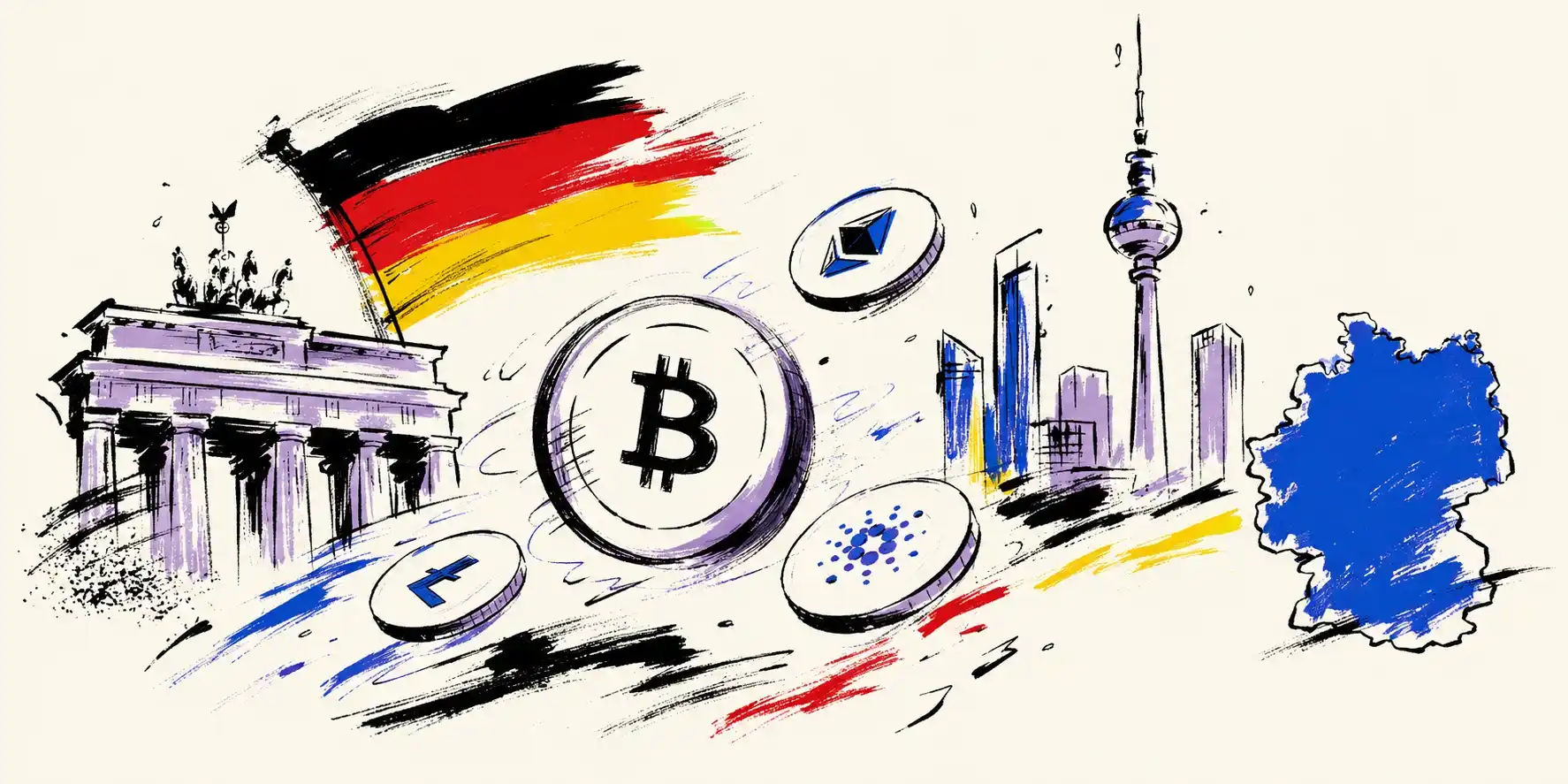
With MiCA's transitional arrangements concluding, Europe's crypto industry has undergone a regulatory consolidation. Post-MiCA, platforms must secure CASP authorization to operate compliantly within the EU. As of July 1st, only about 12% of crypto firms have received authorization, with Germany emerging as a key player, holding 57 authorizations (roughly 23% of the EU total). This positions Germany as a primary compliance gateway to the EU's unified market. Germany's advantage stems from its established, function-based regulatory framework, which integrated crypto activities into existing banking, securities, and payment systems pre-MiCA. This allowed a smoother transition and attracted both domestic platforms (like Bitcoin.de, BISON) and international ones (like Coinbase Germany). A distinctive trend is German banks becoming direct retail entry points for crypto services. Examples include DZ Bank integrating "meinKrypto" into its VR Banking App and the Sparkassen savings bank network planning to offer crypto trading via DekaBank. This mainstreams crypto access for ordinary users. Beyond trading, Germany is evolving into a digital asset infrastructure hub. Deutsche Börse Group's Clearstream is developing a next-generation platform for issuing, settling, and servicing both traditional and tokenized securities. Furthermore, German banks like DekaBank and DZ Bank are key participants in the Qivalis project, a European initiative for a regulated euro stablecoin, positioning Germany at the intersection of critical future capabilities like custody, settlement, and cross-border services.

marsbit1 год тому

In the MiCA Era, Europe's New Cryptography Landscape: Why is Germany Taking Center Stage?

marsbit1 год тому

Торгівля

Спот
活动图片