XRP, HBAR và Litecoin: Chuyên gia nổi bật các đồng tiền cần theo dõi vào năm 2026

bitcoinistОпубліковано о 2026-01-27Востаннє оновлено о 2026-01-27

Анотація

Một nhà phân tích tài chính nổi tiếng trên X (trước đây là Twitter) với biệt danh X Finance Bull gần đây đã chỉ ra XRP, HBAR và Litecoin là những đồng tiền mã hóa hàng đầu cần theo dõi vào năm 2026. Lý do cho sự lạc quan này nằm ở việc XRP và Hedera (HBAR) ngày càng được định vị như cơ sở hạ tầng blockchain nền tảng cho lĩnh vực tài chính, vượt ra khỏi phạm trù tài sản đầu cơ thuần túy. Sự kiện gần đây cho thấy cả XRP Ledger và Hedera đang dẫn đầu trong lĩnh vực này. Trong khi đó, Litecoin được xếp vào nhóm tài sản tập trung vào quyền riêng tư nhờ các tính năng tùy chọn của nó, một chủ đề được kỳ vọng sẽ thu hút sự chú ý lớn hơn. Nhà phân tích cũng nhấn mạnh sức hấp dẫn của XRP Ledger đối với các tổ chức nhờ cơ cấu phí cực thấp (0.00001 XRP/giao dịch), có thể dự đoán được và tính ổn định từ năm 2012, cùng cơ chế đốt phí tạo ra yếu tố giảm phát. Sự kết hợp giữa tốc độ, chi phí thấp và độ tin cậy được cho là lý tưởng cho việc sử dụng lâu dài của các tổ chức.

Các cuộc thảo luận vẫn đang diễn ra sôi nổi về việc loại tiền mã hóa nào có thể vượt trội hơn Bitcoin khi toàn bộ ngành hướng tới những gì năm 2026 mang lại. Theo một bình luận gần đây trên X, X Finance Bull lưu ý rằng XRP, HBAR và Litecoin là một vài loại tiền mã hóa có thể vượt mặt Bitcoin.

Nhà bình luận tiền mã hóa này phản bác lại những tuyên bố rằng XRP và Hedera đã mất đi sự liên quan, thay vào đó lập luận rằng cả hai đang ngày càng được định vị là cơ sở hạ tầng blockchain nền tảng. Những điều này dựa trên các sự kiện gần đây chứng kiến cả XRP Ledger và Hedera dẫn đầu về cơ sở hạ tầng doanh nghiệp tiền mã hóa.

XRP, HBAR Và Litecoin Là Những Đồng Tiền Cần Theo Dõi Vào Năm 2026

Theo bình luận được chia sẻ bởi X Finance Bull, XRP, Hedera và Litecoin là một vài trong số các hệ sinh thái tiền mã hóa hàng đầu cần theo dõi vào năm 2026. Đáng chú ý, nhà bình luận tiền mã hóa này đã nhóm XRP và Hedera (HBAR) vào cùng một nhóm để theo dõi do sự hiện diện ngày càng tăng của chúng trong cơ sở hạ tầng tài chính. Điều này có nghĩa là hai loại tiền mã hóa này đang ngày càng rời khỏi lĩnh vực tài sản đầu cơ thuần túy và giờ đây đang được coi là những người chơi quan trọng trong đường ray tài chính.

Dựa trên điều này, các nhà đầu tư có thể kỳ vọng sự phân kỳ tăng giá so với Bitcoin vào năm 2026 khi những đồng tiền này bắt đầu có đà tăng giá theo cách riêng của chúng. Quan điểm này dựa trên triển vọng nhà đầu tư được thể hiện trong hình ảnh dưới đây, trong đó xác định cơ sở hạ tầng tài chính là một lĩnh vực trọng tâm quan trọng cho năm 2026. XRP và HBAR neo giữ cấu trúc cơ sở hạ tầng, trong khi Litecoin nằm trong danh mục tài sản riêng tư.

Các tính năng riêng tư tùy chọn của Litecoin đặt nó cùng hàng với các mạng lưới tập trung vào quyền riêng tư đã được thiết lập như Monero và Canton. Hiện tại, bạn có thể dễ dàng lập luận rằng các tài sản riêng tư hiện đang bị đánh giá thấp, đặc biệt là khi mà sự rõ ràng về mặt quy định và sự tăng trưởng của thanh toán kỹ thuật số đang thu hút sự chú ý đến bảo vệ dữ liệu. Dựa trên bối cảnh này, Litecoin là một đồng tiền hàng đầu khác để mong đợi sự phân kỳ tăng giá so với Bitcoin vào năm 2026.

Thú vị là, các nền tảng token hóa và stablecoin là những chủ đề quan trọng khác cho năm 2026. Ethereum và Solana là các mạng lưới chính cho tài sản được token hóa, trong khi các nền tảng mới hơn như Sui, Sei và Injective đang bắt đầu chứng kiến mức độ áp dụng cao hơn. Đồng thời, nguồn cung stablecoin đã tăng lên hơn 300 tỷ USD, với USDT, USDC, USDE và RLUSD mở rộng nhờ cơ sở hạ tầng thanh toán xung quanh stablecoin đang trưởng thành.

Sức Hấp Dẫn Thể Chế Của XRP Ledger

X Finance Bull đã hỗ trợ triển vọng XRP của mình trong một bài đăng riêng biệt bằng cách chỉ ra cấu trúc chi phí của XRP Ledger. Sổ cái chỉ tính phí 0.00001 XRP cho mỗi giao dịch, và điều này đặt tổng phí hàng ngày trên toàn bộ mạng lưới vào khoảng 650 XRP. Hơn nữa, Sổ cái đã duy trì mức phí thấp và có thể dự đoán được từ năm 2012, ngay cả trong những thời kỳ hoạt động cao điểm, điều này trái ngược với phí gas biến đổi của Ethereum và định giá tắc nghẽn của Bitcoin.

Tất cả các khoản phí giao dịch được tạo ra bởi Sổ cái đều bị đốt vĩnh viễn, và điều này thêm một yếu tố giảm phát vào mạng lưới. Theo nhà bình luận tiền mã hóa, sự kết hợp giữa tốc độ, chi phí thấp và độ tin cậy này là thứ làm cho cơ sở hạ tầng của nó trở thành tốt nhất cho việc sử dụng thể chế dài hạn.

XRP giao dịch ở mức $1.88 trên biểu đồ 1D | Nguồn: XRPUSDT trên Tradingview.com

Пов'язані питання

QTheo nhà bình luận X Finance Bull, những đồng tiền điện tử nào sẽ là điểm đáng chú ý vào năm 2026?

AXRP, HBAR và Litecoin là những đồng tiền điện tử hàng đầu cần theo dõi vào năm 2026.

QTại sao XRP và Hedera (HBAR) lại được xếp chung vào một nhóm để theo dõi?

AChúng được xếp chung do sự hiện diện ngày càng tăng của chúng trong cơ sở hạ tầng tài chính, dần rời khỏi lĩnh vực tài sản đầu cơ thuần túy để trở thành những nhân tố quan trọng trong các đường ray tài chính.

QLitecoin được phân loại vào danh mục nào và lý do là gì?

ALitecoin được phân loại vào danh mục tài sản riêng tư (privacy-assets) vì nó có các tính năng bảo mật tùy chọn, tương tự như các mạng lưới tập trung vào quyền riêng tư đã thành lập như Monero.

QSức hấp dẫn thể chế của XRP Ledger đến từ đâu?

ASức hấp dẫn thể chế của XRP Ledger đến từ cấu trúc chi phí cực thấp (0.00001 XRP/giao dịch), phí mạng lưới hàng ngày thấp và có thể dự đoán được, tốc độ nhanh, độ tin cậy cao và cơ chế đốt phí giao dịch tạo ra yếu tố giảm phát.

QCác chủ đề quan trọng khác nào được đề cập cho năm 2026 ngoài các đồng tiền trên?

ACác chủ đề quan trọng khác cho năm 2026 bao gồm nền tảng token hóa (với Ethereum và Solana là mạng chính), stablecoin (với nguồn cung đã vượt 300 tỷ USD) và sự trưởng thành của cơ sở hạ tầng thanh toán xung quanh stablecoin.

Пов'язані матеріали

Google TPU Shipments Revised Up by 50%

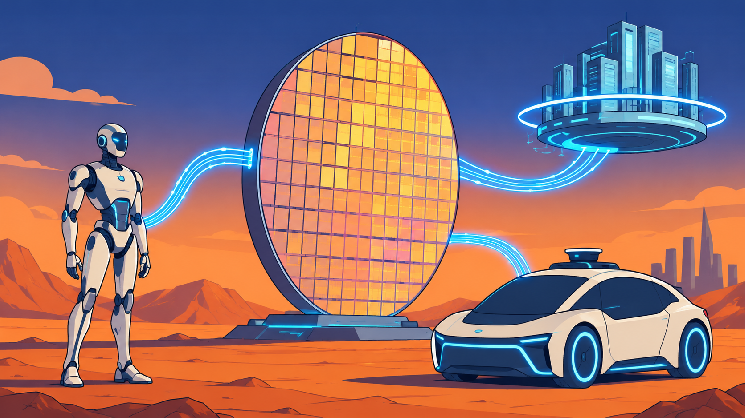
Recent industry research indicates a significant upward revision in the shipments of Google's TPU (Tensor Processing Unit) chips. Previous expectations for 2027 were set at around 10 million units, but new estimates now point to 15 million units, a 50% increase. This substantial boost directly translates to higher demand across the entire supporting supply chain. Google's TPU clusters utilize a standardized all-optical interconnect architecture. Consequently, key hardware components are deeply integrated and scaled in fixed ratios with the chips. The 15 million TPU target will drive corresponding demand increases for NPO optical engines (roughly a 1:1 match), 1.6T optical modules, OCS optical switches, high-end server power supplies, fiber optics & MPO connectors, and liquid cooling solutions. Among these, liquid cooling is highlighted as the sector experiencing the most significant transformation and offering the most stable potential for excess returns. As next-generation TPU chips reach power levels where traditional air cooling is insufficient, liquid cooling becomes essential. 2026 is forecasted as the first year of substantial adoption for Google's liquid cooling solutions. This shift, coupled with delivery and capacity bottlenecks faced by incumbent overseas manufacturers, is creating a prime window for domestic Chinese suppliers to enter and secure Google's core supply chain. The market size for Google-specific liquid cooling is projected to potentially triple from a baseline of hundreds of billions to around 300 billion units by 2028. The logic for the fiber optic sector is also being rewritten. Once considered a cyclical commodity tied to telecom operator procurement, fiber is now a strategic and scarce resource for AI Data Centers (AIDC). A severe supply-demand imbalance, driven by the long lead time for preform production (18-24 months) and surging demand from cloud giants, is supporting strong performance. Chinese fiber manufacturers are well-positioned to capture a significant share of global AIDC demand, with exports potentially reaching 200-300 million core kilometers in 2026. Overall, the investment focus within the AI computing industry is shifting from pure "chip performance speculation" towards the more certain incremental growth in computing infrastructure and its supporting ecosystem. The upward revision in Google TPU shipments, along with the potential for further doubling by 2028, is seen as solidifying performance visibility for the entire supporting supply chain over the next two years.

marsbit7 хв тому

Google TPU Shipments Revised Up by 50%

marsbit7 хв тому

What Wall Street Really Wants After the Crypto Story Recedes

The tide of speculative crypto narratives has receded, revealing Wall Street's true objective: building a controlled, yield-generating, and compliant financial pipeline on distributed ledgers. They are migrating core functions onto blockchains, not for decentralization, but for efficiency and new revenue streams. Key developments include BlackRock's BUIDL fund, a tokenized treasury fund acting as a foundational reserve asset, and the rise of Securitize, which is going public and partnering with the NYSE to build a 24/7 digital securities trading and settlement system. This signals a major shift of securities clearing to blockchain technology. To make volatile assets like Bitcoin palatable for institutional investors, firms like BlackRock and Goldman Sachs are creating "covered call" ETFs (e.g., BITA). These products systematically sell options on Bitcoin holdings, transforming price volatility into stable monthly income, effectively repackaging crypto as a yield-bearing asset. Stablecoins are being positioned not as speculative tools but as efficient payment rails. Companies like Stripe and Mastercard are integrating them for instant, low-cost merchant settlements and cross-border card payments, respectively. Critically, new legislation like the GENIUS Act shapes them as non-interest-bearing, heavily regulated extensions of the US dollar system. In summary, Wall Street is quietly constructing a parallel, blockchain-based financial infrastructure featuring tokenized traditional assets, structured crypto yields, and programmable dollar pipelines—all under its control and fully integrated with existing regulatory and credit frameworks.

marsbit24 хв тому

What Wall Street Really Wants After the Crypto Story Recedes

marsbit24 хв тому

Tying Itself to SpaceX: Cursor's $60 Billion Rise

This article recounts the rapid rise of AI-powered coding startup Cursor and its 25-year-old MIT graduate CEO, Michael Truell. Launched in 2023, Cursor achieved explosive growth, reaching over 10 billion USD in revenue by late 2025. However, its journey highlights a central dilemma for AI application companies: dependence on foundational model providers. Cursor initially relied heavily on Anthropic's models but faced an existential threat when Anthropic launched its own competing coding tool, Claude Code. In response, Cursor declared an internal emergency in early 2026 and accelerated development of its own model, Composer. To secure the immense computing power needed, Truell struck a pivotal deal with Elon Musk's SpaceX in April 2026. The collaboration grants Cursor access to SpaceX's supercomputing resources for Composer, while SpaceX's Grok model benefits from Cursor's programming data. The agreement includes a potential 600 billion USD acquisition of Cursor by SpaceX later in the year, though a substantial termination fee is in place if the deal falls through. The story explores Cursor's intense, sometimes controversial hiring practices involving lengthy unpaid "work trials," its complex partnership-turned-rivalry with Anthropic, and its high-stakes gamble to ensure independence through the SpaceX alliance. The core question remains: will Cursor evolve into a defining, independent "generational" software company, or become a key piece in a tech giant's AI arsenal?

marsbit28 хв тому

Tying Itself to SpaceX: Cursor's $60 Billion Rise

marsbit28 хв тому

Warsh's Debut: Will the FED Chair Who Knows Crypto Best Bring Surprises or Shocks to the Market?

Kevin Warsh, the new Federal Reserve Chairman, prepares for his inaugural press conference amidst a challenging macroeconomic landscape: resurgent inflation, a bond market sell-off, and political pressure from President Trump for rate cuts. Uniquely, Warsh holds indirect investments in over 20 crypto and Web3 entities (e.g., Solana, dYdX), making him the first Fed Chair with disclosed crypto exposure. His stance may combine a hawkish, inflation-focused monetary policy with a crypto-friendly regulatory philosophy that shifts from Powell’s “same risk, same rule” approach toward a framework acknowledging blockchain’s productivity value. Warsh’s leadership could impact crypto markets across three dimensions: a paradigm shift in regulation (potentially accelerating pro-innovation legislation and stable币 rules), a re-pricing of risk premiums based on clearer communication and his view of AI as a structural disinflationary force, and a long-term reallocation of global institutional capital driven by increased legitimacy. Two potential scenarios for the press conference are outlined. A “positive surprise” would involve a dovish-leaning tone on rates coupled with signals of regulatory openness, potentially boosting crypto asset valuations. Conversely, a “negative shock” would see a more hawkish-than-expected stance on inflation and rates, triggering a broad risk-asset selloff that crypto markets would not escape. While ethics rules required Warsh to divest his crypto holdings upon confirmation, his deep understanding of the technology may fundamentally lower policy uncertainty and build a more receptive long-term foundation for digital assets’ integration into the mainstream financial system.

marsbit10 год тому

Warsh's Debut: Will the FED Chair Who Knows Crypto Best Bring Surprises or Shocks to the Market?

marsbit10 год тому

Торгівля

Спот
Ф'ючерси

Популярні статті

Як купити HBAR

Ласкаво просимо до HTX.com! Ми зробили покупку Hedera Hashgraph (HBAR) простою та зручною. Дотримуйтесь нашої покрокової інструкції, щоб розпочати свою криптовалютну подорож.Крок 1: Створіть обліковий запис на HTXВикористовуйте свою електронну пошту або номер телефону, щоб зареєструвати обліковий запис на HTX безплатно. Пройдіть безпроблемну реєстрацію й отримайте доступ до всіх функцій.ЗареєструватисьКрок 2: Перейдіть до розділу Купити крипту і виберіть спосіб оплатиКредитна/дебетова картка: використовуйте вашу картку Visa або Mastercard, щоб миттєво купити Hedera Hashgraph (HBAR).Баланс: використовуйте кошти з балансу вашого рахунку HTX для безперешкодної торгівлі.Треті особи: ми додали популярні способи оплати, такі як Google Pay та Apple Pay, щоб підвищити зручність.P2P: Торгуйте безпосередньо з іншими користувачами на HTX.Позабіржова торгівля (OTC): ми пропонуємо індивідуальні послуги та конкурентні обмінні курси для трейдерів.Крок 3: Зберігайте свої Hedera Hashgraph (HBAR)Після придбання Hedera Hashgraph (HBAR) збережіть його у своєму обліковому записі на HTX. Крім того, ви можете відправити його в інше місце за допомогою блокчейн-переказу або використовувати його для торгівлі іншими криптовалютами.Крок 4: Торгівля Hedera Hashgraph (HBAR)Легко торгуйте Hedera Hashgraph (HBAR) на спотовому ринку HTX. Просто увійдіть до свого облікового запису, виберіть торгову пару, укладайте угоди та спостерігайте за ними в режимі реального часу. Ми пропонуємо зручний досвід як для початківців, так і для досвідчених трейдерів.

263 переглядів усьогоОпубліковано 2024.12.11Оновлено 2026.06.02

Як купити HBAR

Обговорення

Ласкаво просимо до спільноти HTX. Тут ви можете бути в курсі останніх подій розвитку платформи та отримати доступ до професійної ринкової інформації. Нижче представлені думки користувачів щодо ціни HBAR (HBAR).

活动图片