Атака на протокол Balancer спровоцировала кризис доверия к сектору DeFi

cryptonews.ruОпубліковано о 2025-11-26Востаннє оновлено о 2025-11-26

Исследователи BloFin заявили, что взлом Balancer v2 стал не просто очередным взломом в сфере децентрализованных финансов (DeFi). По мнению специалистов, атака стала причиной масштабного кризиса доверия. По их словам, этот случай продемонстрировал, что даже самые проверенные временем и аудированные протоколы не могут считаться по-настоящему безопасными. В условиях постоянного появления новых уязвимостей и сложных архитектурных решений, DeFi остается полем для экспериментов с высоким уровнем риска.

Balancer, один из старейших проектов децентрализованных обменников, подвергся атаке, в результате которой злоумышленники похитили крупную сумму в цифровых активах. Потери превысили $128 млн. Это стало сильным ударом по репутации DeFi как сектора, стремящегося к финансовой зрелости. В BloFin подчеркнули: инцидент разрушает иллюзию «проверке временем», показывая, что даже опытные команды и проверенные смарт-контракты не гарантируют полной защиты.

Аналитики подчеркивают, что безопасность в индустрии DeFi — это не конечная цель, а постоянный процесс адаптации к новым типам угроз. С ростом сложности протоколов и увеличением степени их взаимосвязанности повышается риск каскадных сбоев, когда ошибка в одном проекте может затронуть десятки других. Такое развитие событий подчеркивает необходимость в более системных подходах к аудиту и управлению рисками.

Особое внимание в BloFin уделили проблеме интеграции между традиционными финансами и DeFi. Без появления единых, проверяемых и признанных стандартов безопасности, которые соответствовали бы требованиям TradFi-институтов, процесс слияния этих миров останется под угрозой. Банки и фонды не смогут доверять инфраструктуре, где уязвимости выявляются уже после многолетней работы протоколов. Инцидент с Balancer произошел на фоне общего повышения аппетита к риску на финансовых рынках. За день до публикации аналитики BloFin отмечали, что индекс Nasdaq и S&P 500 обновляют исторические максимумы,

Пов'язані матеріали

A Guide to Grayscale’s ‘Bottom Fishing’: Using Cash Flow to Assess Cryptocurrency Value

**Title:** Grayscale's Guide to Bottom-Fishing: Valuing Cryptoassets Using Cash Flows **Summary:** This report by Grayscale Research presents a fundamental valuation framework for cryptocurrency assets, moving beyond pure speculation to analyze those with underlying cash flows. It distinguishes between "commodity-like" assets (e.g., Bitcoin) and "cash-flow" assets, primarily within DeFi. Using the leading decentralized lending protocol Aave as a case study, the analysis applies traditional financial methodologies like Discounted Cash Flow (DCF) and Price-to-Earnings (P/E) multiples. Key findings indicate that AAVE tokens are currently undervalued. Despite recent challenges, the protocol's strong revenue growth, ~50% net profit margin, and diversified treasury support a fundamental valuation range of $80-$100 per token (compared to a ~$75 market price at the time of writing). In a base-case scenario driven by stablecoin adoption and regulatory clarity, the fair value could rise to around $175 within a year. The report emphasizes that protocol success does not automatically translate to token value. It critically examines the "value capture" mechanisms—such as buybacks, burns, and staking rewards—that channel protocol profits to token holders. Furthermore, it addresses the legal and governance complexities of Decentralized Autonomous Organizations (DAOs), noting their difference from traditional corporate equity but highlighting how robust, transparent governance can align protocol economics with holder interests. The conclusion is that the crypto market is maturing, with capital increasingly flowing towards projects with demonstrable fundamentals, real adoption, and disciplined capital allocation, creating opportunities for value-based investors.

marsbit31 хв тому

A Guide to Grayscale’s ‘Bottom Fishing’: Using Cash Flow to Assess Cryptocurrency Value

marsbit31 хв тому

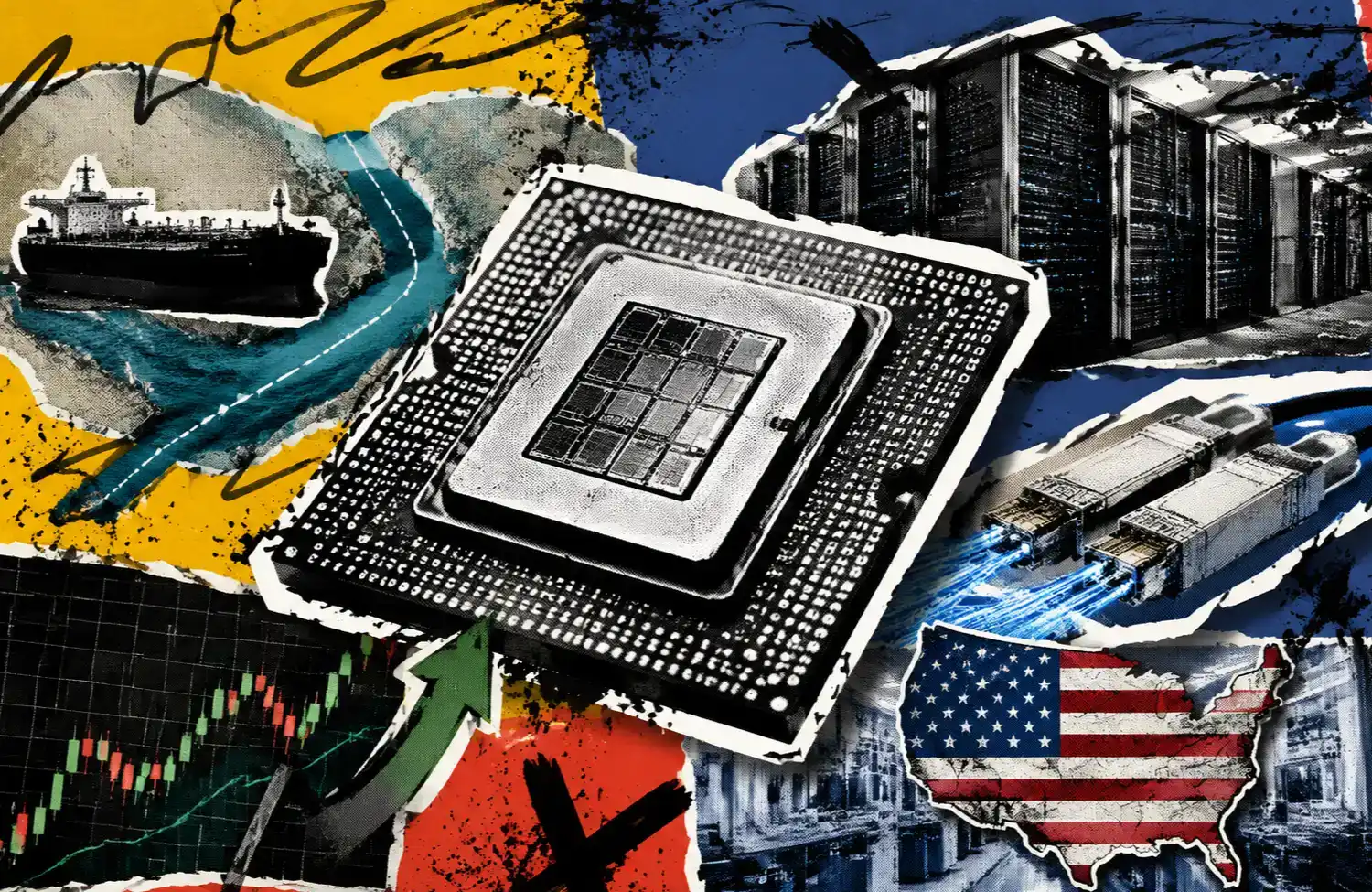
After semiconductors lead the gains, are funds buying into AI orders or a macroeconomic rebound?

After US-Iran talks led to a temporary ceasefire and framework for reopening the strategic Strait of Hormuz, U.S. stocks rose on June 18, with the Nasdaq gaining 1.9%. The semiconductor and AI hardware sectors outperformed. This rally stemmed primarily from reduced geopolitical risk, which lowered oil prices and inflation expectations, easing discount rate pressure on high-valuation growth stocks like tech. The key question is not whether tech rebounded, but the nature of the rebound. The market appears to be selectively repricing AI infrastructure plays rather than broadly chasing AI narratives. Gains were concentrated in chips, optical interconnects, memory, and domestic manufacturing—segments tied to tangible data center build-outs and capital expenditure. Intel's ~10% surge, fueled by a Trump statement about potential Apple collaboration, exemplifies this mixed dynamic. It reflects policy catalysts and domestic manufacturing sentiment more than confirmed fundamentals. Meanwhile, strong earnings from companies like Astera Labs (revenue up 93% YoY) provided concrete evidence of AI-driven demand in hardware. In essence, the rally represents a risk-premium recalibration. Lower Middle East tensions opened a valuation repair window, and capital flowed first into AI infrastructure segments with visible near-term revenue streams. The sustainability of this move hinges on upcoming Q2 earnings, specifically continued strength in cloud provider capex, AI server orders, and hardware company guidance. Policy hopes alone are insufficient; the cycle needs validation from orders and financials.

marsbit36 хв тому

After semiconductors lead the gains, are funds buying into AI orders or a macroeconomic rebound?

marsbit36 хв тому

The Entire Internet Hails Noam's Joining, But OpenAI's Loss Bill Just Got Thicker

While the AI community celebrates Noam Shazeer, co-author of the "Attention Is All You Need" paper, joining OpenAI as Head of Architectural Research, the company's audited financials reveal a starkly different reality. In 2025, OpenAI reported $13.07 billion in revenue but a massive $20.92 billion operating loss. Even excluding a one-time accounting charge, the cash burn is severe, with $3.7 billion consumed in Q1 2026 alone. This high-profile hiring occurs against a backdrop of significant internal research talent drain, with key founders and researchers departing as the company's focus shifts from exploratory research to product iteration. Meanwhile, OpenAI's fundamental business model faces a deep crisis. It paid Microsoft $10.59 billion for compute in 2025, while its vast user base of 9 billion weekly actives includes only 50 million paying customers, making growth a direct driver of escalating costs. The article argues Shazeer's recruitment is less about technical necessity and more about crafting a compelling narrative for OpenAI's upcoming IPO, aiming to justify a rumored $1 trillion valuation to future public market investors. It contrasts OpenAI's strategy with Anthropic's reported path to profitability, which relies on a strong enterprise customer base and cost control, rather than star-powered narratives. Ultimately, the piece concludes that while Shazeer's architectural work may take 1-2 years to materialize, OpenAI's financial clock is ticking much faster, with its massive losses undercutting the celebratory headlines.

marsbit2 год тому

The Entire Internet Hails Noam's Joining, But OpenAI's Loss Bill Just Got Thicker

marsbit2 год тому

Торгівля

Спот
Ф'ючерси
活动图片