半年赚500万美元,我们如何在Hyperliquid 上建构套利「印钞机」?

比推Опубліковано о 2025-10-24Востаннє оновлено о 2025-10-24

一个加密货币套利机器人的建构过程,从最初的尝试到最终获利500万美元的完整历程。
Image

回顾与起点

时间回到2025年3月。加密货币市场低迷,关税冲突不断。我们开始寻找新的机会。当时还有约40% 的Hyperliquid(HYPE)尚未分配,我们认为这可能是突破口。

此前,我们在Unit(Hyperliquid 的资产代币化层)上测试过一些做市策略,但只是小规模尝试。

那时HyperEVM上刚上线几个DEX。我兄弟提议:「要不要在HyperEVM 和Hyperliquid 之间做套利?就算赔钱,也能顺便刷到Hyperliquid 第三季的奖励。」

我们决定试试看。

套利逻辑

为什么HyperEVM 会有套利机会?

因为HyperEVM 区块时长为2秒,意味着HYPE 价格更新滞后,在这段时间内可能与Hyperliquid 出现价差。于是,HYPE 在HyperEVM 上经常被「低估」或「高估」

初期尝试与结果

我们先写了一个简单的Bot:

当HyperEVM上的AMM池与Hyperliquid 现货价格不一致时,在前者买入或卖出,再在后者对冲。

例:如果HYPE 在Hyperliquid 上涨价,我们就在HyperEVM 上买入便宜的HYPE,再在Hyperliquid 卖出。

最初几天日交易量达到20–30 万美元,无亏损,甚至小赚几百。我们设定利润阈值为0.15%(扣除手续费后)。两周后发现潜力更大,利润持续上升。

我们识别出两个竞争者,但规模不大,于是决定扩大优势。

手续费返还与规模化

4月,Hyperliquid 推出质押HYPE 返还手续费功能。

我们质押10万枚HYPE,获得30%手续费返还,将利润阈值降至0.05%,意在压制竞争者。目标是两周内交易量突破5亿美元,提升手续费等级。

最终我们达成目标,并彻底击败竞争对手。那天,我们人在巴黎飞往迪拜,机器人为我们「印」出12 万美元的利润。

随后,即使竞争对手仍坚持套利,但由于手续费差距,我们仍稳居优势。单日利润维持在2–5万美元。

扩展瓶颈与优化

随着规模扩大,我们遇到瓶颈:

HyperEVM 每区块gas 上限为200万,每笔套利需13万gas,每区块最多7–8笔交易。

为解决问题,我们采取:

  • 使用100+ 钱包并行发交易;

  • 每区块最多执行8 次套利;

  • 动态控制gas,避开高费时段;

  • 若交易过密,则临时提高利润阈值。

这些措施让系统稳定运行。

成为挂单方(Maker)

6月,兄弟提出新思路:「如果改为挂单方套利呢?」

这样可:捕捉更细微的价格波动;节省0.0245% 手续费,提高净利。风险在于挂单可能无法及时在另一端对冲,造成头寸失衡。

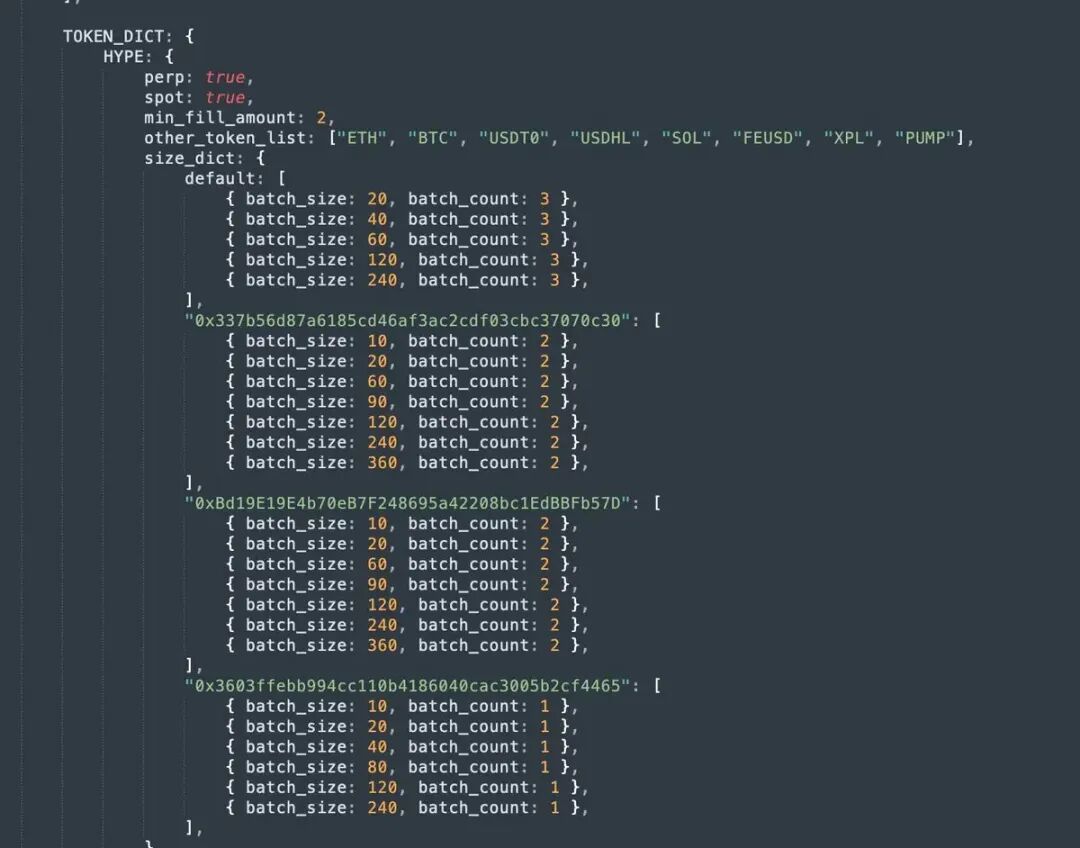
初期每次偏差达±1 万枚HYPE。
Image

为此我们加入:

  • 利润区间:定义挂单与撤单条件;

  • 可参与池配置:如HYPE/USDT0、HYPE/UBTC 等;

  • 订单规模控制;

  • 失衡修正机制:用时间加权平均价快速平仓。

经过调优,我们大幅减少失衡问题,交易量是竞争对手的20倍。

优化稳定币路径

由于HyperEVM 主要使用USDT0,而Hyperliquid 使用USDC,我们需执行多次兑换。

第三步(USDC ↔ USDT0)滑点大、手续费高,因此我们设定逻辑跳过该步骤:

USDC 阈值> 120 万时跳过兑换;

USDT0 阈值> 30 万时跳过兑换;

实时价格使用Cowswap API获取,而非依赖订单簿。

引入永续合约套利

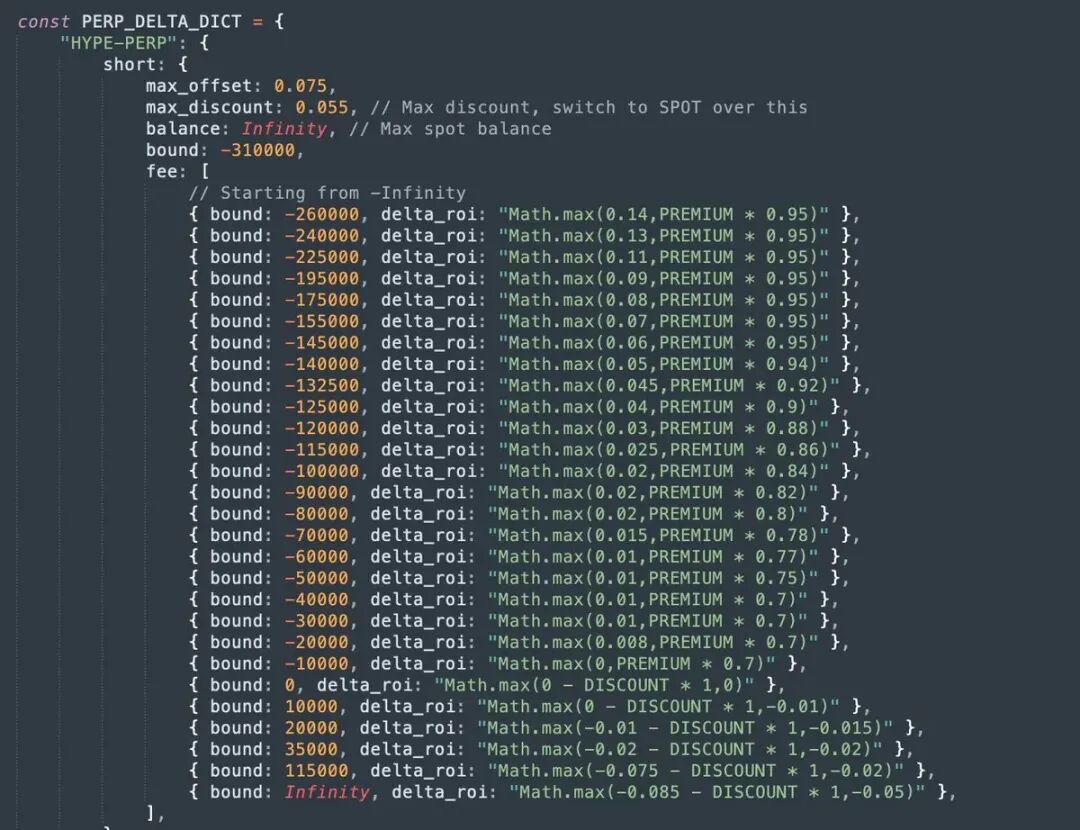
我们很少使用杠杆,但发现HYPE 永续合约成交量大、手续费低(0.019%)。于是开始用永续合约优化策略,并利用资金费率获利。
Image

设置参数包括:

  • 仓位限额(Bound):防止过度多空;

  • 溢价/折价阈值:监控永续与现货差;

  • 渐进收益率(Progressive ROI):仓位越大要求利润越高。

这一改进让我们额外获得约60万美元收益,并拓展了新的套利空间。

合作方式

外界以为我只负责发帖、兄弟负责写代码。

其实我们紧密协作:

我负责策略与参数;

他负责编码与系统;

每次改动都共同讨论确认。

我们性格不同——他激进、我保守,但这正形成互补。经过250 多次更新,我们几乎把系统调教成「半自动赚钱机器」。

成绩与收尾

8 个月以来,我们投入全部时间。

7 月,随着Wintermute团队入场,竞争白热化,我们依旧坚持优化。

最终成果:

  • 总盈利:500 万美元;

  • 总成交量:125 亿美元;

  • Gas 支出:120 万美元(占链上20%);

  • 累计开发时间:2000+ 小时;

  • 市场份额:Unit 总交易量的5%。

现在,我们让机器人歇口气,等待下一轮机会——Hyperliquid Season 3与Unit Season 1。

风险提醒:

别被故事迷惑——这只是一次策略复盘,不是「稳赚教程」。加密市场随时可能反转,套利也有坑。风险永远存在,记得先保住本金,再谈收益。


Twitter:https://twitter.com/BitpushNewsCN

比推 TG 交流群:https://t.me/BitPushCommunity

比推 TG 订阅: https://t.me/bitpush

说明: 比推所有文章只代表作者观点,不构成投资建议

Пов'язані матеріали

IPO Imminent, OpenAI Faces Major Personnel Upheaval

OpenAI, preparing for a potential IPO, is experiencing significant leadership turmoil. In mid-August 2026, longtime "GPU geek" Scott Gray quietly left, and within three days, Chief Operating Officer Brad Lightcap (8-year veteran) and Chief Revenue Officer Denise Dresser (8-month tenure) departed. This follows a broader exodus of at least 10 senior executives in 2026, including heads of product, safety, and ethics. Analysts view this as a strategic "surgery" to transform from a research lab into a sales-driven enterprise company before going public. Revenue now tilts toward enterprise clients, surpassing consumer income sooner than expected, with annualized revenue reaching $40 billion. The new CRO, Dali Rajic, is a veteran enterprise sales leader. Concurrently, OpenAI has disbanded independent safety teams like "Preparedness," which assessed catastrophic risks, integrating their functions into core research. Critics warn this removes dedicated "brakes" on AI development. The leadership vacuum raises questions about who is the clear second-in-command after former apps CEO Fidji Simo moved to an advisory role. Co-founder Greg Brockman appears to be consolidating power. As OpenAI races against rival Anthropic ($47B annualized revenue), it faces the dual challenge of commercial execution while managing the departure of foundational technical talent and ensuring responsible AI development remains a priority.

marsbit6 хв тому

IPO Imminent, OpenAI Faces Major Personnel Upheaval

marsbit6 хв тому

AI Can 'Have Moods Too'! New Research from USTC: Confusion and Anxiety Make AI Work Better

The article discusses research from the University of Science and Technology of China and Oxford, revealing that allowing AI to recognize and act upon simulated "internal emotions" can significantly improve its performance. The study demonstrates a coherent pairing between specific emotional states in AI agents and their subsequent skill choices. For instance, an agent feeling curious and desirous will search for products, while one feeling confused and tense will rephrase queries. This mirrors human decision-making influenced by emotions. Statistical validation showed a 76.5% semantic consistency in these pairings. Crucially, the research challenges the traditional view of AI errors as flaws to be eliminated. It found that "bad" emotions like confusion, tension, or frustration serve as useful metacognitive signals, indicating a mismatch between the current strategy and the environment. By responding to these signals, AI can proactively adjust before a failure occurs. This is particularly effective in complex tasks prone to failure. For example, in tasks like "heating an item" and "picking up two items," success rates surged from 9.6% to 56.9% and 4.4% to 31.3%, respectively, when using the emotion-driven skill selection method (EMOTION2SKILL). The AI's "nervous" state about a closed microwave, for instance, prompted it to check and open it first, preventing failure. The article also mentions related work from Tianjin University, which embeds emotional prediction into world models (Large Emotional World Model, LEWM), significantly improving prediction accuracy in human-centric environments. Removing emotional data was found to degrade performance even in unrelated logical reasoning tasks. These studies build on earlier findings, like those from Anthropic, that identifiable emotional representations exist within large language models (LLMs). The focus is shifting from philosophical debate about AI emotion to practically harnessing these internal states as functional signals to enhance AI robustness and capability.

marsbit41 хв тому

AI Can 'Have Moods Too'! New Research from USTC: Confusion and Anxiety Make AI Work Better

marsbit41 хв тому

Торгівля

Спот
活动图片