Alteri и Chintai Nexus запускают токенизированый фонд майнинга биткоина на $30 млн

cryptonews.ruОпубліковано о 2025-07-27Востаннє оновлено о 2025-07-28

Компания Alteri объявляет о запуске токенизированного фонда майнинговой инфраструктуры для биткоина объемом $30 млн на блокчейне Chintai Nexus.

Решение предоставляет аккредитованным инвесторам прямой ончейн-доступ к доходности, обеспеченной физическими активами. Цель фонда — обеспечить высокую ежемесячную доходность с целевым уровнем от 3% за счет автоматизированных распределений через смарт-контракты.

Связь майнинга биткоина и токенизированных активов

Фонд представляет собой значительный шаг в развитии токенизации реальных активов (RWA), позволяя инвесторам участвовать в экономике майнинга биткоина без операционных сложностей, связанных с самостоятельным управлением оборудованием.

Инвестиционный капитал направляется на модульные майнинговые мощности в ERCOT (Техас). Доход формируется как за счет вознаграждений за майнинг, так и благодаря участию в программах энергорынка, включая сокращение генерации и предоставление вспомогательных услуг.

«Этот запуск отражает следующий этап эволюции блокчейна — переход от спекулятивного финансирования к масштабируемому привлечению капитала, — заявил Дэвид Пэкхэм, генеральный директор Chintai. — Мы демонстрируем, как реальные активы могут стать инвестиционными, контролируемыми и автоматизированными с помощью блокчейна».

Инновационный финансовый инжиниринг

Фонд сочетает элементы структурированного кредитования и инфраструктурных инвестиций, создавая принципиально новый финансовый продукт, изначально разработанный для блокчейна. При средних затратах на развертывание $200 тыс. за мегаватт и прогнозируемом сроке окупаемости чуть более 12 месяцев Alteri фокусируется на эффективном использовании капитала. Архитектура фонда обеспечивает проверяемые ончейн-распределения, а также дополнительную доходность за счет энергетического арбитража в сети ERCOT.

«Мы структурировали предложение так, чтобы обеспечить институциональный доступ к майнинговой инфраструктуре биткоина по оценке, значительно ниже рыночной, — отметил основатель Alteri. — Решение разработано с акцентом на прозрачность, операционную эффективность и полную ончейн-доступность».

Налоговые преимущества и рыночная позиция

Американские инвесторы могут воспользоваться 100% бонусной амортизацией оборудования в 2025 году, что создает потенциал для значительной налоговой оптимизации. Это делает фонд особенно привлекательным для институциональных инвесторов, ищущих налогово-эффективные инструменты в сфере инфраструктуры цифровых активов.

Фонд Alteri пополняет растущую экосистему токенизированных RWA на платформе Chintai, которая ранее обеспечивала токенизацию доходов от недвижимости, ESG-инфраструктуры и углеродных кредитов. Каждый новый класс активов в блокчейне подтверждает его растущую ценность за пределами цифровых активов.

Расширение экосистемы RWA

Запуск знаменует ключевую веху в развитии блокчейн-финансов, выводя их за рамки спекулятивных цифровых активов к реальным доходным инвестициям в инфраструктуру. Перенося экономику майнинга биткоина в блокчейн, Alteri повышает рыночную эффективность и доступность для инвесторов.

Токенизированная структура также открывает возможности для будущей интеграции с DeFi, недоступной для традиционных ценных бумаг, включая взаимодействие с кредитными протоколами, пулами ликвидности и другими ончейн-примитивами.

О компаниях

Chintai Nexus (CHEX) — блокчейн-платформа, поддерживаемая крупными финансовыми институтами, которая трансформирует интеграцию реальных активов в цифровую экономику. Используя встроенные преимущества блокчейна — безопасность и прозрачность, — Chintai позволяет компаниям и разработчикам токенизировать RWA, обеспечивая новую ликвидность и глобальную доступность.

Alteri специализируется на развертывании майнинговой инфраструктуры для биткоина и ее токенизации, сочетая экспертизу в энергорынках, криптооперациях и финансовом инжиниринге. Компания фокусируется на капиталоэффективных стратегиях майнинга с комплексным управлением операционной деятельностью, включая энергоснабжение, развертывание оборудования и техническое обслуживание.

Пов'язані матеріали

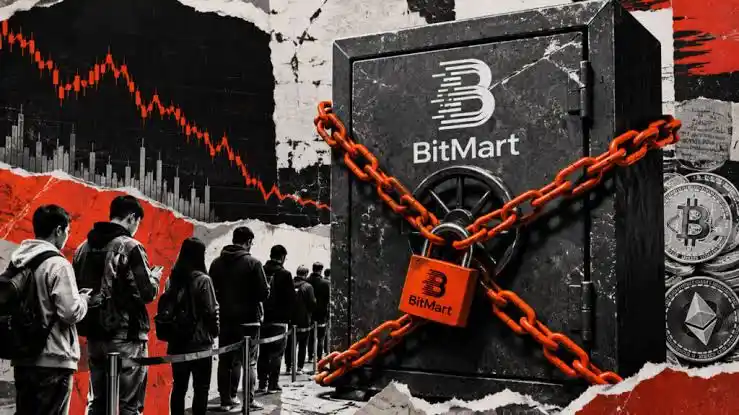
BitMart's Final 9 Days: A True Exchange Crisis Is Never About Shutting Down

BitMart's Final 9 Days: A True Exchange Crisis Is Not About Shutting Down On August 17, 2026, with just 9 days until BitMart's scheduled cessation of trading, the focus shifted from the platform's orderly closure to serious questions about user withdrawals, platform solvency, employee payments, and reserve transparency. Stakeholders, claiming to represent users and staff, publicly demanded asset/liability disclosures, explanations for withdrawal delays, a user repayment plan, and an independent audit, setting an August 19 deadline. While BitMart CEO Sheldon Lee denied allegations of insolvency or wrongdoing, the controversy highlighted a core vulnerability of centralized exchanges (CEXs). When an exchange announces its shutdown, normal user behavior changes dramatically, triggering a mass withdrawal event—the ultimate stress test for its liquidity and custodial integrity. The key question becomes not whether the platform has assets, but whether it holds sufficient *liquid* assets to cover all user liabilities on demand. The article argues that the trust placed in CEXs is based on the convenience they provide, abstracting users from direct control of their private keys. This trust is rarely questioned during normal operations but becomes critically exposed during a wind-down. The situation underscores the limitations of simple Proof of Reserves, which shows "what we have" but not the crucial "what we owe." True financial credibility requires transparent, auditable data on assets, liabilities, and segregated user funds. BitMart's situation reflects a broader, often overlooked issue in the crypto industry: while there is extensive focus on growth mechanisms for exchanges, there is little discussion or established protocol for a safe and transparent "exit mechanism." The final measure of an exchange's integrity, the article concludes, is not its user count or trading volume during a bull market, but its ability to ensure every last user can successfully withdraw their assets when the doors are closing. The outcome will be determined not by statements, but by whether the final user's funds securely leave the platform.

marsbit15 хв тому

BitMart's Final 9 Days: A True Exchange Crisis Is Never About Shutting Down

marsbit15 хв тому

Don't Speculate on 100x Coins, Just Bet on 'Cash Cows': Which Projects Are Worth Dollar-Cost Averaging in the Bear Market?

In a bearish crypto market, finding sustainable investments is more prudent than chasing speculative meme coins. This article analyzes projects generating consistent revenue, highlighting them as potential "cash cows" for long-term dollar-cost averaging (DCA). The top performers are "picks-and-shovels" plays. **Pump.fun**, a Solana-based meme coin launchpad, leads with $415.3M in monthly revenue, profiting from a 1.25% fee on token transactions. Despite market volatility, it has averaged tens of millions in monthly income in 2024. Perpetual DEX **Hyperliquid** stands out as a "bear market star," accumulating ~$352M in revenue over seven months. Its model funnels ~99% of fees into buying back and permanently burning its HYPE token. Established giants are also adapting. **Uniswap**, after enabling its fee switch, now earns protocol revenue (e.g., $5.6M recently), which is used to buy back and burn UNI, giving the token direct value accrual. Similarly, oracle provider **Chainlink** generates stable monthly revenue (~$4.57M recently) from its essential data, cross-chain, and automation services. Its new Payment Abstraction feature automatically converts service fees into LINK, accruing value in its treasury. The core thesis is clear: in a downturn, focus on projects with proven, resilient business models—those acting as essential infrastructure or capturing consistent transaction fees—rather than speculative narratives.

marsbit30 хв тому

Don't Speculate on 100x Coins, Just Bet on 'Cash Cows': Which Projects Are Worth Dollar-Cost Averaging in the Bear Market?

marsbit30 хв тому

Just Now, Anthropic's Annualized Revenue Breaks Through $65 Billion, Sprinting Towards the Largest IPO in History

According to a Bloomberg report, Anthropic has disclosed to investors that as of the end of July, its annualized revenue run-rate (ARR) has reached $65 billion. This marks a dramatic acceleration from late 2025, when the ARR exceeded $9 billion, representing a more than seven-fold increase in just a few months. Preliminary revenue for the latest completed quarter (Q2) surpassed $11.5 billion, approximately 14.6 times the $787 million reported for the same period last year. Notably, the company also achieved positive adjusted operating profit for the quarter. A key driver behind this explosive growth is the enterprise market, particularly the adoption of products like Claude Code for software engineering and complex knowledge work. The shift from occasional conversational queries to continuous, high-token-consumption workflows within enterprises has significantly boosted revenue. This financial update comes as Anthropic is reportedly preparing for a potential IPO as early as October, with an expected valuation of $2 trillion or higher, which could make it the largest IPO in history. The surging revenue run-rate provides a crucial metric for investors, shifting the narrative from being an OpenAI challenger to demonstrating rapid scaling, enterprise penetration, and a path toward profitability amidst high compute investments.

marsbit35 хв тому

Just Now, Anthropic's Annualized Revenue Breaks Through $65 Billion, Sprinting Towards the Largest IPO in History

marsbit35 хв тому

Trends in U.S. Stocks (August 18): U.S.-Iran Deal Prospects Dim, Major Indices See Two Consecutive Down Days, Chip Stocks Defy Market Decline

**Market Overview:** On August 18th, U.S. stock indices declined for a second consecutive day. The S&P 500 fell 0.52%, the Dow dropped 0.51% to a two-week low, and the Nasdaq slipped 0.32%. The decline was driven by heightened geopolitical risk as U.S.-Iran negotiations reached a key deadline without an extension, dimming the prospect of a long-term agreement. **Key Drivers:** * **Geopolitics & Oil:** The failure to extend the U.S.-Iran memorandum led to a surge in oil prices, with Brent crude closing above $90/barrel for the first time in three weeks. * **Treasury Yields:** The 30-year U.S. Treasury yield hit a high not seen since 2007, driven by heavy corporate issuance (notably for AI investments) and ongoing fiscal deficits. * **Sector Performance:** While the "Magnificent Seven" tech giants all closed lower, semiconductor stocks bucked the trend. The Philadelphia Semiconductor Index rose 1.6%, led by memory chipmakers (e.g., SanDisk, Micron) and optical communication companies, as investors focused on the strong demand outlook for AI-related hardware. * **Currency & Safe Havens:** The U.S. Dollar Index fell for a third day, while the offshore Chinese Yuan hit a three-year high. Gold prices rose to a two-month peak, supported by safe-haven demand outweighing pressure from rising yields. Bitcoin also gained. **Outlook:** Market focus remains on potential escalation in the Middle East and its impact on oil, alongside continued scrutiny of AI-related earnings and demand signals.

marsbit36 хв тому

Trends in U.S. Stocks (August 18): U.S.-Iran Deal Prospects Dim, Major Indices See Two Consecutive Down Days, Chip Stocks Defy Market Decline

marsbit36 хв тому

Торгівля

Спот
活动图片