BIS счел стейблкоины непригодными в роли денег. Что не так

RBK-cryptoОпубліковано о 2025-06-25Востаннє оновлено о 2025-06-25

Акции компании — эмитента одного из крупнейших стейблкоинов отреагировали падением на публикацию отчета регулятора

Банк международных расчетов (Bank for International Settlements, BIS), который называют «центробанком центробанков», заявил, что стейблкоины не могут стать основой будущей денежной системы. В новом отчете BIS говорится, что цифровые активы, привязанные к традиционным валютам, не соответствуют трем ключевым критериям: единство, эластичность и целостность.

В BIS отметили, что стейблкоины изначально создавались именно как инструмент для крипторынка, в частности как аналог доллара. За счет работы в публичных блокчейн-сетях они действительно частично выполняют функции денег внутри криптоэкосистемы и используются как средство ввода и вывода средств.

В последние годы они также стали применяться для трансграничных переводов, особенно в развивающихся странах с ограниченным доступом к доллару. Тем не менее, по оценке BIS, стейблкоины не соответствуют ключевым требованиям, чтобы считаться полноценной основой денежной системы.

Авторы подчеркивают, что стейблкоины уступают деньгам, выпускаемым центробанками и коммерческими банками. Их эмиссия не поддается гибкой настройке, у разных эмитентов разные стандарты и механизмы расчетов и отсутствует универсальность обращения. Кроме того, стейблкоины могут использоваться для обхода санкций и финансового надзора.

«Общество стоит перед выбором: либо двигаться к следующему этапу денежной системы, основанному на проверенных принципах доверия и технологически совершенной инфраструктуре, либо вновь столкнуться с издержками нестабильных денег, сделав ставку на частные цифровые валюты, не проходящие базовых проверок на единство, эластичность и целостность», — пишут авторы отчета.

При этом BIS признает технологические преимущества стейблкоинов, такие как скорость переводов, низкие комиссии и удобство в странах с высокой инфляцией или валютными ограничениями. Однако эти активы не следует рассматривать как полноценные деньги, считают в банке.

Телеграм-канал «РБК-Крипто» — подпишитесь и будьте в курсе самых главных и актуальных новостей о криптовалюте.

Присоединяйтесь к форуму «РБК-Крипто» в Telegram для обсуждения новостей и тенденций криптомира.

Отдельно BIS выразил поддержку токенизации традиционных финансовых инструментов — речь идет о сегменте рынка, который в криптосообществе принято относить к категории real world assets (RWA). По мнению аналитиков, такие решения могут стать основой «финансовой системы следующего поколения».

После публикации отчета акции компании Circle (тикер CRCL), выпускающей второй по величине стейблкоин USDC, подешевели более чем на 20%. Это первое крупное падение бумаг компании с момента выхода на биржу 5 июня. До этого CRCL показали рост более 800% к цене IPO.

Не только биткоин. Зачем компаниям резервы BNB, HYPE и других альткоинов

Альтсезон по-новому. Почему взлетают акции компаний с резервом биткоина

«Усилился спрос на тихие гавани». Что будет с биткоином на неделе
Пов'язані матеріали

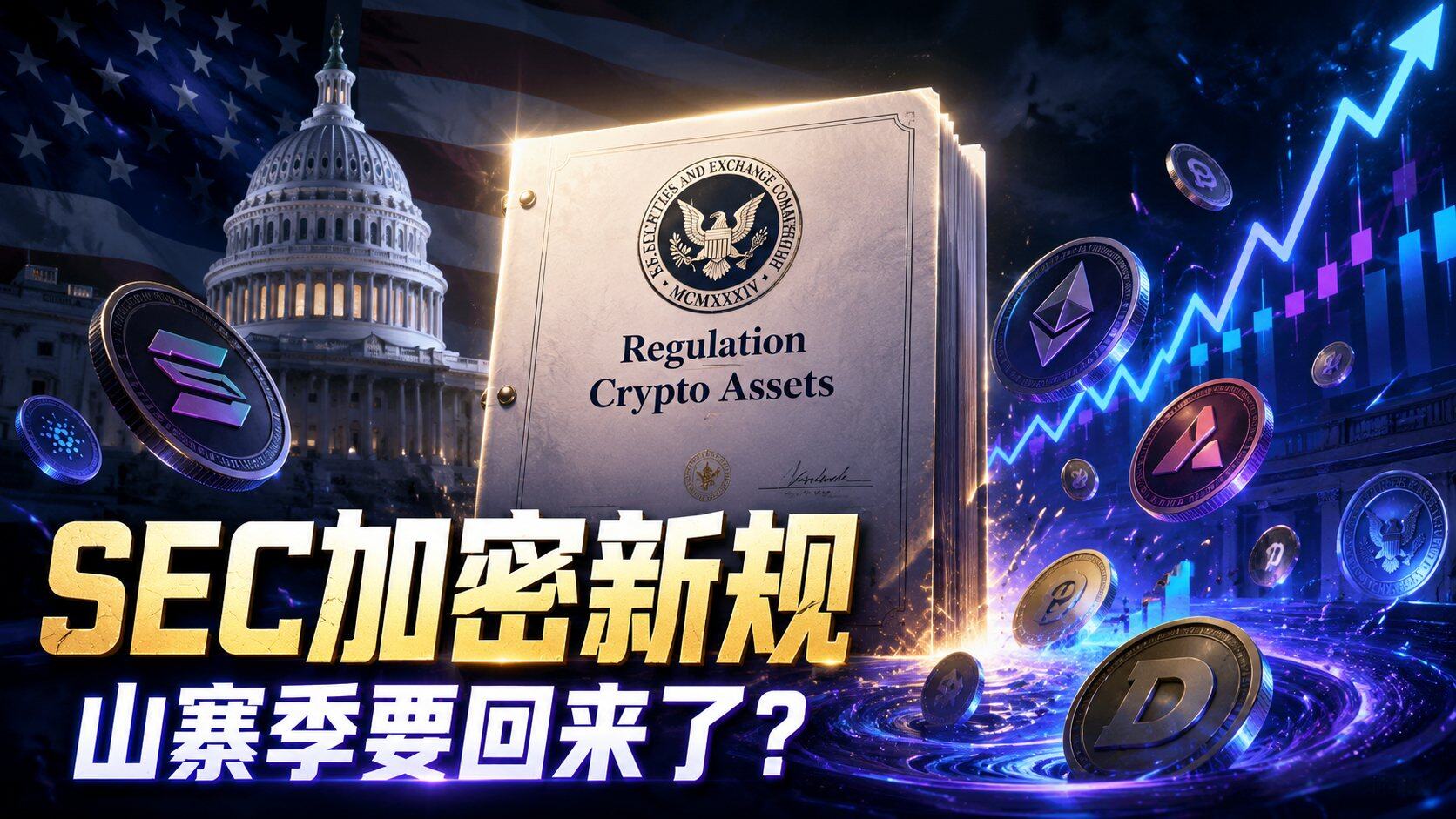
Interpretation of SEC's New Crypto Regulatory Rules: Fundraising Below $5 Million Exempt from Registration, Is Altcoin Season Making a Comeback?

The U.S. Securities and Exchange Commission (SEC) has proposed a new regulatory framework titled "Regulation Crypto Assets." This proposal aims to establish tailored exemptions for crypto asset fundraising and a pathway for tokens to transition out of being classified as securities. The core provisions include two exemptions from standard securities registration: 1. **Startup Exemption**: Allows early-stage projects to raise up to $5 million over four years with simplified, narrative-based disclosures, avoiding full registration. 2. **Fundraising Exemption**: Permits raising up to $75 million within any 12-month period. It requires audited financial statements and imposes ongoing reporting obligations, similar to the Regulation A+ framework. A key component is the **Investment Contract Safe Harbor**. This rule allows a token initially sold as an investment contract (a security) to lose that designation once the issuer has completed or permanently ceased the "essential managerial efforts" promised to investors. This theoretically clears regulatory hurdles for tokens where development is finished or abandoned. The proposal defines a narrow scope, applying only to crypto assets that are not securities themselves and are part of an investment contract involving no other assets. This SEC initiative is seen as a response to the stalled progress of the comprehensive *CLARITY Act* in Congress. It represents a shift from relying solely on the historical Howey test, which the SEC admits is ill-suited for dynamic crypto assets. The proposal is currently in a 60-day public comment period, with a final rule likely months away, leaving the U.S. regulatory landscape for crypto in a transitional state.

Odaily星球日报12 хв тому

Interpretation of SEC's New Crypto Regulatory Rules: Fundraising Below $5 Million Exempt from Registration, Is Altcoin Season Making a Comeback?

Odaily星球日报12 хв тому

Latest: Korean QFI Has Bought Changxin Technology

Latest Data Shows Korean QFI Has Purchased Changxin Technology According to data from SEIBro (under Korea Securities Depository, KSD), Korean investors, acting as Qualified Foreign Investors (QFI), have been actively purchasing shares of Changxin Technology (stock code 688825), a company recently listed on China's Sci-Tech Innovation Board (STAR Market). Over the past month until August 18, they made a net purchase of this stock worth approximately $45.32 million (around CNY 307 million), making it the top A-share by net purchase volume for Korean investors during that period. This activity has significantly boosted overall Korean net buying in A-shares. As Changxin Technology is not yet included in the Stock Connect schemes, QFI is currently the only channel for overseas investors like these Koreans to access its shares. SEIBro data indicates Korean buying began as early as July 28, the stock's second trading day. The stock appeared in Korean investor purchase lists using a temporary virtual ISIN code in settlement instructions, as its official international code had not yet been assigned. The listing has garnered significant international attention. On its first trading day (July 27), the actively managed U.S. ETF Tema Memory ETF (DISK) swiftly added Changxin Technology to its portfolio, giving it a substantial 10.56% weighting. Another active ETF, Roundhill Memory ETF (DRAM), also quickly included the stock. Furthermore, global index provider MSCI has added Changxin Technology to its MSCI China All Shares Index, prompting passive fund inflows. Analysts highlight Changxin Technology's unique position to serve China's rapidly growing AI ecosystem amid a global semiconductor memory supply shortage driven by AI demand. Besides Changxin Technology, other A-shares heavily bought by Korean investors recently include Weichai Power, Demingli, Changdian Technology, and CSOP China STAR Chip ETF.

marsbit1 год тому

Latest: Korean QFI Has Bought Changxin Technology

marsbit1 год тому

China Pinches the Vital Point of CPO

The article "China Grips the Achilles' Heel of CPO" details how China holds a strategic position in the global indium phosphide (InP) supply chain, a critical material for high-speed optical modules and CPO (Co-Packaged Optics) technology used in AI data centers. China controls over 70% of global indium reserves and produces more than half of the world's primary indium, primarily as a by-product of zinc/tin smelting. It further refines 70-80% of the globe's refined indium. This upstream dominance is compounded by the fact that key InP wafer producer AXT operates its primary production through its Chinese subsidiary, Beijing Tongmei. Adding to this leverage are China's export controls, first on InP products and later extending to high-purity indium (6N+ grade). These restrictions have created supply bottlenecks and uncertainty, straining foreign manufacturers like Japan's Sumitomo and Dowa, who rely heavily on Chinese materials. The resulting shortage has led to intense demand, with industry figures like Lumentum's CEO warning of severe constraints and companies like Coherent seeking direct assurances from China. This situation benefits Chinese InP supply chain companies. Firms like Yunnan Chihong Zinc & Germanium (a leading domestic InP wafer producer) and Zhuzhou Keneng (high-purity indium) report surging domestic revenues and orders. They are also making progress in high-end product validation and capacity expansion. However, challenges remain, including lengthy customer qualification cycles and a significant capacity gap compared to foreign leaders. The article frames the current AI-driven demand surge as a pivotal moment for China's InP industry. It references a historical lesson where China, despite controlling indium resources, once ceded value-add and pricing power to Japanese processors. The current scenario is seen as an opportunity to leverage upstream resource control to develop advanced manufacturing capabilities and secure greater influence in the global semiconductor materials market.

marsbit1 год тому

China Pinches the Vital Point of CPO

marsbit1 год тому

Торгівля

Спот
活动图片