Coinbase teams up with Riot Games for Global Esports Sponsorship

TheCryptoTimesОпубліковано о 2025-05-07Востаннє оновлено о 2025-05-07

U.S. cryptocurrency exchange Coinbase has teamed up with Riot Games, the creator of popular video games League of Legends and Valorant. 

The two parties have signed a long-term deal to work together on global esports events for these games, starting with a Valorant event in Toronto in June 2025.

As part of this partnership, Coinbase will connect with fans through social media, ads during game broadcasts, and cool tech features. They’ll also add new segments to the esports shows: one called “Econ Report” for Valorant and another called “Gold Grind” for League of Legends.

Additionally, the firm will provide viewer rewards like redeemable emotes and icons, as well as promotional opportunities, including all-expenses-paid trips to major competitions.

As per the reports, the company aims to explore Web3 technology to enhance its fans’ experiences. The firm has specific plans that remain under wraps. “We’re looking forward to creating some exciting things on the Web3 front with Riot,” the representative noted, declining to disclose the deal’s financial terms or exact duration beyond confirming its multi-year scope.

Nowadays, cryptocurrency and esports are teaming up more frequently. In the year 2021, Riot Games, the makers of League of Legends and Valorant, made a big deal with a crypto company called FTX to sponsor their esports events.

It was worth $100 million and was supposed to last seven years, focusing on League of Legends esports in North America. But FTX went bankrupt in November 2022, so the deal fell apart. After that, Riot did not have a crypto partner until this new Coinbase deal appeared.

Another esports team, Team SoloMid (TSM), also had a deal with the crypto company FTX, but it ended when FTX went bankrupt. Despite that problem, the firm didn’t give up on crypto. Further, in the year 2023, the firm started working with a blockchain called Avalanche to create new projects. These initiatives show that esports teams still want to use crypto technology even after facing challenges in the industry.

Also Read: Aptos Partners With STAN to launch eSports platform in India


Пов'язані матеріали

Are the Frantic Acquisitions of Crypto Companies by Giants Good or Bad?

In a bear market, giants are actively acquiring crypto companies. Recent months have seen at least five major deals: Samsung Securities bought a 2% stake in Upbit operator Dunamu; Robinhood acquired WonderFi for $180 million to enter the Canadian market; Figure purchased Kiavi for $717 million to expand into on-chain real estate credit; Franklin Templeton bought 250Digital to launch Franklin Crypto; and Blockworks acquired data platform Messari at a steep discount—over 90% less than its 2022 $300 million valuation. These moves highlight a strategic shift. Cash-rich giants are consolidating resources at low cost, targeting companies with established compliance frameworks to navigate tightening global regulations. Acquisitions like WonderFi and the Upbit stake provide immediate market access and licensed user bases. Figure's deal signals real-world asset (RWA) tokenization moving from concept to large-scale implementation, with Kiavi's $7+ billion annual transaction volume being integrated into on-chain capital markets. Franklin Crypto's launch targets institutional investors like pension funds, offering them tailored, compliant crypto strategies. For these strategic players, bear markets present an ideal entry point: valuations are depressed, speculative noise is minimized, and they can acquire robust technology and compliance infrastructure at a fraction of the cost. This acquisition wave marks a transitional phase for crypto—from a wild frontier toward an institutional, regulated financial system. Giants are positioning themselves to capture future growth when macroeconomic conditions and liquidity improve, leaving latecomers behind.

marsbit41 хв тому

Are the Frantic Acquisitions of Crypto Companies by Giants Good or Bad?

marsbit41 хв тому

In the MiCA Era, Europe's New Cryptography Landscape: Why is Germany Taking Center Stage?

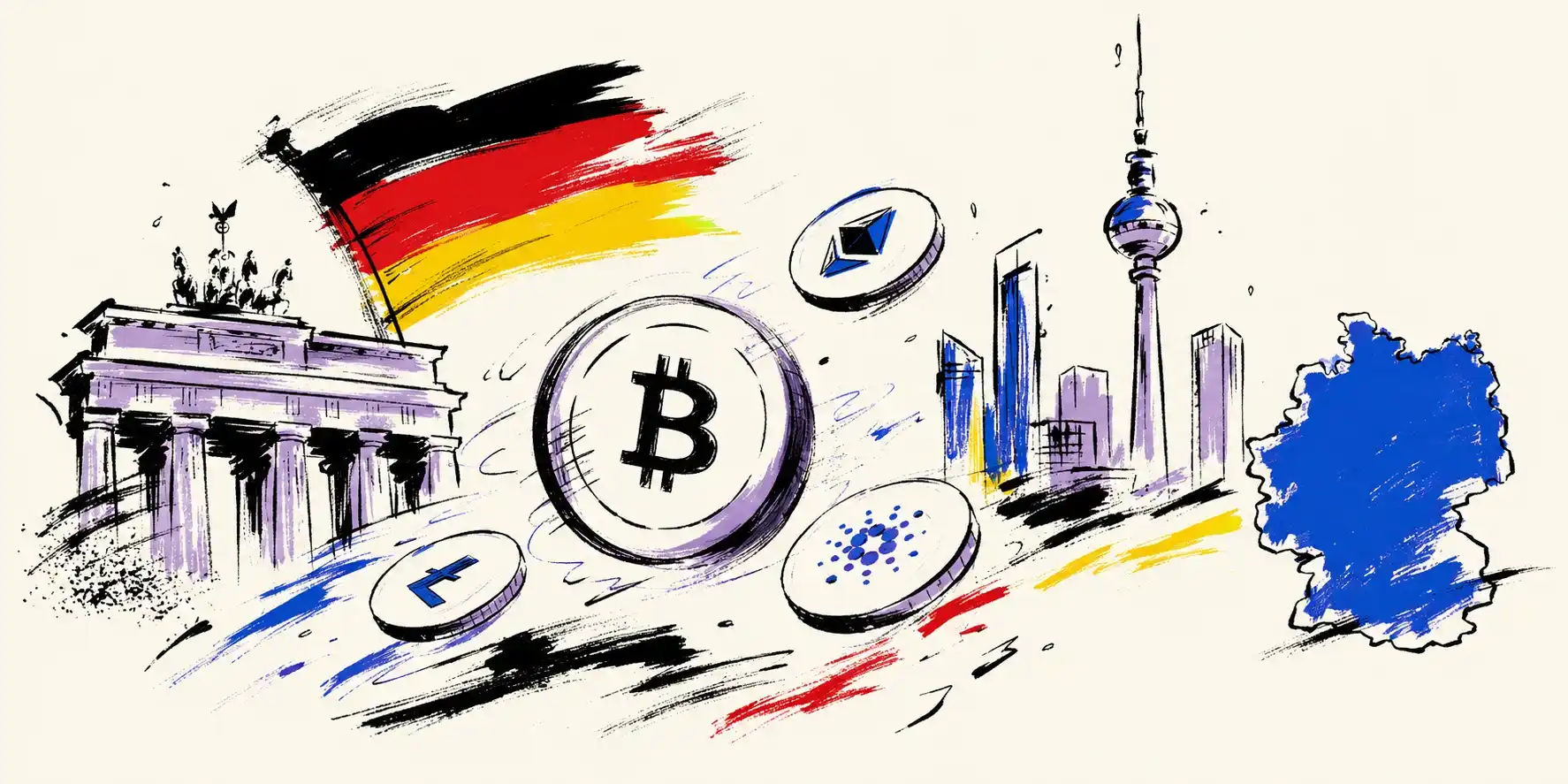
With MiCA's transitional arrangements concluding, Europe's crypto industry has undergone a regulatory consolidation. Post-MiCA, platforms must secure CASP authorization to operate compliantly within the EU. As of July 1st, only about 12% of crypto firms have received authorization, with Germany emerging as a key player, holding 57 authorizations (roughly 23% of the EU total). This positions Germany as a primary compliance gateway to the EU's unified market. Germany's advantage stems from its established, function-based regulatory framework, which integrated crypto activities into existing banking, securities, and payment systems pre-MiCA. This allowed a smoother transition and attracted both domestic platforms (like Bitcoin.de, BISON) and international ones (like Coinbase Germany). A distinctive trend is German banks becoming direct retail entry points for crypto services. Examples include DZ Bank integrating "meinKrypto" into its VR Banking App and the Sparkassen savings bank network planning to offer crypto trading via DekaBank. This mainstreams crypto access for ordinary users. Beyond trading, Germany is evolving into a digital asset infrastructure hub. Deutsche Börse Group's Clearstream is developing a next-generation platform for issuing, settling, and servicing both traditional and tokenized securities. Furthermore, German banks like DekaBank and DZ Bank are key participants in the Qivalis project, a European initiative for a regulated euro stablecoin, positioning Germany at the intersection of critical future capabilities like custody, settlement, and cross-border services.

marsbit1 год тому

In the MiCA Era, Europe's New Cryptography Landscape: Why is Germany Taking Center Stage?

marsbit1 год тому

Торгівля

Спот
活动图片