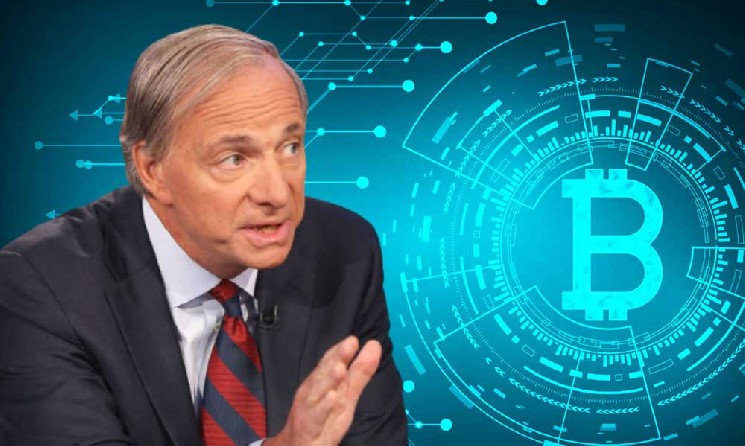
В Госдуме оценили предложение о запрете наличных в криптообменниках

RBK-cryptoОпубліковано о 2025-04-23Востаннє оновлено о 2025-04-23

Работа криптовалютных обменников юридически не закреплена, поэтому вопрос о запрете или разрешении приема ими наличных денежных средств некорректен, считает депутат Андрей Луговой

Вопрос запрета или разрешения наличных в криптовалютных обменниках некорректен, заявил депутат Госдумы Андрей Луговой «РБК-Крипто». Так он прокомментировал предложение члена Общественной палаты (ОП) Евгения Машарова.

Машаров утверждает, что запрет на прием наличных криптообменниками может стать мерой борьбы с мошенничеством. По словам представителя ОП, это следует сделать, поскольку «телефонные мошенники используют криптообменники для вывода наличных средств».

«Говорить о том, чтобы запретить или разрешить наличные в криптообменниках некорректно. Как можно запретить или разрешить то, что никак вообще не регулируется, и существует непонятно как», — сказал Луговой.

Он напомнил, что в России на сегодняшний день отсутствует «хоть какое-то» регулирование криптобирж, криптообменников и оборота криптовалюты. Фактически этот оборот существует, а юридически он никак не закреплен, говорит депутат.

Телеграм-канал «РБК-Крипто» — подпишитесь и будьте в курсе самых главных и актуальных новостей о криптовалюте.

Присоединяйтесь к форуму «РБК-Крипто» в Telegram для обсуждения новостей и тенденций криптомира.

Луговой добавил, что на сегодняшний день в белую зону выведен только майнинг, но законодатели сейчас ведут активную работу в части регулирования обращения криптовалют.

«Именно сейчас у нас как раз идет большая работа и в Государственной Думе, и, насколько мне известно, в правительстве, в ЦБ о том, чтобы все-таки отрегулировать, наконец-то, оборот криптовалют», — рассказал депутат.

В настоящий момент в России действует запрет на использование криптовалют как средства платежа. Майнинг, приобретение цифровых монет и торги ими на зарубежных платформах не запрещены; с 1 января 2025 года вступили в силу положения Налогового кодекса, определяющие порядок налогообложения доходов от купли-продажи криптовалют и их добычи.

В начале марта в Минфине сообщили, что рассматривают возможность запуска организованных торгов криптовалютами внутри страны для «суперквалифицированных» инвесторов в рамках экспериментального правового режима (ЭПР). Банк России допустил такую возможность, но регулятор отмечает, что его позиция насчет допуска к криптовалютам «неквалов» неизменна: они «должны быть максимально защищены» от такой рискованной деятельности.

Ранее в этом месяце глава Банка России Эльвира Набиуллина заявила, что Центробанк также предлагает ужесточить ответственность за использование криптовалют во внутренних расчетах, несмотря на возможность их применения в международной торговле в рамках ЭПР.

Курс биткоина с начала недели вырос на 10%. Что случилось на крипторынке

«Минус $1000 за два дня». Что обсуждали участники Форума РБК-Крипто

Криптокомпании пожертвовали миллионы на инаугурацию Трампа. Кто и сколько

Пов'язані матеріали

AC Exits Sonic Board, 'DeFi Godfather' Pulls Off Another Strategic Retreat

Andre Cronje, known as the "DeFi Godfather," and two other founding directors have stepped down from the Sonic Labs board. The S token, once valued at $1.03, has plummeted 97% to $0.028, and the chain's TVL has evaporated 98% from its peak. In his exit statement, Cronje clarified he was a technical architect, not a founder, and distanced himself from token economics and migration decisions behind the token's crash. Cronje revealed his focus for the past 18 months has been his new project, Flying Tulip. This project raised $200 million privately last year at a $10 billion valuation. Its token design includes a perpetual put option (ftPUT NFT) for early investors, allowing them to redeem their initial investment at any time—a protection not extended to public market buyers. This pattern mirrors Cronje's past exits from projects like Yearn Finance and Fantom, where he departed near peak hype, leaving later holders to bear significant losses. Sonic itself has seen a complete management overhaul in recent months. The article frames this as a microcosm of the broader crypto bear market, where Layer-1 chains are bleeding value. It highlights a harsh reality: a project's valuation is often tied to a founder's reputation rather than fundamentals. Ironically, Flying Tulip is set to launch first on the Sonic chain Cronje just left, underscoring a disconnect between the person and the platform.

marsbit5 хв тому

AC Exits Sonic Board, 'DeFi Godfather' Pulls Off Another Strategic Retreat

marsbit5 хв тому

Dialogue with KK, Founder of Hash Global: Do VCs Still Invest in Blockchain Games Now? What Kind of Projects Can Still Get Funding?

**Title: Dialogue with KK, Founder of Hash Global: Do VCs Still Invest in Blockchain Games? What Kind of Projects Can Still Get Funding?** **Summary:** KK, partner at Hash Global, discussed the evolving landscape of Web3 investment and blockchain games in a recent interview. He noted that the industry has moved past its initial hype phase into a more sober "second half," where VCs now prioritize core questions: Is the game actually fun? Does it have real users? Can it generate revenue? Key insights include: * **Web3 Investment Evolution:** The sector is increasingly adopting traditional investment logic, focusing on business models, value capture, and tangible worth over pure narrative. * **Blockchain Game Fundamentals:** The paramount criterion for any game is being genuinely fun and engaging. Web3 elements (like asset issuance and value distribution) should enhance an already solid product, not be a substitute for poor gameplay. Play-to-Earn is seen as a potential final stage, not a starting point. * **Current Investment Thesis:** Hash Global remains active in gaming, favoring projects with low barriers to entry, strong social/competitive elements, and the ability to generate real revenue (e.g., through ads, skins) like traditional Web2 games before scaling. Essential criteria are: 1) A fun core loop understandable without Web3 knowledge, 2) Web3 mechanisms that genuinely improve asset distribution and community participation, and 3) A capable, long-term-focused team with proven product-building experience. * **Team Focus:** The firm concentrates on investing in Chinese teams, leveraging cultural familiarity and judgment. * **Web3 Application Outlook:** Large-scale adoption may be accelerated by AI in areas with significant pain points in distribution (e.g., creator economy) or in "Non-Financial RWA" sectors like entertainment/culture. * **BNB Ecosystem:** Hash Global is bullish on BNB, viewing its ecosystem as significantly undervalued, with real users and global capital access. * **Investor Advice:** In the current bear market, KK expresses respect for new institutional investors entering Web3, as it indicates deep research rather than hype-chasing. A key lesson is managing pace—maintaining optimism tempered with realism to ensure longevity.

marsbit37 хв тому

Dialogue with KK, Founder of Hash Global: Do VCs Still Invest in Blockchain Games Now? What Kind of Projects Can Still Get Funding?

marsbit37 хв тому

A New Player Enters at Third Place, Rothera Disrupts the Prediction Market Landscape

"Rothera Skyrockets to Third in Prediction Market Rankings, Disrupting Industry Landscape" Rothera, Robinhood's newly launched prediction market platform, has rapidly climbed to become the third-largest player in the sector by trading volume, trailing only giants Kalshi and Polymarket. Its growth is attributed not to attracting new users, but to migrating existing Robinhood user orders away from partner Kalshi. Previously, Robinhood served as a major distribution channel for Kalshi, accounting for an estimated 25%-35% of its volume. With the launch of Rothera, Robinhood now internally executes events like World Cup contracts, capturing revenue that was previously shared with Kalshi. Data shows Rothera's weekly trading volume surged from $21.9 million to $559 million within weeks, reaching nearly one-fifth of Polymarket's volume. Analysts estimate Robinhood's prediction market business could generate around $10 billion in annual revenue at this pace, potentially surpassing its historical crypto revenue peak. In response, Kalshi is reportedly exploring new distribution channels by engaging with investment banks for a potential IPO, requiring them to integrate their systems with Kalshi to access institutional clients. This shift highlights a new competitive focus in prediction markets: controlling user access and distribution channels rather than just product offerings.

marsbit46 хв тому

A New Player Enters at Third Place, Rothera Disrupts the Prediction Market Landscape

marsbit46 хв тому

Торгівля

Спот
Ф'ючерси
活动图片