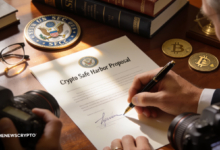
- Coinbase, Paxos and others are considering applying for banking charters in the U.S.
- The U.S. is expected to pass, or merge stablecoin bills, the GENIUS and STABLE Act, by July 2025.
- Anchorage Digital is the only crypto firm with a federal charter.
Once sidelined by regulators and shut out by banks, the crypto industry is edging back into the U.S. financial mainstream.
With a friendlier White House under President Donald Trump and a more permissive stance in Washington, crypto firms are finding new momentum and renewed access to traditional finance.
Now, a growing number of industry leaders and Wall Street players are moving to rebuild the bridges that once connected digital assets with the broader banking system.
Crypto Gets Banked
According to a recent Wall Street Journal report , major crypto firms including Coinbase, Paxos, Circle and BitGo are weighing plans to apply for bank charters or licenses—moves encouraged by what they see as a more favorable regulatory environment under the Trump administration.
The shift comes years after FTX’s collapse, which had negatively impacted the relationship between crypto and banks, forcing many to cut ties with the industry altogether. This includes the likes of JPMorgan Chase, Wells Fargo, and Bank of America.
But with crypto now firmly in Wall Street’s good graces—thanks to the arrival of spot Bitcoin and Ethereum ETFs—firms are feeling confident. Some are looking to lock in legitimacy by pursuing licenses that would allow them to operate as state or even national banks.
So far, Anchorage Digital remains the only crypto-native company to secure a federal charter, while Kraken and Avanti have landed state-level approvals.
Coinbase and other firms have long argued they were unfairly targeted by what’s been dubbed “Operation Chokepoint 2.0”—an alleged effort by federal regulators to quietly choke off crypto’s access to the banking system.
Now, that freeze appears to be thawing. As the regulatory tone shifts, both crypto firms and banks seem increasingly ready to repair a relationship that’s been strained for years.
Banking on Stablecoins
On the other side of the table, a similar effort is underway from the banks. According to the WSJ report, sources have claimed that several banks, including Standard Chartered and Deutsche Bank, are looking into how they can expand their U.S. crypto efforts.
Then, there’s Bank of America CEO Brian Moynihan, who in February hinted at its intentions to launch a U.S. dollar-backed stablecoin during an interview with Bloomberg Television.
“It’s pretty clear there’s going to be a stablecoin which is going to be a fully dollar-backed, you know, type of thing, which is no different than a money market fund with check access, it’s no different than a bank account, really,” Moynihan shared.
In March, two American banks, Custodia and Vantage Bank, completed the testing of a new Ethereum-based stablecoin called Avit.
Custodia has long spent its days being denied a Master Account by the Federal Reserve due to its crypto-centric business model.
The bank continues to appeal this decision, which could see favorable developments under the Trump administration.