В индустрии DeFi зафиксирован серьезный спад ключевых показателей

cryptonews.ruОпубліковано о 2024-06-29Востаннє оновлено о 2025-01-29

Ключевые индексы децентрализованных финансов (DeFi) продолжили снижение на прошлой неделе. Рыночная капитализация сектора упала на 12,27%, объем торгов — на 25,39%, а волатильность — на 10,9%. Это указывает на общее падение активности инвесторов.

Главным позитивным событием стал рост стейблкоинов на Solana. Их объем достиг исторического максимума в $10,35 млрд — это на 121% больше, чем в начале года. Этому поспособствовали популярность мем-криптовалют TRUMP и MELANIA, а также активность в DeFi-протоколах сети.

Создатели Ethereum представил план масштабирования экосистемы. Сооснователь Виталик Бутерин предложил ускорить транзакции с помощью blob-технологии и стимулировать развитие Layer-2-решений. Также он поддержал идею распределения комиссий основной сети на финансирование общественных проектов.

Разработчики Uniswap анонсировала запуск 4-й версии протокола на следующей неделе. В v4 добавлены поддержка нативного ETH, улучшенная система учета и другие функции. Сейчас разработчики тестируют интеграцию в основной сети.

Solana-агрегатор Jupiter направит 50% комиссий на покупку токенов JUP, запуск фонда для ИИ-проектов на $10 млн и приобретение платформы Moonshot. Параллельно с этим команда проекта представила кроссчейн-сеть Jupnet для упрощения взаимодействия между блокчейнами.

Протокол THORChain временно остановил кредитование BTC и ETH из-за рисков кризиса ликвидности. Создатели Venice AI запустили токен VVV для ИИ-агентов на базе сети Base. А сервис Ramp Network интегрировали с MetaMask — теперь пользователи могут выводить ETH в фиат через L2-сети с меньшими комиссиями.

Эксперты отмечают, что текущие изменения в секторе DeFi могут усилить конкуренцию между блокчейнами. Рост Solana и активность в L2-решениях Ethereum показывают, что индустрия продолжает искать баланс между скоростью, стоимостью и функциональностью.

Ошибка в тексте? Выделите её мышкой и нажмите Ctrl + Enter

Пов'язані матеріали

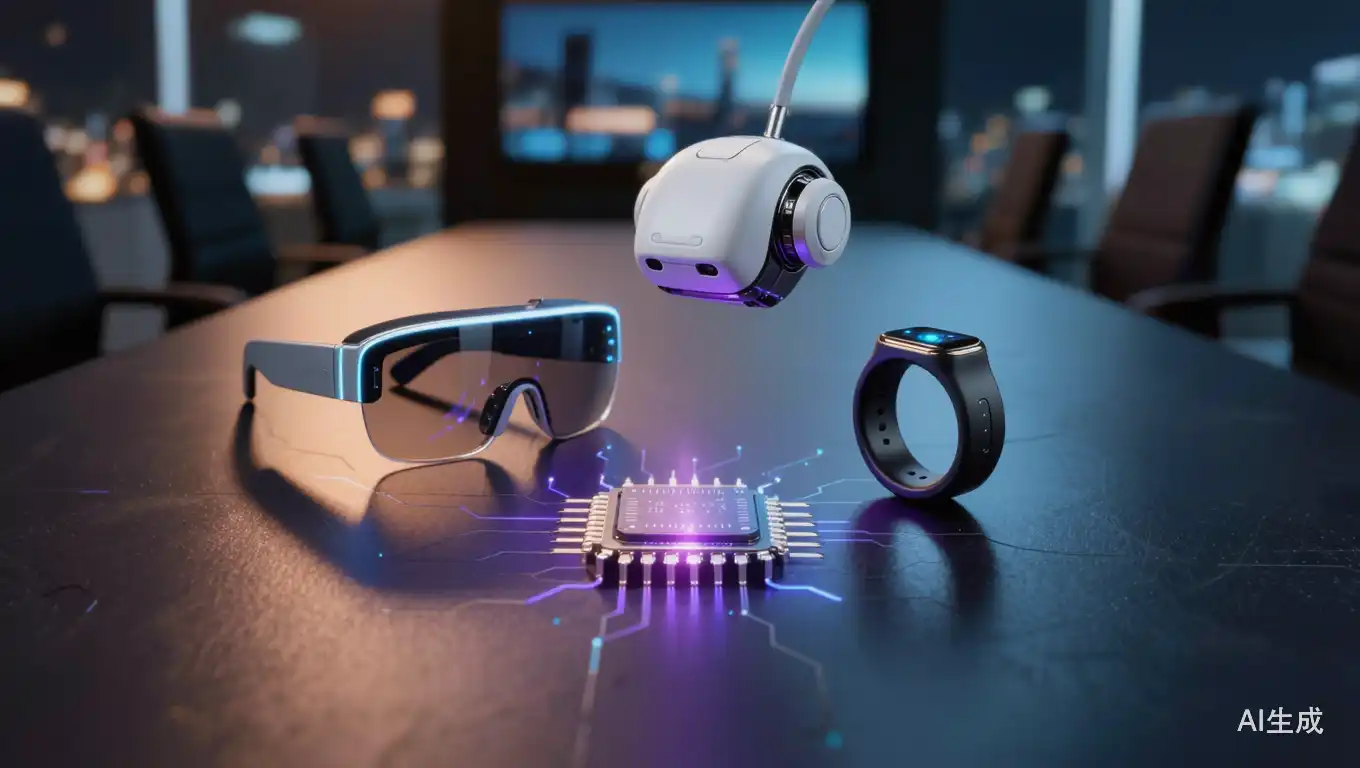
Dialogue with Yihui Capital, SoundAI Technology, Ling Universe, and Zhongbo Jili: Opportunities and Challenges in the AI Smart Hardware Track

On June 28, 2026, an event titled "New Opportunities in AI Hardware: The Battle for Interactive Entry Points Begins" was held in Beijing. It featured a report from ITJuzi and discussions with experts from SoundAI, Ling Universe, One Reed Capital, and Zhongbo Juli on the opportunities and challenges in China's AI hardware sector. Key report findings highlight the sector's intense activity: 327 out of 431 startups founded post-2023 have secured funding, with 179 investments in H1 2026 alone. The landscape is dominated by embodied intelligent robots, while wearable tech like smart rings and AI glasses shows rapid growth. Geographically, Shenzhen leads, leveraging its superior hardware supply chain, followed by Beijing and Shanghai. The overarching trend is for companies to focus on micro-innovations within specific scenarios rather than reinventing foundational technology. Industry leaders shared several critical insights: 1. **Balancing Innovation & Market Readiness**: Entrepreneurs face the "hammer looking for a nail" dilemma. Success requires balancing technical capability with user acceptance, cost control, and incremental design improvements rather than chasing disruptive innovation. 2. **Competitive Landscape**: The future interactive entry point may not be a single super-device but a mix of universal terminals and specialized, scenario-specific hardware. While large companies have ecosystem advantages, startups can win by deeply targeting vertical markets and specific user groups. 3. **Core Challenges & Business Models**: Key hurdles include deep understanding of AI models and navigating non-transparent hardware supply chains. Viable business models may involve selling hardware at cost and generating revenue through software subscriptions, but this requires tight control over both hardware BOM and model inference costs. 4. **The Road to Commercialization**: The ultimate test is market validation—achieving sales growth and sustainable cash flow. Companies must find the right application scenario, use edge computing effectively, and close the loop from technology to commercial success. 5. **The Future of Interaction**: Proactive, context-aware interaction is the next frontier, though it's currently limited by issues like model hallucinations and environmental perception. The near-term focus should be on identifying target users and creating a coherent experience in specific domains, such as health wearables. In summary, to succeed in the competitive AI hardware arena, companies must strategically choose their niche, build a team with the right geographical advantages (e.g., leveraging Shenzhen's supply chain), and most importantly, execute a flawless commercialization strategy that translates technology into market-accepted products and sustainable business growth.

marsbit28 хв тому

Dialogue with Yihui Capital, SoundAI Technology, Ling Universe, and Zhongbo Jili: Opportunities and Challenges in the AI Smart Hardware Track

marsbit28 хв тому

CryptoQuant Founder: The Cost to Double BTC Has Increased by 20,000 Times, Where Will the $100 Billion Buying Power Come From?

CryptoQuant founder Ki Young Ju analyzes Bitcoin's current capital challenge. He notes that the cryptocurrency market has grown too large for retail-driven momentum alone to generate massive price increases as in past cycles. His calculations show that in 2011, approximately $2.7 million in capital inflow could push BTC's price up by 550x, whereas the current cycle requires an estimated $101 billion in new capital just for a 100% price increase. This shift underscores that sustaining a bull run now depends on attracting large-scale, long-term institutional capital rather than short-term speculative trading. Recent outflows from US spot Bitcoin ETFs, totaling nearly $10 billion since May, highlight the fragility of current demand and challenge the narrative of deep institutional support. While surveys indicate continued institutional interest, these entities prioritize regulated products, risk management, and portfolio integration over speculative gains. For the next significant bull market, Bitcoin must transition to being a core macro asset. The key drivers are no longer just more buyers, but capital allocation from larger, slower-moving entities like wealth advisors, corporate treasuries, banks, and sovereign wealth funds. This new phase pits Bitcoin against other major asset classes like AI for a share of institutional capital, making its growth trajectory dependent on sustained, high-quality inflows from diversified financial balance sheets.

marsbit32 хв тому

CryptoQuant Founder: The Cost to Double BTC Has Increased by 20,000 Times, Where Will the $100 Billion Buying Power Come From?

marsbit32 хв тому

Торгівля

Спот
活动图片