Южнокорейские криптобиржи смогут блокировать транзакции без предупреждения

investing.ruОпубліковано о 2024-11-18Востаннє оновлено о 2024-11-18

Happycoin.club - Согласно новой поправке к Закону Южной Кореи о защите пользователей виртуальных активов, теперь криптобиржи могут приостанавливать транзакции на легальной основе. Это положение введено для борьбы со взломами, отмыванием денег и мошенничеством. Благодаря этому, биржи могут действовать быстро, не уведомляя пользователей заранее.

Первый закон Южной Кореи о защите пользователей криптовалют вступил в силу 19 июля 2024 года. Он принят в рамках стратегии по расширению отрасли, обеспечивая безопасность. Кроме того, за последние месяцы законодатели Южной Кореи внедрили ряд правил для снижения растущих угроз и недобросовестной торговой практики в криптоиндустрии.

Для защиты инвесторов Комиссия по финансовым услугам (FSC) легализовала Фонд защиты цифровых активов для защиты криптовалют, особенно в случае сбоя работы бирж.

В последней поправке к Закону о защите пользователей FSS подчеркнула важность предварительного уведомления. Позиция регулятора заключается в том, что биржи должны применять блокировки транзакций без предварительного уведомления только в чрезвычайных ситуациях.

South Korea’s largest crypto exchange, Upbit, is facing regulatory pressure over allegations of violating KYC regulations. During the exchange’s license renewal review, the Financial Intelligence Unit (FIU) of South Korea found that Upbit registered approximately 600,000 clients without proper customer verification procedures. This violation could result in fines of up to 100 million won, potentially complicating the license renewal.

Крупнейшая южнокорейская криптовалютная биржа Upbit сталкивается с регуляторным давлением из-за обвинений в нарушении правил KYC. В ходе проверки продления лицензии биржи Подразделение финансовой разведки (FIU) Южной Кореи обнаружило, что Upbit зарегистрировала около 600 000 клиентов без надлежащих процедур проверки клиентов. Это нарушение может повлечь за собой штрафы до 100 миллионов вон, что может усложнить продление лицензии.


Читайте оригинальную статью на сайте Happycoin.club

Пов'язані матеріали

Li Fei-Fei's Latest Long-Form Article: When Video Generation, Robotics, and NVIDIA All Call Themselves World Models, We Need a Taxonomy

In a new article, Dr. Fei-Fei Li addresses the widespread and often inconsistent use of the term "world model" in AI. She proposes a clear, functional taxonomy rooted in the classic Partially Observable Markov Decision Process (POMDP) loop (agent → action → state → observation → agent). According to this framework, current systems called "world models" are different projections of this loop, categorized by their primary output: 1. **Renderers**: Output observations (pixels). Their goal is visual fidelity for human consumption (e.g., video generation models like Sora). They are the most commercially mature but are limited by a focus on appearance over physical accuracy. 2. **Simulators**: Output states (geometric, physical, dynamic representations). They provide a structurally accurate world for both human professionals (e.g., architects) and computational agents (e.g., robots for training). Li argues simulators are the crucial, underappreciated bridge, as they can underpin both rendering and planning. 3. **Planners**: Output actions. Given an observation and a goal, they decide what an agent should do next (e.g., robotic action models). This area is highly promising but remains the least mature for real-world deployment. Li highlights a key trend: the boundaries between these three categories are beginning to blur, as they all rely on a shared underlying understanding of geometry, physics, and dynamics. The logical endpoint is a unified world foundation model capable of switching between rendering, simulation, and planning based on downstream needs. This convergence, she concludes, is central to advancing spatial intelligence—enabling machines not just to talk about the world, but to truly understand, imagine, and interact with it.

marsbit3 год тому

Li Fei-Fei's Latest Long-Form Article: When Video Generation, Robotics, and NVIDIA All Call Themselves World Models, We Need a Taxonomy

marsbit3 год тому

Forbes Feature: Stablecoin Cross-Border Payments Are Faster, But Not Yet Cheaper

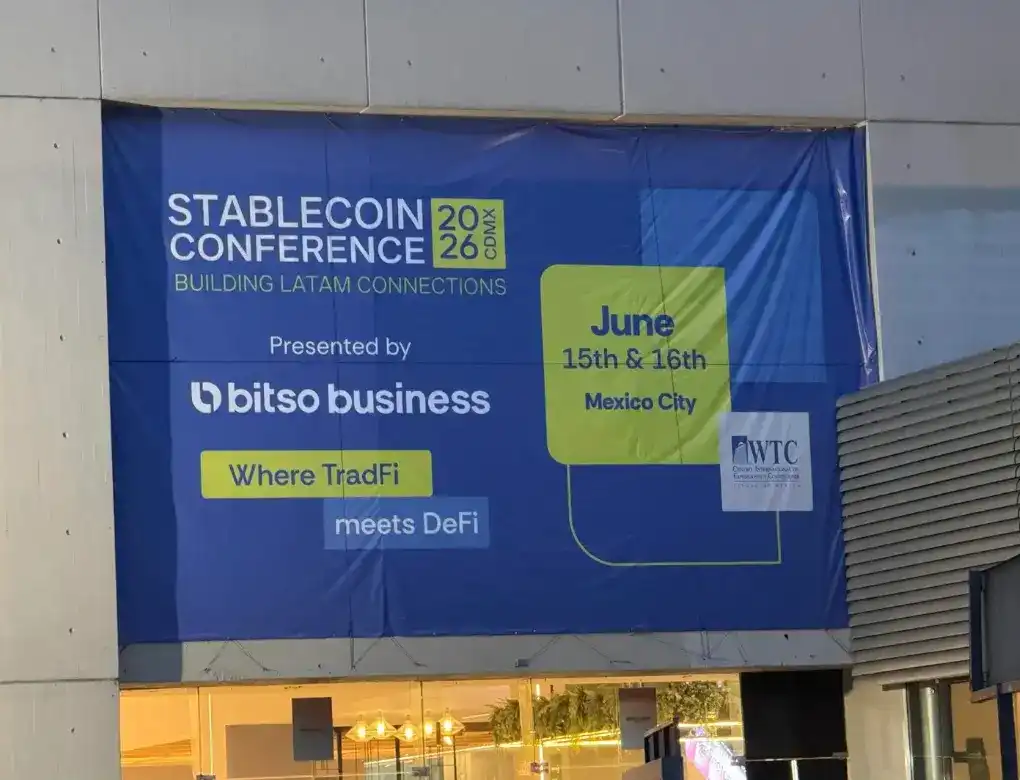
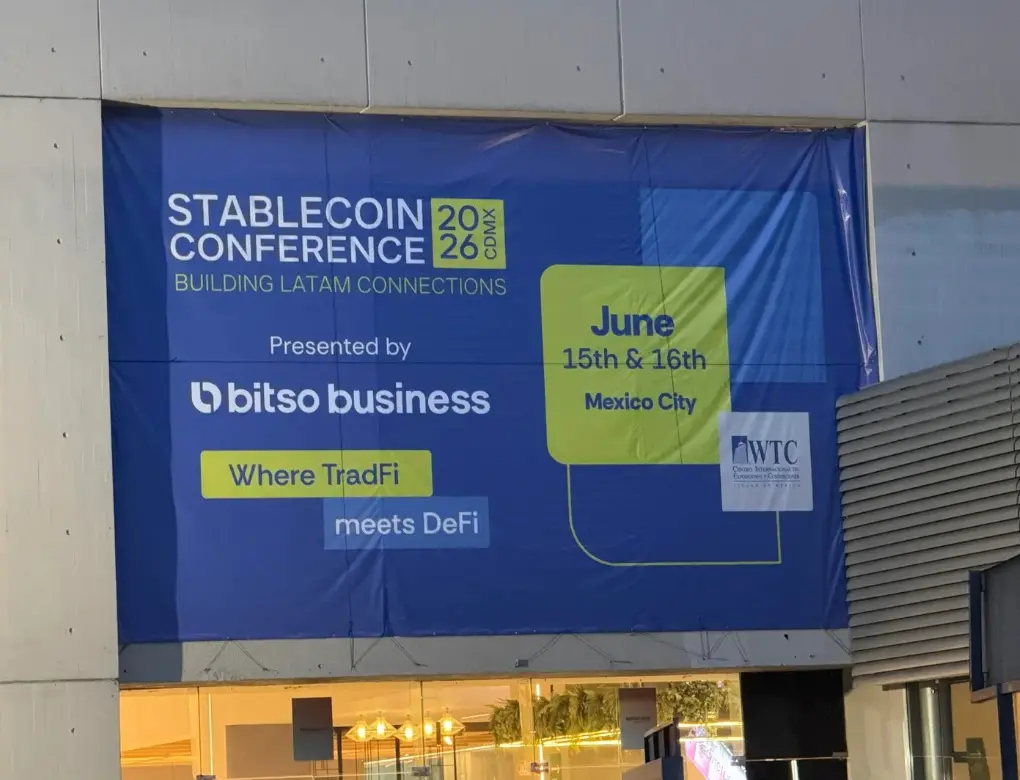
A Forbes feature delves into the state of stablecoin-based cross-border payments, noting rapid growth but a key shortfall: while faster and more accessible, they are not yet cheaper. At a recent industry conference in Mexico City, optimism about technology, regulation, and volume was tempered by discussions with practitioners. The core issue is liquidity. Traditional FX brokers charge 60-70 basis points, and stablecoins promise to slash this to 2-5 basis points. However, this theoretical cost advantage cannot be realized until deep liquidity pools are established at scale, requiring significant institutional capital inflow. A major adoption barrier is trust. Businesses often rely on long-standing relationships with traditional brokers, valuing reliability over marginal cost savings. This shift will be gradual. Furthermore, successful companies in the space are not positioning themselves as replacements for legacy systems like SWIFT, but as complements. They leverage stablecoins for speed while using traditional rails for their standardization and reliability in ensuring accurate payment details—a critical factor for supplier payments to avoid customs issues. Companies like Caliza, experiencing high monthly growth, exemplify this hybrid approach. The industry anticipates consolidation, as long-term viability will depend on securing the essential trifecta: proper licensing, robust fiat on/off-ramps, and deep liquidity. Without these, firms risk being mere intermediaries rather than building sustainable businesses.

marsbit3 год тому

Forbes Feature: Stablecoin Cross-Border Payments Are Faster, But Not Yet Cheaper

marsbit3 год тому

Торгівля

Спот
活动图片