Биржа Gemini извинилась за ошибку с объявлением о биткоине по $110 000

cryptonews.ruОпубліковано о 2024-11-15Востаннє оновлено о 2024-11-15

Команда криптобиржи Gemini принесла публичные извинения за рассылку предупреждения клиентам о том, что курс биткоина достиг значения $110 000.

Служба поддержки Gemini некоторое время назад разослала сообщение о том, что биткоин достиг новой рекордной отметки цены. Электронное письмо было разослано от имени Gemini 13 ноября. Теперь в компании его называют технической ошибкой.

В ветке на Reddit команда Gemini поделилась информацией о том, что биржа разослала в течение одного часа даже не одно, а два сообщения — с указанием курса биткоина в $105 000, а затем в $110 000. Часть трейдеров восприняла оповещение Gemini как сигнал на покупку и продажу, а другая предположила, что сервисы криптобиржи могли попасть под управление злоумышленников.

Команда биржи заявила, что адекватно воспринимает критику компании по поводу ложных оповещений и «осознает степень важности точной коммуникации между криптовалютной биржи и ее трейдеров». В Gemini добавили, что биржа рассмотрит возможность внедрения более совершенных систем коммуникации, включая механизмы оповещения.

В августе 2021 года 125 тысяч пользователей биржи Coinbase по ошибке получили письма с сообщением об изменении настроек двухфакторной аутентификации. Многих это повергло в панику, а некоторые даже продали свои активы.

Пов'язані матеріали

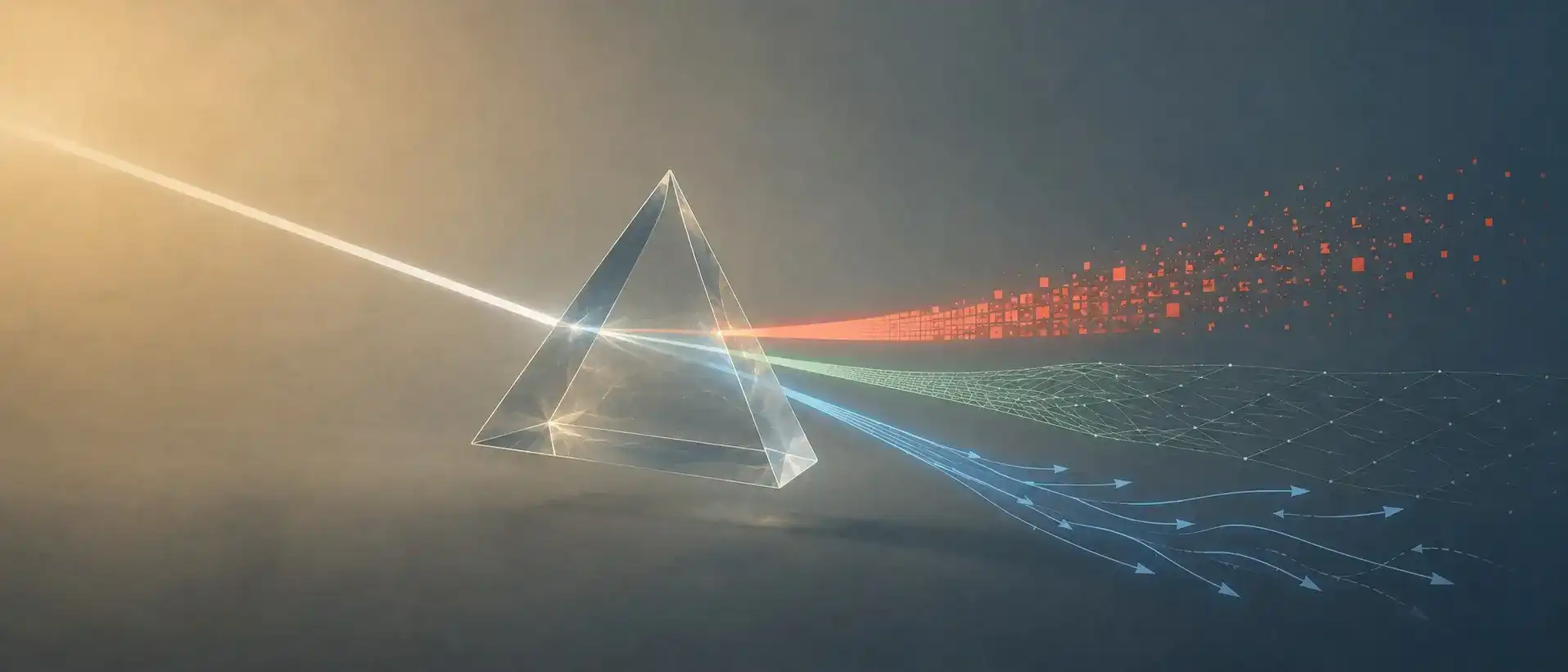
Li Fei-Fei's Latest Long-Form Article: When Video Generation, Robotics, and NVIDIA All Call Themselves World Models, We Need a Taxonomy

In a new article, Dr. Fei-Fei Li addresses the widespread and often inconsistent use of the term "world model" in AI. She proposes a clear, functional taxonomy rooted in the classic Partially Observable Markov Decision Process (POMDP) loop (agent → action → state → observation → agent). According to this framework, current systems called "world models" are different projections of this loop, categorized by their primary output: 1. **Renderers**: Output observations (pixels). Their goal is visual fidelity for human consumption (e.g., video generation models like Sora). They are the most commercially mature but are limited by a focus on appearance over physical accuracy. 2. **Simulators**: Output states (geometric, physical, dynamic representations). They provide a structurally accurate world for both human professionals (e.g., architects) and computational agents (e.g., robots for training). Li argues simulators are the crucial, underappreciated bridge, as they can underpin both rendering and planning. 3. **Planners**: Output actions. Given an observation and a goal, they decide what an agent should do next (e.g., robotic action models). This area is highly promising but remains the least mature for real-world deployment. Li highlights a key trend: the boundaries between these three categories are beginning to blur, as they all rely on a shared underlying understanding of geometry, physics, and dynamics. The logical endpoint is a unified world foundation model capable of switching between rendering, simulation, and planning based on downstream needs. This convergence, she concludes, is central to advancing spatial intelligence—enabling machines not just to talk about the world, but to truly understand, imagine, and interact with it.

marsbit5 год тому

Li Fei-Fei's Latest Long-Form Article: When Video Generation, Robotics, and NVIDIA All Call Themselves World Models, We Need a Taxonomy

marsbit5 год тому

Торгівля

Спот
活动图片