От слабых рук к сильным: долгосрочные инвесторы скупают биткоин на фоне паники спекулянтов

cryptonews.ruОпубліковано о 2024-05-10Востаннє оновлено о 2024-09-10

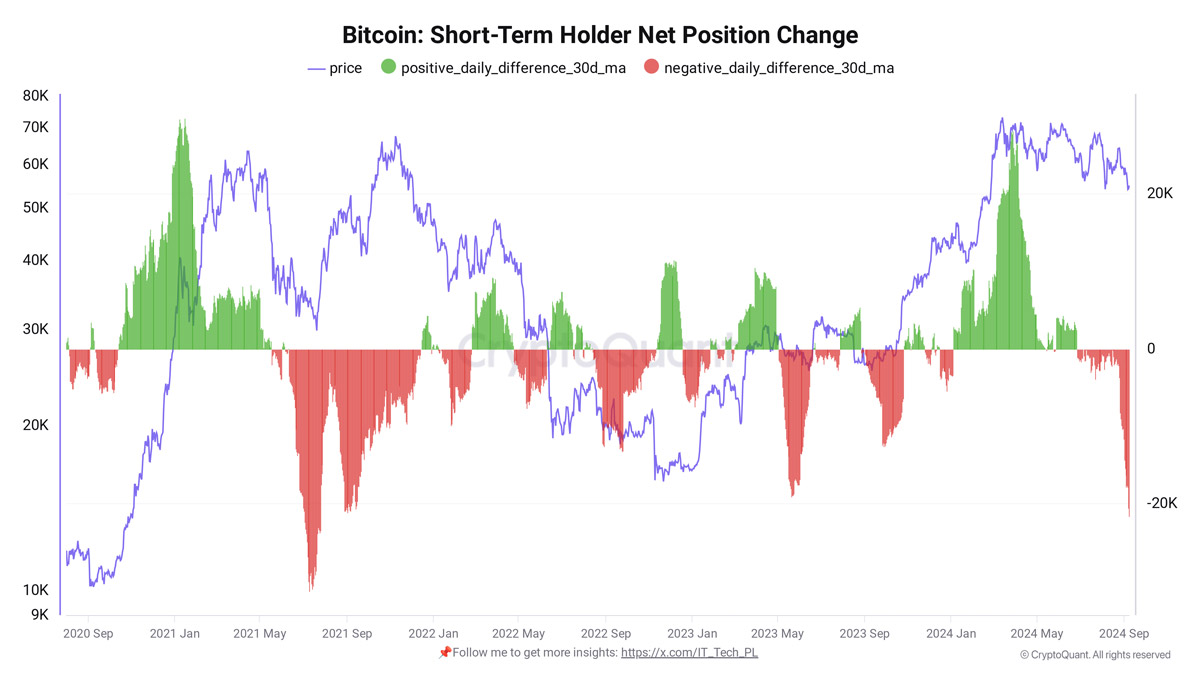
Динамика цены биткоина за последний месяц существенно повлияла на поведение инвесторов. По данным аналитической платформы CryptoQuant, краткосрочные держатели (STH) распродали более 21 000 BTC за 30 дней до 8 сентября. Такой масштабный исход сопоставим с рекордными показателями.

Переток капитала от «слабых рук» к «сильным»

CryptoQuant отслеживает 30-дневное изменение чистой позиции как краткосрочных, так и долгосрочных держателей (LTH). Аналитики платформы отмечают, что за последние две недели наблюдается значительное снижение чистых позиций STH. Это указывает на то, что краткосрочные инвесторы продают свои активы в ответ на недавнюю волатильность рынка.

Аналитик CryptoQuant IT Tech выделяет несколько ключевых тенденций среди STH:

  • Уход с рынка
  • Снижение рисков
  • Сокращение чистых позиций
Динамика позиций краткосрочных держателей биткоина. Источник: CryptoQuant

Стоит отметить, что такое масштабное 30-дневное снижение не наблюдалось с середины 2021 года.

Долгосрочные держатели наращивают позиции

В отличие от краткосрочных спекулянтов, долгосрочные инвесторы активно накапливают биткоин. За тот же 30-дневный период LTH увеличили свои чистые позиции на 22 000 BTC, что практически равно объему распродаж STH. Это самый значительный прирост за последние несколько лет.
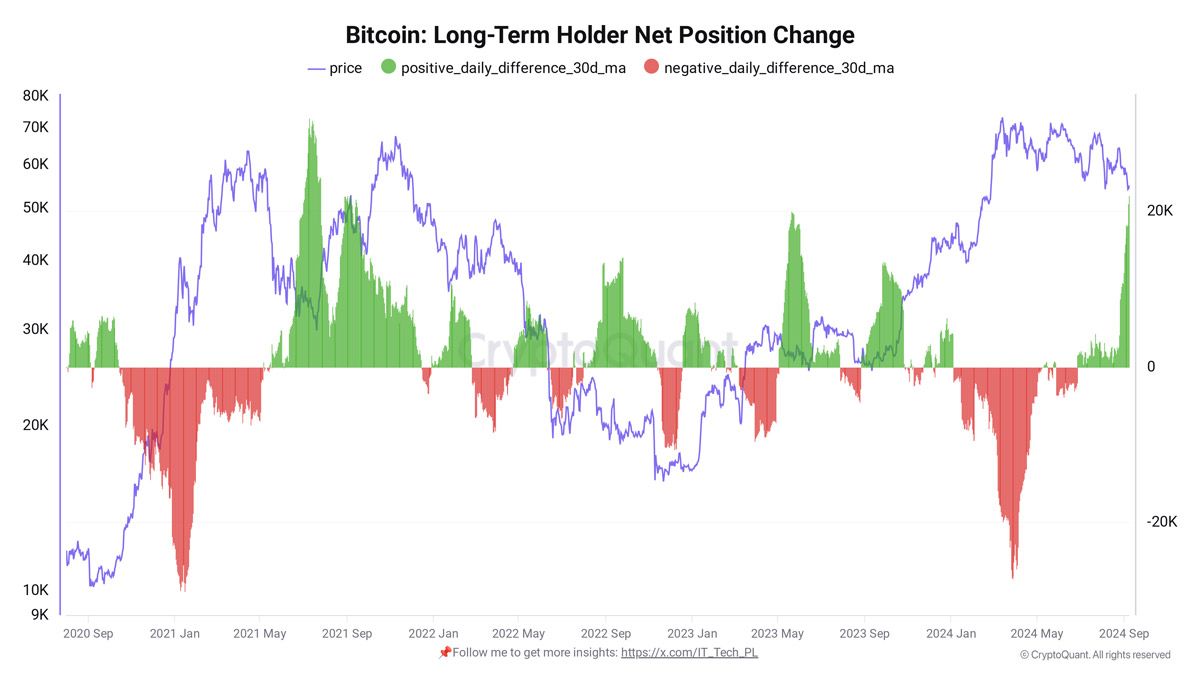
Динамика позиций долгосрочных держателей биткоина. Источник: CryptoQuant

IT Tech отмечает: «Усиление накопления со стороны LTH может привести к стабилизации цены и подготовить рынок к потенциальному восстановлению, в то время как распродажи STH могут создать краткосрочное давление на цену BTC».

Изменение структуры владения

По расчетам CryptoQuant, краткосрочные держатели сейчас владеют чуть менее 18% доступного предложения BTC. Средняя цена покупки для STH, которая обычно служит долгосрочной поддержкой во время бычьих рынков, в настоящее время находится около $64 000. Однако недавно эта тенденция оказалась ненадежной, что отражает значительные нереализованные убытки среди краткосрочных инвесторов.

Текущая ситуация демонстрирует классический сценарий перетока капитала от «слабых рук» к «сильным». Долгосрочные инвесторы, уверенные в перспективах биткоина, используют падение цены для наращивания позиций, в то время как краткосрочные спекулянты фиксируют убытки и покидают рынок.

Этот процесс перераспределения может заложить фундамент для будущего роста, когда большая часть предложения окажется сконцентрирована в руках наиболее стойких держателей. Однако в краткосрочной перспективе продолжающиеся распродажи со стороны STH могут оказывать дополнительное давление на цену биткоина.


Пов'язані матеріали

Li Fei-Fei's Latest Long-Form Article: When Video Generation, Robotics, and NVIDIA All Call Themselves World Models, We Need a Taxonomy

In a new article, Dr. Fei-Fei Li addresses the widespread and often inconsistent use of the term "world model" in AI. She proposes a clear, functional taxonomy rooted in the classic Partially Observable Markov Decision Process (POMDP) loop (agent → action → state → observation → agent). According to this framework, current systems called "world models" are different projections of this loop, categorized by their primary output: 1. **Renderers**: Output observations (pixels). Their goal is visual fidelity for human consumption (e.g., video generation models like Sora). They are the most commercially mature but are limited by a focus on appearance over physical accuracy. 2. **Simulators**: Output states (geometric, physical, dynamic representations). They provide a structurally accurate world for both human professionals (e.g., architects) and computational agents (e.g., robots for training). Li argues simulators are the crucial, underappreciated bridge, as they can underpin both rendering and planning. 3. **Planners**: Output actions. Given an observation and a goal, they decide what an agent should do next (e.g., robotic action models). This area is highly promising but remains the least mature for real-world deployment. Li highlights a key trend: the boundaries between these three categories are beginning to blur, as they all rely on a shared underlying understanding of geometry, physics, and dynamics. The logical endpoint is a unified world foundation model capable of switching between rendering, simulation, and planning based on downstream needs. This convergence, she concludes, is central to advancing spatial intelligence—enabling machines not just to talk about the world, but to truly understand, imagine, and interact with it.

marsbit4 год тому

Li Fei-Fei's Latest Long-Form Article: When Video Generation, Robotics, and NVIDIA All Call Themselves World Models, We Need a Taxonomy

marsbit4 год тому

Forbes Feature: Stablecoin Cross-Border Payments Are Faster, But Not Yet Cheaper

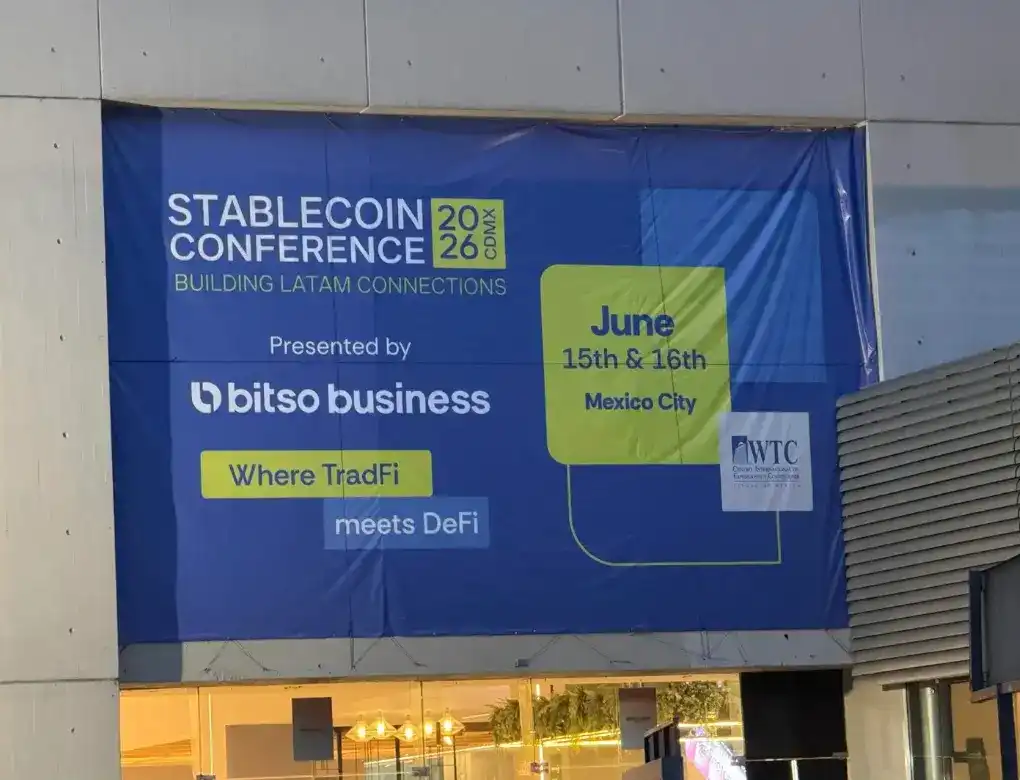
A Forbes feature delves into the state of stablecoin-based cross-border payments, noting rapid growth but a key shortfall: while faster and more accessible, they are not yet cheaper. At a recent industry conference in Mexico City, optimism about technology, regulation, and volume was tempered by discussions with practitioners. The core issue is liquidity. Traditional FX brokers charge 60-70 basis points, and stablecoins promise to slash this to 2-5 basis points. However, this theoretical cost advantage cannot be realized until deep liquidity pools are established at scale, requiring significant institutional capital inflow. A major adoption barrier is trust. Businesses often rely on long-standing relationships with traditional brokers, valuing reliability over marginal cost savings. This shift will be gradual. Furthermore, successful companies in the space are not positioning themselves as replacements for legacy systems like SWIFT, but as complements. They leverage stablecoins for speed while using traditional rails for their standardization and reliability in ensuring accurate payment details—a critical factor for supplier payments to avoid customs issues. Companies like Caliza, experiencing high monthly growth, exemplify this hybrid approach. The industry anticipates consolidation, as long-term viability will depend on securing the essential trifecta: proper licensing, robust fiat on/off-ramps, and deep liquidity. Without these, firms risk being mere intermediaries rather than building sustainable businesses.

marsbit4 год тому

Forbes Feature: Stablecoin Cross-Border Payments Are Faster, But Not Yet Cheaper

marsbit4 год тому

Торгівля

Спот
活动图片