Британский регулятор предъявил обвинения первому лицу за управление сетью незаконных Криптo

cryptonews.ruОпубліковано о 2024-05-10Востаннє оновлено о 2024-09-10

  • Британский регулятор Financial Conduct Authority предъявил обвинения 45-летнему жителю Лондона Олумиде Осункойе в управлении сетью нелегальных Криптo .
  • По данным FCA, это также первые обвинения, выдвинутые против человека, обвиняемого в управлении сетью Криптo в Великобритании.

Регулятор Великобритании Управление по финансовому регулированию и надзору (FCA) предъявил обвинение физическому лицу за управление сетью нелегальных Криптo , говорится в пресс-релизе, опубликованном во вторник .

Олумиде Осункойя, 45-летний лондонец, обвиняется в управлении Криптo , которые обрабатывали Криптo транзакции на сумму 2,6 млн фунтов стерлингов (3,4 млн долларов США) в разных местах в период с декабря 2021 года по сентябрь 2023 года без необходимой регистрации. Теперь ответчик должен предстать перед Вестминстерским магистратским судом 30 сентября.

«Это также первые обвинения, выдвинутые против человека, обвиняемого в управлении сетью Криптo в Великобритании», — говорится в заявлении FCA.

Обвинения Социальные сети арестом в прошлом месяце 37-летнего Хабибура Рахмана, который также родом из Лондона. Он был первым первым человеком в Великобритании, которому было предъявлено обвинение в эксплуатации одного незаконного Криптовалюта банкомата. Он также предположительно отмыл $392 557 наличными, конвертировав их в Криптo, сообщила BBC в прошлом месяце.

Ни одна из 44 зарегистрированных Криптo не имеет необходимого разрешения на установку Криптo , что делает все Криптo в Великобритании незаконными.

В последние годы FCA ужесточает меры против нелегальных Криптo . В мае прошлого года FCA совместно с полицией провела рейды по объектам в Эксетере, Ноттингеме и Шеффилде. К концу 2023 года регулятор провел 34 проверки .

«Наше сегодняшнее послание ясно. Если вы незаконно используете Криптo , мы вас остановим», — заявила в пресс-релизе во вторник Тереза ​​Чемберс, соисполнительный директор по правоприменению и надзору за рынком в FCA.

Пов'язані матеріали

Li Fei-Fei's Latest Long-Form Article: When Video Generation, Robotics, and NVIDIA All Call Themselves World Models, We Need a Taxonomy

In a new article, Dr. Fei-Fei Li addresses the widespread and often inconsistent use of the term "world model" in AI. She proposes a clear, functional taxonomy rooted in the classic Partially Observable Markov Decision Process (POMDP) loop (agent → action → state → observation → agent). According to this framework, current systems called "world models" are different projections of this loop, categorized by their primary output: 1. **Renderers**: Output observations (pixels). Their goal is visual fidelity for human consumption (e.g., video generation models like Sora). They are the most commercially mature but are limited by a focus on appearance over physical accuracy. 2. **Simulators**: Output states (geometric, physical, dynamic representations). They provide a structurally accurate world for both human professionals (e.g., architects) and computational agents (e.g., robots for training). Li argues simulators are the crucial, underappreciated bridge, as they can underpin both rendering and planning. 3. **Planners**: Output actions. Given an observation and a goal, they decide what an agent should do next (e.g., robotic action models). This area is highly promising but remains the least mature for real-world deployment. Li highlights a key trend: the boundaries between these three categories are beginning to blur, as they all rely on a shared underlying understanding of geometry, physics, and dynamics. The logical endpoint is a unified world foundation model capable of switching between rendering, simulation, and planning based on downstream needs. This convergence, she concludes, is central to advancing spatial intelligence—enabling machines not just to talk about the world, but to truly understand, imagine, and interact with it.

marsbit4 год тому

Li Fei-Fei's Latest Long-Form Article: When Video Generation, Robotics, and NVIDIA All Call Themselves World Models, We Need a Taxonomy

marsbit4 год тому

Forbes Feature: Stablecoin Cross-Border Payments Are Faster, But Not Yet Cheaper

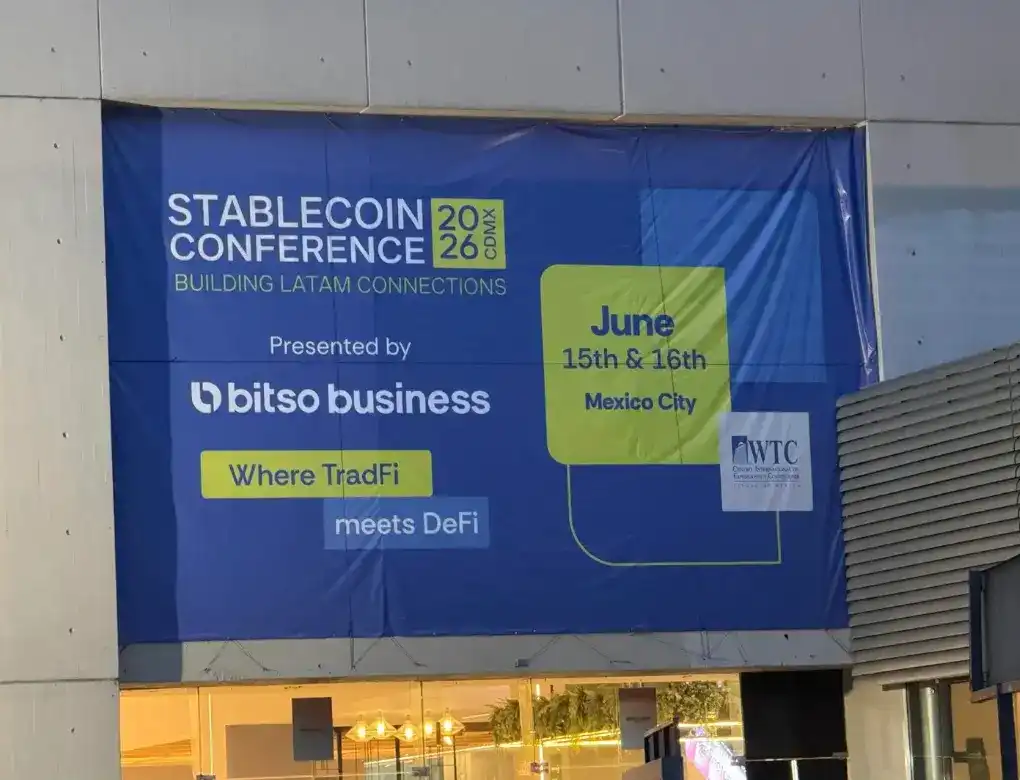
A Forbes feature delves into the state of stablecoin-based cross-border payments, noting rapid growth but a key shortfall: while faster and more accessible, they are not yet cheaper. At a recent industry conference in Mexico City, optimism about technology, regulation, and volume was tempered by discussions with practitioners. The core issue is liquidity. Traditional FX brokers charge 60-70 basis points, and stablecoins promise to slash this to 2-5 basis points. However, this theoretical cost advantage cannot be realized until deep liquidity pools are established at scale, requiring significant institutional capital inflow. A major adoption barrier is trust. Businesses often rely on long-standing relationships with traditional brokers, valuing reliability over marginal cost savings. This shift will be gradual. Furthermore, successful companies in the space are not positioning themselves as replacements for legacy systems like SWIFT, but as complements. They leverage stablecoins for speed while using traditional rails for their standardization and reliability in ensuring accurate payment details—a critical factor for supplier payments to avoid customs issues. Companies like Caliza, experiencing high monthly growth, exemplify this hybrid approach. The industry anticipates consolidation, as long-term viability will depend on securing the essential trifecta: proper licensing, robust fiat on/off-ramps, and deep liquidity. Without these, firms risk being mere intermediaries rather than building sustainable businesses.

marsbit4 год тому

Forbes Feature: Stablecoin Cross-Border Payments Are Faster, But Not Yet Cheaper

marsbit4 год тому

Торгівля

Спот
活动图片