市场波动下的 DeFi 众生相:一波万波

foresightnewsОпубліковано о 2024-08-06Востаннє оновлено о 2024-08-13

Анотація

「一石激起千层浪」的市场,以不变应万变

波涛汹涌的链上,DeFi 正直接迎战。


撰文:Pzai,Foresight News


昨日,随着全球市场经历巨大震荡,加密市场也没能独善其身。而在链上,仅以太坊生态上就创下单日清算超 3.5 亿美元的记录。市场的「一波」正在激发 DeFi 的「万波」,而 DeFi 项目是如何应对的?海啸退去之时又是谁在裸泳?故笔者撰写本文对 DeFi 在市场波动下的表现进行总结。


稳定币


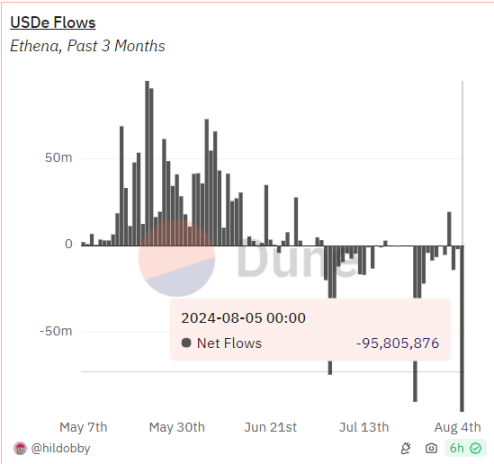
在 Ethena 方面,昨日其稳定币 USDe 创下单日流出 9580 万美元的记录,总供应量也从巅峰时期的 36 亿枚回落至 31 亿枚左右。由于 Ethena 的机制导致多头头寸必须保持在较高水平,随着市场的下跌,抵押物的潜在清算导致用户需要控制风险,继而赎回相关代币。


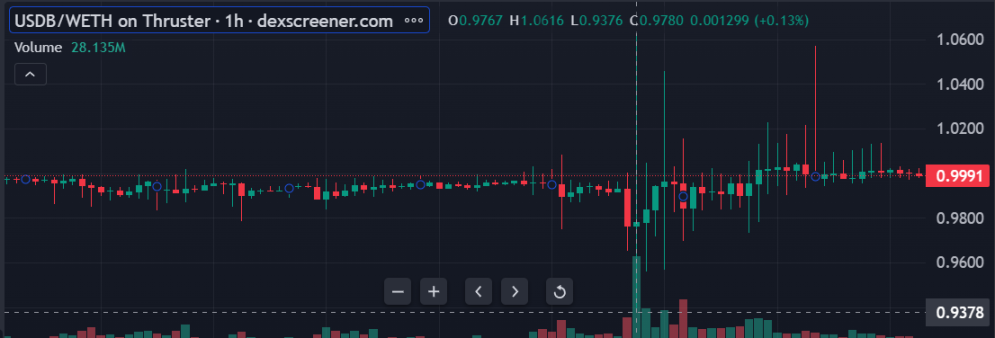
另外 Blast 上稳定币 USDB 在昨日短时脱锚至最低 0.937 美元。由于 Blast 的稳定币生态相对封闭,且 Blast 链启动初期项目方对 USDB 的激励较大,导致市场波动时资金流出的影响较大。现在 USDB 已经基本回锚。


借贷协议


就清算情况而言,8 月 5 日的清算情况最为严重,整体规模超过 3.5 亿美元。按协议分配来看,Aave V3 的清算额最大,达到 2.5 亿美元。其次是 Compound 清算,总清算额达 7960 万美元。在 Aave V3 的清算中,主要集中于以太坊的大类资产清算,前三名分别为 WETH、wstETH 和 WBTC。
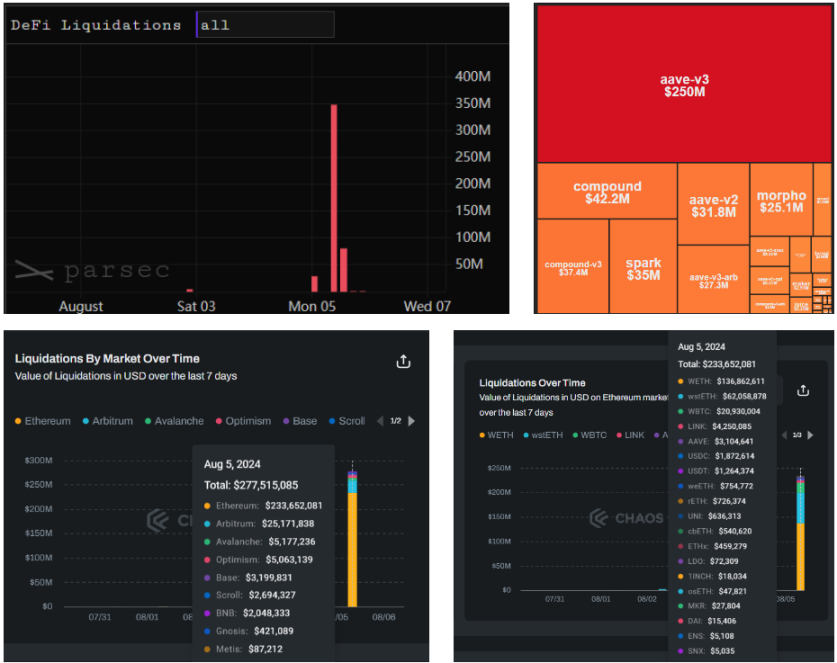


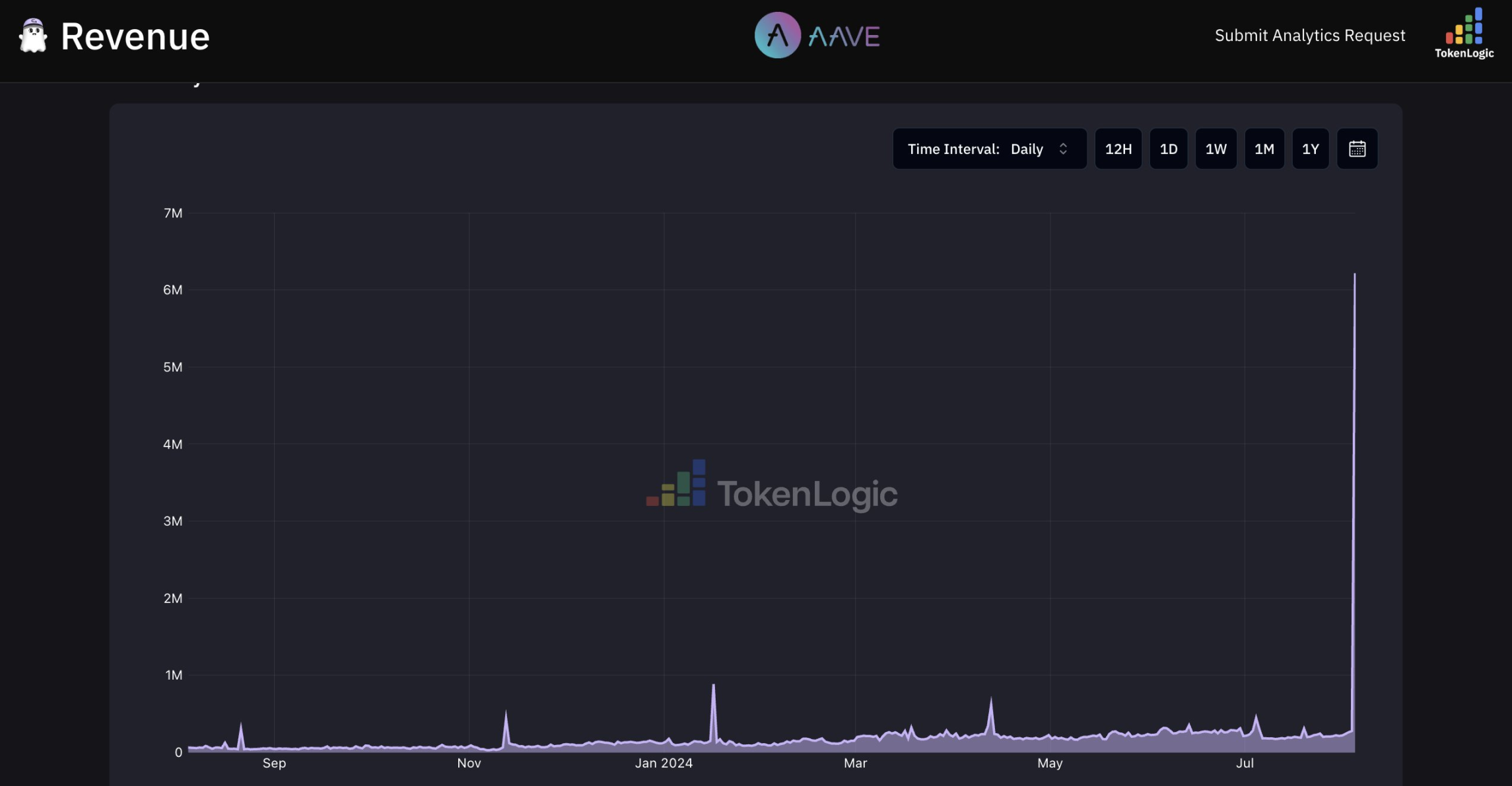
在市场波动中,Aave 也获得了超过 600 万美元的收入。


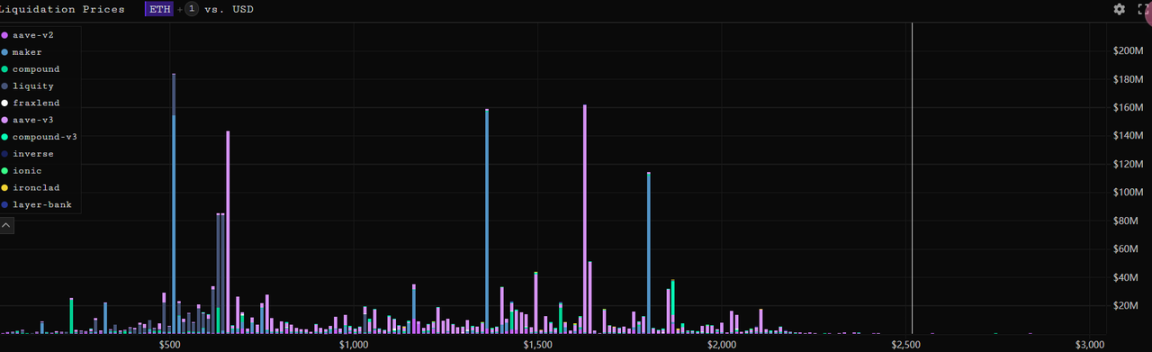
清算完成后,链上整体的清算线已经低于 2000 美元。在清算中,由于机制特性,在市场波动较大时容易出现坏账,如 Aave V3 近七天内共产生了 35 万美元的坏账。相比之下,Curve Llamalend 因为其软清算机制避免了大部分硬清算,其中软清算在 8 月 5 日承担了 5024 万美元的清算份额。
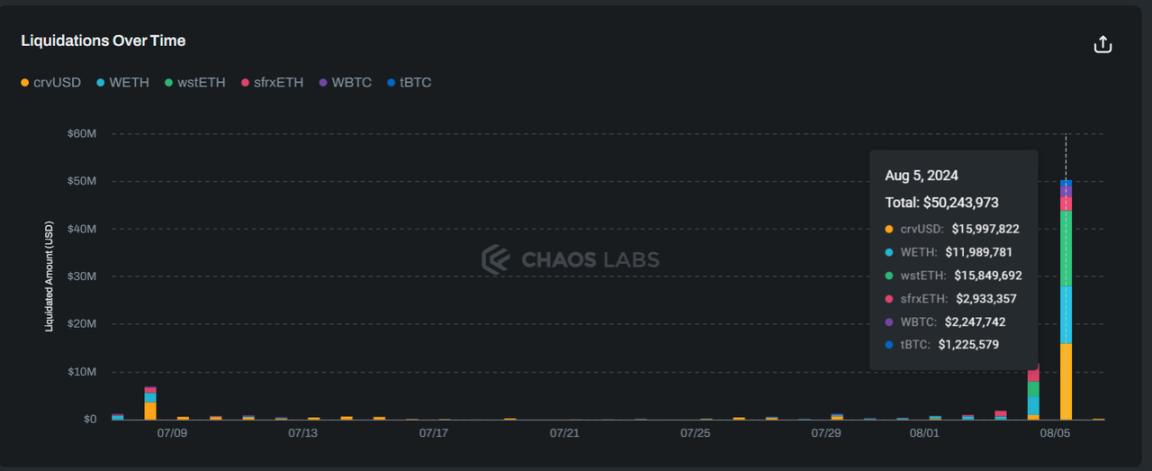

整体而言,借贷协议对本次市场波动的应对还算差强人意。


去中心化交易所(DEX)


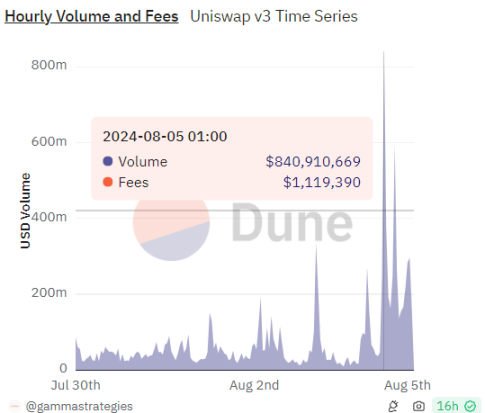
在 Uniswap V3 中,8 月 5 日达到最高峰值 8.4 亿美元,并为 LP 产生了 111.9 万美元的费用。


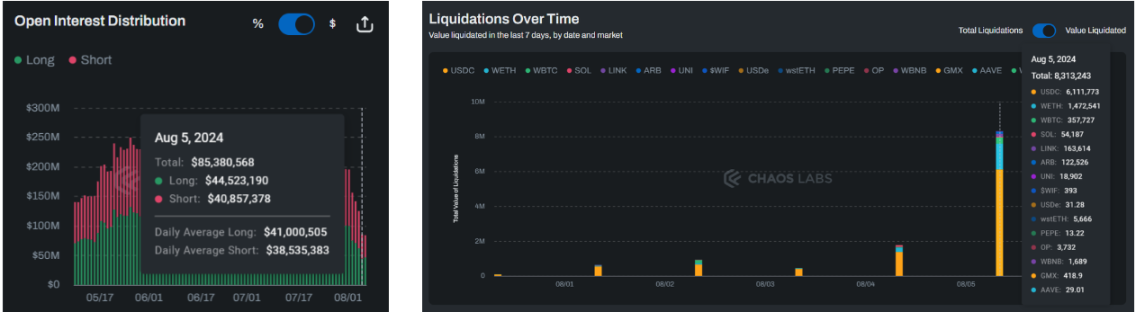
GMX 方面,8 月 5 日当天,持有头寸较前日下降了 30% 左右,并清算了 830 万美元的资产,主要以 USDC 为主。


再质押


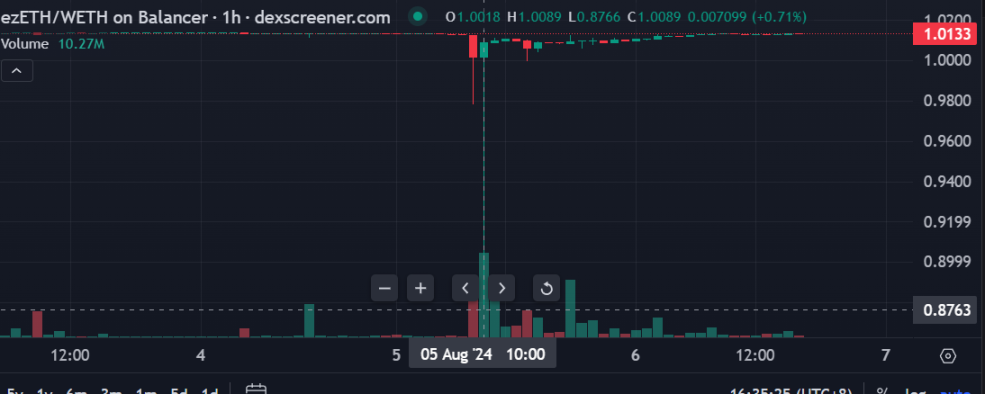
再质押资产作为现今以太坊的核心资产之一,市场波动下的流出也比较显著。例如 Renzo 的质押通证 ezETH 最低脱锚至 0.876 WETH 点位。


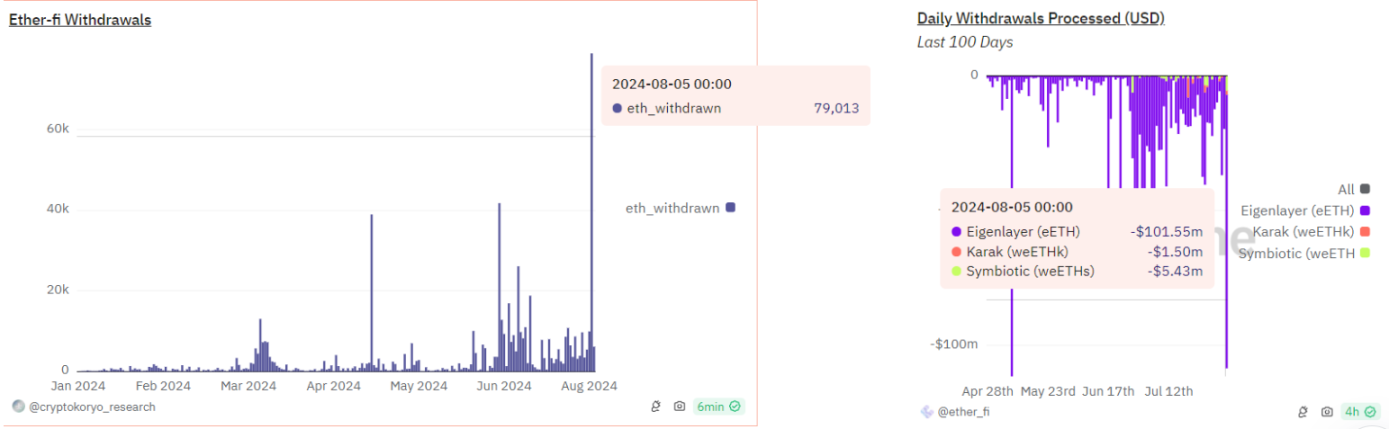
协议流出上,以 ether.fi 为例,8 月 5 日全天就提现了 79013 枚 ETH,总价值超过 1 亿美元,其中大部分是 Eigenlayer 的 eETH 提现。凭借着超过 7.7 万枚 ETH 的流动性和 73% 以上的 DeFi 利用率,协议不存在整体上的挤兑风险。


整体而言,Lido stETH 提现队列没有大幅增长的态势,且链上主要的 LST 一直保持稳定。所以整体上再质押生态没有系统性风险。


References:

https://parsec.fi/layout/cryptoian/_N33MkeM

https://community.chaoslabs.xyz/aave/risk/liquidations

https://dune.com/ether_fi/etherfi

https://dune.com/hildobby/ethena
Пов'язані матеріали

After Yushu Got Hot, a 68-Year-Old Auto Parts Boss Bet 1.85 Billion

After staying relatively low-profile for years, Shanghai Bate Technology, a traditional auto parts supplier, has recently been thrust into the spotlight as a leading humanoid robotics concept stock. This shift is largely tied to the impending IPO of robotics company Unitree, with which Bate collaborates on prototype development. Bate's founder, 68-year-old Jin Kun, is making a bold bet on this new frontier. The company is investing 1.85 billion yuan to build a major R&D and production base in Kunshan for planetary roller screws—a key component in robot joints. With an annual capacity of 2.6 million sets planned, plus overseas expansion, this represents a massive, forward-looking commitment from a firm whose 2025 revenue of 2.3 billion yuan still relies almost entirely on its traditional automotive business (over 98%). The investment highlights a strategic pivot. Bate aims to leverage decades of expertise in metal processing, precision manufacturing, and heat treatment from the automotive sector and apply it to the burgeoning robotics industry. However, this move carries significant risk. The company has not yet secured formal supplier contracts or begun mass deliveries for its roller screws. It is essentially betting on future demand in a market that remains nascent. The broader industry context adds to the uncertainty. While multiple Chinese manufacturers are racing to invest in similar robotics component capacity (totaling over 6 billion yuan), the downstream humanoid robot market is still in its early stages. Estimates put 2025 global shipments at only around 18,000 units, primarily for entertainment, education, and data collection rather than large-scale industrial use. This creates a critical mismatch: the speed of upstream component factory construction and capital investment is far outpacing the commercialization and adoption of the robots themselves. Bate's story, driven by Jin Kun's decisive gamble, encapsulates the high-stakes transition facing traditional manufacturers seeking a "second growth curve" in robotics—a future full of potential but currently backed more by market anticipation than concrete financial results.

marsbit3 хв тому

After Yushu Got Hot, a 68-Year-Old Auto Parts Boss Bet 1.85 Billion

marsbit3 хв тому

EIP-8363 Explained: Burning Staking Rewards to Save Ethereum? Independent Node Operators Might Be the First to Leave

Analysis of EIP-8363: A Proposal to Burn Staking Rewards and its Potential Impacts on Ethereum A new Ethereum Improvement Proposal, EIP-8363, has sparked significant debate. Its core mechanism is to progressively burn validator consensus rewards, aiming to reduce the issuance rate to 0% once 50% of the total ETH supply is staked. Proponents argue this would cap the staked ETH ratio, enhancing credible neutrality and censorship resistance by discouraging excessive centralization among large staking operators and liquid staking token (LST) providers. However, a critical analysis suggests the proposal may create more problems than it solves. While it compresses the ETH staking range where profitability turns negative (from 70-100 million ETH down to 50-60 million ETH), it does not fundamentally alter the competitive disadvantage of independent stakers. Due to economies of scale, large operators would still retain advantages in costs and MEV opportunities. Independent stakers are predicted to be the first to face negative real returns under the new curve. The economic repercussions could be severe. A sharp decline in base staking yield would disrupt DeFi ecosystems built around this yield, potentially reversing incentives for borrowing ETH and triggering large-scale unwinding of leveraged staking strategies. This could lead to significant selling pressure on ETH as professional staking operations become unprofitable and exit. The proposal is criticized for being based on uncertain future market equilibriums and for potentially imposing costs that outweigh its stated benefits, without fully addressing the underlying issues of centralization it aims to solve.

marsbit4 хв тому

EIP-8363 Explained: Burning Staking Rewards to Save Ethereum? Independent Node Operators Might Be the First to Leave

marsbit4 хв тому

Торгівля

Спот
活动图片