Дайджест криптоновостей за ночь 8 августа

cryptonews.ruОпубліковано о 2024-05-09Востаннє оновлено о 2024-08-09

Согласно данным на утро 9 августа 2024 года, котировки криптовалюты биткоин (BTC) превысили отметку $61 000. Таким образом стоимость цифровой монеты поднялась на 7,5% за минувшие 24 часа. Однако, этот показатель, по-прежнему, на 10,8% ниже значений недельной давности. Рыночная капитализация актива достигла значения $1,13 трлн.

В своем постановлении президент России Владимир Путин подписал закон о легализации криптовалюты в РФ. Это позволит местным зарегистрированным предпринимателям добывать криптовалюту. Глава государства разрешил некоторым компаниям использовать криптотранзакции для международной торговли. При этом внутреннее использование цифровых валют все еще запрещено.

  1. Общая ситуация в секторе криптовалют
  2. Альткоины и токены
  3. Регулирование
  4. Предложения и инициативы
  5. Прочие новости

Общая ситуация в секторе криптовалют

На рынке биткоинов наблюдаются значительные движения на фоне высокой институциональной активности. Проблемы Ethereum (ETH) постепенно прекращаются. Котировки цифровой монеты выросли почти на 11% за минувшие сутки и достигли $2675. Спотовые биткоин-ETF привлекли $195 млн, а эфирные продукты лишь $3 млн.

Альткоины и токены

Рыночная капитализация Solana (SOL) выросла почти на 5% после одобрения ETF в Бразилии. Binance осуществила листинг Toncoin и представила новые торговые пары. Платформа Pacmoon мигрирует на Solana и подвергнется ребрендингу в ARMY. Nexera сжигает украденные токены для повышения безопасности.

Регулирование

Судья Нью-Йорка одобрил соглашение FTX на сумму $12,7 млрд. Компания Ripple оштрафована на $125 млн за нарушение закона о ценных бумагах В США. Экстрадиция До Квона из Черногории в Южную Корею снова отложена по решению суда.

Предложения и инициативы

USABTC предлагает создать безналоговую цифровую экономическую зону для Bitcoin. Создатели Mantle Network представили инициативу mETH с высокой доходностью.

Прочие новости

Шансы Дональда Трампа на победу в выборах президента США в 2024 году, по данным Polymarket, стремительно падают. Moonveil привлекает инвестиции для расширения игровой Web3-экосистемы. Биржа WazirX отменит все сделки, которые были проведены после взлома платформы. Aptos Labs и Stacks объединяются для стимулирования инноваций в сфере биткоинов.

MultiversX интегрирует двухфакторную аутентификацию в MetaMask. NEAR запускает блокчейн-подписи для обеспечения кроссчейн-транзакций. Franklin Templeton запускает фонд OnChain Money на платформе Arbitrum. Path Digital Advisors сотрудничает с Gemini для создания приложения Crypto Portfolio. Immutable закрывает торговую площадку NFT.


Пов'язані матеріали

Li Fei-Fei's Latest Long-Form Article: When Video Generation, Robotics, and NVIDIA All Call Themselves World Models, We Need a Taxonomy

In a new article, Dr. Fei-Fei Li addresses the widespread and often inconsistent use of the term "world model" in AI. She proposes a clear, functional taxonomy rooted in the classic Partially Observable Markov Decision Process (POMDP) loop (agent → action → state → observation → agent). According to this framework, current systems called "world models" are different projections of this loop, categorized by their primary output: 1. **Renderers**: Output observations (pixels). Their goal is visual fidelity for human consumption (e.g., video generation models like Sora). They are the most commercially mature but are limited by a focus on appearance over physical accuracy. 2. **Simulators**: Output states (geometric, physical, dynamic representations). They provide a structurally accurate world for both human professionals (e.g., architects) and computational agents (e.g., robots for training). Li argues simulators are the crucial, underappreciated bridge, as they can underpin both rendering and planning. 3. **Planners**: Output actions. Given an observation and a goal, they decide what an agent should do next (e.g., robotic action models). This area is highly promising but remains the least mature for real-world deployment. Li highlights a key trend: the boundaries between these three categories are beginning to blur, as they all rely on a shared underlying understanding of geometry, physics, and dynamics. The logical endpoint is a unified world foundation model capable of switching between rendering, simulation, and planning based on downstream needs. This convergence, she concludes, is central to advancing spatial intelligence—enabling machines not just to talk about the world, but to truly understand, imagine, and interact with it.

marsbit3 год тому

Li Fei-Fei's Latest Long-Form Article: When Video Generation, Robotics, and NVIDIA All Call Themselves World Models, We Need a Taxonomy

marsbit3 год тому

Forbes Feature: Stablecoin Cross-Border Payments Are Faster, But Not Yet Cheaper

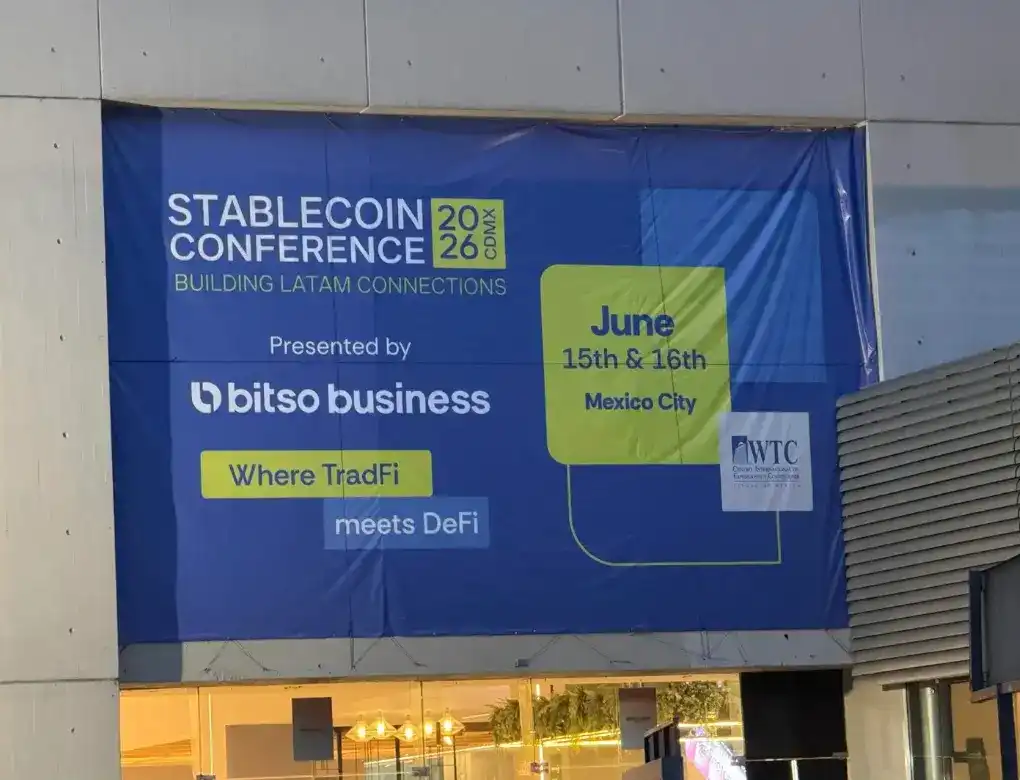
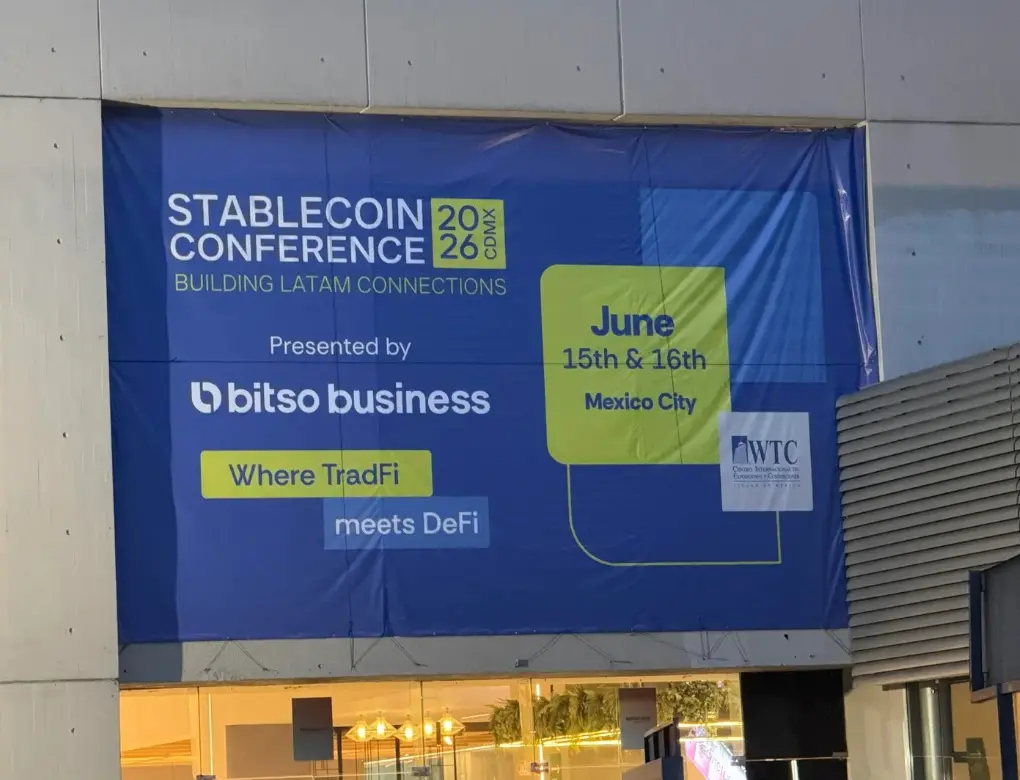
A Forbes feature delves into the state of stablecoin-based cross-border payments, noting rapid growth but a key shortfall: while faster and more accessible, they are not yet cheaper. At a recent industry conference in Mexico City, optimism about technology, regulation, and volume was tempered by discussions with practitioners. The core issue is liquidity. Traditional FX brokers charge 60-70 basis points, and stablecoins promise to slash this to 2-5 basis points. However, this theoretical cost advantage cannot be realized until deep liquidity pools are established at scale, requiring significant institutional capital inflow. A major adoption barrier is trust. Businesses often rely on long-standing relationships with traditional brokers, valuing reliability over marginal cost savings. This shift will be gradual. Furthermore, successful companies in the space are not positioning themselves as replacements for legacy systems like SWIFT, but as complements. They leverage stablecoins for speed while using traditional rails for their standardization and reliability in ensuring accurate payment details—a critical factor for supplier payments to avoid customs issues. Companies like Caliza, experiencing high monthly growth, exemplify this hybrid approach. The industry anticipates consolidation, as long-term viability will depend on securing the essential trifecta: proper licensing, robust fiat on/off-ramps, and deep liquidity. Without these, firms risk being mere intermediaries rather than building sustainable businesses.

marsbit3 год тому

Forbes Feature: Stablecoin Cross-Border Payments Are Faster, But Not Yet Cheaper

marsbit3 год тому

Торгівля

Спот
活动图片