Editor's Note: Amid rising inflation expectations and a weakening U.S. dollar, "allocating to gold" is once again becoming a mainstream consensus. Whether in media commentary or personal investment advice, gold is repeatedly emphasized as an effective tool against uncertainty.
But the problem is: When "buying gold" becomes the consensus, what ultimately determines the outcome is not just the asset itself, but what kind of gold you are buying and through whom.
This article is compiled from the investigative content of Tucker Carlson's recent program "The Great Gold Scam." From a mechanistic perspective, the core of such scams is not complicated:
Step one is to change the product form. Sales companies do not sell standard gold bars but instead launch "exclusively issued" commemorative gold coins, using concepts like "limited edition" and "collectible value" to significantly mark up the price, with premiums as high as 90% or even 130%.
Step two is to control pricing and exit mechanisms. These coins' circulation and pricing are controlled by the sales company. Investors pay high premiums when buying but can only sell back at prices close to the gold melt value, locking in the price difference completely.
Step three is to utilize trust for distribution. Companies partner with conservative media personalities and influencers to convert their audiences into clients. Viewers make investment decisions based on long-established trust, while the media side earns high revenues through advertising, commissions, and other means—some companies even pay nearly $20 million annually for channel placement.
The experiences of victims also follow a similar path: some transferred their retirement accounts into gold for hedging needs; some made decisions based on "program recommendations" or "trust in acquaintances"; others were influenced by historical experience, believing in its value in extreme scenarios. But once inside this system, they all face the same outcome—buying at high premiums, selling at low回收 prices, and suffering irrecoverable asset losses.
From a regulatory perspective, this issue has long existed and is difficult to根治. Although agencies like the SEC and CFTC have repeatedly sued related companies, due to low industry barriers and high personnel turnover, teams often quickly reorganize and rebrand after one company falls, creating a "whack-a-mole" cycle.
A point raised at the end of the program is worth noting: There is nothing wrong with gold itself; the problem lies in how it is sold. When a standardized, publicly priced asset is packaged into a high-margin distribution system, the relationship between its price and value becomes systematically distorted.
Below is the original content (edited for readability):
When Gold Becomes Consensus, a Business of "Harvesting Trust" Begins to Operate
Tucker Carlson (Host):
In 2025, gold prices experienced explosive growth. Within just one year, the price per ounce rose from $2,700 to $4,300, a 62% increase in 12 months. Why did this happen? There are many reasons, but the most important factor is likely the weakening U.S. dollar. And for years, some heavyweight figures in conservative media have been predicting this. They knew it would happen.
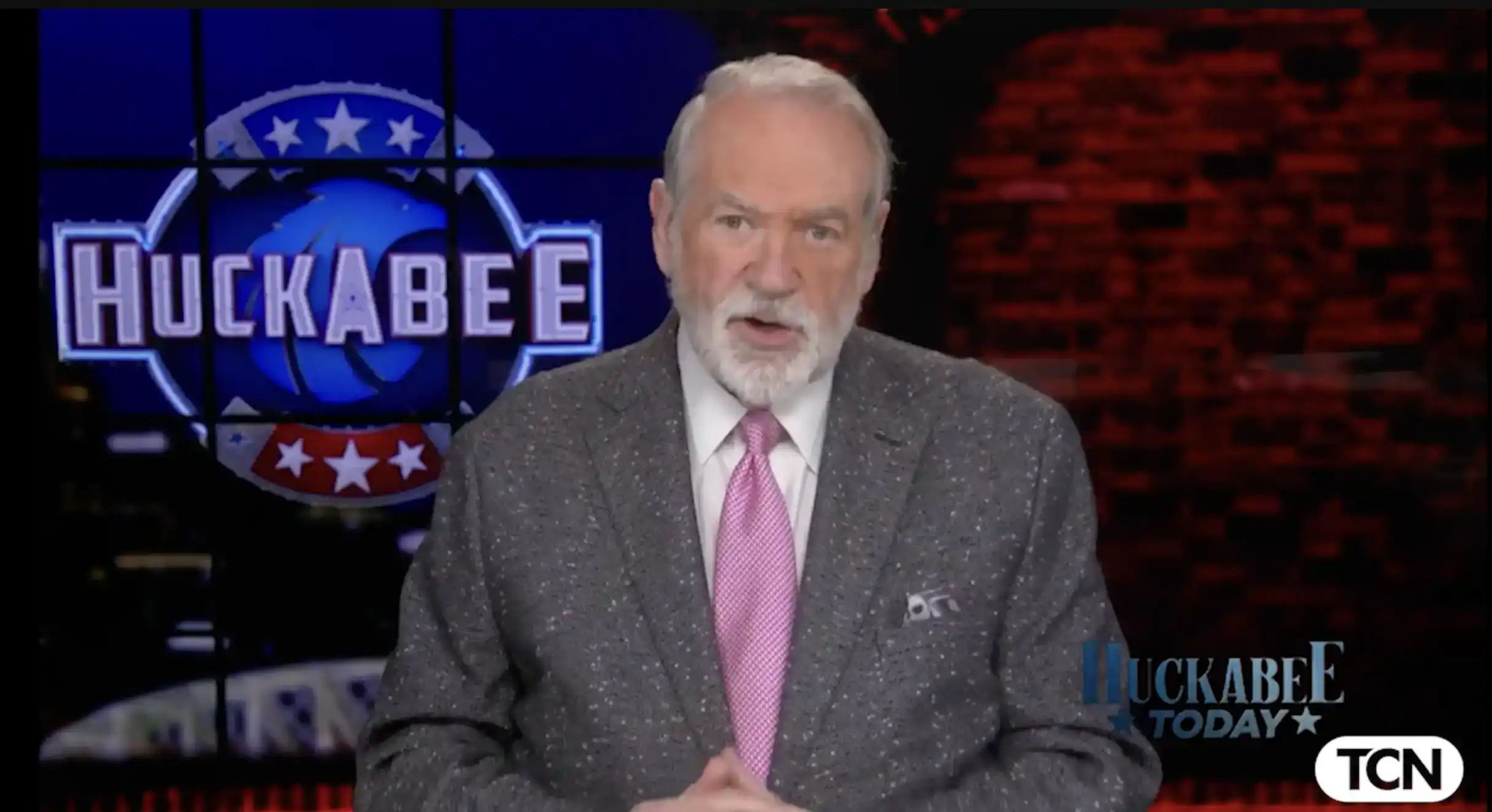
To viewers, buying gold seems like a good deal, an obvious choice, but that is not the case. We spent months deeply investigating the so-called "Gold IRA industry system" and its relationship with conservative media, and what we found was shocking.
In exchange for huge returns, some of the most well-known conservative opinion leaders have for years consistently directed their audiences to gold companies that exploit them. In some cases, these companies are even outright scams with extremely unreasonable terms and astonishing profit margins.
This system primarily targets the elderly, but its marketing is so effective that people from various backgrounds are drawn in and lose millions of dollars. We interviewed victims and industry insiders. This is a massive gold scam.
Dale Whitaker: Deconstructing the Gold IRA Scam Mechanism from an Insider's Perspective
High-Premium "Commemorative Coins"
My name is Dale Whitaker, an accountant and also the author and whistleblower of "Gold Graft." I worked at Augusta Precious Metals for about three and a half to four years. Initially, I didn't realize there was a problem, but later a client wanted to sell back 5,000 gold coins. We would tell clients our spread was 29%, meaning in the future, clients could sell back to us at the purchase price minus the spread, combined with market changes.
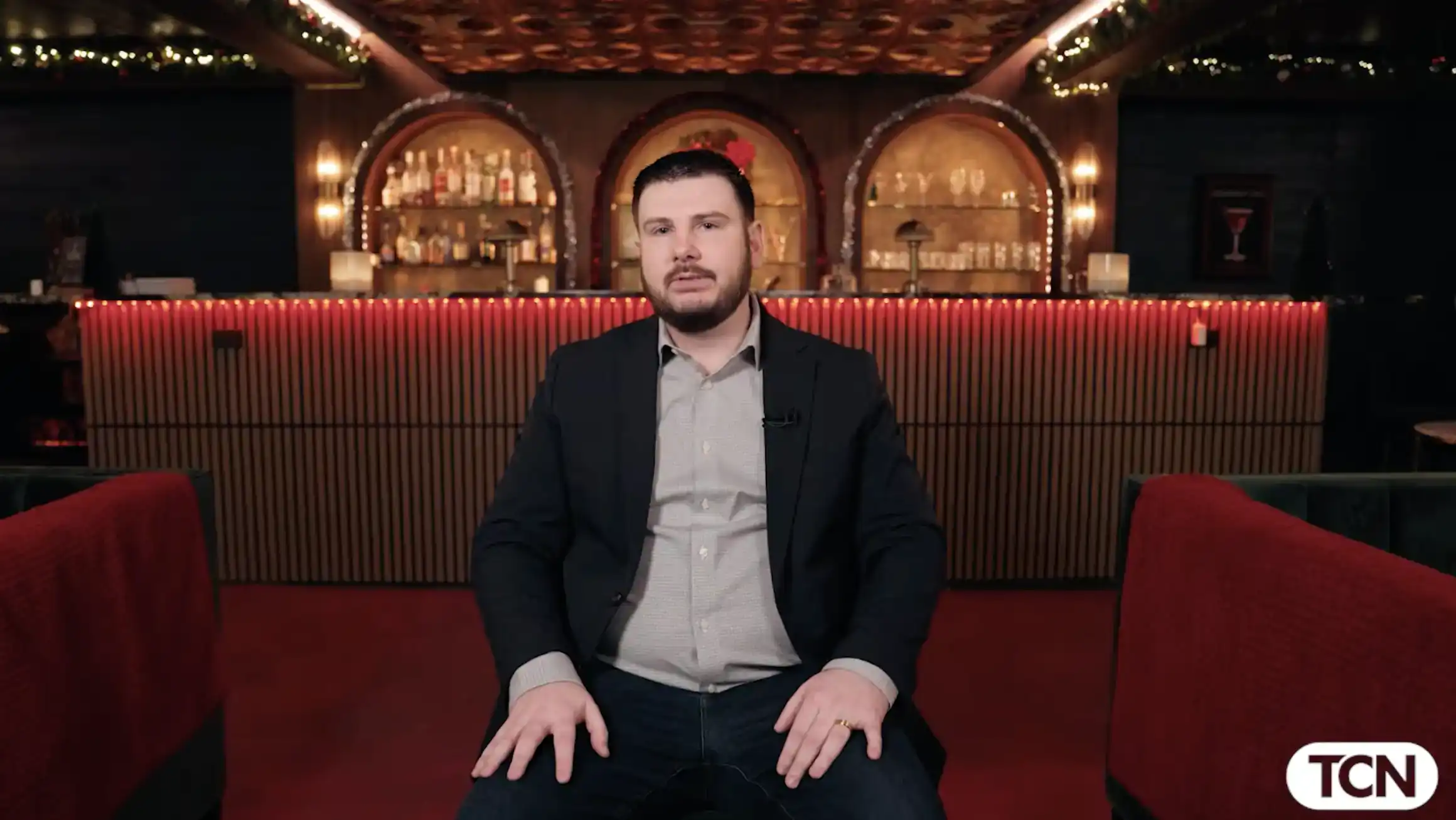
But the reality wasn't like that because the company had complete control over these coins and could manipulate prices at any time. Later, the CEO called me and told me to increase the spread, thereby reducing the amount we pay clients when repurchasing. At that moment, I realized something was seriously wrong.
In fact, over the past two decades, Americans, especially conservative groups, driven by trusted media figures seeking to hedge market volatility, have invested hundreds of millions of dollars into commemorative coins.
The way this model works is: Dealers sign exclusive distribution agreements with well-known mints, like the Royal Canadian Mint, the Royal Mint, or the Perth Mint.
They ask these mints to custom-mint a type of gold coin for them and obtain exclusive sales rights in the U.S. After the mint agrees, the dealer pays the minting cost and a premium, then gains exclusive U.S. distribution rights for that coin.
Theoretically, the value of these coins comes from the gold or silver they contain. Therefore, salespeople can persuade people to transfer their retirement savings into a Gold IRA.
But unlike standard gold bars, these coins in the IRA system are exclusively controlled by the sales company. The company then significantly marks up these coins and tells clients the price is justified because they are "unique collectibles."
These coins technically still fall under the precious metals bullion category, so they can be used in retirement accounts.
Many people ask, why are these coins priced so high? Why are they so much more expensive than regular gold coins? The answer is simple: because they are limited edition, and only our company sells them.
On the surface, this seems like a "willing buyer, willing seller" transaction, but reality is far from it. Many people base their decision on trust in these opinion leaders, believing the companies they recommend are reliable. When they contact the company, salespeople present themselves as "fiduciaries," telling clients "this is a better asset for you," even emphasizing they have 20, 30, 40 years of experience. As an average investor, it's easy to think: why shouldn't I trust them? It's the same as trusting a stockbroker's advice.
How Trust is Monetized
Tucker Carlson
This business model works because it's built on years of accumulated trust between conservative media and their audience, leveraging that trust to funnel consumers into highly persuasive sales pitches.
The terms of these deals are often absurd, with prices far above the spot price in the open market (which you can check in real-time on your phone). They also include numerous hidden fees and commissions, and the business practices of many companies have led to lawsuits.
One of the biggest cases is against a company called Red Rock Secured, involving $76 million. Its principals, Shane Johnson Kelly and Jeffrey Ward, were formerly salespeople at Augusta who left because they felt the income wasn't enough.
According to federal regulators, Red Rock used scare tactics to persuade clients to move funds, including liquidating their tax-deferred retirement account funds, to buy precious metals. The SEC charged the company and its executives with fraud, alleging markups on sold coins reached up to 130%. Through this model, the defendants allegedly defrauded over 700 investors of more than $50 million.
Dale Whitaker
In recent years, there have been many such cases. CFTC and SEC enforcement has indeed increased, and there are also many private lawsuits from clients who realized they were deceived. But the problem is, regulatory resources are limited, and it's like "whack-a-mole": sue one company, it falls, but salespeople quickly start new companies and continue the same practices.
Tucker Carlson
So far, that's exactly the case. These companies are very easy to set up. You just need to establish a partnership with a mint, run ads on conservative radio and Fox News, and hire a team of aggressive salespeople.
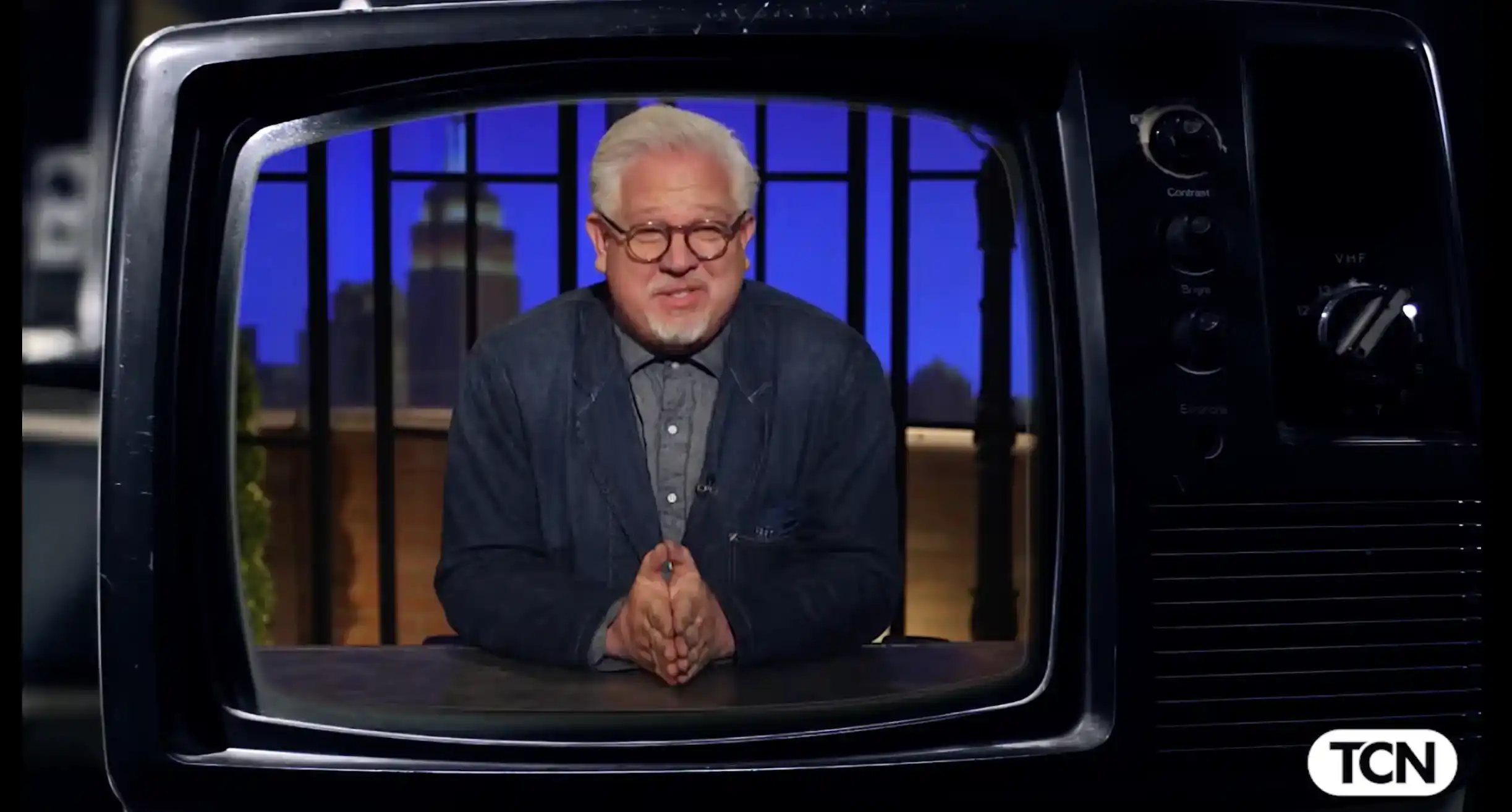
In 2011, prosecutors filed 19 criminal charges against Goldline International for selling overpriced gold coins. Its endorsers included Fred Thompson, Dennis Miller, Mark Levine, Lars Larson, Michael Smerconish, Mike Huckabee, and Glenn Beck.
Tucker Carlson
A congressional investigation found that Goldline's average markup was 90% above the melt value of the coins—90% above the international market price. Although the company never admitted wrongdoing, it ultimately paid $4.5 million to settle. After legal scrutiny, Goldline employees moved to Merit Financial, which also sold coins via phone and advertised on Fox News.
Regulators take down one company, another quickly appears, and the vicious cycle begins again.
And indeed, three years later, Merit was accused of participating in an "aggressive nationwide fraud scheme" that defrauded consumers of tens of millions of dollars. After Merit fell, many salespeople moved to Augusta Precious Metals, where Whitaker once worked. We reached out to Augusta for comment; they called Whitaker's allegations "false." They also admitted the industry is "riddled with bad actors and scammers." The company stated Whitaker was fired for incompetence and hasn't had any relationship with the company for nearly 10 years. Notably, Augusta does not publicly list its coin prices on its website.
From Hedging to Bust: How Victims Are Lured Step by Step
Dale Whitaker
Augusta Precious Metals targets conservatives over 50 who are Christians. The reason is, these people often believe in a certain "end times" narrative—that the existing fiat currency system will eventually collapse, people will return to bartering, and gold and silver will become the medium of exchange. The company exploits this to precisely target specific groups and ultimately swindle their life savings. In my view, this is almost an "open predation."
Rob Leinbarger: A "Follow-the-Show Investment" Decision Leads to $200,000 Loss
My name is Rob Leinbarger, and I consider myself a thorough conservative. I joined the Navy after graduating in 1984 and served as a helicopter pilot. After retiring, I joined Motorola, working on R&D engineering projects. Over time, I accumulated some savings and built my "retirement nest egg." When the pandemic hit, I started worrying about market risk and thought about pulling money out of the market to find a "safe-haven asset," eventually falling into this scam.
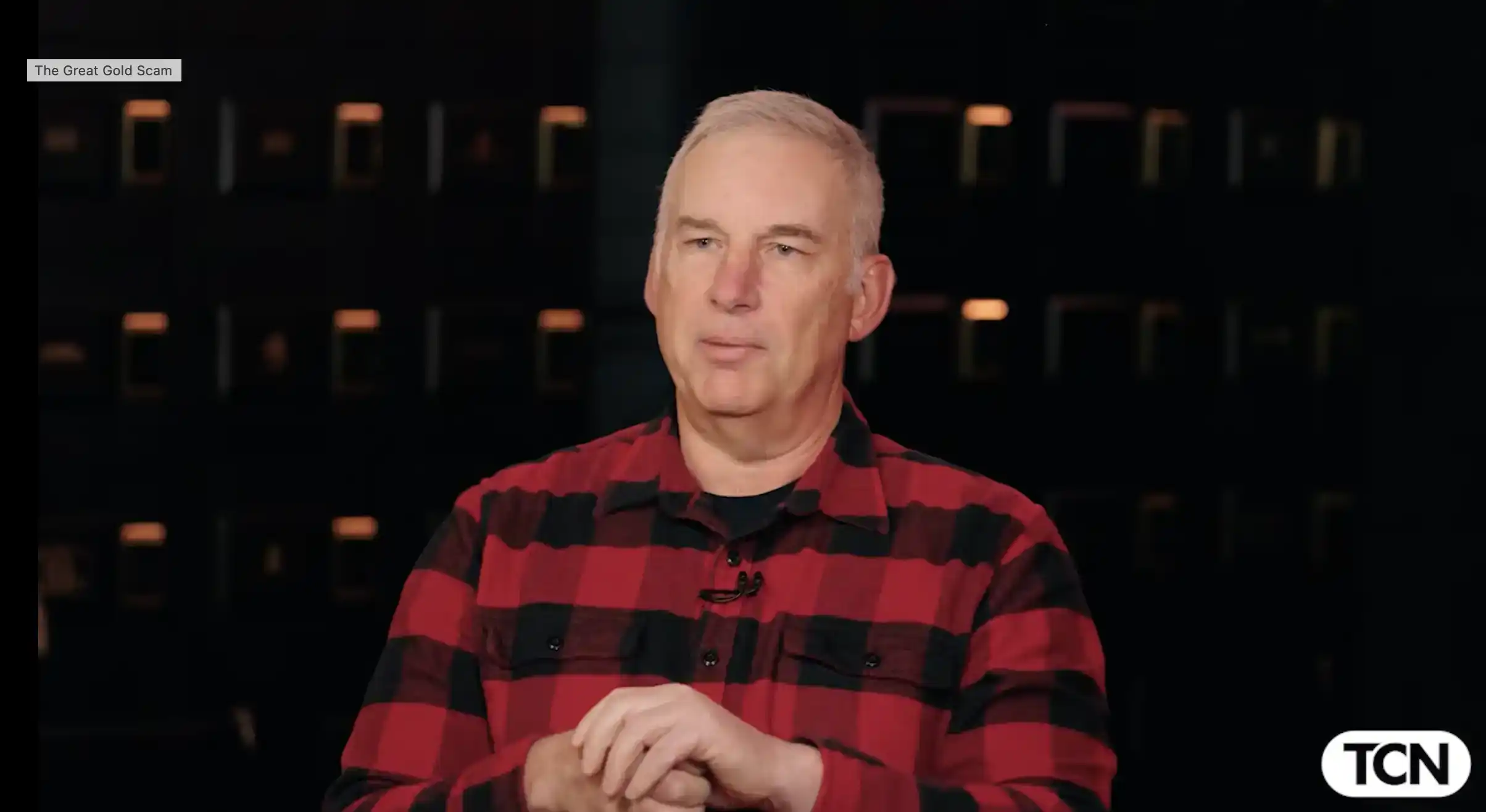
I transferred my 401k funds into gold investment through Birch Gold. I had been watching the War Room program and trusted the host, so I followed that decision.
The salesperson told me these were "high-end commemorative coins." I also checked myself; indeed, some high-purity gold coins trade above spot price, so I believed their claims about "limited edition having more value" and "outperforming spot gold long-term." But it turned out to be completely wrong—I paid over $1,000 in premium.
Later, when I wanted to sell some assets, they quoted me the melt price. The account manager also told me the market was now "inverted"; although gold prices were rising, because many retirees were selling, these commemorative coins themselves had lost value, and the previous premium was basically a "sunk cost."
When I finally figured out their pricing mechanism, I realized almost everything they told me was misleading. I made this decision because I trusted conservative media, but they have been promoting these companies. I trusted them, and now I just want to tell others: This isn't just a matter of "doing more research yourself"; it's about not trusting these people.
Host and Industry Commentator
Tucker Carlson
Leinbarger estimates that this decision to buy commemorative coins cost him over $200,000.
In fact, for thousands of years, humans have bought and sold precious metals, especially gold, to store value during economically uncertain times. The earliest gold coins appeared around 600 BC in Turkey. Egyptian hieroglyphs, the Code of Hammurabi, the Hebrew Bible, and Homer's epics all mention gold. In the story of Christ's birth, gold was one of the gifts presented by the three wise men.
In 1792, George Washington signed the act establishing the U.S. Mint, authorizing the government to mint gold, silver, and copper coins. 70 years later, Lincoln signed the Legal Tender Act, introducing paper money, the U.S.'s first entry into a fiat system. After severe inflation during the war and post-war deflation, President McKinley established the gold standard, pegging the dollar to gold at $20.67 per ounce, requiring the Treasury to exchange paper money for gold on demand. This system ended on April 5, 1933.
During the Great Depression, shortly after taking office, Roosevelt issued an executive order prohibiting private gold ownership and requiring people to surrender gold to the Federal Reserve at a fixed price. This was to expand the money supply, and the gold standard was an obstacle. As public confidence in the banking system collapsed, people rushed to withdraw deposits and convert them to gold. Americans who refused to surrender gold could be fined up to $10,000 (equivalent to over $250,000 today) and face up to 10 years in prison.
The government even used the Secret Service for enforcement, with some notable cases making newspapers. For example, New York lawyer Frederick Barber Campbell tried to withdraw 27 gold bars (worth about $3 million today) from a bank and was eventually prosecuted, though acquitted on a technicality, the gold was still confiscated. San Francisco jeweler Gus Farber was arrested for illegally selling gold coins.
In 1971, Nixon completely ended the gold standard. The U.S. government no longer restricted gold ownership, but public demand for gold remained. From 1925 to 2025, the dollar depreciated by about 95%, while the gold price rose from $20 per ounce to over $4,000. In 1974, President Ford signed a law formally allowing Americans to legally own gold again.
But this industry is almost unregulated. It's like trying to stop a gunshot wound with a band-aid; you simply can't prevent new companies from constantly emerging.
The Washington Post统计ed that over the past decade, more than 30 clients from 20 states have sued over a dozen Gold IRA companies; federal regulators have sued 4 companies, 2 of them in the last year alone. Allegations include: systematically charging investors up to three times the value of the coins.
Dale Whitaker
As a conservative, saying "regulation is needed" sounds a bit jarring, but that's the reality. The government must step in because it's not just individuals being hurt, but their livelihoods and life savings. The current regulatory approach is like "whack-a-mole"; it doesn't solve the problem.
Andrea McAvoy: A Whopping 34% Commission
My name is Andrea McAvoy. I used to work in real estate, but now I'm mostly a stay-at-home mom. I started investing in precious metals around 2015, 2016. It was an IRA account I set up before marriage, basically a "dormant account" by then. I had a two-year-old, had just had a baby, and was pregnant again. I heard about Lear Capital through a podcast.
I was quite willing to support sponsors from the shows I usually listen to, or I try to as much as possible. It's kind of like a "soft referral." In real estate, it's the same, like a "recommendation from someone you know." You think, these people trust them, so I can trust them too. So you think, instead of Googling a company myself, maybe try the one they are sponsoring. Because you assume they must have done some background check. After all, they wouldn't want to damage their reputation with an unreliable sponsor.
But I made a wrong assumption. So I invested about $186,000 through an IRA into gold and silver. Those sales pitches... were really slick.
I'm trying to remember how he phrased it. It was something like, these coins might be the best choice for me because during market downturns, they usually provide a "buffer," not falling as much as other assets; and during market upturns, they accelerate—looking back, that obviously sounds too good to be true.
If you look at the contract, it says something like: commissions will be stated in the recorded call. This should have been a very obvious red flag, but I didn't realize it at the time.
I still remember that day clearly. I was on the recorded call, washing dishes, with a two-year-old tugging at me. Water running, kid pulling me, I'm shushing him, trying to quiet down to listen to the recording. When you're making a very large investment decision, your attention is not where it should be. They said 34%. But I couldn't have heard 34%; I heard 4%. That's a reasonable level for a large transaction.
This was in April 2024. I was in my second trimester. The market was very hot at the time. I logged into my Equity Trust account and saw that the $186,000 had dropped to about $100,000, around $109,000. I was stunned, my heart sank, I just thought, this can't be real.
I contacted Lear Capital to find out why her assets hadn't risen with the gold price. They said everything was fine, so I started frantically calculating, reviewing. I found they not only charged a 35% commission but also an additional roughly 25% premium or spread. That meant my assets were actually worth only about $120,000. And if I had bought standard gold bars initially, my assets should be around $213,000.
At first, they tried to get me not to go public with this. Later, I contacted multiple state attorneys general, filed complaints, I submitted a complaint to the Better Business Bureau, and kept exposing them on X.
It was interesting; the salesperson I was dealing with seemed to think he could shut me up with a little money, like offering me $10,000, testing if I would just give up. He called me daily, leaving messages constantly. I mostly didn't answer, just emailed him: Unless you return my money, stop contacting me.
They use all sorts of tactics, like saying you have no chance of winning, you agreed to this agreement, you verbally accepted these commissions on the phone. But you have to insist: I don't accept, I don't acknowledge. You must find a way around these arguments—it can be done, that's what I did.
Also, I want to say, "don't trust anyone." You must do your own research. You must read the contract carefully. You must know who you are paying. This is very important. You can't simply believe others have your best interests at heart. You can't just listen to what some TV or online personality says and think they are on your side. They are clearly serving their own interests. They make money from your decision through advertising, partnerships,等各种方式.
Host and Industry Commentator
Tucker Carlson
If you check, you'll find Lear has good online reviews, a high rating on the Better Business Bureau. But this is actually because, as part of the refund conditions, Lear required her to leave a five-star review and tell the BBB she was "satisfied" with the company's handling.
As a conservative media consumer, I now ask: Are these people really looking out for me, or are they just in it for the money?
The answer is almost clear—it's the money. In fact, when we created this channel, multiple gold companies approached us主动, one even offered a合作 deal of nearly $20 million per year.
At first, it sounded reasonable. We also hold gold. But the question was: How can a commodity priced in the open market with very low profit margins have so much money for marketing? Now the answer is clear—they are not selling gold; they are "harvesting" consumers.
Dale Whitaker
As a conservative, and someone who has been raising these issues with these people for six or seven years, this is really frustrating for me. I see them promoting products for companies I know will deceive their audience. And these people make millions per year, even mid-sized accounts get thousands per month, completely disproportionate to their audience size. They use the audience's trust to funnel people to these companies, helping these companies make huge profits, while the audience loses their life savings. This is very hard for me to accept.
Kristen: A Single Mother Robbed of Her Life Savings
If you tie your name and reputation to a company, the audience naturally thinks: It should be fine. But the reality is not like that. When the day comes that your audience is actually defrauded, robbed, deceived, that built-up trust completely collapses.
My name is Kristen, a single mother trying my best to raise my children. I raise them under the Lord's teaching; I am a servant of Jesus Christ. My mother and I are from Cambodia; we personally experienced the Khmer Rouge era. We came to America to pursue the so-called "American Dream." My parents were put into labor camps. After the Khmer Rouge took power, they took our house, business, and almost all our property.
During war and chaos, the real "currency" was actually gold, because paper money became worthless. People carried gold with them; my mother even carried a small scale, cutting gold into small pieces to exchange for supplies, buy daily necessities, or pay for services.
And today, in an environment like the U.S., with the dollar constantly depreciating, after discussing with my mother, we thought maybe we should convert the little savings she and my father had into gold. At the time, many influencers were recommending different gold companies; we finally chose Goldco.
We really thought this would be an investment that could help her survive, protect her in her old age. After all, we are all struggling to survive. She struggles, I struggle. I have no money, no influence, no power. We just trusted those who endorsed it, believed that since they were willing to put their name behind it, the company must be at least trustworthy.
But later I discovered they sold to my mother at a price far above the market price, ridiculously high. At that moment, I realized she wasn't making an investment; she was being robbed. I also finally understood her life savings were almost stolen. And what I can't forgive myself for most is that I was the one who brought her into this.
For the next few months, my mother and I contacted this company repeatedly trying to cancel the order, but were always refused. We kept calling, negotiating, leaving bad reviews,折腾了整整一个月折腾 for a full month before they finally agreed to buy back the gold at the original purchase price.
But when something like this happens to people like us, the feeling is really hard to describe. We are not wealthy, we are not resourceful people, we are just ordinary people trying to survive. And it's precisely such people who最容易 become the targets of harvesting.
This kind of thing can really crush a person. You feel trapped, with no way out. But I also want to say, those who do this should someday seriously think: When a person reaches the end of their life and looks back, can they really accept that they once deceived, robbed ordinary people just trying to survive. There will be a day of reckoning.
Host and Industry Commentator
Tucker Carlson
Two years ago when we started this channel,很快很快 multiple gold companies主动 approached us, offering to pay high fees for合作. One company even made an offer close to $20 million per year for us to promote their products.
At first, it didn't seem strange. We ourselves recognize the value of gold and have long held physical gold. But soon, a question became unavoidable: Gold is a commodity priced openly on the global market, highly transparent, essentially a low-margin industry. So, why would such a company have such a huge marketing budget?
This logic didn't add up at first, but now, everything makes sense. They are not selling the commodity "gold" itself, but a high-profit business built on information asymmetry and trust. Essentially, it's a harvest of consumers, especially those who更容易 trust media and opinion leaders.
Ironically, the opinion leaders recommending gold were actually right on the basic judgment—gold is indeed a tool against inflation. If the interviewees had bought and held at spot price, they would be wealthier today.
But the reality is, their judgment was distorted and exploited.