The State Of US Stablecoin Legislation: Unresolved Issues And Challenges

bitcoinist2025-12-27 tarihinde yayınlandı2025-12-27 tarihinde güncellendi

Özet

In a recent analysis, Colin Wu highlights the complex challenges and unresolved issues stemming from the GENIUS Act, a US stablecoin law enacted under the Trump administration. While the act is seen as a win for digital asset adoption, it has intensified global demand for US dollars and Treasury securities, inadvertently benefiting Trump-linked crypto industry associates. This development complicates global dollar flow oversight and threatens the monetary sovereignty of other nations by enabling less observable wealth extraction through USD stablecoins. The act’s reserve requirements, including bank deposits and short-term Treasuries, risk instability if asset values decline. Moreover, stablecoin regulation may extend to all crypto assets, including Bitcoin and RWAs, as they rely heavily on stablecoins. Currently, unregulated firms profit from crypto trading due to banks' inability to participate, prompting regulators to accelerate oversight. Once crypto gains legal recognition, banks are expected to dominate, tokenizing deposits and integrating with traditional finance. However, this shift toward heavy bank regulation could undermine the stablecoin industry's foundations, making it unwise for other nations to emulate the US approach.

In a recent report, market expert Colin Wu shed light on the ongoing issues facing the cryptocurrency industry as a result of stablecoin legislation, notably the GENIUS Act, which was enacted in July under President Donald Trump’s administration.

While this bill is viewed as a significant win for the digital asset market—anticipating increased adoption and utilization in the foreseeable future—it brings with it a host of complications that warrant attention.

Wu Highlights Potential Risks In The GENIUS Act

Wu’s analysis emphasizes that the GENIUS Act has led to heightened global demand for US dollars and Treasury securities, which, while bolstering the dollar’s international standing, has also inadvertently benefited the Trump family and associates linked to the crypto industry.

However, this development has opened new challenges for the oversight of dollar flows globally and raises concerns about the stability of the traditional financial system in the United States.

A notable concern is how the trading of crypto assets enabled by USD stablecoins has evolved into a complex and less observable method for the US to extract wealth worldwide. Wu asserts that this mechanism poses significant threats to the monetary sovereignty and financial security of other nations.

The GENIUS Act outlines reserve asset categories like bank deposits, short-term Treasuries, and repo agreements. However, the fluctuating values of these assets can lead to potential insufficiencies in reserves, particularly if Treasury prices decline.

How Stablecoin Laws May Undermine The Industry’s Foundations

Wu also explained that addressing the challenges of fiat stablecoins, lawmakers are likely to instigate regulations affecting all crypto assets, including Bitcoin (BTC) and Real-World Assets (RWAs), since these assets rely heavily on stablecoins.

Currently, licensed financial institutions cannot directly engage in trading, clearing, or custody of crypto assets due to the lack of legal recognition, leaving these opportunities to unregulated private firms.

This scenario has reportedly led to higher profits for unregulated actors while increasing pressure on banks and the broader financial ecosystem. Consequently, this dynamic has prompted government authorities to hasten stablecoin regulation.

Once crypto assets receive full legal recognition, banks are expected to step into the market completely. This shift would enable banks and payment institutions to tokenize deposits, allowing them to directly link deposit tokens with traditional financial elements.

The overall trend in the US indicates a move toward a system where heavily regulated banks establish stability. This shift would reportedly facilitate the principle of “same business, same regulation,” leading to diminished risks for the monetary and financial structure.

However, this transformation through stablecoin legislation may threaten the very foundation of the stablecoin industry itself. Wu concludes that in this context, it would be illogical for other nations to replicate the aggressive push for stablecoin development that the US has adopted.

The daily chart shows the total crypto market cap at $2.9 trillion. Source: TOTAL on TradingView.com

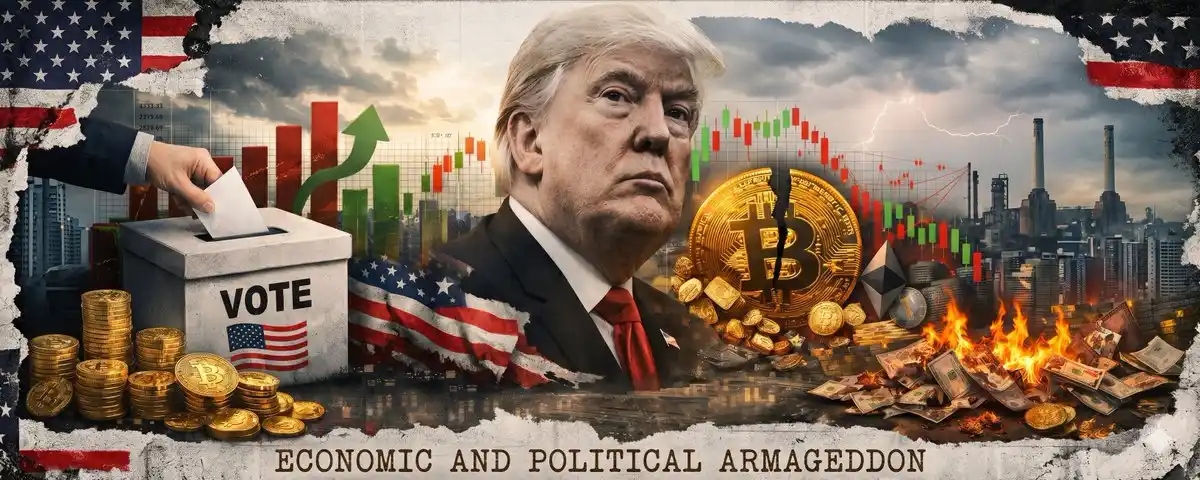
Featured image from DALL-E, chart from TradingView.com

İlgili Sorular

QWhat is the GENIUS Act and when was it enacted?

AThe GENIUS Act is a stablecoin legislation enacted in July under President Donald Trump's administration.

QAccording to Wu's analysis, what are two main concerns regarding the GENIUS Act?

AIt has led to heightened global demand for US dollars and Treasury securities, benefiting the Trump family and associates, and it has created a complex method for the US to extract wealth worldwide, threatening the monetary sovereignty of other nations.

QWhat types of reserve assets does the GENIUS Act outline, and what risk do they pose?

AThe Act outlines reserve assets like bank deposits, short-term Treasuries, and repo agreements. The risk is that fluctuating values, particularly if Treasury prices decline, can lead to potential insufficiencies in reserves.

QHow does the current lack of legal recognition for crypto assets affect financial institutions and the market?

AIt prevents licensed financial institutions from directly engaging in trading, clearing, or custody of crypto assets, leaving these opportunities to unregulated private firms, which leads to higher profits for them and increases pressure on banks.

QWhat is the potential long-term consequence of stablecoin legislation on the industry's foundation according to Wu?

AThe transformation through stablecoin legislation may threaten the very foundation of the stablecoin industry itself, making it illogical for other nations to replicate the US's aggressive push for stablecoin development.

İlgili Okumalar

The Second Half of Macro Influencer Fu Peng's Career

Fu Peng, a prominent Chinese macroeconomist and former chief economist of Northeast Securities, has joined Hong Kong-based digital asset management firm Bitfire Group (formerly New Huo Group) as its chief economist. This move, announced in April 2026, triggered an 11% surge in Bitfire's stock price. Fu, known for his accessible macroeconomic commentary and large social media following, will focus on integrating digital assets into global asset allocation frameworks, particularly combining FICC (fixed income, currencies, and commodities) with cryptocurrencies for institutional clients. His career includes roles at Lehman Brothers and Solomon International, with significant influence gained through public communication. However, in late 2024, Fu faced temporary social media bans after a controversial private speech at HSBC on China's economic challenges, though he denied regulatory sanctions. He later left Northeast Securities citing health reasons. Bitfire, a licensed virtual asset manager serving high-net-worth clients, seeks to build trust and attract traditional capital through Fu’s expertise and credibility. The partnership represents a strategic shift for both: Fu enters the crypto sector after a traditional finance peak, while Bitfire aims to leverage his macro framework for institutional adoption. Outcomes remain uncertain regarding capital inflows and compatibility within corporate structure.

marsbit57 dk önce

The Second Half of Macro Influencer Fu Peng's Career

marsbit57 dk önce

İşlemler

Spot
Futures

Popüler Makaleler

US Nasıl Satın Alınır

HTX.com’a hoş geldiniz! Talus Network (US) satın alma işlemlerini basit ve kullanışlı bir hâle getirdik. Adım adım açıkladığımız rehberimizi takip ederek kripto yolculuğunuza başlayın. 1. Adım: HTX Hesabınızı OluşturunHTX'te ücretsiz bir hesap açmak için e-posta adresinizi veya telefon numaranızı kullanın. Sorunsuzca kaydolun ve tüm özelliklerin kilidini açın. Hesabımı Aç2. Adım: Kripto Satın Al Bölümüne Gidin ve Ödeme Yönteminizi SeçinKredi/Banka Kartı: Visa veya Mastercard'ınızı kullanarak anında Talus Network (US) satın alın.Bakiye: Sorunsuz bir şekilde işlem yapmak için HTX hesap bakiyenizdeki fonları kullanın.Üçüncü Taraflar: Kullanımı kolaylaştırmak için Google Pay ve Apple Pay gibi popüler ödeme yöntemlerini ekledik.P2P: HTX'teki diğer kullanıcılarla doğrudan işlem yapın.Borsa Dışı (OTC): Yatırımcılar için kişiye özel hizmetler ve rekabetçi döviz kurları sunuyoruz.3. Adım: Talus Network (US) Varlıklarınızı SaklayınTalus Network (US) satın aldıktan sonra HTX hesabınızda saklayın. Alternatif olarak, blok zinciri transferi yoluyla başka bir yere gönderebilir veya diğer kripto para birimlerini takas etmek için kullanabilirsiniz.4. Adım: Talus Network (US) Varlıklarınızla İşlem YapınHTX'in spot piyasasında Talus Network (US) ile kolayca işlemler yapın.Hesabınıza erişin, işlem çiftinizi seçin, işlemlerinizi gerçekleştirin ve gerçek zamanlı olarak izleyin. Hem yeni başlayanlar hem de deneyimli yatırımcılar için kullanıcı dostu bir deneyim sunuyoruz.

263 Toplam GörüntülenmeYayınlanma 2025.12.11Güncellenme 2025.12.11

US Nasıl Satın Alınır

Tartışmalar

HTX Topluluğuna hoş geldiniz. Burada, en son platform gelişmeleri hakkında bilgi sahibi olabilir ve profesyonel piyasa görüşlerine erişebilirsiniz. Kullanıcıların US (US) fiyatı hakkındaki görüşleri aşağıda sunulmaktadır.

活动图片