# Volatility İlgili Makaleler

HTX Haber Merkezi, kripto endüstrisindeki piyasa trendleri, proje güncellemeleri, teknoloji gelişmeleri ve düzenleyici politikaları kapsayan "Volatility" hakkında en son makaleleri ve derinlemesine analizleri sunmaktadır.


Hot Takes|Why Did the Famous "Tech Lead" Dump All His Bitcoin? The "Investment Whiz Kid" is Here!

**Weekly Spicy Review: Tech Lead's Bitcoin Bust, Reddit Meme, and Trump's Crypto Cash** This week's "Spicy Review" covers three notable incidents from the crypto world. **1. A Tech Lead Learns the Hard Way:** A former Google and Meta technical lead, Patrick Shyu, went viral after revealing he was forced to liquidate all his Bitcoin holdings. He suffered massive losses due to excessive leverage during Bitcoin's sharp decline from $120k to $60k. He shared critical observations: crypto trading often hinges on attention, not fundamentals; Bitcoin lacks a stable source of public focus; the AI boom is diverting capital; and Bitcoin faces structural risks like centralization of code maintenance and quantum computing threats. Despite his short-term exit, he remains a long-term believer. **2. Reddit Roasts the "Investment Whiz":** A popular meme on Reddit's CryptoCurrency subreddit depicted MicroStrategy's Michael Saylor looking down from a balcony. The caption joked about his relentless focus on buying Bitcoin with corporate funds, contrasting with average investors' mundane concerns. The post sparked humorous commentary on his high-risk, high-conviction strategy. **3. Trump's $1.4 Billion Crypto Haul:** The White House's financial disclosure revealed former President Donald Trump earned at least $1.4 billion from cryptocurrency activities in a year, contributing to a total income of over $2.2 billion. This windfall stands in stark contrast to the performance of "TrumpCoin" (officially DJT), which plummeted over 97% from its peak, reportedly causing investor losses exceeding $2 billion. Critics, like California Governor Gavin Newsom, accused Trump of profiting while his supporters suffered losses. The week highlighted a mix of painful lessons learned from leverage, community humor at industry figures, and the stark realities of political figures capitalizing on the crypto market.

Foresight News2 saat önce

Hot Takes|Why Did the Famous "Tech Lead" Dump All His Bitcoin? The "Investment Whiz Kid" is Here!

Foresight News2 saat önce

High-Yield, No Debt, No Dilution: Why Bitcoin Treasury Companies Are Aggressively Promoting Preferred Stock Financing?

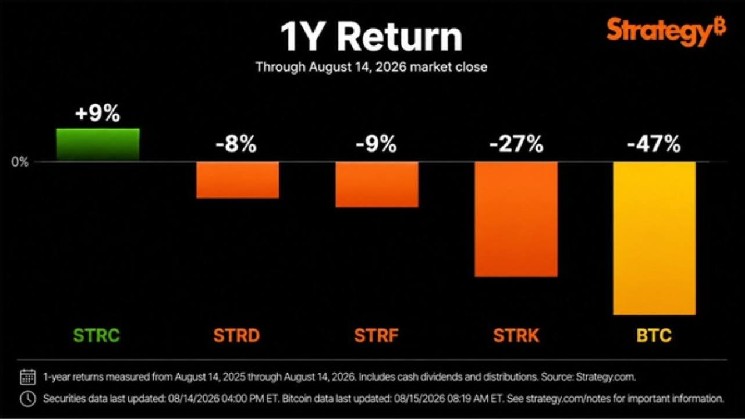
Bitcoin-backed preferred shares, led by companies like Strategy and followed by newer entrants such as Strive, have grown to a roughly $13 billion market in under two years. These instruments offer high yields, attracting significant capital. A 2026 report by BitcoinTreasuries.net and Apyx projects this segment could grow from nearly 1% to 3-5% of the global $1.3 trillion preferred share market by 2030, with long-term potential reaching 10%. This financial tool addresses a core dilemma for companies holding Bitcoin as a treasury asset. It allows firms like Michael Saylor's Strategy to raise long-term capital for purchasing more Bitcoin without diluting common shareholders or taking on debt with fixed repayment schedules. In exchange, preferred shareholders receive priority dividends, converting Bitcoin's volatility into a stable income product for yield-focused investors. Yields on these securities, ranging from 10.8% to 15.2%, far exceed traditional savings accounts. Strategy's issues dominate the market, with Strive's offering being a smaller player. The report identifies strong institutional demand, potentially reaching $10.9-$21.8 billion, but supply is constrained by the limited pool of corporate-held Bitcoin available as collateral—approximately 1.26 million BTC valued around $83 billion. A key safety feature is the high collateral coverage ratio of 3.8x to 4.5x, meaning each dollar of preferred equity is backed by $3.8-$4.5 in Bitcoin. Issuers require clean balance sheets and substantial scale. Risks are structural: companies like Strategy act as volatility amplifiers, and dividend sustainability relies on continued capital raises during Bitcoin price appreciation. However, both Strategy and Strive maintain cash reserves to cover at least 12 months of payments. The market is currently in a "0 to 1" phase where demand significantly outpaces supply, favoring early issuers.

marsbit13 saat önce

High-Yield, No Debt, No Dilution: Why Bitcoin Treasury Companies Are Aggressively Promoting Preferred Stock Financing?

marsbit13 saat önce

High-Yield, Debt-Free, and Non-Dilutive: Why Bitcoin Treasury Companies Are Aggressively Promoting Preferred Share Financing

Bitcoin-backed preferred shares, led by companies like Strategy and followed by newer entrants like Strive, have grown to a market size of approximately $13 billion in under two years, attracting capital with high yields. A 2026 report from BitcoinTreasuries.net and Apyx projects this segment could grow from nearly 1% to 3-5% of the global $1.3 trillion preferred share market by 2030, with long-term potential reaching 10%. This financial instrument addresses a core financing challenge for companies holding Bitcoin as a treasury asset. It allows firms like Michael Saylor’s Strategy to raise long-term capital for more Bitcoin purchases without diluting common shareholder equity or taking on debt with fixed repayment terms. Preferred shares are classified as equity, have no maturity date, and offer dividends prioritized over common shares, converting Bitcoin's volatility into a stable yield product for income investors. Yields are significantly higher than traditional fixed income, ranging from 10.8% to 15.2% for top issuers. Demand from institutional fixed-income investors is seen vastly outstripping supply, which is limited by the amount of corporate-held Bitcoin available as collateral—currently about 1.26 million BTC ($83 billion), with Strategy holding 67%. A key safety feature is the high collateral coverage ratio of 3.8x to 4.5x, meaning each dollar of preferred equity is backed by $3.8-$4.5 in Bitcoin. Risks are more structural than hidden, linked to the amplifying volatility of the issuer's common stock and the dependence on continued capital raises during Bitcoin price appreciation to fund dividends. Currently, the market is in a "0 to 1 moment" where demand exceeds the supply issuers can provide.

Foresight NewsDün 11:03

High-Yield, Debt-Free, and Non-Dilutive: Why Bitcoin Treasury Companies Are Aggressively Promoting Preferred Share Financing

Foresight NewsDün 11:03

Will There Be a Next Wave of Web3 Games? Veteran Player's Review: At the Peak of Hype, You Should at Least Sell Half

**Title: Is There Another Wave for Web3 Gaming? A Veteran Player's Review: When Hype Peaks, You Must Exit at Least Half** **Summary:** In an interview, veteran player "Earn Money Chicken" shares his journey and reflections on Web3 gaming. He transitioned from being a traditional in-game trader to a Web3 gamer, having profited from games like Mobox, StepN, and Seraph, but also experiencing significant losses. He defines himself primarily as a player, not an investor, attracted to Web3 games for the blend of earning potential, engaging gameplay, and the satisfaction of researching game mechanics. While he enjoys strategic "gambling" within games, he emphasizes it's not about zero-sum competition with other players. The interview explores the complex, often adversarial relationship between players, projects, and major investors (whales). The player's experience as a traditional game merchant helped develop his analytical mindset for spotting opportunities, but wasn't directly transferable. He identifies the core sources of profit in early Web3 gaming as **"era红利" (era-specific红利)** and strategic foresight, not just simple calculations. He warns that the biggest mistake ordinary players make is calculating their return-on-investment (ROI) period at peak hype, as asset and yield depreciation can trap them. Reflecting on his wins and losses, he now advocates for managing expectations. His most successful exit was from Seraph, where he sold at a relatively good time. The key problem with current Web3 games, he argues, is that most are not mature games first. A successful Web3 game must primarily be a **good, fun game** with a genuine player base willing to spend money for enjoyment, not just participants seeking profit. The blockchain element should solve problems within that context, not be the primary driver. While he believes the sector might see another speculative boom (possibly another strong "Ponzi" model attracting hype), a truly mature and sustainable Web3 game likely needs to come from a traditional major game studio. It would leverage a proven IP, mature content, a functional NFT trading system, and attract both traditional and crypto-native players, offering more normalized returns rather than extreme暴利. His final advice: Newcomers without prior experience should avoid the space now, as it's like searching for a diamond in the rough. For those remaining, the rule is: be brave when assets are low and overlooked, but **when everyone is talking about it (at peak hype), you must sell at least half your holdings.**

marsbitDün 00:59

Will There Be a Next Wave of Web3 Games? Veteran Player's Review: At the Peak of Hype, You Should at Least Sell Half

marsbitDün 00:59

活动图片