# Safe Haven İlgili Makaleler

HTX Haber Merkezi, kripto endüstrisindeki piyasa trendleri, proje güncellemeleri, teknoloji gelişmeleri ve düzenleyici politikaları kapsayan "Safe Haven" hakkında en son makaleleri ve derinlemesine analizleri sunmaktadır.

Gold Plunges for a Week, '1983 Great Sell-Off' Repeats, Middle East 'Selling Gold for Funds'?

Gold recorded its worst weekly decline in 43 years, echoing the historic 1983 sell-off. Spot gold fell for eight consecutive days, while silver dropped over 15%, with palladium and platinum also declining. The sell-off was triggered by escalating Middle East conflicts, which raised energy prices and reduced expectations for Fed rate cuts. Markets now price a 50% chance of a Fed hike by October. Higher inflation expectations and rising real interest rates diminished gold's appeal as a non-yielding asset. Additionally, tightening dollar liquidity, reflected in widening cross-currency basis swaps, intensified pressure on gold, often liquidated first during dollar shortages. Technical indicators worsened, with RSI falling below 30, triggering stop-losses and self-reinforcing selling. Gold ETFs saw outflows for three straight weeks, losing over 60 tons. The current situation parallels the 1983 crash when OPEC nations, facing falling oil revenue, sold gold reserves to raise cash, causing a rapid price collapse. Then, as now, Middle Eastern selling pressured gold, with impacts spreading across commodities. Despite a 4% year-to-date gain, stagflation risks are rising. Goldman Sachs estimates energy price increases could reduce global growth by 0.3% and raise inflation by 0.5-0.6%. Gold's future depends on real interest rates and geopolitical developments—continued conflict may sustain pressure, while de-escalation could revive safe-haven demand.

marsbit18 saat önce

Gold Plunges for a Week, '1983 Great Sell-Off' Repeats, Middle East 'Selling Gold for Funds'?

marsbit18 saat önce

The Two Weeks When the King of Safe Havens Failed, Bitcoin Quietly Outperformed Everything

The article analyzes the divergent performance of gold and Bitcoin during a two-week period following a military strike by the US and Israel on Iran. Contrary to traditional expectations, gold, often seen as a safe-haven asset, dropped by nearly 10% from its peak, while Bitcoin surged over 20% from its low, outperforming gold, the S&P 500, and Nasdaq. Gold’s decline is attributed to rising oil prices due to the conflict, which heightened inflation expectations and reduced the likelihood of Federal Reserve rate cuts. Higher interest rates increase the opportunity cost of holding non-yielding gold, leading to outflows. Additionally, potential profit-taking by central banks and logistical challenges in moving physical gold during wartime weakened its appeal. Bitcoin’s rise is explained by a combination of factors: technical oversold rebound, 24/7 trading availability during market closures, renewed inflows (e.g., U.S. Bitcoin ETFs saw significant inflows while gold ETFs experienced outflows), and its portability advantage in conflict zones, as evidenced by a 700% surge in crypto outflows from Iran. However, Bitcoin’s performance does not fully establish it as a traditional safe haven; it instead functions as a highly liquid, portable asset that absorbs shocks when other markets are closed. The article concludes that the concept of "safe haven" is evolving—gold struggles when inflation and利率 constraints dominate, while Bitcoin benefits from structural and situational advantages, though its identity remains complex and context-dependent.

marsbit03/17 06:34

The Two Weeks When the King of Safe Havens Failed, Bitcoin Quietly Outperformed Everything

marsbit03/17 06:34

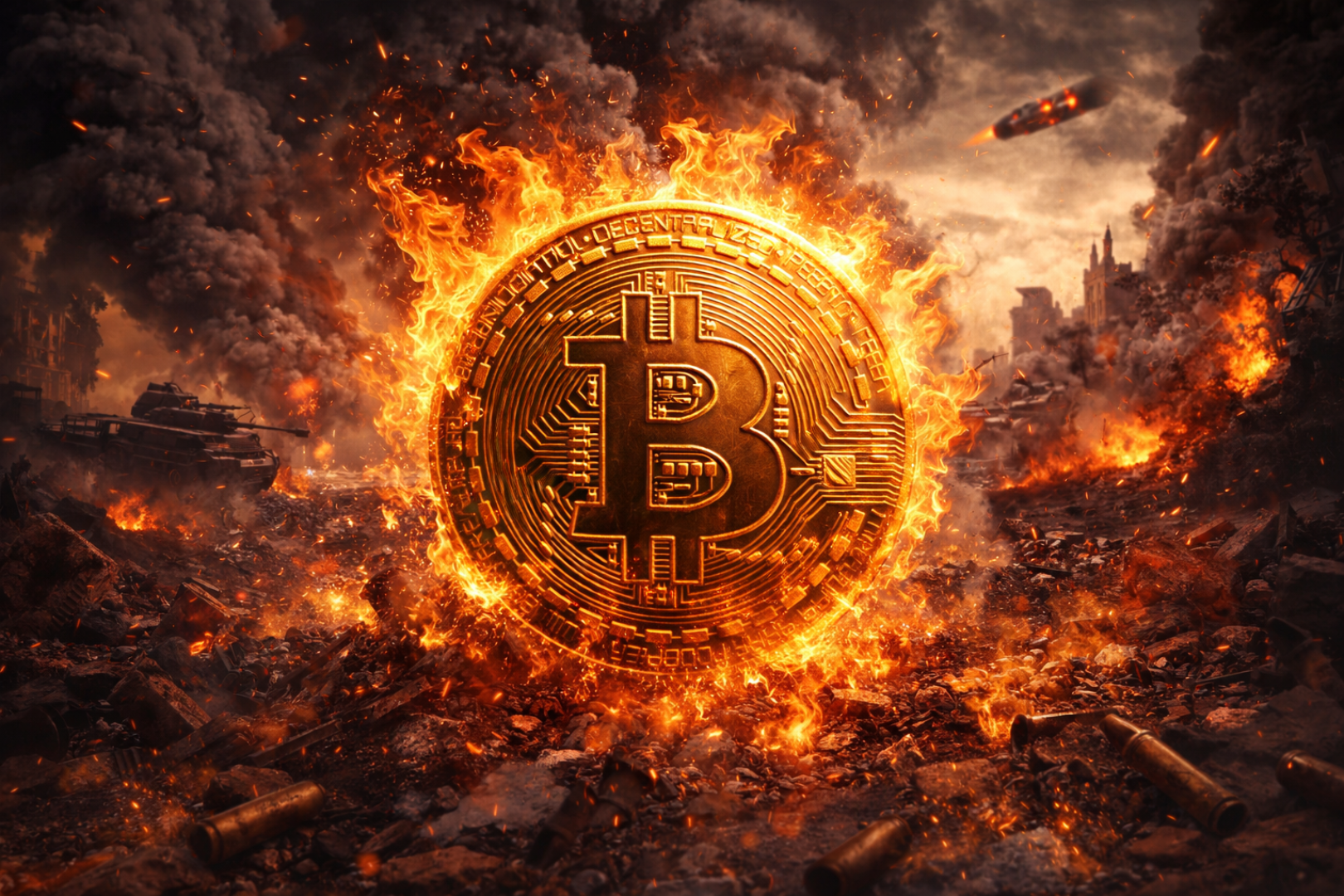
Bitcoin in the Flames of War: Reviewing Past Geopolitical Conflicts, Which Stage Is the Crypto Market In Now?

Bitcoin in the Crossfire: A Review of Geopolitical Conflicts and the Crypto Market's Current Phase The article examines Bitcoin's price behavior during four major geopolitical conflicts, analyzing its evolving role as a risk or safe-haven asset. Following a joint U.S.-Israel military strike on Iran in February 2026, Bitcoin plunged 6% in 45 minutes, erasing $128 billion from the crypto market. This initial panic sell-off was attributed to crypto's 24/7 market absorbing pressure while traditional markets were closed. The analysis compares this event to three past conflicts: * **Russia-Ukraine (2022):** An initial 8% crash was followed by a 27% surge within a month, driven by demand from citizens in both countries seeking financial alternatives. However, this geopolitical premium was later erased by macro bearish trends. * **Israel-Gaza (2023):** The market was largely indifferent, with Bitcoin falling only 0.3% on the first day. Its price was soon dominated by internal catalysts like ETF approval expectations, showing regional conflicts had minimal lasting impact. * **India-Pakistan (2025):** A brief, shallow dip was quickly reversed after a ceasefire was announced, leaving almost no trace on the Bitcoin chart. The article concludes that geopolitical events now leave only temporary marks on Bitcoin's price unless they fundamentally disrupt global macro conditions, particularly energy supplies and monetary policy. The key variable for the Iran conflict is the price of oil. If the Strait of Hormuz is not blocked and oil prices stabilize, the war's impact on Bitcoin is expected to fade quickly, following the historical pattern of sharp decline, rebound, and digestion. The current market is seen as being in the digestion phase.

Odaily星球日报03/17 06:21

Bitcoin in the Flames of War: Reviewing Past Geopolitical Conflicts, Which Stage Is the Crypto Market In Now?

Odaily星球日报03/17 06:21

活动图片