# Report İlgili Makaleler

HTX Haber Merkezi, kripto endüstrisindeki piyasa trendleri, proje güncellemeleri, teknoloji gelişmeleri ve düzenleyici politikaları kapsayan "Report" hakkında en son makaleleri ve derinlemesine analizleri sunmaktadır.


July Security Report: Total Losses Approximately $97 Million, Cross-Chain Bridge Attacks Concentrated with Over $35 Million

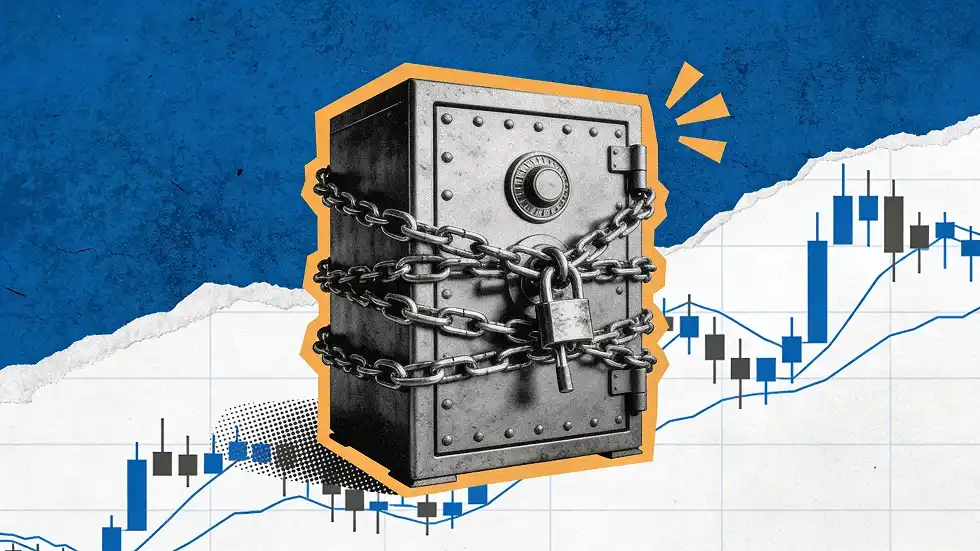
In July 2026, the cryptocurrency sector suffered total losses of approximately $97 million, with hacker attacks and contract vulnerabilities accounting for about $94 million. A significant trend was the shift in attack vectors from smart contract code to off-chain infrastructure, signature key leaks, and governance manipulation. Major incidents included: * **Ostium ($23.75M loss):** An attacker gained access to its off-chain price oracle signing system, manipulated BTC prices, and drained funds. * **AFX Trade Bridge ($24.15M loss):** The private validator key for its cross-chain bridge was compromised, allowing unauthorized withdrawals. * **BonkDAO ($20M loss):** An attacker acquired enough tokens to pass a malicious governance proposal and drain the treasury, exploiting low voting thresholds. * **Bonzo Lend ($9.05M loss):** A third-party oracle provider's signature verification was exploited to inject manipulated token prices. * **Verus Bridge ($7.55M loss):** A repeat attack exploiting the same unpatched bridge vulnerability. * **B2 Network ($3.86M loss):** An attacker seized the upgrade authority for a staking contract. Cross-chain bridges remained a prime target, with concentrated attacks causing over $35 million in losses. Phishing scams resulted in roughly $3 million in losses, employing sophisticated methods like fake mobile apps and physical counterfeit letters targeting Ledger users. Key takeaways are the acceleration of attacks on off-chain infrastructure, the persistent vulnerability of cross-chain bridges, and the rising prominence of governance-layer exploits. Recommendations include enhancing off-chain key management with multi-sig security, implementing stricter governance controls, and increasing user vigilance against phishing.

marsbit08/04 02:21

July Security Report: Total Losses Approximately $97 Million, Cross-Chain Bridge Attacks Concentrated with Over $35 Million

marsbit08/04 02:21

Anthropic's Latest Report Reveals Global Workers' Patterns: Seeking Sleep at 5 AM, Asking for Recipes at 6 PM

A new report from Anthropic analyzes millions of hourly user interactions with Claude AI, revealing detailed patterns in daily life and work. The data shows distinct rhythms: people most frequently ask about sleep help around 5 AM, seek news at 7 AM, and search for dinner recipes at 6 PM—the day's single largest query spike. Usage sharply diverges between weekdays and weekends. Workdays are dominated by professional tasks like business emails and coding (backend, APIs). Weekends see a surge in personal use—nearly 50% of conversations—focused on emotional support, creative writing (especially fan fiction), medical advice, and side projects like AI agent design or game development. Weekend "entrepreneurial" queries peak globally, while job-hunting activity drops. The report introduces "artifact" analysis, finding 93% of conversations produce a tangible output (explanation, document, code, etc.). Blog posts are 81% work-related, while creative writing is over 80% personal. High-wage professionals (e.g., marketing managers, programmers) use Claude more intensively outside work hours, with longer conversations, more tokens consumed, and greater use of deep thinking features compared to lower-wage roles. Interestingly, Claude's responses typically register at a higher reading level than user prompts (by about one educational year on average), except for audience-focused writing like emails or blogs where the gap nearly disappears. The data also captures specific cultural moments, like an 8x spike in tax-related queries on the U.S. filing deadline. Precise hourly data transforms fragmented queries into a collective diary of modern life—mapping not just economic activity, but also cycles of anxiety, creativity, and daily rhythm, with AI acting as both a productivity tool and an intimate, always-available confidant.

marsbit06/29 08:20

Anthropic's Latest Report Reveals Global Workers' Patterns: Seeking Sleep at 5 AM, Asking for Recipes at 6 PM

marsbit06/29 08:20

Dylan Patel: SemiAnalysis, Praised by Jensen Huang, is Founded by a 'Beekeeper and Forum Warrior'

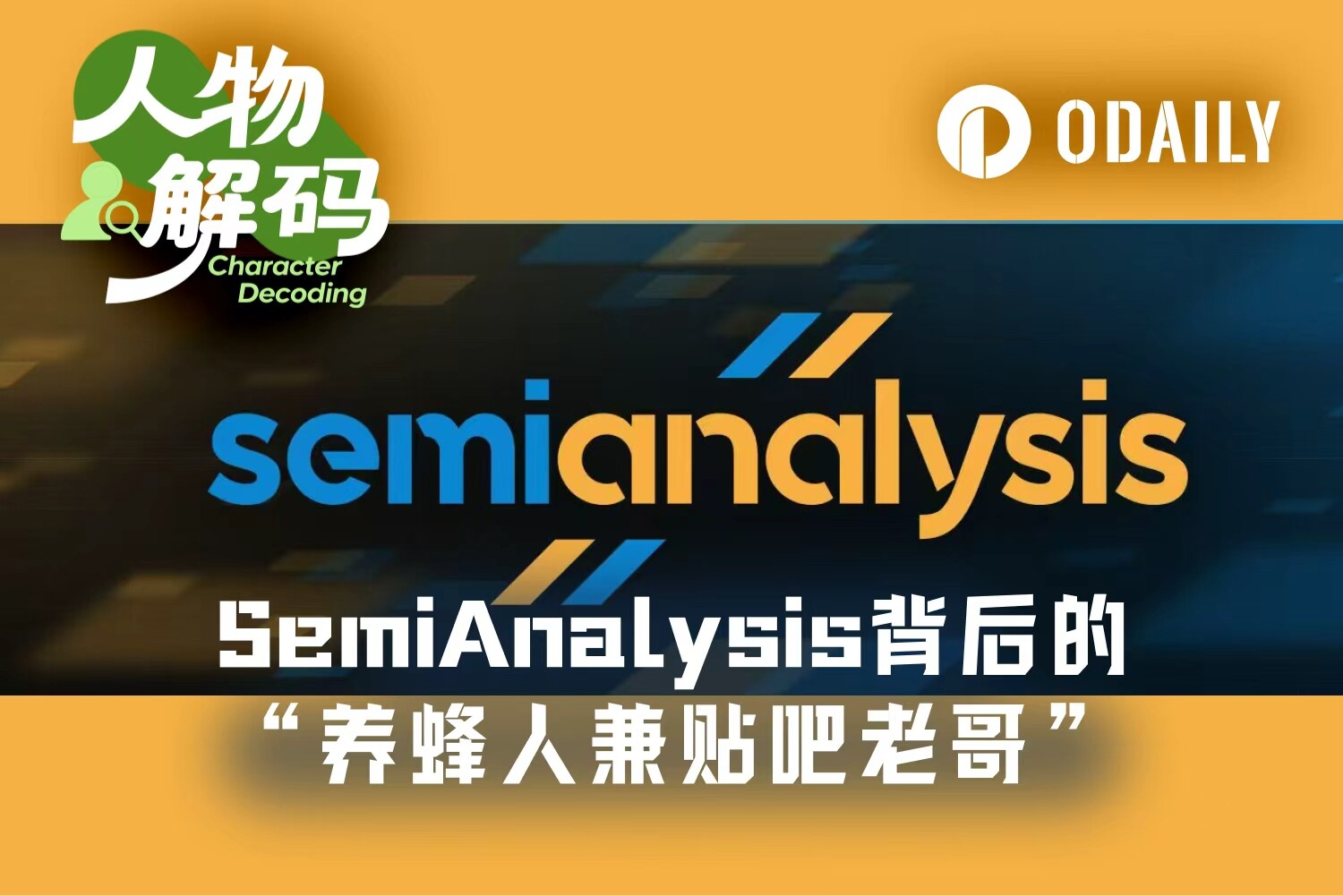
Dylan Patel, founder of the independent research firm SemiAnalysis, has an unconventional background. Growing up in rural Georgia, he later worked as a beekeeper in Minnesota. His entry into semiconductors began as a self-taught "forum warrior," engaging anonymously in online tech communities from a young age. In May 2020, he started the SemiAnalysis blog on WordPress, later moving it to Substack as a paid subscription service. The firm has since evolved from a one-person operation into a global company with around 60 employees, featuring a dedicated chip teardown lab. Its revenue, reaching $20 million last year, is projected to surpass $100 million this year. SemiAnalysis is highly regarded in the AI and semiconductor industry for its deep technical analysis. NVIDIA founder Jensen Huang has publicly praised its reports. In a notable instance, a critical report on AMD's MI300X GPU software shortcomings prompted a 90-minute call with CEO Lisa Su, who thanked Patel for the "constructive feedback." A later report acknowledged AMD's subsequent improvements. The firm's analyses have significant market impact. For example, a June report discussing potential memory configuration changes in NVIDIA's next-generation servers was cited as a factor in pressure on memory-related stocks. Patel plans to establish a venture capital firm, having already made personal investments in about 20 startups. SemiAnalysis combines roles as a consultancy, model platform, and tech lab, focusing on the practical bottlenecks in AI infrastructure.

Odaily星球日报06/19 01:03

Dylan Patel: SemiAnalysis, Praised by Jensen Huang, is Founded by a 'Beekeeper and Forum Warrior'

Odaily星球日报06/19 01:03

SemiAnalysis Report Claims Delay in Two Key Technologies, Triggers Sharp Decline in 'Optoelectronics', Sparking Online Debate Over CPO

A report from analysis firm SemiAnalysis, claiming significant delays in two key AI data center technologies, triggered a sharp sell-off in the photonics sector and sparked intense online debate. The report, dated June 10, states that NVIDIA's 800VDC power architecture rollout is pushed to 2028 and CPO (Co-Packaged Optics) mass production is likely delayed until 2028 or even 2029. Following the news, U.S. optical communication stocks fell sharply, with AAOI dropping 17% and Lumentum down about 8%. The delays were attributed to engineering challenges like photonic engine yield and cost-effectiveness, not a disappearance of demand. Simultaneously, an interview with NVIDIA's networking SVP Gilad Shainer presented an opposing, optimistic view, stating CPO is "the most exciting thing" and shipments would begin scaling in the second half of the year. This contradiction fueled debate on social media. Bears pointed to unresolved reliability and maintenance hurdles for CPO. Bulls argued the delay simply redirects capital to interim solutions like traditional pluggable optical modules and NPO (Near-Packaged Optics), extending their revenue runway. Some users questioned the report's internal logic and timing, noting similar views had circulated earlier. Analysts highlighted potential beneficiaries, including companies in the 1.6T pluggable modules, NPO, and 400VDC power transition supply chains. The consensus suggests the market reaction reflects a recalibration of the technology adoption timeline rather than a fundamental weakening of AI infrastructure demand, with key bottlenecks like power, storage, and GPUs remaining unchanged.

marsbit06/10 02:08

SemiAnalysis Report Claims Delay in Two Key Technologies, Triggers Sharp Decline in 'Optoelectronics', Sparking Online Debate Over CPO

marsbit06/10 02:08

活动图片