# Policy İlgili Makaleler

HTX Haber Merkezi, kripto endüstrisindeki piyasa trendleri, proje güncellemeleri, teknoloji gelişmeleri ve düzenleyici politikaları kapsayan "Policy" hakkında en son makaleleri ve derinlemesine analizleri sunmaktadır.
Billionaire Druckenmiller Considers U.S. Treasury's Bond Buyback Plan a Mistake

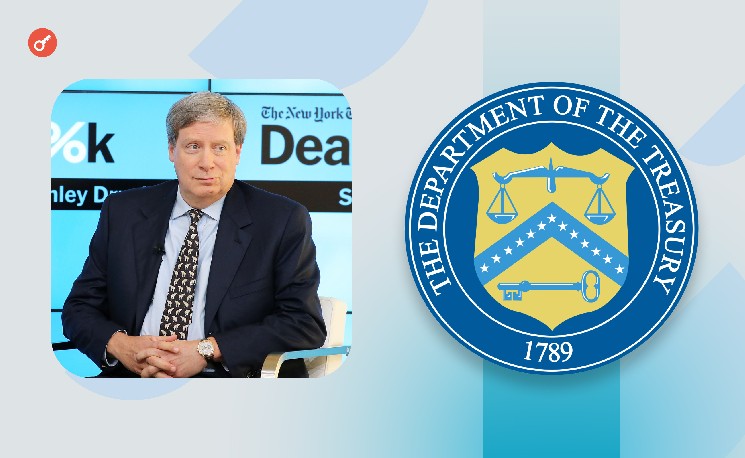
Billionaire investor Stanley Druckenmiller criticizes the U.S. Treasury's plan to increase purchases of long-term bonds as a mistake. The Treasury announced it would double its buyback amount for bonds with 10- to 30-year maturities from $2 billion to $4 billion. While this move, alongside other factors, boosted high-risk assets like Bitcoin, Druckenmiller argues the intervention failed to achieve its goals of lowering bond yields and slowing the growth of national debt. Druckenmiller contends the bond market was functioning properly without liquidity issues, and rising yields were justified by fundamentals like high inflation, low unemployment, and a massive budget deficit. He warns that artificially suppressing yields removes market pressure on Congress to address fiscal deficits and sets a dangerous precedent, inviting markets to constantly test any perceived "ceiling" protected by the Treasury. He likens the action to quantitative easing, which is inappropriate during high inflation. The investor believes the correct approach would be to let the market dictate yields, which could reasonably rise to 5.5%, and address them through deficit reduction. He concludes that governments lose when they defend prices against fundamental factors, and artificially suppressing interest rates only amplifies future risks. Following the announcement, the yield on 30-year bonds initially fell but later recovered.

cryptonews.ru1 saat önce

Billionaire Druckenmiller Considers U.S. Treasury's Bond Buyback Plan a Mistake

cryptonews.ru1 saat önce

Bitcoin Soars Over 24% in a Week, Best Weekly K in Recent Years, $2.7B Short Squeeze Sets Record, Policy Tailwinds Ignite Rally

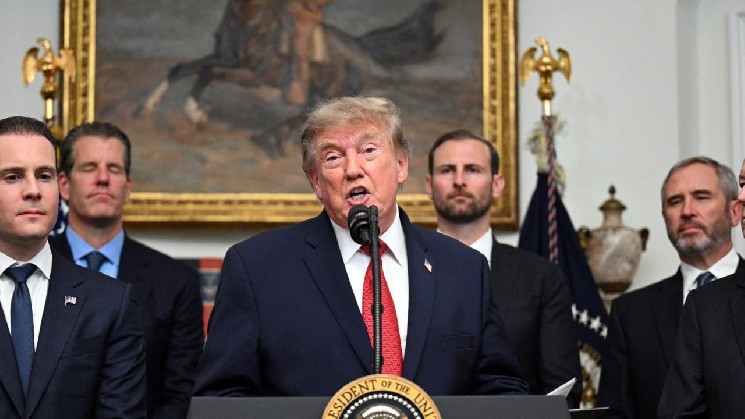
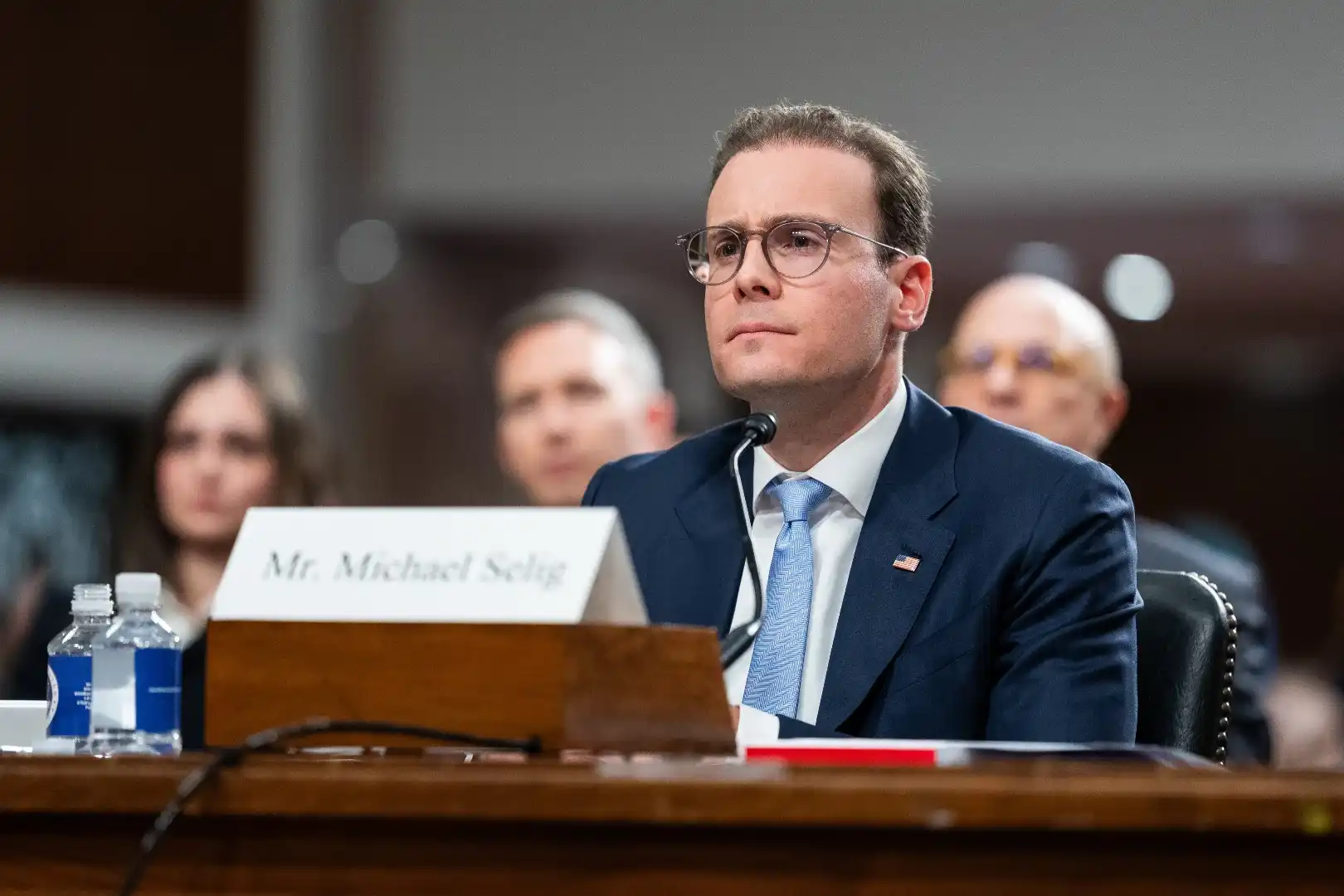
Bitcoin surged over 24% this week, breaking above $78,000 and marking its best weekly performance since March 2024. The rally accelerated following a series of crypto-friendly signals from Washington and was further amplified by a record wave of forced short liquidations. Data from CoinGlass shows approximately $27.4 billion in crypto short positions were liquidated within 24 hours, the largest such event since the platform's records began in 2021. Total liquidations neared $30 billion, with shorts accounting for about 92%. Key drivers included a new SEC proposal ("Regulation Crypto Assets") to simplify token offerings, progress on the stalled CLARITY法案, comments from CFTC Chairman Michael Selig about moving forward independently if Congress delays, and former President Trump's remarks regarding bringing the Hyperliquid exchange into the US compliantly. Macroscopically, the US Treasury's announcement to double its long-term bond buyback program helped lower yields, improving liquidity expectations for risk assets. The market, previously stagnant near $60,000 with high short positioning, saw a violent squeeze. This created a self-reinforcing cycle where rising prices triggered further short liquidations. The interplay between shifting policy expectations and this massive deleveraging event fueled the historic weekly gain.

marsbitDün 04:16

Bitcoin Soars Over 24% in a Week, Best Weekly K in Recent Years, $2.7B Short Squeeze Sets Record, Policy Tailwinds Ignite Rally

marsbitDün 04:16

MiCA is coming for DeFi vaults, but regulation will be difficult

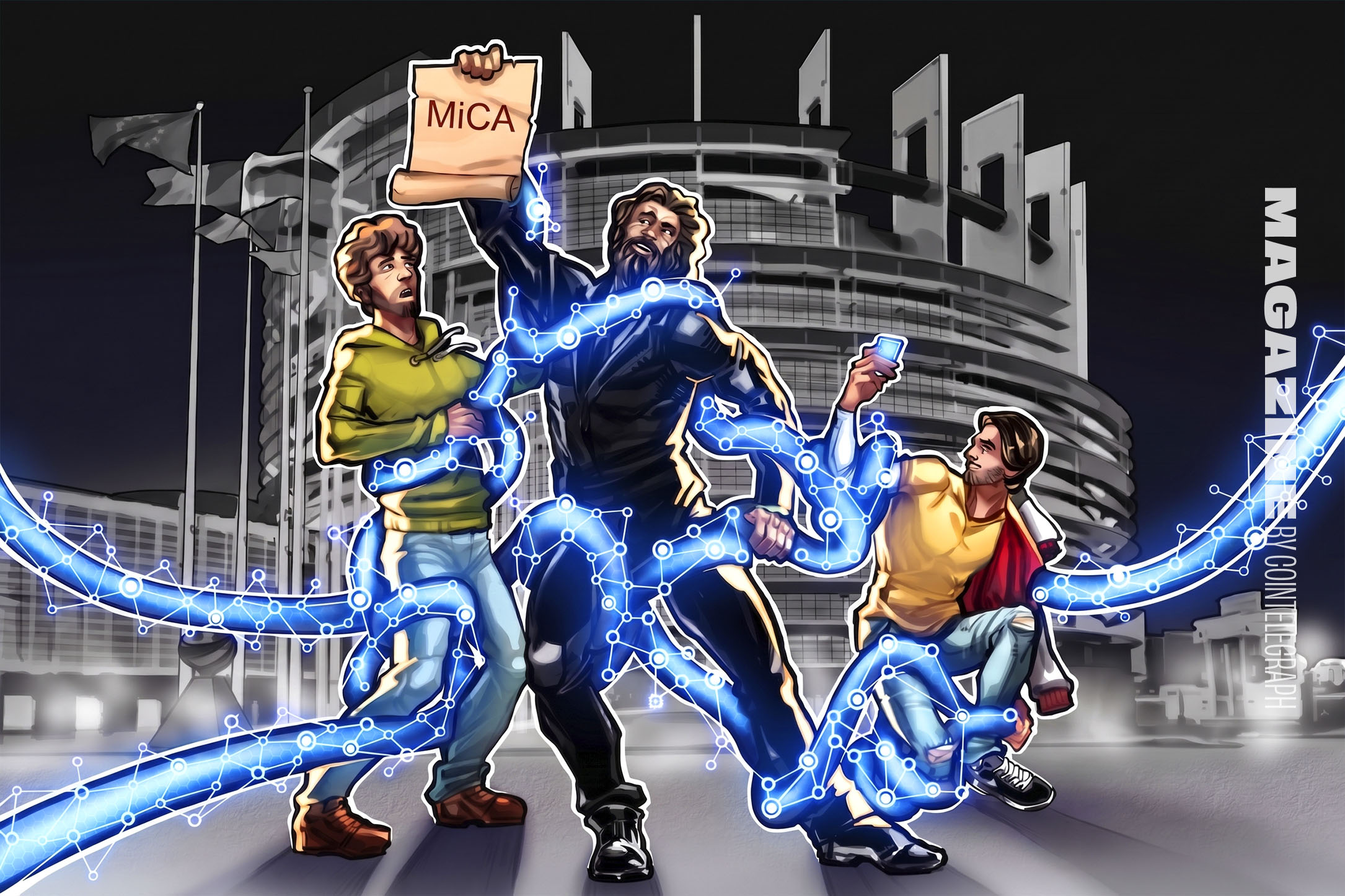
The European Commission is exploring whether to extend the Markets in Crypto-Assets (MiCA) regulation to cover decentralized finance (DeFi) lending and borrowing, including lending vaults. These vaults, which channel billions into on-chain credit markets, present significant regulatory challenges because their decentralized structure doesn't map neatly onto existing financial frameworks. Their legal status is currently based on non-binding interpretations that they fall outside MiCA and EU fund rules. The article uses Morpho's decentralized lending protocol as an example, illustrating how responsibilities are divided among various participants (owner, curator, allocator, sentinel), making it difficult to identify a single "provider" to regulate. Experts warn that broadly categorizing "DeFi lending" could inadvertently capture vastly different structures. They argue that any regulatory approach should focus on the specific structure and control mechanisms of a vault, rather than using decentralization as a simple dividing line, and that DeFi lending may require a dedicated, carefully crafted framework distinct from traditional finance. The Commission's consultation closes on September 30, 2026. The core challenge for regulators is not just whether to regulate DeFi lending, but how to design rules that distinguish between different forms of on-chain lending and the entities that control them.

cointelegraph08/22 13:36

MiCA is coming for DeFi vaults, but regulation will be difficult

cointelegraph08/22 13:36

The End of APK Freedom? No, Google's Restrictions Will Not Affect Everyone or Everywhere

Google is introducing new rules for installing third-party APK files, but the restrictions will only affect some users and won't completely block app installation from unofficial sources. The company is implementing an "Advanced Flow" mechanism to combat fraud. However, its application is limited geographically, technically, and in timing. The new requirements will first take effect in Brazil, Indonesia, Singapore, and Thailand starting September 30, 2026, with a global rollout planned for 2027. The Advanced Flow system only works on Google-certified devices with pre-installed Google Mobile Services (GMS). Chinese versions of Android, which legally lack full GMS, are unaffected. Even on global devices with GMS, custom ROMs and ADB installations remain unrestricted. For affected users, a specific protocol is established. This involves enabling Developer Options, confirming no external pressure, rebooting, and then waiting a 24-hour protection period before a biometric/PIN confirmation grants installation permission for 7 days or indefinitely. Google states this creates friction for mass users while preserving technical capabilities for informed choice. A data-driven perspective notes that Advanced Flow is delivered via Google Play Services, not the core Android OS, meaning Google could modify or disable it remotely. Critics, including F-Droid and the EFF, warn this could follow a historical pattern where initial "trusted installer" mechanisms gradually expanded platform control over user choice. The long-term impact will depend on practical application beyond the stated policy.

cryptonews.ru08/21 12:13

The End of APK Freedom? No, Google's Restrictions Will Not Affect Everyone or Everywhere

cryptonews.ru08/21 12:13

活动图片