# Neuroscience İlgili Makaleler

HTX Haber Merkezi, kripto endüstrisindeki piyasa trendleri, proje güncellemeleri, teknoloji gelişmeleri ve düzenleyici politikaları kapsayan "Neuroscience" hakkında en son makaleleri ve derinlemesine analizleri sunmaktadır.
AI, Why Does It Also Need to Sleep?

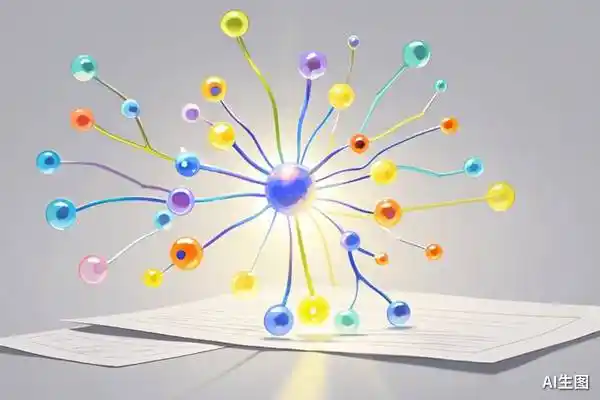
Anthropic's accidental leak of Claude Code's source code in 2026 revealed an experimental feature called "autoDream," part of the KAIROS system, which gives AI a sleep-like cycle. Unlike the prevailing AI agent paradigm of continuous, uninterrupted operation, autoDream operates offline when users are inactive. It processes and consolidates daily logs—resolving contradictions, converting vague observations into facts, and discarding redundant information—while avoiding the accumulation of noise in the limited context window, a phenomenon known as "context corruption." This mirrors human brain function: the hippocampus temporarily stores daily experiences, and during rest, the brain prioritizes and transfers important memories to the neocortex through processes like active systems consolidation. Both systems must go offline to perform memory maintenance, as simultaneous processing and consolidation compete for resources. autoDream differs in one key aspect: it labels its outputs as "hints" rather than definitive truths, requiring verification upon use—a cautious approach unlike human memory, which often constructs narratives with high confidence. The emergence of this sleep-like mechanism suggests that, beyond mere biological imitation, intelligent systems may inherently require periodic rest to maintain coherence and performance. It challenges the assumption that more power and continuous operation always lead to greater intelligence, pointing instead to the necessity of rhythmic cycles in advanced cognition.

marsbit04/07 08:20

AI, Why Does It Also Need to Sleep?

marsbit04/07 08:20

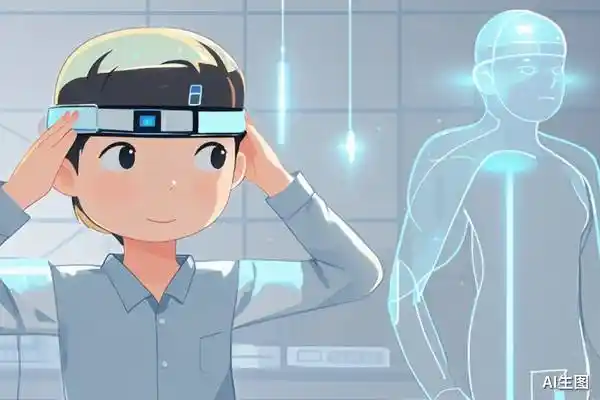
Zhejiang University Research Team Proposes New Approach: Teaching AI How the Human Brain Understands the World

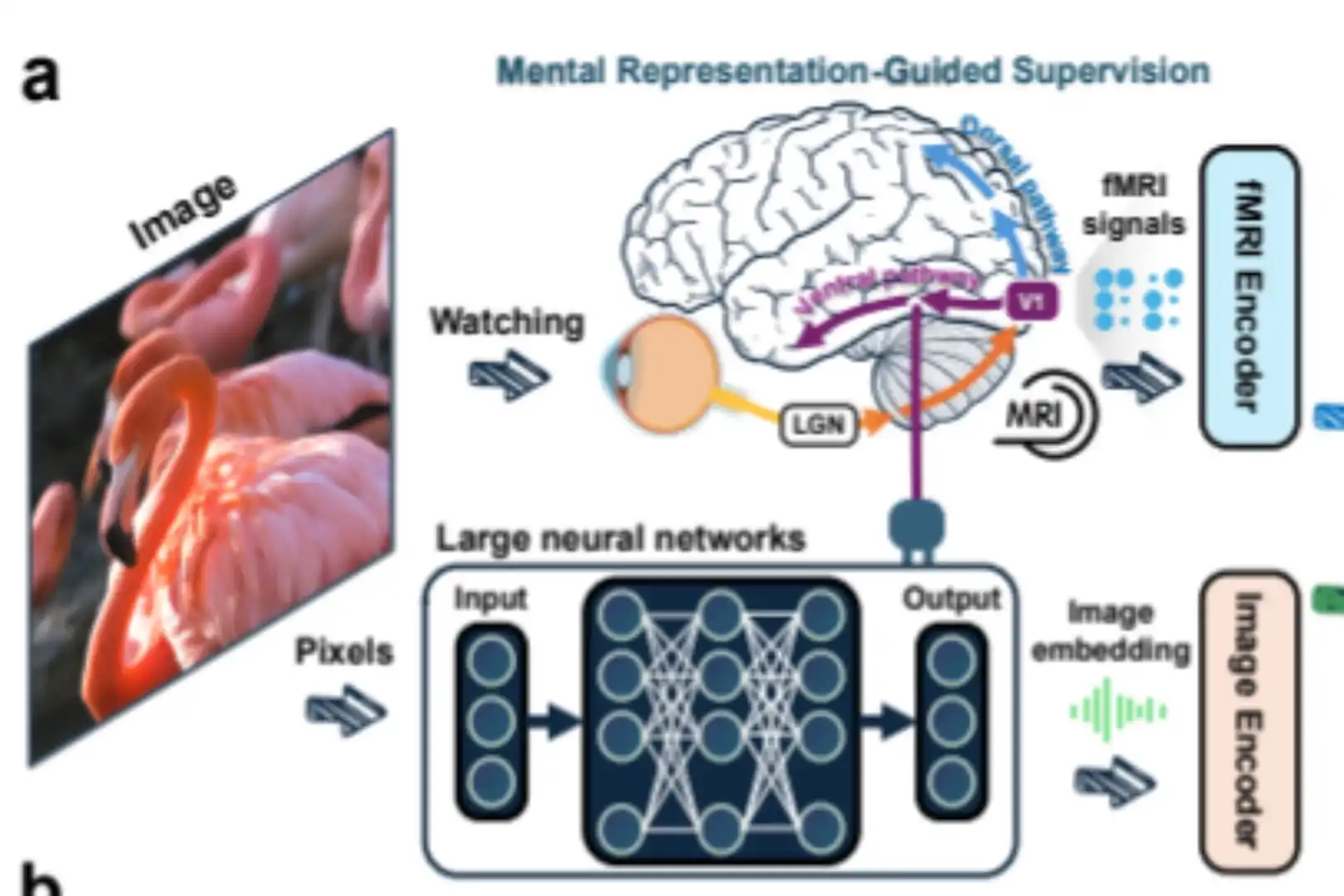
A research team from Zhejiang University published a paper in *Nature Communications* challenging the prevailing notion that larger AI models inherently think more like humans. They found that while model performance on recognizing concrete concepts improved as parameters increased (from 74.94% to 85.87%), performance on abstract concept tasks slightly declined (from 54.37% to 52.82%) in models like SimCLR, CLIP, and DINOv2. The key difference lies in how concepts are organized. Humans naturally form hierarchical categories (e.g., grouping a swan and an owl into "birds"), enabling them to apply past knowledge to new situations. Models, however, rely heavily on statistical patterns in data and struggle to form stable, abstract categories. The team proposed a novel solution: using human brain signals (recorded when viewing images) to supervise and guide the model's internal organization of concepts. This method, termed transferring "human conceptual structures," helped the model learn a brain-like categorical system. In experiments, the model showed improved few-shot learning and generalization, with a 20.5% average improvement on a task requiring abstract categorization like distinguishing living vs. non-living things, even outperforming much larger models. This research shifts the focus from simply scaling model size ("bigger is better") to designing smarter internal structures ("structured is smarter"). It highlights a new pathway for developing AI that possesses more human-like abstract reasoning and adaptive learning capabilities.

marsbit04/05 04:41

Zhejiang University Research Team Proposes New Approach: Teaching AI How the Human Brain Understands the World

marsbit04/05 04:41

活动图片