# IP İlgili Makaleler

HTX Haber Merkezi, kripto endüstrisindeki piyasa trendleri, proje güncellemeleri, teknoloji gelişmeleri ve düzenleyici politikaları kapsayan "IP" hakkında en son makaleleri ve derinlemesine analizleri sunmaktadır.


Live-Action Short Series Forced onto the Big Screen by AI

Live-action short dramas, originally a popular online format, are now attempting to enter the cinema. Several top IPs like "What a Good Girl" and "One Family, Same Class" have received approval for film adaptations. This shift is driven by several pressures within the short drama industry. After rapid growth fueled by low costs and platform support, the sector now faces a slowdown with fewer hits and reduced investment. A major disruptor is the explosive rise of AI-generated short dramas, which dominate new releases and challenge the traditional model with their speed and low cost. Platform policy changes, such as adjustments to revenue guarantees, have further squeezed producers. In this context, film adaptation is seen as a potential new growth path. It offers a chance to extend a short-lived online hit into a longer-lasting IP asset, moving beyond the "fast production, fast consumption" cycle. Established short dramas bring pre-validated stories and emotional appeal to the table, potentially lowering the risk for film investors. However, significant challenges remain. Translating a fast-paced, fragmented viewing experience designed for phones into a compelling cinematic narrative is difficult. Past attempts by popular TV shows and variety programs to make films have often failed due to weak content. A short drama's massive online viewership does not guarantee box office success, as cinema requires a higher commitment of time and money from audiences. Ultimately, the success of these adaptations will depend not on their original popularity, but on their ability to tell complete, emotionally resonant stories that meet the standards of the theatrical market.

marsbit07/17 12:21

Live-Action Short Series Forced onto the Big Screen by AI

marsbit07/17 12:21

After Marvell's 32% Surge, the Chinese Chip Family Behind It Emerges

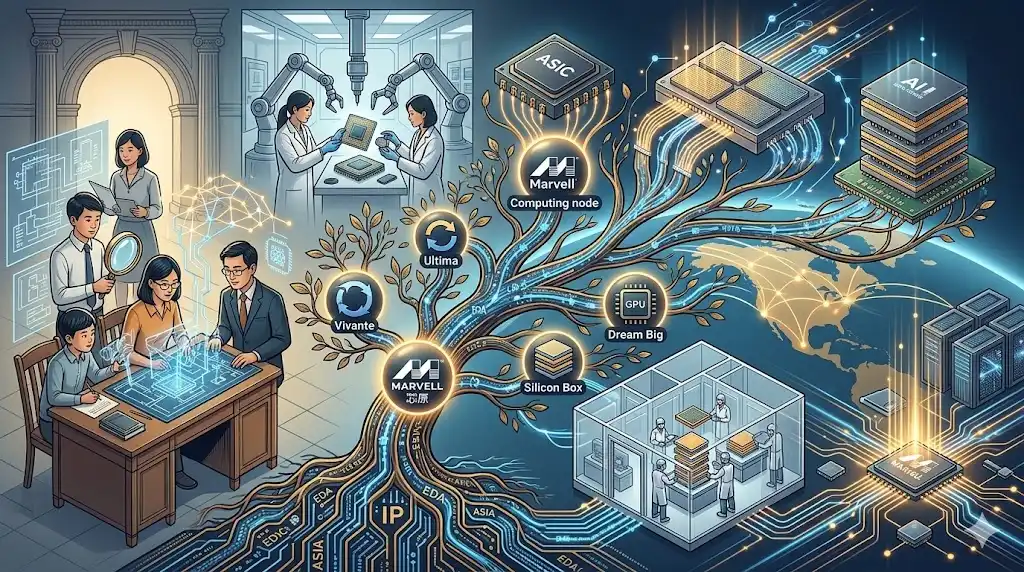
The stock price of Marvell Technology surged 32.5% on June 2nd, driven by NVIDIA CEO Jensen Huang highlighting its custom ASICs and optical interconnects as core to AI data center architecture. This event brought attention to the Chinese semiconductor family behind Marvell: the Dai siblings. The story centers on three siblings, all UC Berkeley graduates, whose three-decade entrepreneurial journey aligns with major semiconductor industry shifts. In 1995, youngest sister Dai Wei Li co-founded Marvell with her husband Sehat Sutardja and his brother, focusing on storage controllers. Eldest brother Dai Wei Min founded EDA company Ultima, later sold to Cadence, and later founded VeriSilicon (芯原) in China, becoming a leading semiconductor IP provider. Second brother Dai Wei Jin co-founded EDA firm Silicon Perspective (sold to Cadence) and GPU IP company Vivante, later acquired by VeriSilicon. The combined "Dai-Sutardja" family network extends beyond Marvell. Their ventures and investments form a comprehensive ecosystem for the post-Moore's Law, chiplet era. Key holdings include: Dream Big Semiconductor (AI SuperNICs, acquired by Arm), Alphawave (high-speed SerDes IP, acquired by Qualcomm), and Silicon Box (a chiplet advanced packaging foundry). VeriSilicon itself thrives on the AI ASIC and IP boom in China. Collectively, the family's AI infrastructure-related portfolio is estimated at over $22 billion. Their strategy represents a distinct path: building critical components for open standards and key manufacturing capacity in the chiplet era, rather than pursuing standalone AI chip dominance. While this path may not create the next NVIDIA, it has enabled repeated successful exits and sustained influence within the global semiconductor industry.

marsbit06/03 11:16

After Marvell's 32% Surge, the Chinese Chip Family Behind It Emerges

marsbit06/03 11:16

When AI Meets Crypto: 11 Scenarios of Ongoing Technological Convergence

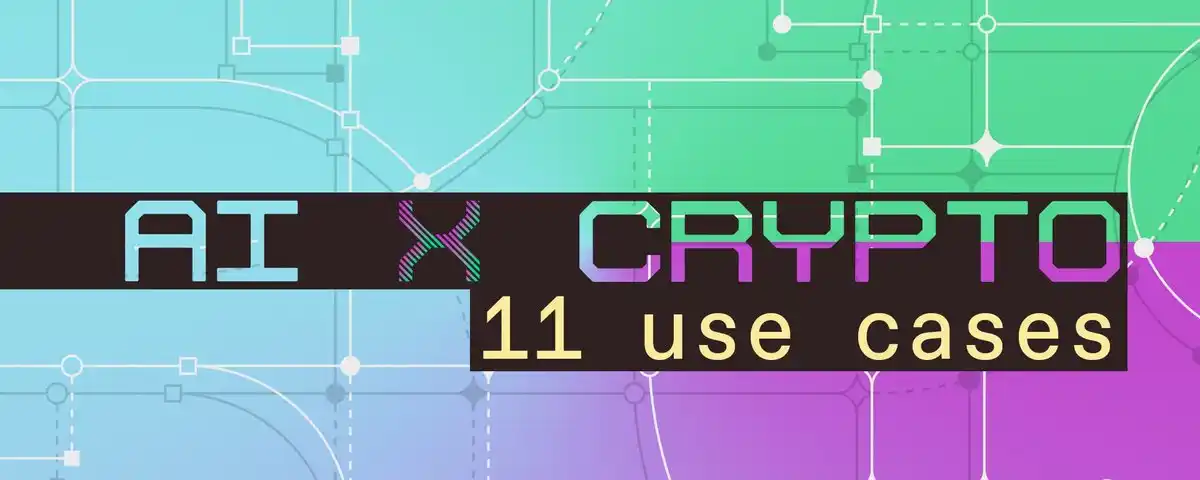
When AI Meets Crypto: 11 Emerging Convergence Scenarios The integration of AI and crypto is reshaping the internet's economic model, offering decentralized, user-owned alternatives to centralized control. Key convergence areas include: 1. Persistent data and interaction context via blockchain, enabling AI to remember user preferences across sessions and platforms. 2. Universal "passports" for AI agents, allowing portable, interoperable identity and payment capabilities. 3. Forward-compatible proof-of-human systems (e.g., Worldcoin) to distinguish humans from AI bots. 4. DePINs (Decentralized Physical Infrastructure Networks) for scalable, resilient AI compute resources. 5. Blockchain-based protocols for AI-to-AI interactions, enabling autonomous transactions and workflows. 6. Synchronization layers for AI-generated applications to maintain compatibility amid rapid software evolution. 7. Micropayments and revenue-sharing models to compensate content creators when AI uses their data. 8. Blockchain IP registries (e.g., Story Protocol) for transparent attribution and licensing in generative AI. 9. Compensating web crawlers via crypto payments, ensuring fair compensation for data usage. 10. Privacy-preserving, personalized advertising using zero-knowledge proofs and micro-incentives. 11. User-owned AI companions hosted on censorship-resistant platforms for controlled, persistent relationships. These innovations aim to create a more open, equitable, and resilient internet by leveraging crypto's decentralized trust and AI's capabilities.

marsbit01/22 00:41

When AI Meets Crypto: 11 Scenarios of Ongoing Technological Convergence

marsbit01/22 00:41

活动图片