# Insider Trading İlgili Makaleler

HTX Haber Merkezi, kripto endüstrisindeki piyasa trendleri, proje güncellemeleri, teknoloji gelişmeleri ve düzenleyici politikaları kapsayan "Insider Trading" hakkında en son makaleleri ve derinlemesine analizleri sunmaktadır.

US Calls for Restrictions on Sports Prediction Markets

The National Football League (NFL) has urged the U.S. Commodity Futures Trading Commission (CFTC) to tighten rules for prediction markets on sports events. In a July letter, the NFL argued that current proposals fail to adequately protect the integrity of games and market participants. Key demands include banning contracts on events easily manipulated by individuals (e.g., a kicker missing a field goal), clarifying definitions to prevent gambling-like contracts, and explicitly prohibiting trading based on non-public insider information. The league also called for restricted person lists, a ban on margin trading, advertising limits, stronger user protections, and a minimum age of 21. This push coincides with an ongoing jurisdictional dispute between the CFTC and several states. The CFTC claims exclusive federal oversight, classifying event contracts as swaps, while states argue these platforms violate local gambling laws. Recent legal actions in Michigan and Minnesota highlight the conflict, with a federal court temporarily blocking Minnesota from applying a new law to CFTC-registered platforms like Kalshi and Polymarket. Meanwhile, prediction markets are experiencing significant growth. In June, driven by events like the World Cup, Kalshi's trading volume exceeded $31 billion (85% from sports contracts), while Polymarket's global platform hit a monthly record of $10.8 billion. However, platforms face legal challenges, such as lawsuits from Kentucky accusing them of operating unlicensed sports betting disguised as prediction markets.

cryptonews.ru10 saat önce

US Calls for Restrictions on Sports Prediction Markets

cryptonews.ru10 saat önce

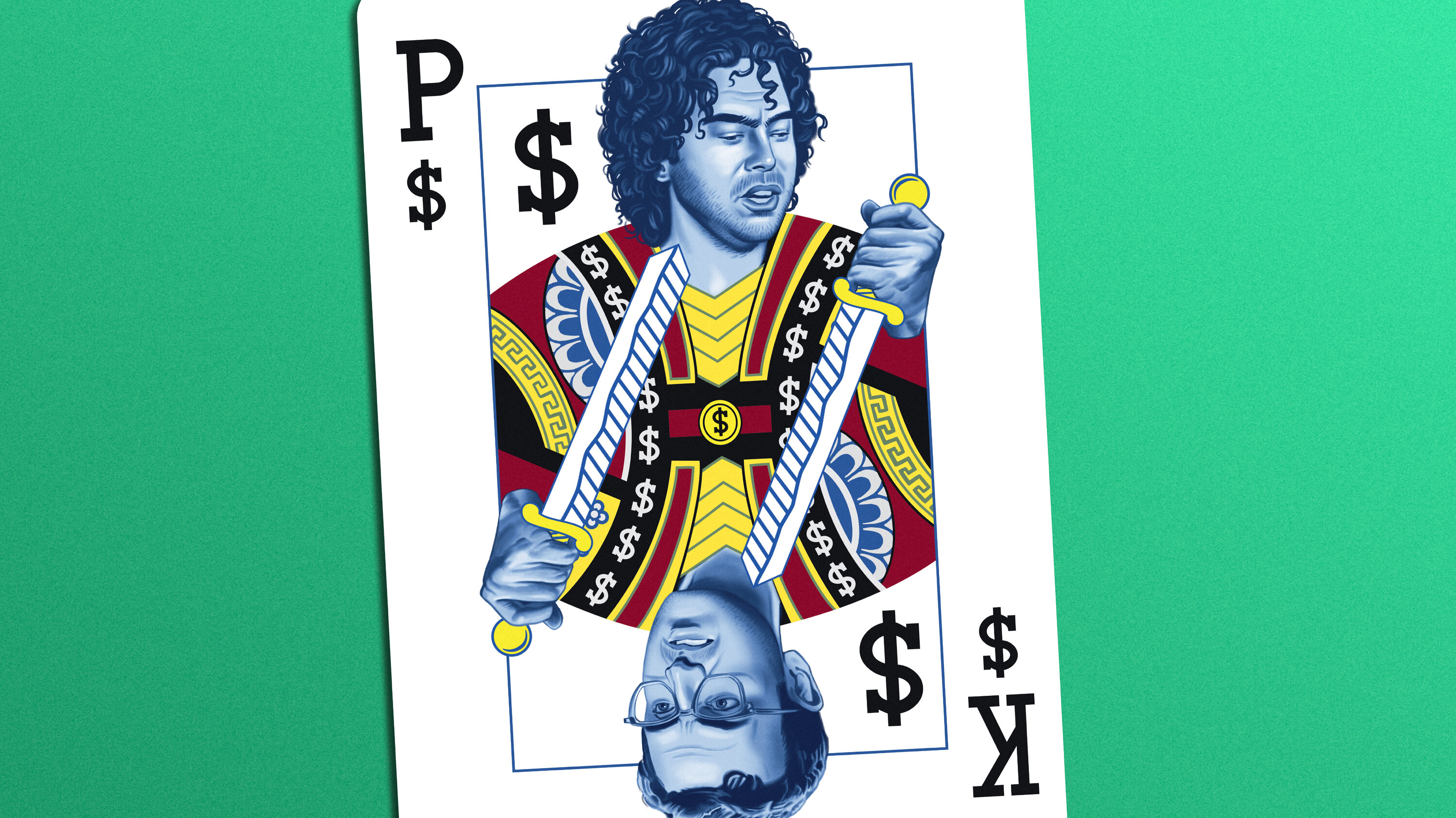
Kalshi and Polymarket Founders at Odds? This Business War Is Far More Brutal Than You Imagine

The New York Times details the fierce, personal rivalry between Kalshi CEO Tarek Mansour and Polymarket founder Shayne Coplan, which has escalated beyond typical business competition into a conflict marked by legal complaints, regulatory battles, and public hostilities. The feud intensified in late 2024 when FBI agents raided Coplan's New York apartment. While Coplan publicly blamed political motives, sources indicate his team privately suspected Mansour, noting that Kalshi's lawyers had previously reported Polymarket's operational model to federal prosecutors, highlighting that U.S. users could still access its offshore platform despite a ban. The animosity extends through their companies' operations. Kalshi positions itself as a compliance-focused, fully licensed U.S. operator, while Polymarket has historically operated its core platform offshore without a U.S. license, offering more anonymity and controversial betting markets. Mansour has publicly called Polymarket's model "illegal and immoral," while Coplan privately dismisses Kalshi as a copycat. Their competition has played out in Washington lobbying, attempts to sabotage each other's major deals (such as Kalshi's efforts to dissuade Intercontinental Exchange from investing in Polymarket), competing sponsorships, and poaching staff. The rivalry continues as both platforms experience massive growth, with Kalshi currently holding a valuation and trading volume edge, but facing ongoing regulatory scrutiny alongside Polymarket.

Foresight News07/21 11:34

Kalshi and Polymarket Founders at Odds? This Business War Is Far More Brutal Than You Imagine

Foresight News07/21 11:34

Prediction Markets Witness $200 Million in Suspicious Insider Trading Over Six Months, Who's Reaping the Profits?

Prediction markets are booming, with monthly trading volume exceeding $210 billion as of 2026. However, a Bloomberg investigation analyzing data from August 2025 to June 2026 reveals a parallel surge in suspicious trading, totaling roughly $200 million in the first half of 2026 on Polymarket alone. These potentially illicit trades are concentrated in geopolitical and military events, with 57% of the highest-earning wallets created less than 24 hours before trading. The analysis, using AI-driven platform Polysights, found profits are highly concentrated: the top 1% of wallets captured over half the gains. A significant portion (71%) of funds for marked trades originated from U.S.-regulated crypto exchanges, despite Polymarket's ban on U.S. users. Traders are increasingly using coordinated clusters of wallets and focusing on smaller markets to avoid detection. Two major criminal cases highlight the risks: a U.S. Army sergeant was charged for using classified information on a Venezuela operation to profit nearly $410,000, and an Israeli reservist allegedly leaked details of an Iran strike for a $128,400 gain. Regulatory scrutiny is intensifying. The CFTC is investigating Polymarket, congressional bills aim to ban insiders from trading, and major firms like Goldman Sachs have restricted employee participation. In response, Polymarket has updated its rules against insider trading and provided wallet data to authorities. The core challenge remains distinguishing between skilled research and trading on non-public information in a market designed to price such knowledge.

Foresight News07/21 06:01

Prediction Markets Witness $200 Million in Suspicious Insider Trading Over Six Months, Who's Reaping the Profits?

Foresight News07/21 06:01

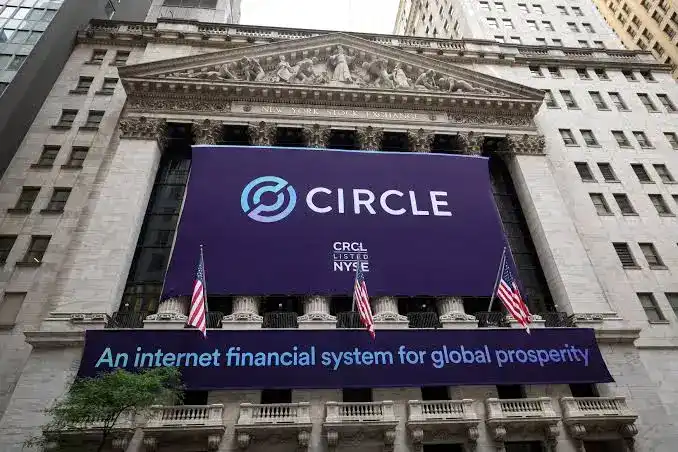
73 Sell Trades, 0 Buy Trades: Is This the 'Long-termism' of Circle's Management?

**Title: "73 Sales, 0 Buys: Is This Circle Management's 'Long-Termism'?"** In July, Circle President Heath Tarbert claimed the company was "playing the long game" and its stock price would "take care of itself." However, an analysis of SEC Form 4 filings reveals a contrasting picture: since CRCL's IPO, Circle's top executives and board members have consistently sold shares while making zero purchases. Key insiders, including CEO Jeremy Allaire, multiple board members, the CFO, CPTO, CAO, and President Tarbert himself, have executed a total of 73 sell transactions, collectively cashing out approximately $664 million. Tarbert alone has sold 10 times for about $30.77 million. While insider sales can be routine for diversification, the complete absence of any buys—especially after CRCL's ~70% price drop from its highs—raises questions. This one-sided trading pattern seems at odds with management's public assurances of long-term confidence and suggests they may not view the depressed stock as a compelling buying opportunity. The article argues this activity amplifies existing market doubts. Investors are reevaluating whether Circle's valuation is justified, questioning if it is truly a future financial infrastructure platform or remains primarily dependent on USDC's scale and the interest rate environment. Ultimately, Circle will need to demonstrate its long-term narrative through tangible business performance.

marsbit07/20 08:53

73 Sell Trades, 0 Buy Trades: Is This the 'Long-termism' of Circle's Management?

marsbit07/20 08:53

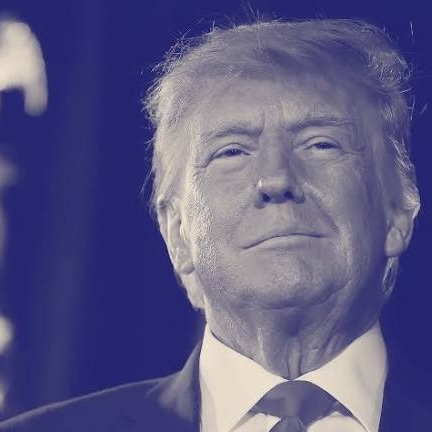
Trump’s Teleprompter Operator Investigated for Insider Trading, "Whistleblower" Turns Out to Be Prediction Platform Kalshi

According to reports from CNBC and ABC, a longtime teleprompter operator for President Trump, Gabriel Perez, is under federal investigation for allegedly using insider information to place bets on the prediction market platform Kalshi. Perez, who had handled Trump's speeches since 2016, is suspected of trading on over a dozen upcoming presidential addresses, including the State of the Union, based on his advance knowledge of speech content. Kalshi's monitoring systems flagged the atypical trading patterns in March, leading to his account being frozen and the case being referred to the Commodity Futures Trading Commission (CFTC). Perez reportedly profited over $90,000, though most funds are held by the platform. He is now in settlement talks with the CFTC and has been placed on unpaid leave by the White House. This incident is part of a broader pattern of insider trading on prediction markets. Similar cases involve a congressional candidate betting against his own attendance, military personnel using classified information, and a Google engineer trading on internal data. The growing liquidity of these markets, with some contracts seeing over $150,000 in volume, creates incentives for abuse. In response, platforms like Kalshi are enhancing monitoring, requiring occupational disclosures, and cooperating with regulators. The CFTC and the Justice Department are pursuing civil and criminal actions, while the White House has issued memos explicitly barring staff from such trading.

Foresight News07/17 10:01

Trump’s Teleprompter Operator Investigated for Insider Trading, "Whistleblower" Turns Out to Be Prediction Platform Kalshi

Foresight News07/17 10:01

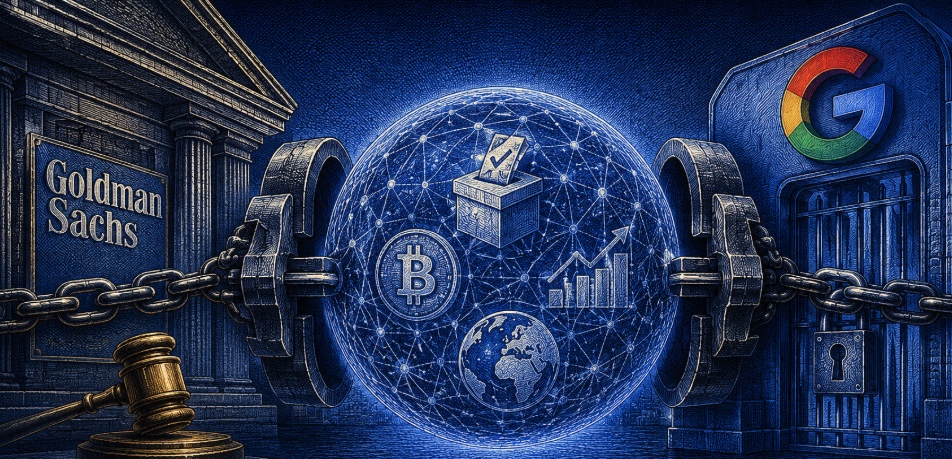
Goldman Sachs Bans It, Google Bans It Too: The Gray Zone of Prediction Markets Is Shrinking Fast

Goldman Sachs has updated its personal trading policy, prohibiting employees from trading event contracts on prediction markets involving specific companies (including whether Goldman itself might restructure or initiate acquisitions in a quarter), election outcomes, financial market performance (including Bitcoin prices), macroeconomic data, geopolitical events, and regulatory results for pending M&A deals. Sports and entertainment bets remain allowed. Violations can lead to dismissal or account closure, and the firm may reclaim profits over $200 or donate them to charity. This follows a CFTC case against a Google engineer who allegedly used non-public data to profit $1.2 million on Polymarket. Simultaneously, Google's Chrome Web Store updated its policy, banning extensions that facilitate real-money trading on prediction market outcomes, effective August 1, 2026. While not affecting platforms' websites or mobile apps directly, this restricts a key user access channel. These actions occur amid growing regulatory pressure on prediction markets. The CFTC is investigating Polymarket for alleged misconduct, and a consumer group has filed a lawsuit. Over 30 countries, including Argentina, have blocked access. Despite this, trading volume has hit record highs, and major investments continue, such as ICE's $2 billion stake in Polymarket. The core debate remains whether prediction markets are financial instruments or gambling. CFTC argues for federal oversight as derivatives, while some states seek to regulate them under gambling laws. Multiple fronts—federal probes, political pressure, internal corporate bans, and platform restrictions—are narrowing the operational space for these markets.

Foresight News07/10 03:43

Goldman Sachs Bans It, Google Bans It Too: The Gray Zone of Prediction Markets Is Shrinking Fast

Foresight News07/10 03:43

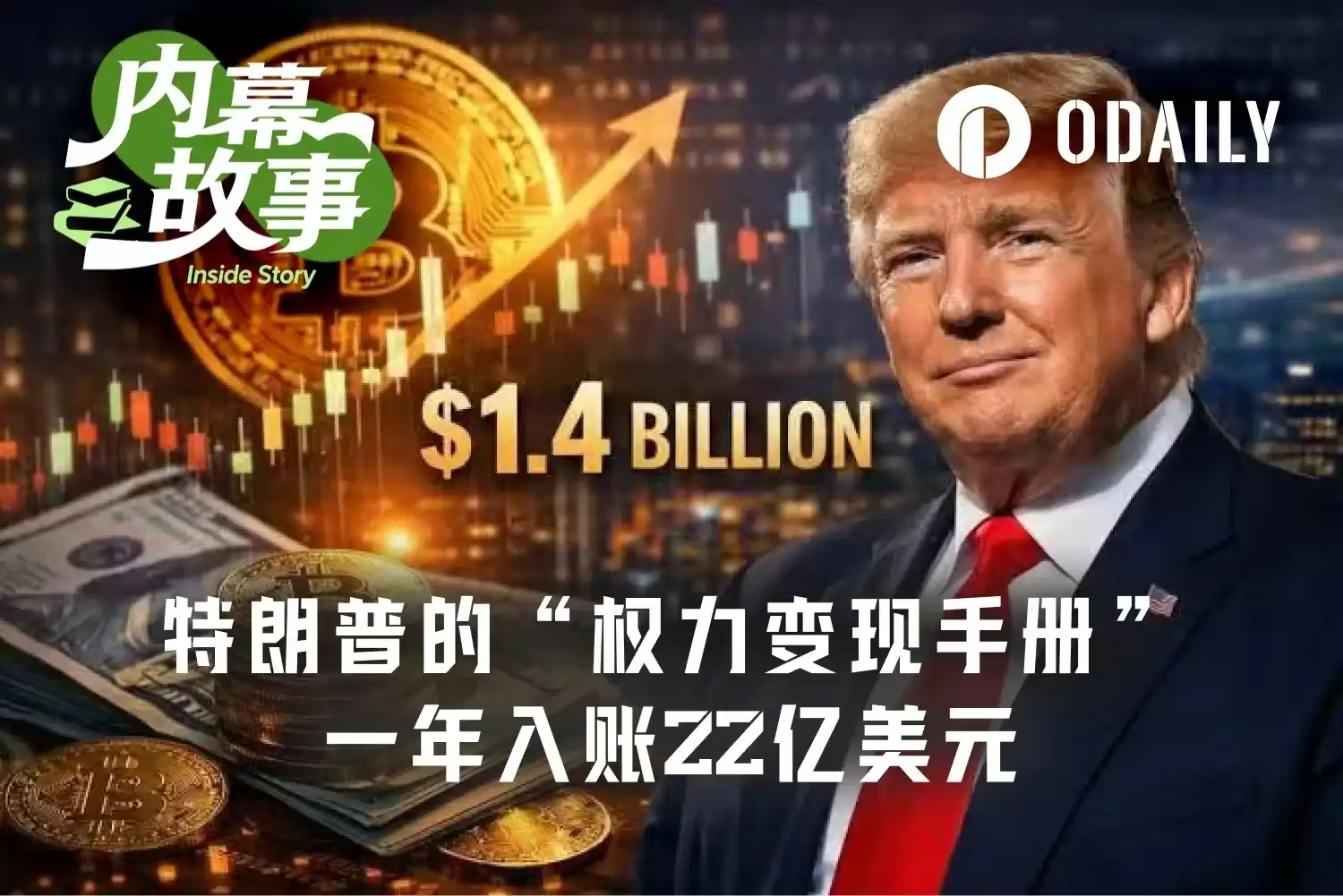
Trump Earns $2.2 Billion Annually, Two-Thirds from Cryptocurrency, with 87 Stock Trades Daily

Former U.S. President Donald Trump reported a personal income exceeding $2.2 billion in 2025, the highest annual income for a sitting president, according to U.S. government financial disclosures. This income primarily stemmed from cryptocurrency ventures and investments, starkly contrasting the standard presidential salary of $400,000. More than two-thirds ($1.4 billion) of his income originated from cryptocurrency-related activities. This includes over $1 billion in Bitcoin and Ethereum holdings, approximately $800 million from World Liberty Financial (a crypto project co-founded with his son), and about $635 million from sales of the TRUMP meme coin. Overall, Trump family crypto operations reportedly generated over $2.3 billion in profit after his 2025 inauguration. Trump's stock portfolio showed heavy trading activity, with over 22,000 trades executed in 2025—averaging 87 trades per day. Major holdings included tech giants like Google, Apple, Nvidia, and Microsoft. Notably, some large-scale stock purchases coincided with major policy announcements, such as tariffs, raising questions about potential insider trading. His traditional business empire, centered on real estate and branding, contributed $575 million. Additionally, he earned nearly $60 million through numerous "DT Marks" licensing companies, which leverage the Trump brand globally in locations like Dubai and Abu Dhabi. The report highlights significant conflicts of interest, as countries like the UAE and Saudi Arabia, whose entities invested in Trump's businesses, later received favorable U.S. policy treatment. Trump has stated he delegates financial management and is not directly involved in day-to-day investment decisions.

Odaily星球日报07/09 02:09

Trump Earns $2.2 Billion Annually, Two-Thirds from Cryptocurrency, with 87 Stock Trades Daily

Odaily星球日报07/09 02:09

活动图片