# First Principles İlgili Makaleler

HTX Haber Merkezi, kripto endüstrisindeki piyasa trendleri, proje güncellemeleri, teknoloji gelişmeleri ve düzenleyici politikaları kapsayan "First Principles" hakkında en son makaleleri ve derinlemesine analizleri sunmaktadır.

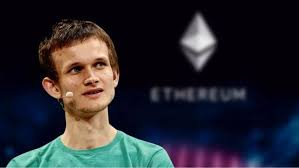
Vitalik's Latest Reflection: Ethereum is Stuck in Path Dependency, It's Time to Start Anew from First Principles

Vitalik Buterin calls for the Ethereum community to break free from path dependency and rethink the ecosystem’s application layer from first principles. He emphasizes the importance of preserving core properties—censorship resistance, open source, privacy, and security (CROPS)—while encouraging more radical openness in how applications and external interfaces are designed. He suggests reevaluating technical assumptions, such as the future of browser plugins and mobile wallets in light of AI advancements, and proposes rebuilding the stack with privacy as a foundational priority. Examples include reimagining DeFi as generalized futures markets built on decentralized oracles, possibly verified via zk-SNARKs and LLMs, and reconsidering the role of L2s. Buterin also highlights cultural shifts, advocating for a break from conventional “professional” norms to unlock greater creativity. He urges developers to ignore existing ecosystem constraints, pretend current usage is zero, and imagine the most valuable applications as if starting from scratch today. In response to a comment, he clarifies that integration with traditional finance remains important for mainstream adoption, but the goal is to overcome internal path dependencies within Ethereum’s own application and wallet history—for instance, by exploring privacy-focused designs like Railgun or Aztec for payments without exposing addresses.

marsbit03/06 10:35

Vitalik's Latest Reflection: Ethereum is Stuck in Path Dependency, It's Time to Start Anew from First Principles

marsbit03/06 10:35

Why Do I Feel Less Valuable the More I Use AI?

The article discusses the "Zhang Wenhong Paradox," named after a prominent Chinese doctor who refuses to integrate AI into hospital medical records. He argues that while he can leverage AI to review cases and spot its errors due to his decades of experience, young doctors who rely on AI from the start risk never developing the independent clinical judgment needed to verify AI's output. This highlights a broader anxiety among skilled professionals (programmers, lawyers, analysts): as AI handles 80% of execution work, they fear their remaining 20% of value may not justify their professional worth. The core argument is that AI acts as a multiplier: it amplifies existing skills (10x) but cannot compensate for a fundamental lack of understanding (0 x 10 = 0). True skill in the AI era is redefined as judgment—the ability to define problems, think structurally, and verify AI outputs. The author warns against outsourcing thinking to AI; clear, structured input is crucial to avoid "garbage in, garbage out." Furthermore, AI tends to output average, consensus-based answers, so deep, first-principles understanding is needed to challenge its suggestions and avoid mediocrity. Historically, tools like computers transformed professions (e.g., lawyers shifted from finding cases to crafting strategies). Similarly, AI is shifting human roles from "doers" to "validators" and "commanders" who integrate macro-strategy with micro-verification. The conclusion: this is the best era for independent thinkers who can leverage AI as a powerful tool, but it requires building a solid foundation of expertise to avoid becoming mere operators of the technology. The key is to "compete with AI in setting questions, not answering them."

marsbit01/19 12:08

Why Do I Feel Less Valuable the More I Use AI?

marsbit01/19 12:08

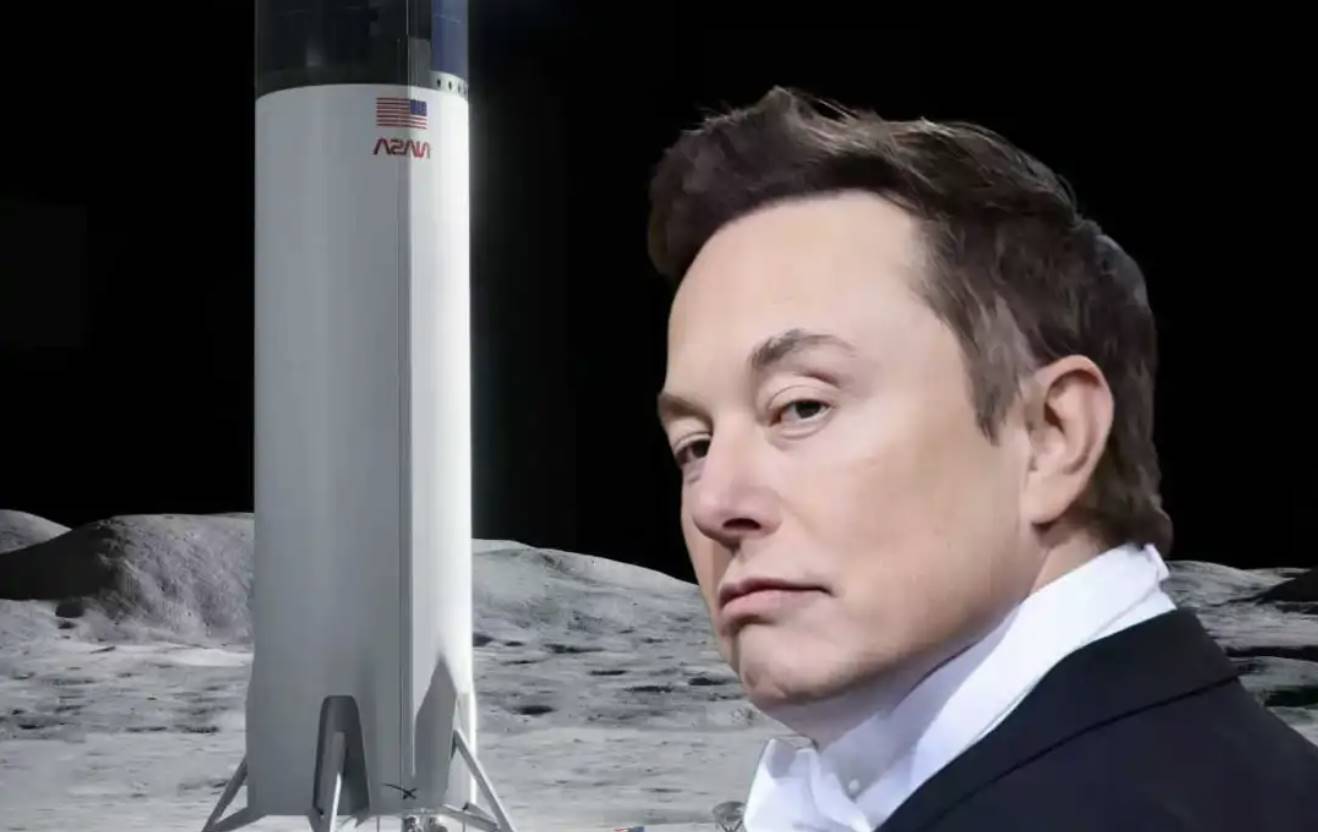
Before Soaring to a $1.5 Trillion IPO, Musk Almost Lost Everything

Elon Musk's SpaceX is on the verge of a historic $150 billion IPO in 2026, targeting a $1.5 trillion valuation, which would make it one of the largest public offerings ever. This marks a dramatic turnaround from its near-collapse in 2008. Founded in 2002, SpaceX faced immense skepticism and multiple failures. Its first three Falcon 1 rockets exploded, nearly bankrupting the company and coinciding with Musk's personal crises during the financial crash. The fourth launch in September 2008 succeeded, saving the company and securing a crucial $1.6 billion NASA contract. SpaceX’s breakthrough came from challenging aerospace norms. It pioneered reusable rockets, first landing a Falcon 9 booster in 2015, drastically cutting costs. For its Mars-bound Starship, Musk applied first principles, opting for cheap stainless steel over expensive carbon fiber, simplifying manufacturing and reducing expenses. The key to its $800 billion pre-IPO valuation is Starlink. With over 7.65 million subscribers and projected 2026 revenues of $22-24 billion, it provides stable cash flow, transforming SpaceX from a launch provider into a global telecom giant. Musk, initially opposed to IPO distractions, now seeks capital for Mars colonization. The IPO’s $30 billion raise will fund ambitious plans, including uncrewed Mars landings by 2027 and a self-sustaining city on Mars within 20 years. For Musk, wealth is a means to make humanity a multi-planetary species.

深潮12/19 06:12

Before Soaring to a $1.5 Trillion IPO, Musk Almost Lost Everything

深潮12/19 06:12

活动图片