# Fake News İlgili Makaleler

HTX Haber Merkezi, kripto endüstrisindeki piyasa trendleri, proje güncellemeleri, teknoloji gelişmeleri ve düzenleyici politikaları kapsayan "Fake News" hakkında en son makaleleri ve derinlemesine analizleri sunmaktadır.

How a Fake SpaceX Engineer Stirred Up the Trillion-Dollar Commercial Space Market?

A self-proclaimed SpaceX engineer recently admitted to fabricating and disseminating false information about the company's launch vehicle strategy, which was subsequently reported by major media outlets and stirred significant discussion in the commercial space market. The individual, Yatharth Mann, claimed to have contacted several prominent news organizations, including Bloomberg, posing as an internal SpaceX engineer. In these communications, Mann fabricated details suggesting SpaceX would phase out its Falcon 9 rocket, refuse commercial launch orders post-2028, and accelerate a transition to its Starship vehicle to focus on deep space exploration. To bolster credibility, Mann's emails included criticisms of Elon Musk and Donald Trump, aligning with perceived internal employee sentiments. These fabricated claims were published as reports citing anonymous "insider" sources, prompting analysts to debate the potential market implications. Some argued a strategic shift could create opportunities for competitors like Rocket Lab. However, Mann later revealed the hoax, even pointing out factual errors in the reporting, such as incorrectly stating SpaceX would reduce production of the expendable second stage rather than the reusable first stage of the Falcon 9. While the involved media outlets have not publicly confirmed or responded to Mann's claims, the incident highlights the potential impact of unverified anonymous sources and the ease with which misinformation can enter mainstream financial and industry discourse.

Odaily星球日报2 gün önce 12:04
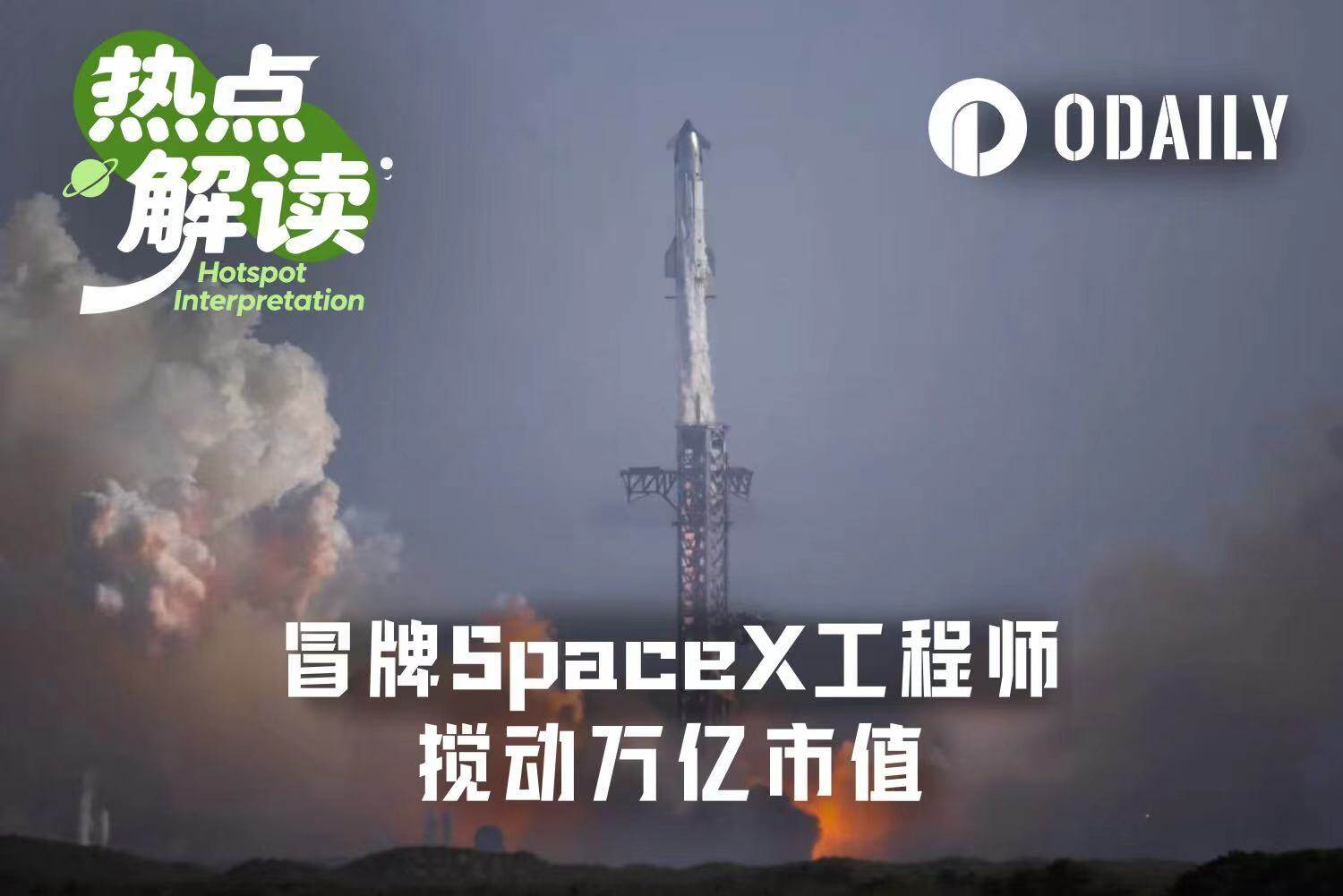
How a Fake SpaceX Engineer Stirred Up the Trillion-Dollar Commercial Space Market?

Odaily星球日报2 gün önce 12:04

What Were Crypto KOLs Talking About in the Last 24 Hours!

Summary of "What Were Crypto KOLs Talking About in the Last 24 Hours!" The article compiles trending discussions among crypto influencers, primarily from X (formerly Twitter), covering several key topics: 1. **False Rumor About Eileen Gu**: A claim that the athlete Eileen Gu joined Benchmark was debunked. Comments highlighted her controversial public perception, dual identity, and the fact that, as a U.S. citizen, she is subject to U.S. global taxation on her earnings. 2. **KOLs' Bitcoin Buying Range**: Many Key Opinion Leaders (KOLs) identified $40,000-$50,000 as an ideal range to buy Bitcoin. Replies expressed that a drop to this level would be reasonable based on historical patterns, but a further decline could shatter market confidence. Some were skeptical, predicting targets would shift lower if prices fell. 3. **Ethereum's Stagnant Price**: The phrase "Eight years later, still $1900" was used to describe Ethereum's perceived lack of progress, causing frustration among its supporters ("Ethereum soldiers"). 4. **Hong Kong Conference Insights**: The article included multiple images from a Hong Kong crypto conference, though the specific content of the discussions was not detailed in the text. 5. **Prevailing Market Sentiment**: A mood of pessimism was noted in the industry, with some participants choosing to leave the market while others advocated for patience and waiting for a market reversal ("mean reversion"). A comment pointed out the increasing "siphoning effect" from the AI sector, suggesting capital is being drawn away from crypto. The piece concludes with links to the news outlet's social channels. A disclaimer notes that the discussed opinions are personal and not investment advice.

比推02/14 01:09

What Were Crypto KOLs Talking About in the Last 24 Hours!

比推02/14 01:09

An AI-Generated 'Whistleblower Post': How Did It Make Two CEOs Write Self-Defense Essays at Midnight?

An anonymous post on Reddit, allegedly written by a drunken backend engineer from a major food delivery platform, went viral with 87,000 upvotes and 36 million views on X. The post accused the company of using algorithms to exploit drivers—assigning “desperation scores” to prioritize orders for more financially vulnerable drivers, delaying regular orders despite promised priority delivery, and misusing driver welfare funds for lobbying against unions. The viral allegations prompted immediate public denials from the CEOs of DoorDash and Uber, who issued statements and social media posts in the middle of the night to refute the claims. DoorDash published a detailed rebuttal on its website. The post was later exposed as an AI-generated hoax by a Platformer reporter. The “whistleblower” provided a fake 18-page technical document and an AI-generated employee ID, which was detected using Google’s SynthID watermarking tool. The account was deleted when further verification was requested. The incident highlights how AI can cheaply and convincingly fabricate content that aligns with public skepticism toward tech platforms. Past real controversies, such as DoorDash’s tip policy and Uber’s Greyball tool, made the false narrative feel plausible. The case underscores growing public anxiety over the difficulty of distinguishing real from AI-generated content and the power of emotionally resonant misinformation—even when debunked—to shape perception.

比推01/07 13:36

An AI-Generated 'Whistleblower Post': How Did It Make Two CEOs Write Self-Defense Essays at Midnight?

比推01/07 13:36

Deciphering a16z's New Concept "Staked Media": "Written Pledge + Staking Money" Online, an Economic Solution to Fake News

a16z has proposed a new concept called "Staked Media" to address the proliferation of AI-generated fake news and misinformation on social media. The idea involves using cryptographic techniques like zk-proofs to allow media entities or individuals to prove their credibility by making verifiable, on-chain commitments. In addition to making a claim, content creators must also stake cryptocurrency (such as ETH or USDC) as collateral. If the content is proven false, the staked assets are slashed. This creates an economic incentive for truthfulness. For example, a YouTuber endorsing a product would stake tokens to back their claims. If the content is misleading, they lose their stake. Staking amounts could vary based on the creator’s influence and the importance of the content. To determine truthfulness, a combination of community voting (by users who also stake tokens) and algorithmic verification would be used. Disputes could be escalated to an arbitration committee. The system also incorporates a reputation mechanism: repeated violations lead to higher staking requirements and loss of trust. While wealthy actors might still attempt manipulation, the combined cost of financial loss, reputational damage, and potential legal consequences makes dishonesty economically unviable. Staked Media may emerge within two years as a practical solution to foster accountability in digital content.

marsbit12/17 06:06

Deciphering a16z's New Concept "Staked Media": "Written Pledge + Staking Money" Online, an Economic Solution to Fake News

marsbit12/17 06:06

活动图片