# Clearing İlgili Makaleler

HTX Haber Merkezi, kripto endüstrisindeki piyasa trendleri, proje güncellemeleri, teknoloji gelişmeleri ve düzenleyici politikaları kapsayan "Clearing" hakkında en son makaleleri ve derinlemesine analizleri sunmaktadır.

24/5 Settlement Is Here for US Stocks, but Cryptocurrency Didn't Get a Ticket

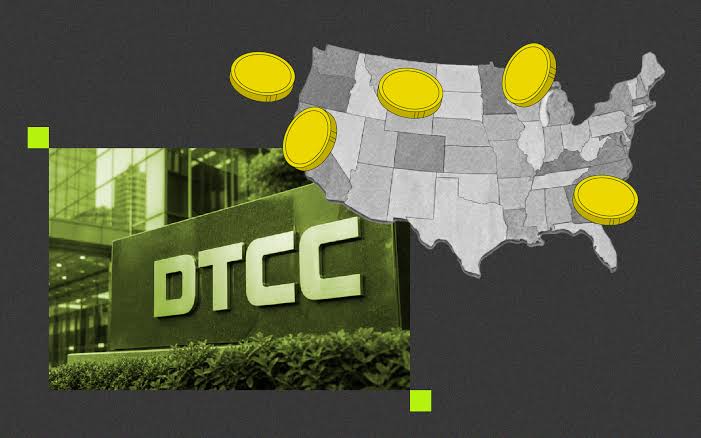
The U.S. National Securities Clearing Corporation (NSCC), a subsidiary of the Depository Trust & Clearing Corporation (DTCC), has announced the implementation of 24-hour clearing operations on weekdays. This move, approved by the SEC and being rolled out in phases, fundamentally challenges a core narrative of the cryptocurrency industry: that digital assets offer a unique advantage with their 7x24 trading availability, unlike traditional markets that close at 4 p.m. The transition to near-continuous clearing for stocks and other traditional assets diminishes this perceived crypto edge. While crypto markets still operate on weekends, the article notes that DTCC could potentially expand to weekend clearing in the future if demand warrants. The development is presented as another instance where DTCC has disappointed crypto enthusiasts. Despite frequent speculation from communities supporting Ethereum, XRP Ledger, and others that DTCC would integrate public blockchains, the clearing giant consistently opts for private, permissioned distributed ledger solutions for its projects, such as its Ion platform and a recent U.S. Treasury tokenization initiative on the Canton network. The article concludes that the successful launch of this traditional finance "always-on" market relied entirely on existing mature infrastructure, with the cryptocurrency industry failing to secure a role or "admission ticket" in its implementation.

Foresight News07/01 10:03

24/5 Settlement Is Here for US Stocks, but Cryptocurrency Didn't Get a Ticket

Foresight News07/01 10:03

Understanding JPMorgan Chase: The Enforcer of Dollar Hegemony, the Temple of Banking, and Bitcoin's Most Stubborn Opponent

J.P. Morgan Chase stands as a titan in the global financial system, often regarded as the enforcer of dollar hegemony and a神殿级银行 (temple-level bank). Its pivotal role in dollar clearing—processing over $10 trillion daily—grants it unparalleled influence over global capital flows. While it has selectively partnered with compliant crypto entities like Coinbase, providing crucial banking access that legitimized their operations, the bank remains a staunch critic of Bitcoin. CEO Jamie Dimon has consistently dismissed Bitcoin as a “fraud” and emphasized its use in illicit activities. The bank’s historical significance is profound. Founded by J.P. Morgan, who acted as a de facto central banker during the 1907 crisis, its modern incarnation is a cornerstone of the U.S. financial infrastructure, integral to Treasury operations and crisis management. Its stringent compliance standards make a J.P. Morgan account a coveted symbol of trust and access. Yet, it faces a paradigm shift from decentralized finance. Tether’s USDT has emerged as a “shadow competitor,” creating a parallel system for dollar transactions that bypasses traditional banking channels. In response, J.P. Morgan is exploring its own blockchain solutions, like JPM Coin, aiming to integrate the efficiency of distributed ledger technology while maintaining control within the regulated financial framework. The tension between its centralized power and the rise of decentralized alternatives defines its complex relationship with the crypto world.

marsbit01/20 03:06

Understanding JPMorgan Chase: The Enforcer of Dollar Hegemony, the Temple of Banking, and Bitcoin's Most Stubborn Opponent

marsbit01/20 03:06

When Nasdaq Starts 'Putting Stocks on the Chain', What Are We Really Welcoming?

Nasdaq is advancing a proposal to move U.S. stock settlement onto the blockchain, which could fundamentally reshape the infrastructure of American capital markets. This shift aims to replace the current slow, manual, and multi-layered clearing system with real-time, automated on-chain settlement. While many discussions focus on surface-level changes like 24/7 trading, the core transformation is structural: moving from outdated T+2 (or even T+1) settlement to instantaneous, programmable, and transparent ledger-based clearing. This isn’t about making stocks “more Web3” but modernizing a financial system that still relies on processes from the 1970s. The existing system—with its custodians, sub-custodians, and clearing intermediaries—creates operational friction, risk, and cost, as seen during events like the GameStop trading halts and the FTX collapse. On-chain settlement could reduce the need for traditional custodial roles, compress arbitrage opportunities built on settlement delays, and turn static securities into dynamic, composable financial instruments. The move faces significant resistance from entrenched intermediaries who profit from the current structure, but the direction of change appears inevitable. As demonstrated by Hong Kong’s recent issuance of a green bond settled in one second (versus five days), tokenization of traditional assets is becoming an operational reality—not a conceptual experiment. When stocks migrate on-chain, other assets like bonds and derivatives may follow, leading to a quiet but profound shift in how global markets function. This isn’t just a change in technology; it’s a change in the nature of finance itself.

cointelegraph_中文12/08 10:33

When Nasdaq Starts 'Putting Stocks on the Chain', What Are We Really Welcoming?

cointelegraph_中文12/08 10:33

活动图片