Ripple’s Move To Privacy: How A Re-organization Of The XRP Ledger Will Affect The Network

bitcoinist2026-06-01 tarihinde yayınlandı2026-06-01 tarihinde güncellendi

Özet

Ripple's former CTO David Schwartz discussed how the XRP Ledger (XRPL) could respond to potential state-level attacks. While acknowledging that authoritarian regimes could cause temporary disruptions by targeting the validator network, Schwartz argued that long-term control is unlikely due to the network's decentralized structure, where Ripple-run validators comprise less than 20%. The network's resilience hinges on its ability to replace compromised validators. For sustained threats, Schwartz proposed a theoretical two-layer consensus reorganization. An inner layer of validators would handle daily operations, while an outer layer would manage changes to the validator set. This outer layer could operate more discreetly and infrequently, potentially using anonymizing services like Tor, making it harder to target. The core point is that the XRPL community could adapt its structure to maintain operations even under significant external pressure.

Ripple CTO Emeritus David Schwartz has laid out a rare look at how the XRP Ledger could respond if it ever came under pressure from a state-level actor.

The discussion started with a question about whether an authoritarian regime could use or attack the XRP Ledger by targeting its validator network. Schwartz did not dismiss the risk entirely, and according to him, if the pressure ever became serious enough, the XRP Ledger could be reorganized around a more resilient validator structure.

State-Level Attacks May Only Disrupt XRPL Temporarily

The XRP Ledger has operated without a major outage across more than 70 million closed ledgers, but that reliability record may soon be tested in ways its creators never anticipated, one of which may be authoritarian regimes and state-level interference.

Schwartz acknowledged that the threat to blockchain networks from state actors is real. State-level actors, he said, could cause temporary disruptions to blockchains, including the XRP Ledger, but long-term damage is a different matter entirely. The responses were made to a question on the social media platform X, where an XRP community member asked if an authoritarian regime like Putin’s would co-opt or disrupt the UNL/validator network to weaponize the ledger.

However, according to the Ripple CTO emeritus, long-term control from external forces would be much harder if the broader XRPL community stays active enough to respond. Ripple-run validators account for less than 20% of the total network, which means any concentrated attack on Ripple’s own infrastructure would leave the validator set intact.

The XRPL network’s survival in that type of scenario would depend less on whether one validator is attacked and more on whether the network can keep replacing compromised or pressured operators. The attack would only become truly serious if a hostile actor could make people too afraid to run validators at all.

How Reorganizing The XRP Ledger Will Affect The Network

Schwartz also described a possible longer-term change to XRPL’s consensus structure in the event of an attack by an authoritarian regime. His example was a two-layer consensus algorithm, where the inner layer will handle normal network activity, and the outer layer will only come into play when the network needs to change the Unique Node List (UNL) of the inner layer.

The inner validators would keep the XRP Ledger running day to day. If those validators were attacked or compromised, the effect would be minimal, as they will be easily replaced. The outer validators would serve a lighter and less frequent role, stepping in mainly when changes are needed to the validator set.

Targeting the outer validators would also be harder because they would not need to operate constantly in the same visible way. They could be kept lightweight, appear only when needed, and operate through anonymizing services such as Tor or I2P.

XRP trading at $1.30 on the 1D chart | Source: XRPUSDT on Tradingview.com

Trend Kriptolar

İlgili Sorular

QWhat did Ripple CTO Emeritus David Schwartz say about the possibility of an authoritarian regime targeting the XRP Ledger?

AHe acknowledged that state-level actors could cause temporary disruptions to the XRP Ledger, but long-term damage is a different matter. He suggested that if pressure became serious enough, the network could reorganize around a more resilient validator structure.

QWhat is the proposed two-layer consensus structure described by Schwartz to protect against state-level attacks?

AThe proposed structure involves an inner layer of validators that handles normal daily operations, and an outer layer of validators. The outer layer only activates when changes are needed to the Unique Node List (UNL) of the inner layer, making them harder to target as they operate less frequently and can use anonymizing services.

QAccording to the article, what would determine the XRP Ledger's survival in the event of a state-level attack targeting its validators?

ASurvival would depend less on a single validator being attacked and more on the network's ability to keep replacing compromised or pressured validator operators. An attack would only become critical if it made people too afraid to run validators at all.

QWhy would an attack concentrated on Ripple's own validators likely not cripple the XRPL network?

ABecause Ripple-run validators account for less than 20% of the total network. Therefore, attacking them would leave the majority of the validator set intact, and the network could continue operating.

QWhat role would the outer layer of validators play in the proposed reorganization of the XRP Ledger?

AThe outer layer of validators would serve a lighter, less frequent role. They would step in mainly when changes are needed to the validator set (the inner layer's Unique Node List) and could operate in a more hidden manner using anonymizing services.

İlgili Okumalar

New Fire Research Institute: Inflation May Become a Stubborn Problem, Can Cryptocurrencies Achieve Independent Performance in the Short Term?

New Fire Research Institute argues that despite the recent U.S. June CPI decline to 3.5% year-on-year—primarily driven by energy—core goods inflation remains persistent, with core PCE likely showing slight growth. Federal Reserve Chairman Wash has emphasized the Fed's independence and a "zero tolerance" stance on inflation, suggesting a continued hawkish posture that will pressure risk assets, especially if energy prices rise again. Concurrently, the semiconductor memory sector faces structural pressures, as seen in significant sell-offs for Micron and SK Hynix. High leverage in markets like South Korea is triggering deleveraging, amplifying volatility. Investors are also questioning the sustainability of AI-related capital expenditures. In contrast, the crypto market showed relative stability last week, with BTC and ETH gaining slightly. Positive developments include a shift to net inflows for U.S. Bitcoin spot ETFs, a narrowing Coinbase discount, and strong activity on the Robinhood Chain ecosystem. The potential advancement of the U.S. CLARITY Act provides a policy catalyst. Overall, the probability of an independent crypto bull run in the short term is low, given overarching macro pressures. However, fundamentals are improving with ETF inflows and robust on-chain activity, providing solid support. Technically, BTC and ETH show strong support at key moving averages. New Fire Research maintains that Bitcoin around $60,000 represents a high-value allocation zone, with limited downside risk near current levels. The true bull market catalyst awaits a confirmed market bottom combined with a macro policy shift and legislative progress.

marsbit11 dk önce

New Fire Research Institute: Inflation May Become a Stubborn Problem, Can Cryptocurrencies Achieve Independent Performance in the Short Term?

marsbit11 dk önce

Base Under Pressure

**Title: The Pressure Mounts for Base** Base, the Ethereum Layer 2 scaling solution backed by Coinbase, is facing significant pressure and public scrutiny from its leadership following the launch of Robinhood Chain. Base co-founder Jesse Pollak recently acknowledged strategic missteps, admitting that the chain's past focus on social and creator tokens (e.g., through Farcaster, Zora) failed to deliver sustainable adoption. He has refocused on core infrastructure, handing leadership of the Base App back to Coinbase's Cobie. While Base remains a top L2 contender alongside OP Mainnet and Arbitrum, and boasts the highest TVL (nearly $12B), its weaknesses are being highlighted by the new competitor. Key criticisms include its slow progress on decentralization. Base has faced issues with its single sequencer causing block production halts, and L2BEAT is reportedly considering downgrading its decentralization rating from Stage 1 to Stage 0. This contrasts sharply with the rapid initial success of Robinhood Chain, whose DEX quickly entered the top five by volume. The leadership styles of the parent companies are also being compared: Robinhood's CEO actively engages with new projects, while a recent incident where Coinbase's Brian Armstrong briefly changed his profile picture—sparking and then crashing a related meme token—drew community ire and mockery. Pollak stated Base is working with Coinbase on tokenized stocks backed 1:1 by real equity, differentiating it from Robinhood's derivatives model. However, the article argues that Base's most urgent task is to address its long-standing technical and trust issues. With more traditional finance players likely to emulate Robinhood's path, Base must use this competitive pressure to solidify its position as long-term financial infrastructure.

Foresight News28 dk önce

Base Under Pressure

Foresight News28 dk önce

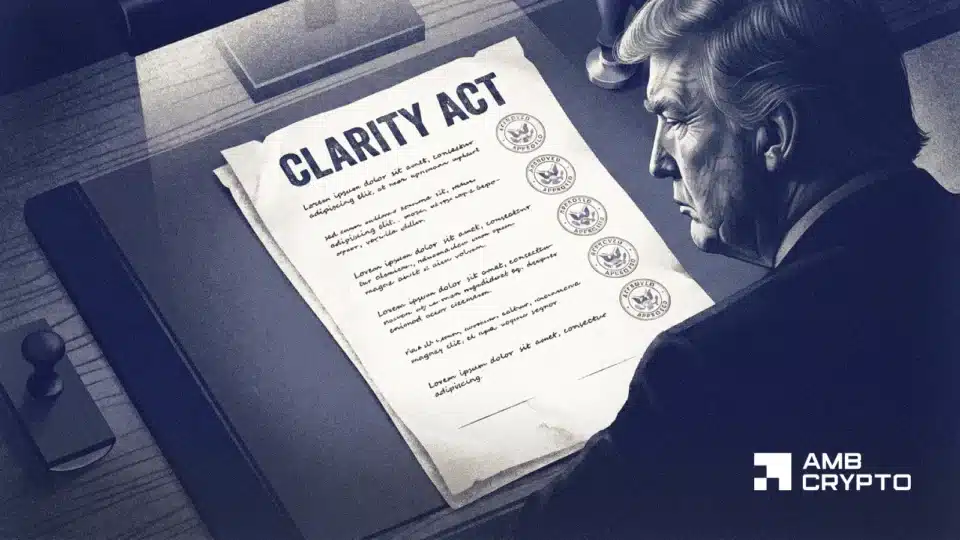
White House Concession Removes Ethical Hurdle, Clarity Act Races Against Final Window Before Recess?

On July 21st, industry sources reported that the Trump administration has agreed to include an ethics provision in the "Clarity Act" (Digital Asset Market Clarity Act of 2025). This concession addresses the long-standing conflict-of-interest concerns regarding government officials and the crypto industry, potentially removing the final major obstacle to the bill's progress. Additionally, Patrick Witt, the executive director of the White House's Digital Asset Advisory Committee, confirmed he will remain in his role to help finalize the bill, alleviating previous concerns about his potential departure. The Clarity Act aims to establish a unified federal regulatory framework for the U.S. digital asset market. Its core objective is to resolve regulatory ambiguity by defining different types of digital assets (digital commodities, investment contract assets, and permitted payment stablecoins) and clarifying the respective oversight roles of the SEC and CFTC. This would end the long-running jurisdictional dispute between the two agencies and provide clearer compliance paths for the industry. With the ethics issue moving toward resolution, the most urgent challenge now is time. The U.S. Congress is set to begin its August recess in mid-August, leaving only a few working weeks to finalize the text and advance the bill through the Senate. Industry advocates, like the Blockchain Association's Kristin Smith, stress that this is a critical moment. If negotiations conclude successfully in the coming weeks, the Clarity Act could pass a key hurdle before the recess; otherwise, it may face significant delays. If enacted, the Clarity Act could mark a historic turning point in crypto regulation. By providing a clearer and more predictable legal framework, it aims to reduce uncertainty for businesses, developers, and traditional financial institutions looking to enter the digital asset space, potentially setting a global benchmark for market structure regulation.

Odaily星球日报34 dk önce

White House Concession Removes Ethical Hurdle, Clarity Act Races Against Final Window Before Recess?

Odaily星球日报34 dk önce

İşlemler

Spot

Popüler Makaleler

XRP 2.0 Nedir

XRP 2.0: Kriptopara Manzarasında Yeni Bir Sınır XRP 2.0'a Giriş Kriptopara alanı sürekli olarak evriliyor, yeni projeler sürekli olarak dikkat ve benimseme için mücadele ediyor. Bu vaatkar girişimlerden biri, ileri düzey blok zinciri teknolojisi ve güçlü şifreleme yöntemlerini kullanmak üzere tasarlanmış yeni bir kriptopara projesi olan XRP 2.0'dır. İsim Ripple’ın XRP'si ile benzerlikler taşısa da, XRP 2.0'un bağımsız olarak çalıştığını, işlem güvenliğini, gizliliği ve ölçeklenebilirliği artırmaya odaklandığını belirtmek önemlidir. Dijital finansal alan giderek merkeziyetsiz çözümleri benimsedikçe, XRP 2.0, web3'e ve genel olarak kriptopara projelerinin genişlemesine anlamlı bir şekilde katkıda bulunmayı hedeflemektedir. XRP 2.0 Nedir? XRP 2.0'ın temelinde, güvenli ve merkeziyetsiz bir dijital para ekosistemi yaratmayı amaçlayan bir kriptopara projesidir. Temel teknolojisi, karmaşık blok zinciri prensiplerini ileri düzey şifreleme teknikleriyle entegre eder. XRP 2.0'ın ana hedefi, hızlı işlem yürütümünü sağlarken kullanıcılar için artırılmış gizlilik korumalarını öncelikli hale getirerek kendini güvenilir ve etkili bir platform olarak kurmaktır. Proje, mevcut kriptoparaların karşılaştığı birçok sınırlamanın çözümü olarak tanıtılmakta ve daha yüksek işlem hacimlerini, geliştirilmiş hız ve gizlilikle yönetebilen bir sistem önermektedir. Bu çok yönlülük, XRP 2.0'ı çeşitli dijital para birimleriyle dolu bir pazarda önemli bir rakip haline getiriyor. XRP 2.0’ın Yaratıcıları Kimdir? XRP 2.0'ın yaratıcısının kimliği 'Wilbur' olarak belirtilmiştir. Ancak, Wilbur veya ona bağlı varlıklar hakkında kapsamlı bilgiler ulaşılmaz durumdadır. Birçok kriptopara yaratıcısının anonimliği, genellikle bir derece gizlilik ve güvenliği korumayı amaçlayan endüstride yaygın bir olgudur. XRP 2.0’ın Yatırımcıları Kimlerdir? Şu anda, XRP 2.0’ı destekleyen yatırım kuruluşları veya organizasyonlarına dair spesifik bilgiler kamuya açık değildir. Kriptopara sektöründe, tanınmış yatırımcılar tarafından desteklenmek bir projenin güvenilirliğini ve başarısını önemli ölçüde etkileyebilir; ancak XRP 2.0'ın finansal destekçileri ile ilgili şeffaflık henüz sağlanmamıştır. XRP 2.0 Nasıl Çalışır? XRP 2.0, güvenli ve merkeziyetsiz işlemler sağlamak için blok zinciri teknolojisi ve gelişmiş şifreleme algoritmalarının bir kombinasyonunu kullanarak öne çıkmaktadır. Yenilikçi yapısı, kullanıcı etkileşimini artırmaya ve geleneksel kriptopara işlemlerinin ötesinde işlevselliği genişletmeye yönelik tasarlanmış benzersiz özellikler içerir. Bu özellikler arasında, XRP 2.0, metin-görüntü ve metin-ses işlevsellikleri gibi yapay zeka destekli yetenekler entegre etmektedir. Bu eklemeler, kullanıcılar için etkileşimli deneyimi artırmayı ve çeşitli sektörlerde daha geniş uygulama alanını teşvik etmeyi amaçlamaktadır. Teknolojik ilerlemeleri, kullanıcı odaklı tasarımla birleştirerek, XRP 2.0, kriptopara çözümlerini operasyonel çerçevelerine entegre etmeyi düşünen çeşitli bireyler ve işletmelerin dikkatini çekmeyi hedeflemektedir. XRP 2.0 Zaman Çizelgesi XRP 2.0'ı anlamak, şu ana kadar tanımladığı dönüm noktalarını incelemeyi gerektirir: 23 Temmuz 2023: XRP 2.0, blok zinciri alanında güvenli ve merkeziyetsiz işlem kabiliyetlerini devrim niteliğinde sunmayı hedefleyen yeni bir kriptopara projesi olarak tanıtıldı. 8 Eylül 2023: XRP20 adlı başka bir projenin lansmanı gerçekleşti, bu, XRP 2.0 ile ilgisi olmayan Ethereum blok zincirinde bir ERC-20 token'ın ortaya çıkışını işaret ediyor. 13 Kasım 2023: XRP Defteri, rippled sunucu yazılımının 2.0.0 versiyonunun yayınlanmasıyla önemli bir güncelleme aldı. Bu gelişmenin XRP 2.0 kriptopara projesi ile bağlantılı olmadığını belirtmek önemlidir. XRP 2.0 Hakkında Anahtar Noktalar XRP 2.0'ın özünü distile etmek için birkaç kritik faktör öne çıkmaktadır: Benzersiz Özellikler: AI destekli metin-görüntü ve metin-ses gibi özelliklerin eklenmesi, XRP 2.0'ın potansiyel uygulamalarını daha da çeşitlendirir. Blockchain Teknolojisi: Çerçeve, işlemler için güvenli ve merkeziyetsiz bir ortam sağlamak üzere gelişmiş blok zinciri mekanizmaları ve şifreleme protokolleri kullanır. Ölçeklenebilirlik ve Gizlilik: XRP 2.0, işlem süreçlerinde artırılmış gizlilik korumalarını ve büyüyen kullanıcı tabanını karşılamak için gerekli ölçeklenebilirliği önceliklendirir. Ripple ile İlişki Yok: Önemli olarak, adıyla birlikte hareket etmemesine rağmen, XRP 2.0’ın Ripple’ın XRP’si ile herhangi bir bağı veya iş birliği bulunmamaktadır; bu, onun kriptopara ekosistemindeki operasyonel çerçevesini ve hedeflerini belirgin bir şekilde ayırmaktadır. Sonuç XRP 2.0, kriptopara alanında güvenlik, gizlilik ve verimlilik kombinasyonu sunmayı hedefleyen iddialı bir girişimi temsil etmektedir. Karmaşık teknolojileri ve kullanıcı dostu özellikleri entegre ederek, proje kriptoparanın günümüz dijital ekonomisinde neler başarabileceğinin ufkunu genişletmeyi hedefliyor. Yaratıcısının anonimliği ve açıklanmayan yatırımcıların eksikliği bazıları için soru işaretleri oluşturabilir, ancak XRP 2.0'ın ileri düzey işlevsellikler ve merkeziyetsizlik konusundaki odaklanması, onu giderek kalabalıklaşan bir kriptopara pazarında çekici kılmaktadır. Kriptopara manzarası evrimini sürdürdükçe, XRP 2.0, güvenli ve ölçeklenebilir blok zinciri çözümlerinin genişlemesinde önemli bir oyuncu olarak ortaya çıkabilir.

201 Toplam GörüntülenmeYayınlanma 2024.04.05Güncellenme 2024.12.03

XRP 2.0 Nedir

XRP Nasıl Satın Alınır

HTX.com’a hoş geldiniz! XRP (XRP) satın alma işlemlerini basit ve kullanışlı bir hâle getirdik. Adım adım açıkladığımız rehberimizi takip ederek kripto yolculuğunuza başlayın. 1. Adım: HTX Hesabınızı OluşturunHTX'te ücretsiz bir hesap açmak için e-posta adresinizi veya telefon numaranızı kullanın. Sorunsuzca kaydolun ve tüm özelliklerin kilidini açın. Hesabımı Aç2. Adım: Kripto Satın Al Bölümüne Gidin ve Ödeme Yönteminizi SeçinKredi/Banka Kartı: Visa veya Mastercard'ınızı kullanarak anında XRP (XRP) satın alın.Bakiye: Sorunsuz bir şekilde işlem yapmak için HTX hesap bakiyenizdeki fonları kullanın.Üçüncü Taraflar: Kullanımı kolaylaştırmak için Google Pay ve Apple Pay gibi popüler ödeme yöntemlerini ekledik.P2P: HTX'teki diğer kullanıcılarla doğrudan işlem yapın.Borsa Dışı (OTC): Yatırımcılar için kişiye özel hizmetler ve rekabetçi döviz kurları sunuyoruz.3. Adım: XRP (XRP) Varlıklarınızı SaklayınXRP (XRP) satın aldıktan sonra HTX hesabınızda saklayın. Alternatif olarak, blok zinciri transferi yoluyla başka bir yere gönderebilir veya diğer kripto para birimlerini takas etmek için kullanabilirsiniz.4. Adım: XRP (XRP) Varlıklarınızla İşlem YapınHTX'in spot piyasasında XRP (XRP) ile kolayca işlemler yapın.Hesabınıza erişin, işlem çiftinizi seçin, işlemlerinizi gerçekleştirin ve gerçek zamanlı olarak izleyin. Hem yeni başlayanlar hem de deneyimli yatırımcılar için kullanıcı dostu bir deneyim sunuyoruz.

2.2k Toplam GörüntülenmeYayınlanma 2024.12.10Güncellenme 2026.06.02

XRP Nasıl Satın Alınır

Tartışmalar

HTX Topluluğuna hoş geldiniz. Burada, en son platform gelişmeleri hakkında bilgi sahibi olabilir ve profesyonel piyasa görüşlerine erişebilirsiniz. Kullanıcıların XRP (XRP) fiyatı hakkındaki görüşleri aşağıda sunulmaktadır.

活动图片