Popular Interactive Collection | The Beacon Season 1 Pre-registration; GenLayer Latest Testnet Interaction (May 15th)

Odaily星球日报2026-05-15 tarihinde yayınlandı2026-05-15 tarihinde güncellendi

Özet

This article from Odaily introduces three recent interactive opportunities in the crypto/blockchain space. First, **The Beacon**, a fantasy action RPG backed by Arbitrum, has opened pre-registration for its Season 1 starting May 25th. With a prize pool of 7.7 million BCN tokens, this is presented as a final chance to earn BCN before its Token Generation Event (TGE). Second, **GenLayer**, an AI-native blockchain platform, has launched a testnet for its FUD Markets project. The tutorial guides users through signing in, obtaining test USDC on Base Sepolia, making a test trade, sharing their experience on X, and submitting the post to GenLayer's portal for potential rewards. Finally, **Seismic**, an EVM-compatible privacy-focused L1, has launched its testnet. The guide explains how to claim test tokens (requiring social verification), deploy a contract, and join the official Discord community to aim for early contributor status. All three projects represent active testnet or pre-launch phases where users can interact for potential future airdrops or rewards.

Original | Odaily Planet Daily (@OdailyChina)

Author | Asher (@Asher_0210)

The Beacon: Fantasy Action Blockchain Game

Project Introduction
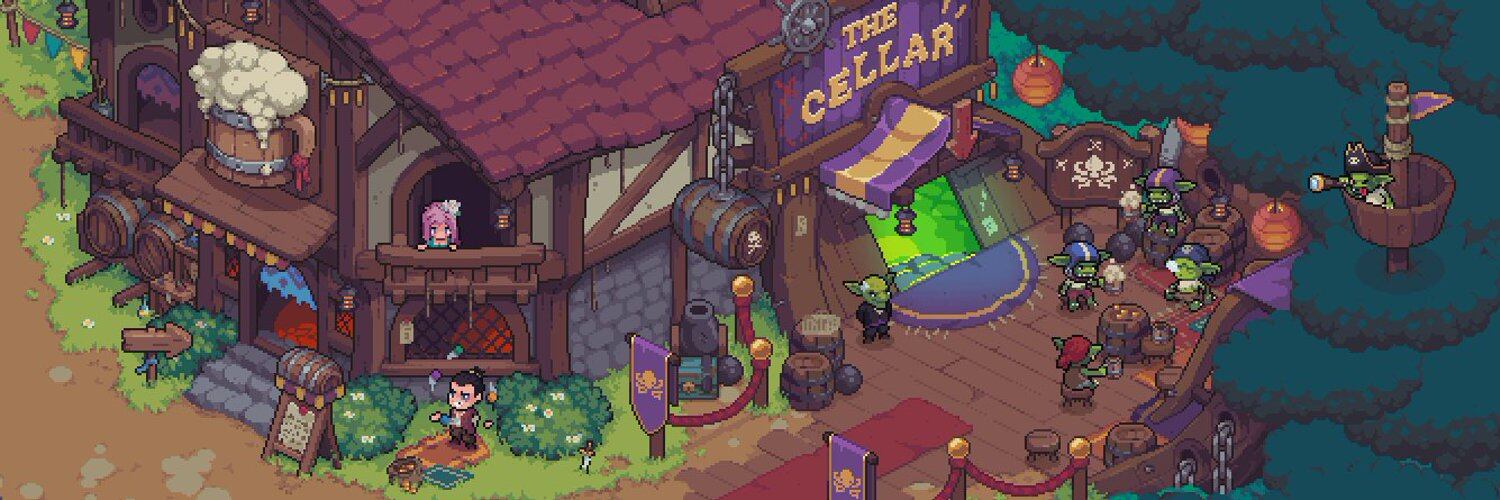
The Beacon, incubated by TreasureDAO, is a fantasy action RPG that blends Roughlite elements and is funded by the Arbitrum Foundation. In The Beacon, players choose a basic weapon to enter dungeons for exploration, where they can upgrade their weapons for better combat. Dungeons are procedurally generated, ensuring a different experience each time.

This week, The Beacon announced on platform X that Season 1 will launch on May 25th, and pre-registration is now open. Additionally, the total prize pool for Season 1 is 7.7 million BCN tokens. The Beacon also stated this is the final opportunity to earn BCN tokens before TGE.

Interaction Tutorial

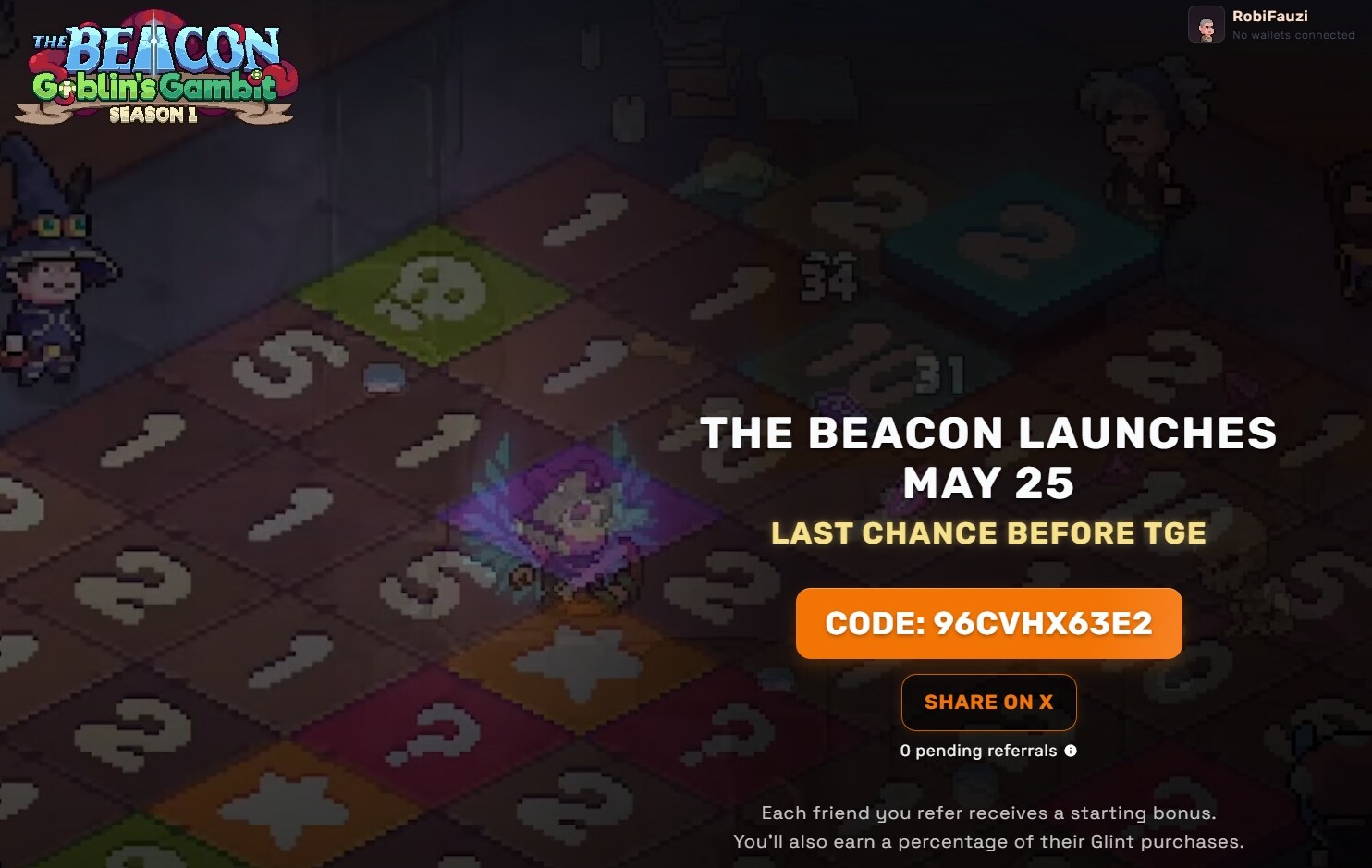
Go to the website (Link: https://app.thebeacon.gg/pre-register) to complete the pre-registration for the Season 1 event.
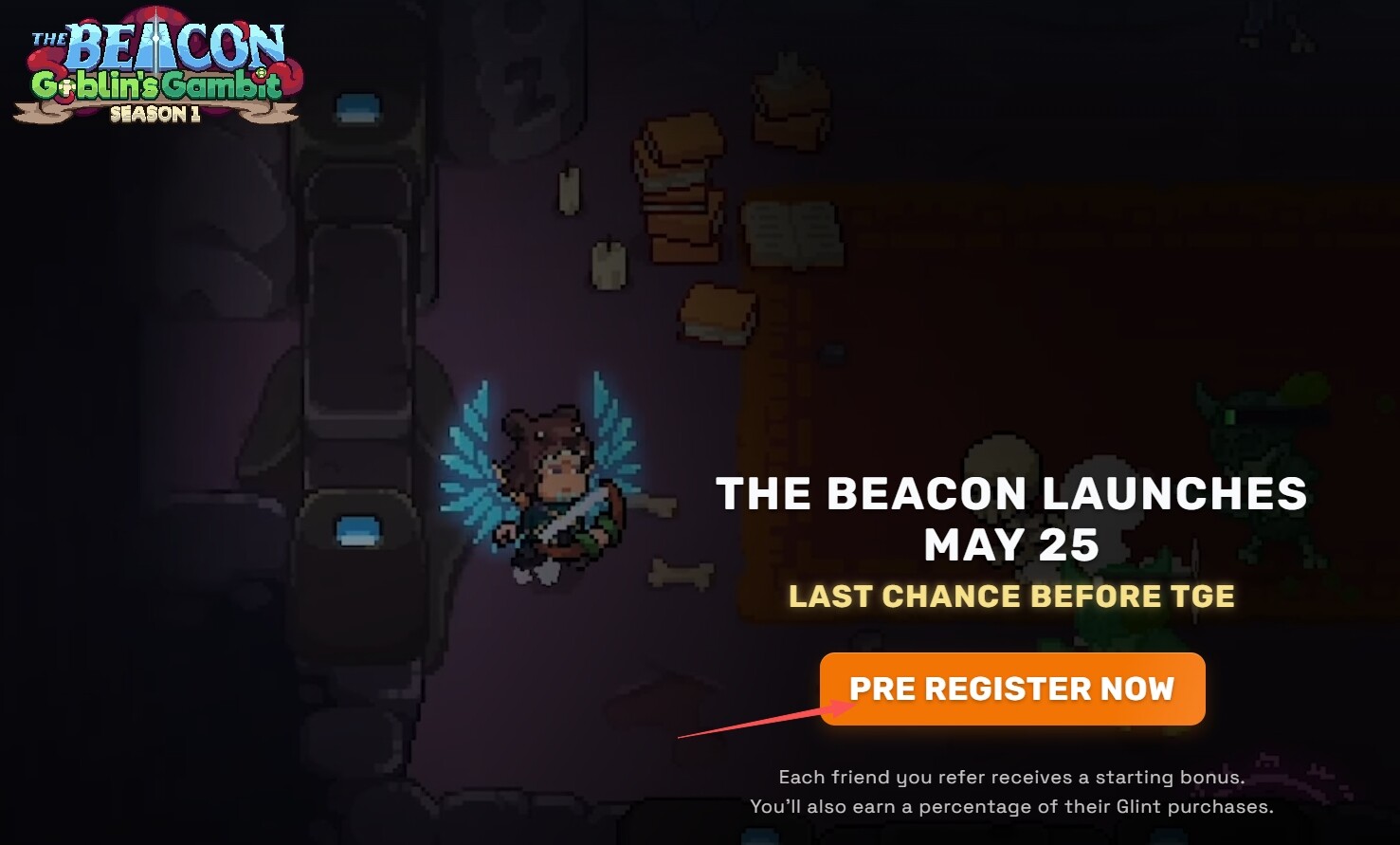
Furthermore, inviting friends can earn you extra rewards.
GenLayer: AI-Native Blockchain Platform

Project Introduction

GenLayer is an AI-native blockchain platform designed to overcome the limitations of traditional smart contracts. The platform employs an Optimistic Democracy consensus, consisting of validator nodes running different AI models (LLMs). Consensus on subjective decisions is achieved through majority voting and an appeals mechanism, functioning as an on-chain "synthetic judicial system."

On August 20, 2024, GenLayer announced the completion of a $7.5 million seed funding round, led by North Island Ventures, with participation from Node Capital, Arrington Capital, and others.

On May 13th, its ecosystem project FUD Markets launched on the testnet, allowing users to participate and earn points through interaction.

Interaction Tutorial

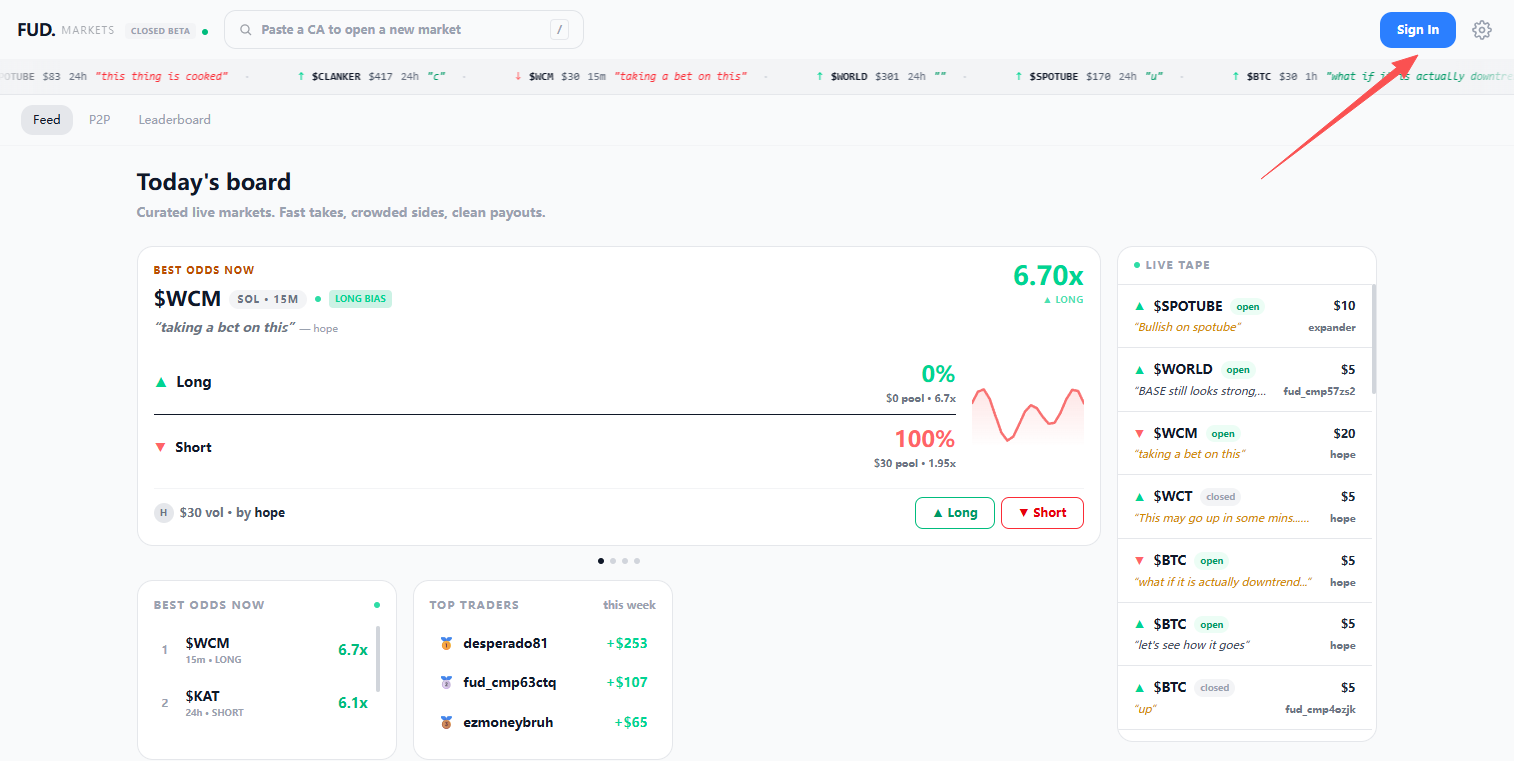
STEP 1. Go to the website (Link: https://fud.markets/), click "Sign in" to log in to your account.
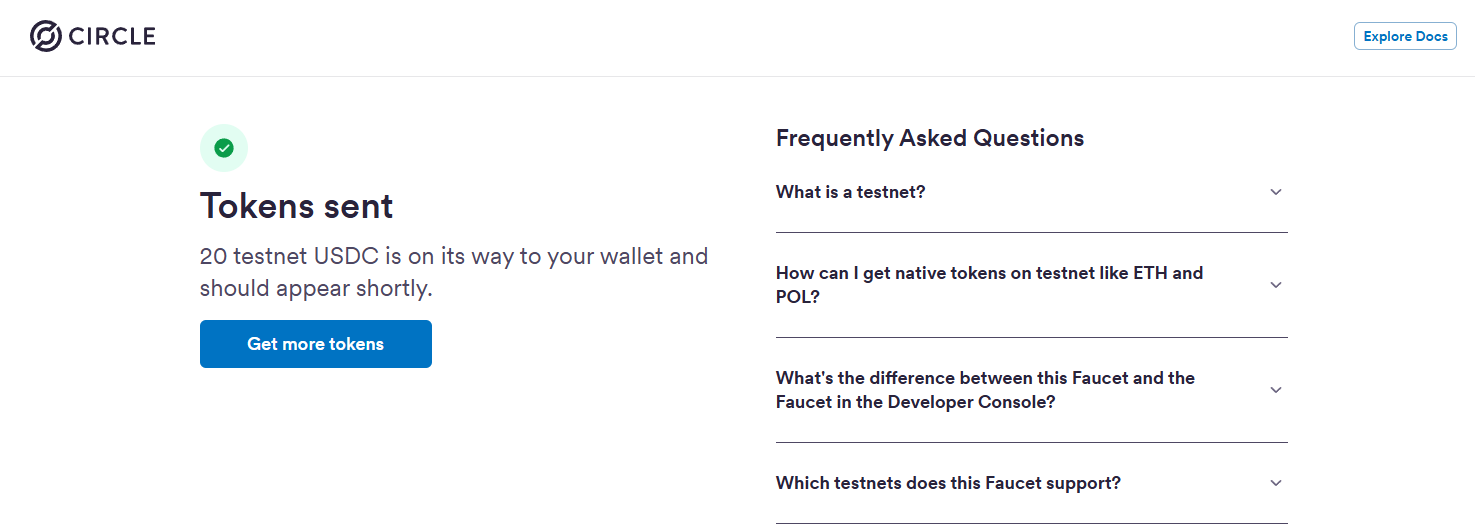
STEP 2. Claim test tokens (Link: https://faucet.circle.com/), enter the address generated upon registration, select the Base Sepolia network, and claim 20 USDC test tokens.
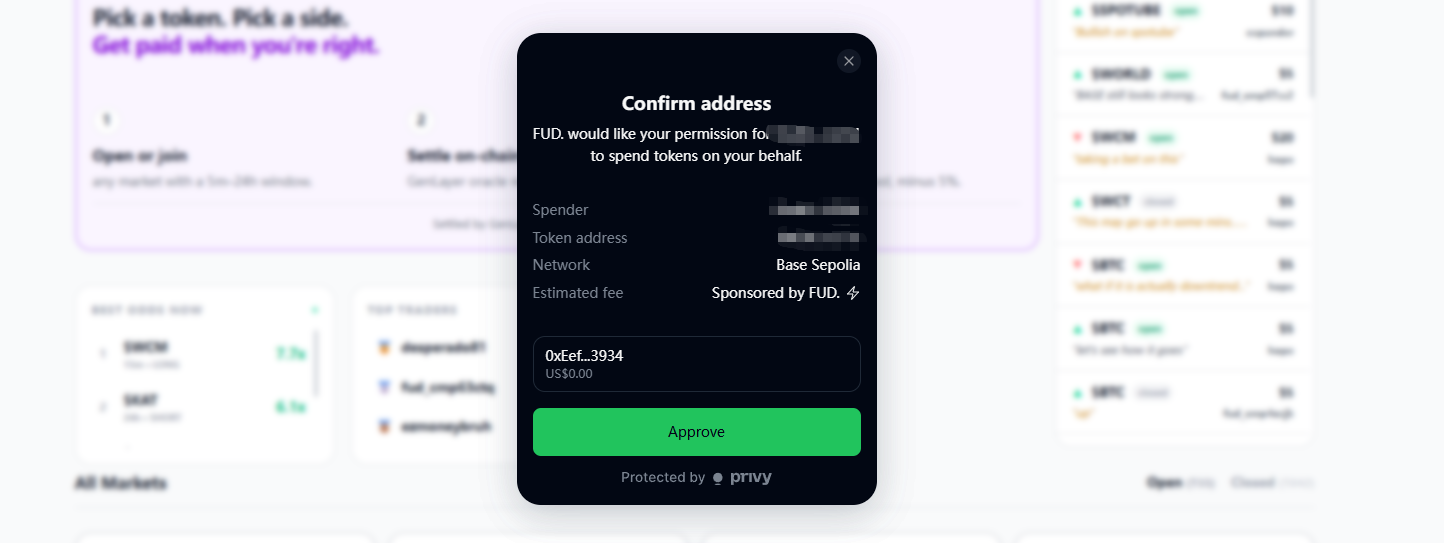
STEP 3. Return to the FUD Markets website to complete transaction confirmation.
STEP 4. Choose any token and complete an order placement operation.
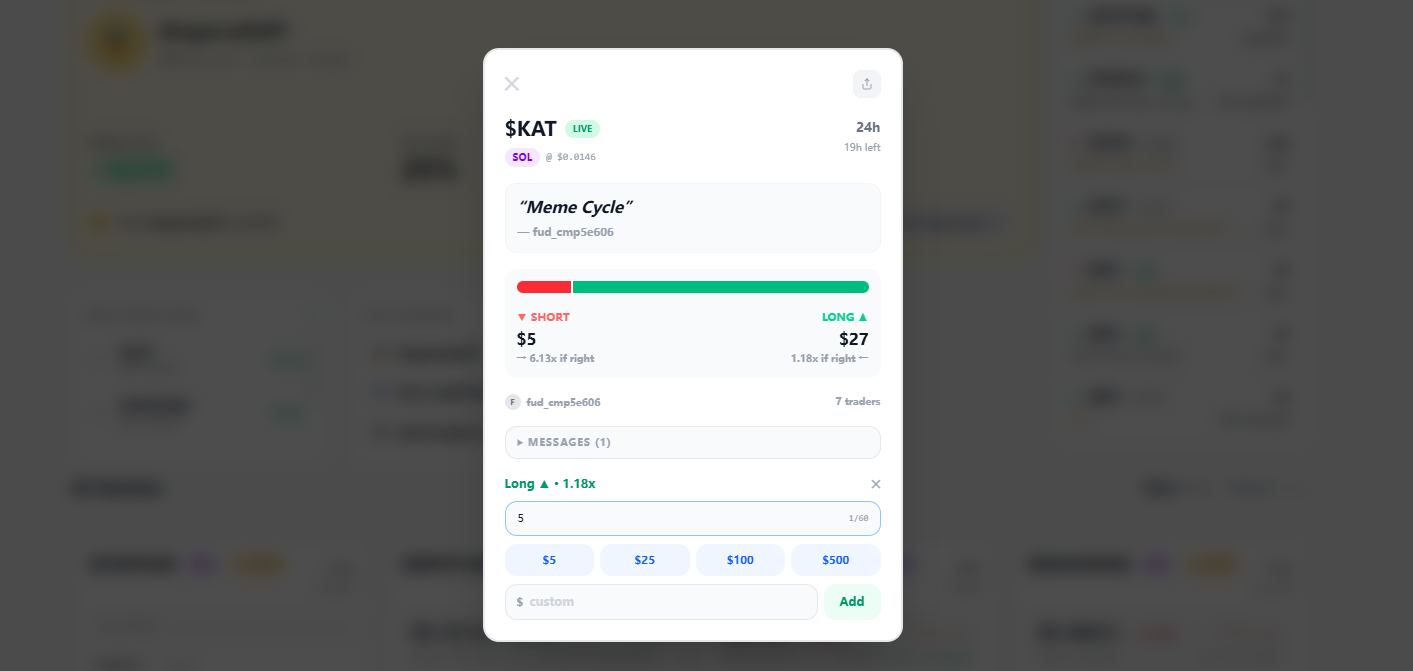
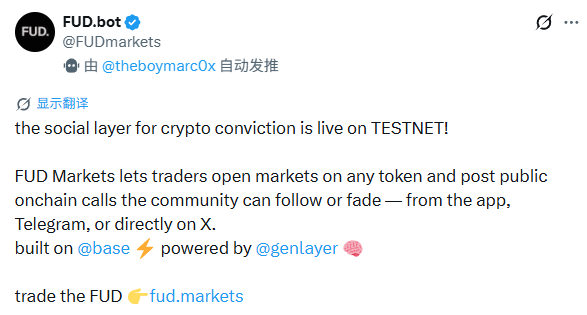
STEP 5. Quote this official X post (Link: https://x.com/FUDmarkets/status/2054584001562562986?s=20) and share your trading experience.
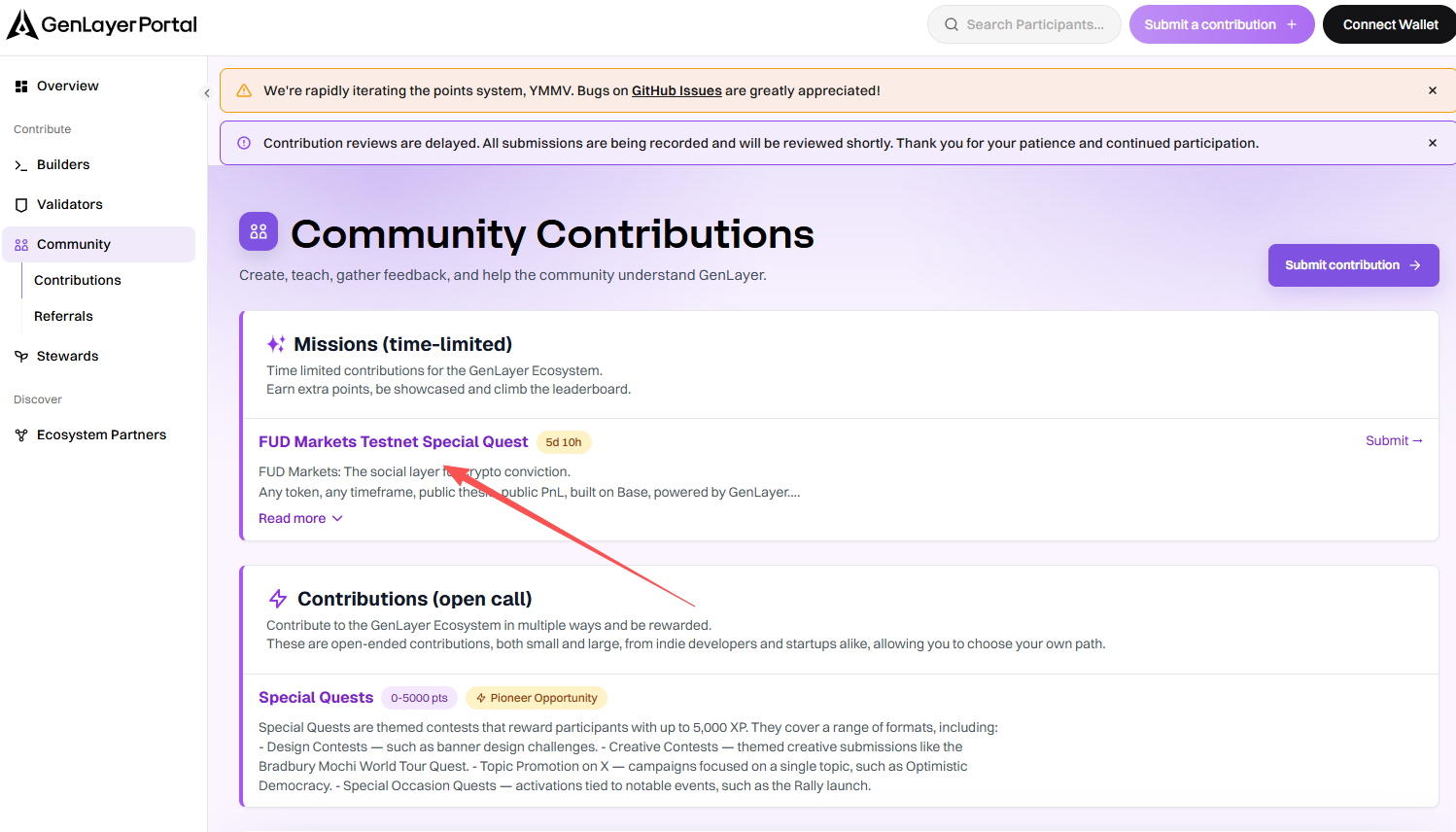
STEP 6. Go to the GenLayer portal website (Link: https://portal.genlayer.foundation/#/community/contributions), select "Community," then click "Contributions," and finally choose "FUD Market Testnet Special Quest" to submit your experience tweet.
Seismic: Privacy-Focused L1 Project

Project Introduction

Seismic is an L1 project in the privacy sector, providing an EVM-compatible privacy solution through Intel TDX Trusted Execution Environment for protocol-level encryption. To date, Seismic has completed two funding rounds this year, totaling $17 million:

  • On March 6, 2025, Seismic announced the completion of a $7 million funding round led by a16z Crypto, with participation from Polychain, 1kx, NGC, and dao5.
  • On November 12, 2025, Seismic announced the completion of a $10 million funding round led by a16z crypto, with participation from Polychain, Amber Group, TrueBridge, dao5, and LayerZero.

On May 13th, Seismic announced that its testnet is officially live.

Interaction Tutorial

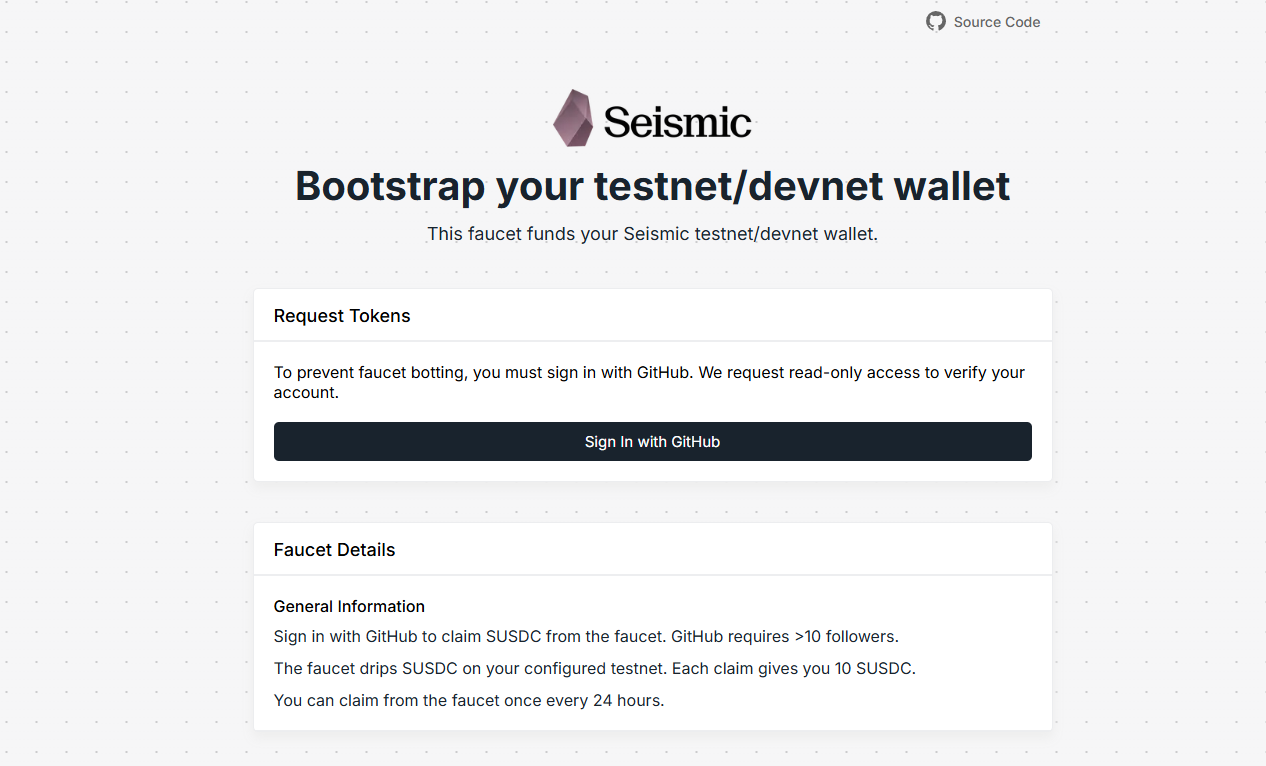
STEP 1. Claim test tokens (Link: https://faucet.seismictest.net/). Verification via X (50+ followers) or GitHub (10+ followers) is required. You can claim 10 sUSDC or 0.5 ETH every 24 hours.
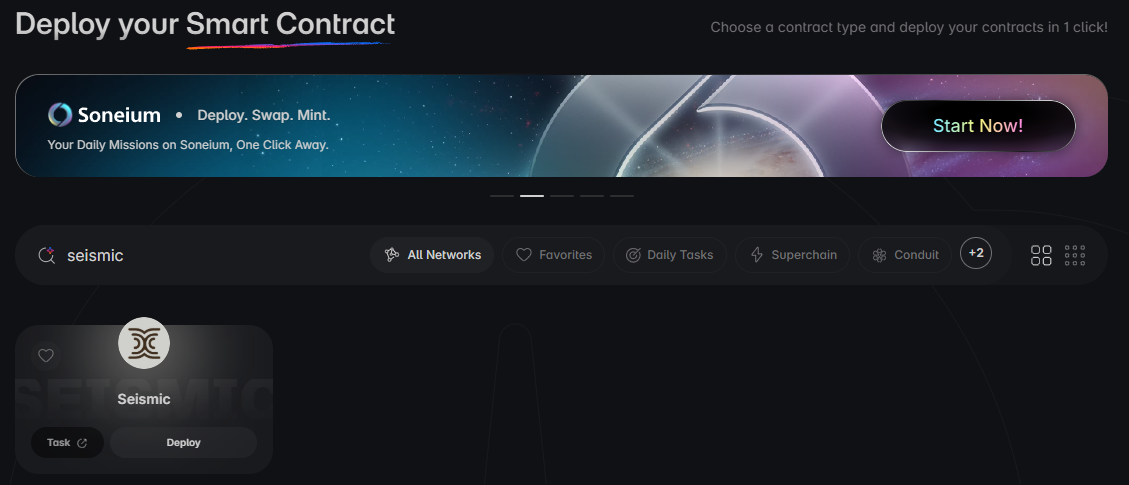
STEP 2. Deploy a contract (Link: https://www.onchaindaily.io/), connect your wallet, and switch to the Seismic Devnet.
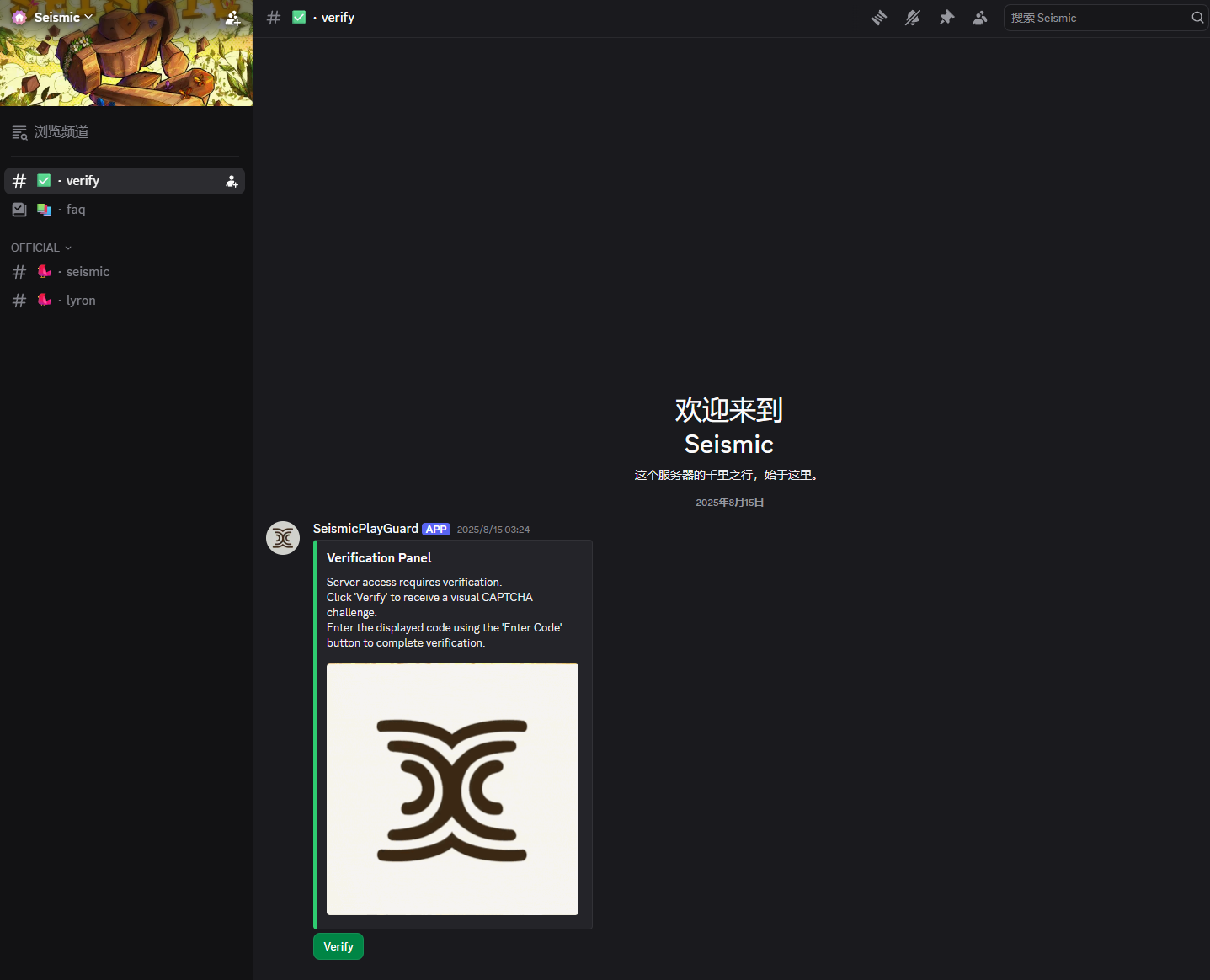
STEP 3. Join the official Discord (Link: https://discord.gg/seismic), stay active in the community, and strive to obtain early access roles.
İlgili Sorular

QWhat is The Beacon, and what significant event is happening on May 25th?

AThe Beacon is a fantasy action RPG incubated by TreasureDAO and funded by the Arbitrum Foundation. It features roguelike elements with procedurally generated dungeons. On May 25th, The Beacon is launching its Season 1 event, which is now open for pre-registration, offering a total prize pool of 7.7 million BCN tokens.

QWhat is the core innovation of the GenLayer platform, and what is its FUD Markets project?

AGenLayer is an AI-native blockchain platform that aims to overcome the limitations of traditional smart contracts. Its core innovation is the Optimistic Democracy consensus, which uses a network of validator nodes running different AI models (LLMs) to reach consensus on subjective decisions through majority voting and appeal mechanisms, essentially creating an on-chain 'synthetic judicial system'. FUD Markets is an ecosystem project on GenLayer's testnet where users can interact to earn points.

QWhat is Seismic, and what technology does it use to provide its privacy solution?

ASeismic is a privacy-focused Layer 1 blockchain project. It provides an EVM-compatible privacy solution by leveraging Intel TDX (Trusted Domain Extensions) technology at the protocol layer to create a trusted execution environment for encryption.

QAccording to the article, what are the steps to participate in the FUD Markets testnet interaction?

AThe steps are: 1) Sign in to the FUD Markets website. 2) Claim test tokens (20 USDC) on the Base Sepolia network via the provided faucet. 3) Return to FUD Markets and confirm a transaction. 4) Place an order (open a position) for any token. 5) Quote the official FUD Markets tweet and share your trading experience. 6) Submit your tweet link in the 'FUD Market Testnet Special Quest' section on the GenLayer portal website.

QWhat is the total funding amount raised by Seismic in 2025, as mentioned in the article, and who were the lead investors?

ASeismic raised a total of $17 million across two funding rounds in 2025. The first round in March was $7 million led by a16z Crypto. The second round in November was $10 million, also led by a16z crypto.

İlgili Okumalar

Interpreting Investment Opportunities in the Age of Great Navigation, Invesco Great Wall Fund Releases '2026 Report on Chinese Enterprises Going Global'

Invesco Great Wall Fund has released its "2026 China Corporate Globalization Report," titled "The 'Great Navigation Era' of Chinese Enterprises." The report analyzes the new trends and investment opportunities as Chinese companies expand globally, moving from simple product exports to comprehensive overseas operations involving services, branding, and local production. Driven by factors like trade friction, the pursuit of higher profit margins abroad, and policy support, globalization is becoming essential for Chinese companies. The report outlines an evolution: from early product export ("Globalization 1.0") to the current "Globalization 2.0," characterized by overseas capacity, capital goods investment, consumer brand expansion, and service exports. Chinese firms' competitive advantages are highlighted, including a vast engineer talent pool, low-cost and robust infrastructure, and complete industrial clusters. Specific sectors with significant出海 potential are identified: * **Capital Goods** (e.g., engineering machinery, power equipment): Benefiting from global demand, especially in Belt & Road markets and the AI-driven power grid upgrade cycle. * **Consumer Brands**: Transitioning from cost to brand advantage, leveraging供应链 efficiency. * **Technology & Innovation**: Including AI applications, optical modules within global tech supply chains, and new energy vehicles focusing on local production. * **Pharmaceuticals**: Chinese biotech firms are becoming preferred partners for global pharma, with potential for breakthrough drugs in areas like oncology and weight loss. The report concludes that corporate globalization represents a sustained, core theme for China's capital markets, though companies must navigate challenges like geopolitics and localization.

marsbit9 dk önce

Interpreting Investment Opportunities in the Age of Great Navigation, Invesco Great Wall Fund Releases '2026 Report on Chinese Enterprises Going Global'

marsbit9 dk önce

GitHub, Transfixed by AI

On the night of February 9th, GitHub suffered a major outage caused by a simple configuration change—reducing a cache refresh interval from 12 to 2 hours—that triggered a cascade of failures. This was not an isolated event, but part of a broader pattern. In early 2026, GitHub experienced at least 8 major incidents, failing to meet its promised 99.9% availability. These outages stemmed from structural issues: explosive growth in load, tight service coupling, and insufficient protection against abnormal traffic. This unprecedented load is driven by AI Agents. In 2025, GitHub handled ~1 billion commits. By 2026, weekly commits reached 275 million, projecting to ~14 billion for the year—a 14x increase. AI tools like Claude Code now contribute 4.5% of all public repository commits, with weekly submissions surging 25x in just three months. AI-generated pull requests jumped from 4 million to 17 million per month in half a year. Unlike human developers, AI Agents work continuously, generating commits at a scale that overwhelms infrastructure designed for human rhythms. The surge also shattered GitHub's business model. Copilot's flat-rate pricing, based on assisting human developers, became unsustainable as Agentic AI sessions consumed resources worth hundreds of dollars for a few dollars in fees. In response, GitHub imposed usage limits and, by June 1st, shifted to a pay-per-use "AI Credits" system. Facing this new reality, GitHub realized a 10x scaling plan was insufficient. It announced a need to *redesign* its architecture for 30x current scale—decoupling services, adding fault isolation, and improving change management to prevent cascading failures. Other platforms like Stripe and AWS are facing similar challenges with AI Agents. Fundamentally, GitHub is transitioning from a human collaboration platform to an "exhaust pipe" for automated AI workflows. Its detailed post-mortem reports aim to maintain trust during this turbulent rebuild. The February outage was not just a technical glitch, but a signal of the software industry's entry into a new, AI-driven era.

marsbit49 dk önce

GitHub, Transfixed by AI

marsbit49 dk önce

Both Suffer Massive Losses Exceeding $90 Billion, Which Is in Greater Peril: Strategy or Bitmine?

Facing massive paper losses exceeding $90 billion each amidst a sharp market downturn, "Digital Asset Treasury" (DAT) giants Strategy and Bitmine find themselves in a precarious position, but with different underlying risks. Strategy, heavily invested in Bitcoin (BTC), faces significant financial strain. Its strategy relies heavily on debt, including convertible notes and preferred stock (STRC) requiring substantial dividend payments. With its cash reserves dwindling and BTC offering no staking yield for cash flow, Strategy's high leverage makes it vulnerable. A continued price decline could force asset sales to meet obligations, potentially creating a negative feedback loop. Its market value has already fallen sharply. In contrast, Bitmine, an Ethereum (ETH) holder, appears on firmer financial ground. It primarily funds its purchases through equity offerings (like ATM programs), avoiding debt pressure. It also generates income by staking a large portion of its ETH holdings. While not immune to market drops and shareholder dilution concerns, Bitmine maintains more flexibility, recently announcing a new preferred share offering to raise further capital. The core divergence lies in their financing: Bitmine uses equity (investor money), while Strategy uses debt (borrowed money). Consequently, Bitmine currently faces less immediate liquidity pressure than Strategy, which must navigate the dual challenge of servicing debt/dividends and a declining core asset (BTC) price.

marsbit56 dk önce

Both Suffer Massive Losses Exceeding $90 Billion, Which Is in Greater Peril: Strategy or Bitmine?

marsbit56 dk önce

İşlemler

Spot
Futures
活动图片