Popular First-Layer Blockchain Network Announces Hard Fork Preparation Plans: 'Code Development Process to Be Completed by the End of 2026!'

cryptonews.ru2026-08-17 tarihinde yayınlandı2026-08-17 tarihinde güncellendi

Özet

The first-layer blockchain network Cardano (ADA) has publicly released its hard fork plan for the "Dijkstra Era," representing the ecosystem's next major technical transformation. According to the roadmap published via Cardano's official channels, the network upgrade process will occur in multiple phases, with the primary goal of completing all core code development by the final quarter of 2026. The first phase involves finalizing all core software development and preparing the mainnet for the upgrade, including updating the Cardano protocol to version 12 and implementing new features. These updates are stated to bring significant improvements to network performance, scalability, and future governance mechanisms. The second phase aims to implement the Ouroboros Peras upgrade, a major innovation to Cardano's consensus mechanism, planned for activation via a hard fork in Q2 2027. Its main goal is to accelerate transaction finality and improve user experience. The Cardano team emphasized that the roadmap dates are targets for completing code development and mainnet preparation. The actual deployment of upgrades on the mainnet will require community approval through Cardano's on-chain governance mechanisms. Experts describe the Dijkstra Era as one of the most significant updates aimed at strengthening Cardano's technical foundation, with investors and developers closely watching the network's evolution over the next two years.

The first-layer blockchain network Cardano (ADA) has publicly released its hard fork plan for the "Dijkstra Era," representing the next major technical transformation of the ecosystem. According to the roadmap published via Cardano's official channels, the process of upgrading the network to the next generation will occur in several stages, with the first goal being to complete work on the code in the last quarter of 2026.

According to the announcement, the first stage involves completing all core software development originally conceived during the Dijkstra period and finalizing preparations for upgrading the mainnet. This process includes upgrading the Cardano protocol to version 12 and implementing new features. Developers state that these updates will include significant improvements to support network performance, scalability, and future governance mechanisms.

The second stage of the roadmap focuses on implementing the Ouroboros Peras update, a significant innovation in Cardano's consensus mechanism. According to the plan, this update is scheduled to be activated via a hard fork in the second quarter of 2027. The main goal of the Peras update is to speed up transaction finality and improve user experience.

The Cardano team also drew attention to an important detail regarding the announced dates. They emphasized that the targets outlined in the roadmap are estimated dates for completing the code development process and preparing the mainnet for the upgrade. However, actual deployment of the upgrade on the mainnet will require community approval in accordance with Cardano's on-chain governance mechanisms.

Experts note that the Dijkstra Era represents one of the most significant updates aimed at strengthening Cardano's technical infrastructure, and investors and developers are closely watching the network's development over the next two years. The roadmap is considered a crucial part of Cardano's long-term growth strategy.

*This is not investment advice.

end-content
Trend Kriptolar

İlgili Sorular

QWhat is the name of the blockchain network mentioned in the article and what major plan did it announce?

AThe article mentions the first-layer blockchain network Cardano (ADA). It has announced a hard fork plan for the 'Dijkstra Era', representing the next major technical transformation for the ecosystem.

QAccording to the roadmap, when is the first goal of completing the code development for the hard fork scheduled?

AAccording to the published roadmap, the first goal is to complete the code development in the last quarter of 2026.

QWhat is the Ouroboros Peras update and when is its activation planned?

AThe Ouroboros Peras update is a significant innovation to Cardano's consensus mechanism, aimed at accelerating transaction finality and improving user experience. It is planned to be activated via an internal hard fork in the second quarter of 2027.

QWhat is required for the actual deployment of the hard fork update to the mainnet, beyond completing the code?

AFor the actual deployment of the update to the mainnet, approval from the community is required in accordance with Cardano's on-chain governance mechanisms.

QWhy is the Dijkstra Era considered significant by experts according to the article?

AExperts note that the Dijkstra Era represents one of the most significant updates aimed at strengthening Cardano's technical infrastructure, and is considered a crucial part of Cardano's long-term growth strategy.

İlgili Okumalar

Glassnode: Consumer Confidence Falls as AI-Related Stocks Rise, Bitcoin Lags Behind

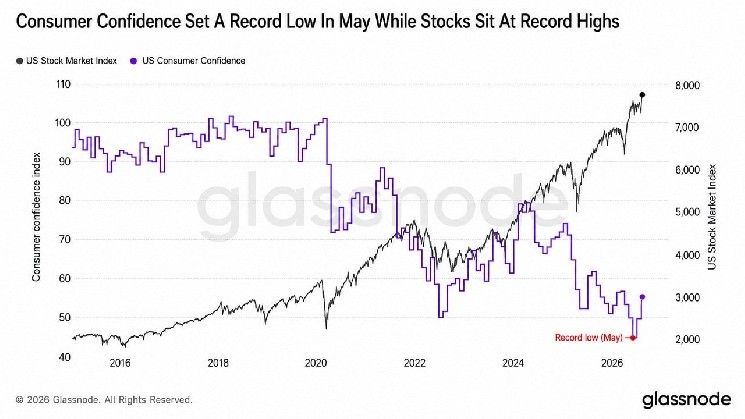
According to Glassnode, consumer confidence remains at one of its lowest levels in a decade, despite two consecutive months of improvement. This has not stopped households from moving money out of cash, as they expect further cost-of-living increases and a broader economic slowdown. The key question is where this capital is flowing. US stocks hit a new all-time high in early August, primarily driven by trading in AI-related stocks rather than a broad market rally. Bitcoin, historically seen as a hedge against declining trust in traditional finance, has not participated in this movement. Spot Bitcoin ETFs saw outflows of $389.7 million in one week, coinciding with rising equity markets—a divergence that aligns with Glassnode's data on capital flows. Bitcoin is currently trading at roughly half its October 2025 peak, stuck in a narrow range. Meanwhile, AI-related trading continues to attract fresh capital from retail traders, hedge funds, and even crypto-native institutional investors, who are redirecting funds into AI stocks and tokens. The macroeconomic backdrop has not been hostile to Bitcoin, with core inflation at a moderate 2.5% in July. However, Bitcoin's muted response to favorable inflation data is seen as a concerning signal, given its supposed role as a hedge against currency debasement. Spot Bitcoin exchange trading volume has fallen to its lowest since 2019, and recent ETF inflows are only a "fraction of any prior accumulation wave," suggesting institutional buying may have paused. This trend extends beyond trading: some Bitcoin miners are repurposing their power contracts and data center capacity for AI workloads. This appears to be a structural shift that could pressure Bitcoin's status as the default destination for capital leaving cash. The fundamental arguments for Bitcoin as a hedge against inflation or scarcity are not invalidated, but their expected impact has not materialized within the timeline anticipated by crypto optimists this summer.

cryptonews.ru2 dk önce

Glassnode: Consumer Confidence Falls as AI-Related Stocks Rise, Bitcoin Lags Behind

cryptonews.ru2 dk önce

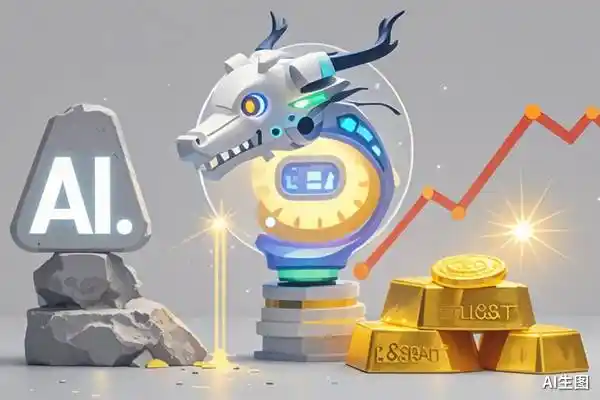
The Optimal 'AI Bubble Trade': Simultaneously Going Long on 'Arrogance' and 'Bias'

The optimal investment strategy in the current AI bubble environment is a dual "leg" approach: going long on both "hubris" (AI tech leaders) and "humiliation" (neglected, underperforming cyclical assets). This aims to capture gains from both sides during the final surge of a nominal GDP-driven bubble, according to a Bank of America report by strategist Michael Hartnett. The bank's Bull & Bear Indicator remains in extreme bullish territory, signaling "sell", yet history shows such signals have limited immediate impact. Current fund flows show structural shifts: gold saw its largest weekly inflow since January, commodities are up 58.9% YTD, while tech stocks experienced their largest weekly outflow in seven weeks. The core thesis is that the final stage of a bubble benefits both the leading theme ("hubris" - AI) and oversold sectors ("humiliation" - like consumer stocks), similar to patterns seen in the 1999 tech bubble and 2007-2008 credit crisis. The report advises shorting "AI bonds," anticipating pressure from massive capital expenditures. Key risks include high concentration, surging bond yields, and cautious voter sentiment. The US debt burden is highlighted, with servicing costs reaching $1.4 trillion. The 10-year Treasury yield breaching 5% is seen as a red line for policymakers. For the "avoid the dollar" theme, BofA recommends gold and Hong Kong property stocks, the latter seen as deeply undervalued. The November US midterm elections, particularly the Texas governor race concerning AI data center expansion, are flagged as a critical political variable that could determine the AI bull market's trajectory. Private client data shows record-high equity allocations (66.4%) and record-low cash levels (9.4%), indicating bullish positioning. The report concludes that while overbought conditions can pause the bull market, ending it requires a combination of excessive positioning, overly optimistic earnings, and policy tightening—a scenario not yet in place.

marsbit43 dk önce

The Optimal 'AI Bubble Trade': Simultaneously Going Long on 'Arrogance' and 'Bias'

marsbit43 dk önce

İşlemler

Spot

Popüler Makaleler

LAYER Nasıl Satın Alınır

HTX.com’a hoş geldiniz! Solayer (LAYER) satın alma işlemlerini basit ve kullanışlı bir hâle getirdik. Adım adım açıkladığımız rehberimizi takip ederek kripto yolculuğunuza başlayın. 1. Adım: HTX Hesabınızı OluşturunHTX'te ücretsiz bir hesap açmak için e-posta adresinizi veya telefon numaranızı kullanın. Sorunsuzca kaydolun ve tüm özelliklerin kilidini açın. Hesabımı Aç2. Adım: Kripto Satın Al Bölümüne Gidin ve Ödeme Yönteminizi SeçinKredi/Banka Kartı: Visa veya Mastercard'ınızı kullanarak anında Solayer (LAYER) satın alın.Bakiye: Sorunsuz bir şekilde işlem yapmak için HTX hesap bakiyenizdeki fonları kullanın.Üçüncü Taraflar: Kullanımı kolaylaştırmak için Google Pay ve Apple Pay gibi popüler ödeme yöntemlerini ekledik.P2P: HTX'teki diğer kullanıcılarla doğrudan işlem yapın.Borsa Dışı (OTC): Yatırımcılar için kişiye özel hizmetler ve rekabetçi döviz kurları sunuyoruz.3. Adım: Solayer (LAYER) Varlıklarınızı SaklayınSolayer (LAYER) satın aldıktan sonra HTX hesabınızda saklayın. Alternatif olarak, blok zinciri transferi yoluyla başka bir yere gönderebilir veya diğer kripto para birimlerini takas etmek için kullanabilirsiniz.4. Adım: Solayer (LAYER) Varlıklarınızla İşlem YapınHTX'in spot piyasasında Solayer (LAYER) ile kolayca işlemler yapın.Hesabınıza erişin, işlem çiftinizi seçin, işlemlerinizi gerçekleştirin ve gerçek zamanlı olarak izleyin. Hem yeni başlayanlar hem de deneyimli yatırımcılar için kullanıcı dostu bir deneyim sunuyoruz.

509 Toplam GörüntülenmeYayınlanma 2025.02.11Güncellenme 2026.06.02

LAYER Nasıl Satın Alınır

Tartışmalar

HTX Topluluğuna hoş geldiniz. Burada, en son platform gelişmeleri hakkında bilgi sahibi olabilir ve profesyonel piyasa görüşlerine erişebilirsiniz. Kullanıcıların LAYER (LAYER) fiyatı hakkındaki görüşleri aşağıda sunulmaktadır.

活动图片