More Popular Than SpaceX, Oversubscribed by Over 6586 Times, What's the Meme Power Behind Liuliumei (06658.HK)?

Odaily星球日报2026-06-15 tarihinde yayınlandı2026-06-15 tarihinde güncellendi

Özet

Titled "More Popular than SpaceX, Over 6586 Times Oversubscribed: What's the Meme Power Behind Liuliumei (06658.HK)?", this article discusses the phenomenon of "stock memefication" through the case of Liuliumei's IPO. The Chinese snack company saw its stock price surge over 190% on its Hong Kong debut, fueled not by fundamentals but largely by a viral meme. Its stock ticker abbreviation "06658.HK" was humorously linked to "LLM" (Large Language Model), coinciding with a rally in AI-related stocks like Zhipu AI. This mirrors a broader trend where stocks gain traction based on internet jokes,谐音梗 (homophonic puns), celebrity mentions, or cultural moments—similar to meme coins in crypto. Examples include Gamestop's 2021 short squeeze, Trump-related stock movements ("川大智胜"), and "孚日股份" (interpreted as "capture Japan"). The article argues global markets are entering an era where attention and social media narratives can drive significant capital flows, blurring lines between traditional finance and meme culture. While offering quick gains, this trend also carries risks like pump-and-dump schemes. Liuliumei's explosive IPO, surpassing even蜜雪冰城's subscription record, exemplifies how meme-driven attention is being converted into market volatility and liquidity in today's fragmented, emotion-driven investment landscape.

Original|Odaily Planet Daily(@OdailyChina)

Author|Wenser(@wenser2010 )

"Are you okay? Okay? Okay? Then eat some Liuliumei!"

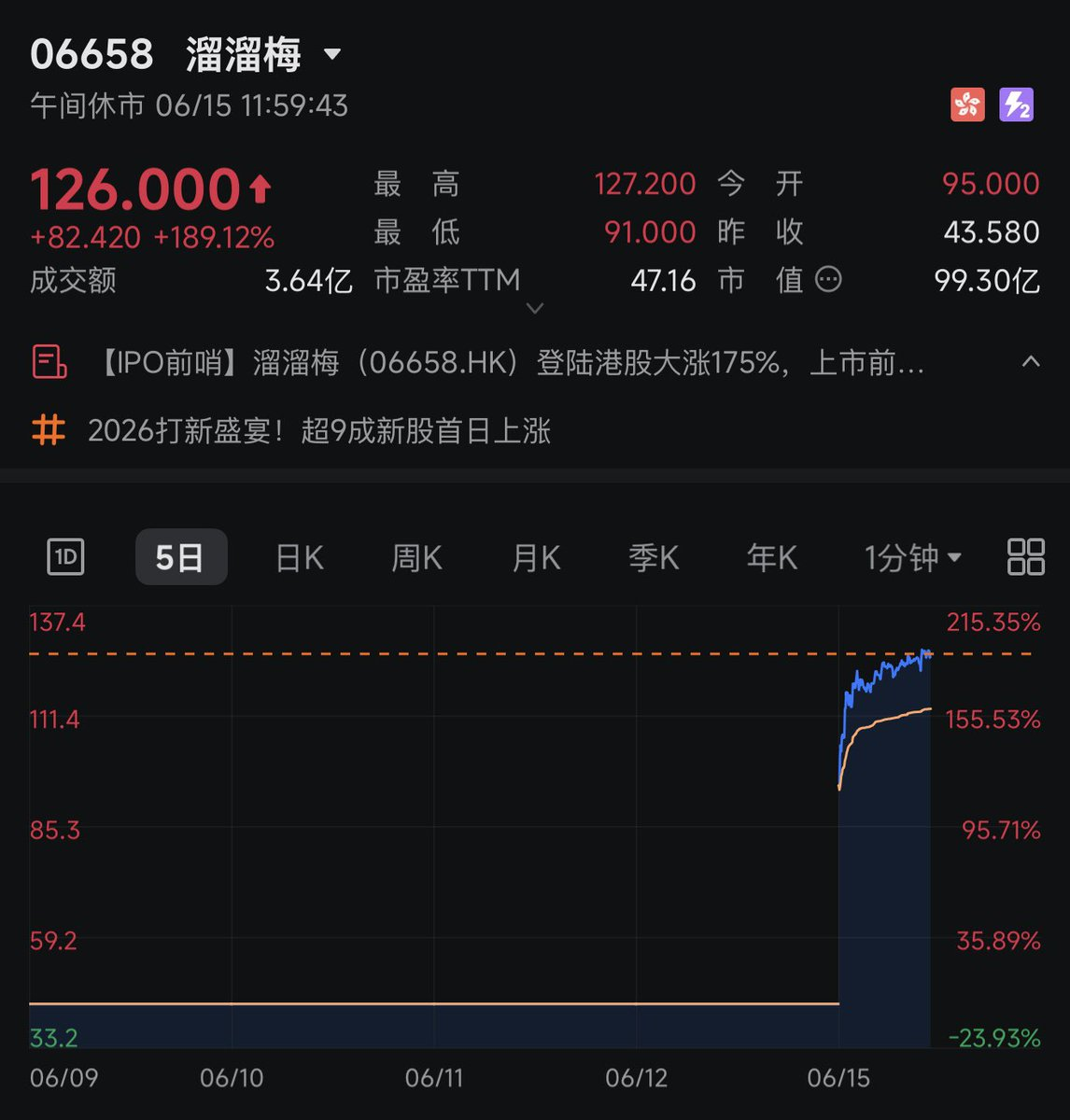
Once upon a time, a brainwashing commercial line from actress Yang Mi brought Liuliumei into thousands of households. Today, after decades of accumulation, the company behind it finally officially listed on the Hong Kong Stock Exchange, becoming the "first stock of plum snacks" on HKEx. It is reported that its issue price was HKD 43.58, the opening price was HKD 95, a surge of approximately 116% from the offering price of HKD 42; the intraday high reached HKD 127.50, an increase of over 190%; it has now pulled back to HKD 125, still up over 186%.

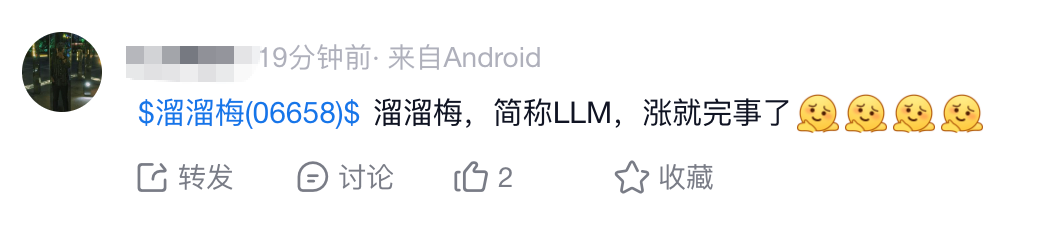
But contrary to many expectations, the stock price surge of Liuliumei (06658.HK) is not a revival of the concepts of "new consumption, new retail, new snacks." Instead, its name initials coincidentally align with the hot topic of "LLM" (Large Language Model), riding on the wave of today's 45% surge in Zhipu AI (02513.HK).

Many call it an "authentic AI Large Language Model stock," attracting countless hot money and capital inflows. Whether acknowledged or not, global stock markets may be entering the "Stock Meme-ification Era."

The New Era of Global Stock Markets: When Stocks Collide with Memes

First, the basics of Liuliumei's IPO: This was Liuliumei's fourth attempt at a capital market listing.

In 2019, its attempt to list on the A-share market failed; in 2025, its two applications to list on HKEx lapsed; it wasn't until May 21 this year, after updating its listing application materials for the third time and changing its main entity name from "Liuliumei Group Co., Ltd." to "Liuliumei Co., Ltd.," that it successfully listed in less than a month. It must be said, sometimes naming can be a mysterious thing.

According to the company's allocation results announcement, the public offering portion of this IPO recorded an oversubscription of approximately 6586.73 times. The final number of shares offered publicly was 1.1465 million, accounting for approximately 10% of the total global offering. There were approximately 180,500 valid applications received, with about 11,465 applications accepted. The ratio of allotment for one lot application was only 1.5%, meaning the one-lot winning rate was as low as 1.5%, indicating extremely fierce competition for subscription. Regarding the international placement, Liuliumei received a subscription of 2.64 times. The final number of international offering shares was 10.3176 million, accounting for 90% of the total offering shares. Comparing this data, the popularity of Liuliumei's IPO has surpassed that of "the first stock of milk tea stores by outlet number" Mixue Ice City, which listed on HKEx in March last year with a public offering oversubscription multiple of 5258.21 times.

In other words, institutions were not optimistic but held 90% of the shares; retail investors were optimistic but only held 10% of the shares. The main driving force behind the opening surge came more from the free market play of "retail investors and market makers dancing together." And this is precisely the power of "Meme stocks"—transforming the attention attracted by memes into buying power in the capital market.

Some netizens even compared Liuliumei's opening performance to SpaceX, finding its market gains far more dazzling.
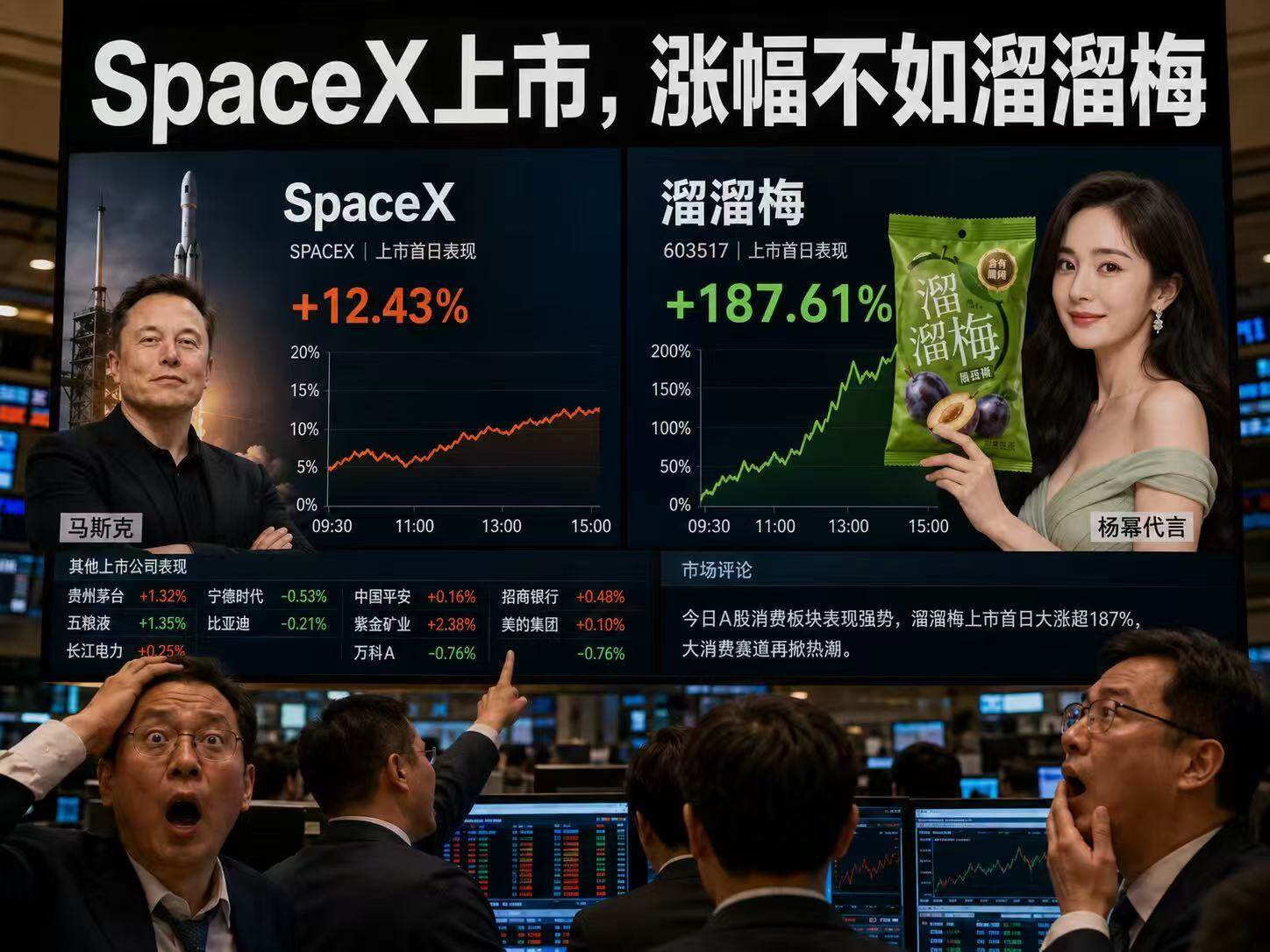
It is worth mentioning that "Meme stocks" is not a new term that recently appeared; they are an objectively existing category of stocks in major capital markets like the US, Hong Kong, and A-shares. However, the "Stock Meme-ification Era" is undoubtedly the latest trend emerging in the past 1-2 years, and its driving factors are also somewhat related to the crypto market.
The earliest Meme stocks are untraceable, so we'll only discuss some representative individual stock targets in recent years.

2021's Gamestop might be the starting point of Meme stock enlightenment for many in the US market. Led by well-known retail investors like Roaring Kitty, global retail investors united against Wall Street institutional capital, forcing a short squeeze that led many brokerage platforms and exchanges to "pull the plug" to avoid the storm. Recently, rumors of Gamestop acquiring eBay also caused market fluctuations and a temporary surge in its stock price.

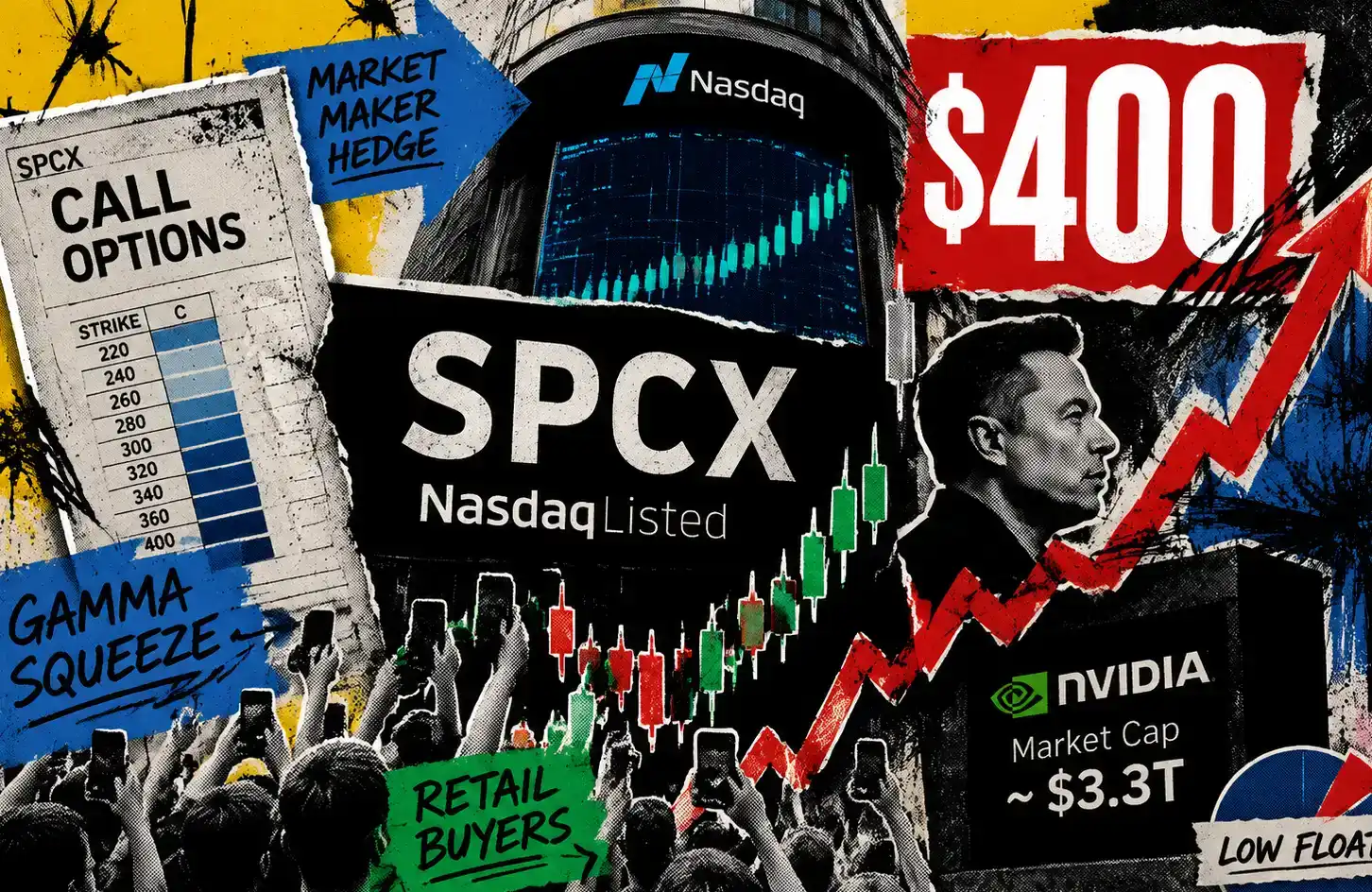
Tesla and the recently IPO'd SpaceX have also been viewed as a type of Meme stock because both companies and stocks are strongly associated and deeply bound with the highly topical "world's first trillionaire" Elon Musk. Before the companies' businesses provided strong performance proof, they were considered "narrative-driven companies with sky-high dream valuations."

Before Donald Trump won the US presidential election in 2024, the A-share market had already started moving. "Chuanda Zhisheng" frequently topped platform trending lists and even experienced multiple limit-up days. That year, during Trump's campaign, an assassination attempt left his ear scratched by flying glass from a bullet. Stock "Goertek" (homophone for "cut ear") was also affected and saw a surge during trading.

Last year, when Sino-Japanese diplomatic relations deteriorated, the defense stock "Furi Shares" experienced a dramatic stock price surge due to the patriotic homophone pun "capturing Japan" (孚日 sounds like 'capture Japan'), pulling up for eight consecutive trading days, with cumulative gains exceeding 100%, becoming one of the short-term "monster stocks" in the A-share market.

In today's capital markets, similar to the crypto market with its fragmented attention and concentrated emotions, individual stock targets and sector themes that can spark the widest discussion and attention have become "attention foci" that stir up funds and liquidity.
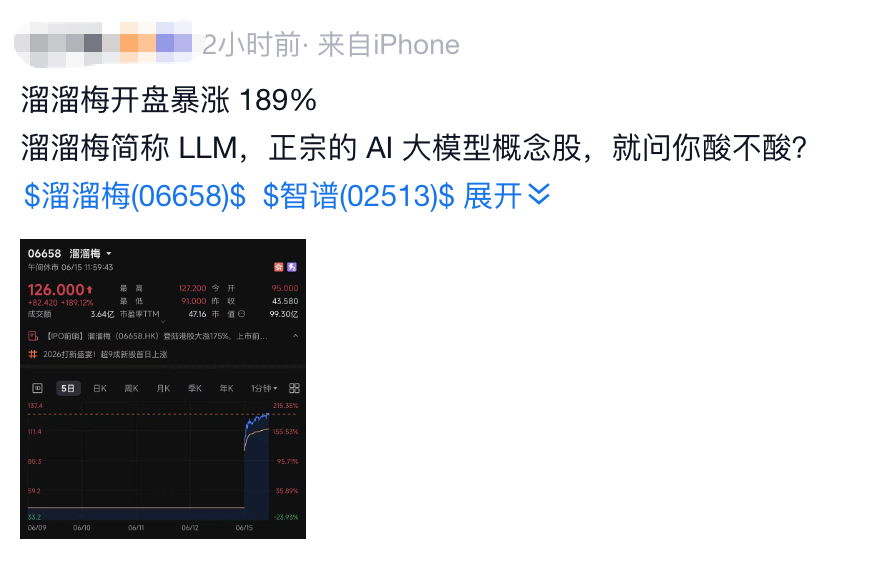
Liuliumei's surge is also a prime example of the "Stock Meme-ification" era.

The Stock Meme-ification Era Begins: Homophone Puns, Abbreviations, AI Era Dividends

As the valuations of OpenAI and Anthropic rise close to the trillion-dollar scale, companies and stocks related to the AI industry chain—such as optics, communications, materials, and computing power—have successively entered an explosive growth period:

  • NVIDIA became the first listed company with a market cap exceeding $5 trillion;
  • Micron, SanDisk, etc., saw their stock prices break new highs consecutively, with institutions raising their bullish price targets;
  • The stock price fluctuations of SK Hynix and Samsung Electronics dictate the rises and falls of South Korea's KOSPI index;
  • A single statement from Nvidia's founder about "seeing Marvell as a future trillion-dollar giant" caused Marvell (MRVL) stock to rise accordingly;
  • Innolight (Zhongji Xuchuang) mentioned by the new stock god Serenity was misread due to translation issues as "Inno Laser," causing the latter's stock price to surge 10% due to an influx of 300 million hot money.

In the great tide of the "Stock Meme-ification" era, being associated with AI,蹭上 (catching the heat) of "large language models," having homophones with popular targets, or receiving mentions from celebrities have all become reasons for market attention and the best stage for the simultaneous influx of attention and capital.
"Trump concept stocks," "US stock government concept stocks," "TACO-style trading beneficiary targets," etc., are also manifestations of this industry trend. This is precisely the common play in the "attention-intensive industry" highly advocated by the crypto market—the Meme coin sector.

However, the capital markets are different now, the market rules are different, and the scale of funds and liquidity is also incomparable to the crypto market. After all, compared to the trading scale of the US, Hong Kong, A-share, and Japan/South Korea stock markets, the crypto market's total size of less than $3 trillion looks somewhat pitiful.

SpaceX, upon listing, immediately jumped into the top 10 of global major asset rankings. In contrast, BTC has fallen to the 17th position on that list. It must be said, numerical comparisons always look this cruel—over a decade of diligent development in the crypto industry is worth less than the market cap of one company's IPO.

Now, the emergence and increase of Meme stocks may have become an industry trend. The earlier incident where Joyoung Company produced corresponding products and saw its stock price rise due to the viral meme "North-South Mung Beans Hachimi" already illustrates one thing: for the younger generation and investor groups in today's society, investment targets that can trigger emotional fluctuations, attract market attention, and stir liquidity are more worthy of buying.

Even if this fleeting chasing sentiment is just a momentary frenzy, for most people, if you can't beat them, join them is the better choice. Of course, objectively speaking, the emergence of Meme stocks does not mean one-sided benefits, such as wealth creation effects or industry booms. Sometimes, this process is accompanied by negative phenomena like pump-and-dump schemes, one-sided harvesting, and emotional marketing.

Just like Liuliumei's opening surge, some angrily criticize it as a "pump to dump" scheme; others analyze that perhaps it's because Liuliumei joined the "Stock Connect" program, allowing A-share market funds to buy in, that pushed its stock price up. The truth and reasons are certainly multidimensional and chaotic. For us, perhaps all we can do is go with the flow of this era and find our own path to prosperity.

İlgili Sorular

QAccording to the article, what is the main reason behind the surge in Liuliumei's stock price on its IPO day?

AThe main reason is that its stock ticker abbreviation 'LLM' coincidentally matches the acronym for 'Large Language Model', allowing it to ride the hype of the AI and LLM trend, making it a so-called 'Meme stock'.

QHow does the article describe the level of oversubscription for Liuliumei's IPO public offering?

AThe article states that the IPO's public offering portion was oversubscribed by approximately 6586.73 times, indicating extremely high retail investor demand.

QWhat comparison does the article make to illustrate the concept of 'Meme stocks' besides Liuliumei?

AThe article mentions several examples: GameStop in 2021, Tesla and SpaceX associated with Elon Musk, '川大智胜' and '歌尔股份' in the A-share market related to Donald Trump events, and '孚日股份' due to a patriotic homophonic pun.

QWhat is the article's view on the relationship between the rise of 'Meme stocks' and the cryptocurrency market?

AThe article suggests that the trend of 'stock Meme-ization' is partly influenced by the cryptocurrency market, which pioneered the 'attention-intensive' model of meme coins. However, it notes that traditional stock markets have vastly larger capital scales than the crypto market.

QWhat potential risks or negative aspects does the article associate with the 'Meme stock' phenomenon?

AThe article points out that the Meme stock trend is not without downsides. It can be accompanied by negative phenomena such as 'pump and dump' schemes, one-sided harvesting of retail investors, and emotional marketing, rather than representing genuine value creation or industry growth.

İlgili Okumalar

After Tokenization of Assets, How to Exit?

Title: How to Exit After Asset Tokenization? Author: Symbiotic Compiled by: Hu Tao, ChainCatcher Summary: Tokenization addresses how assets go on-chain but largely leaves the redemption question unresolved. While tokenized assets can settle instantly, the underlying redemption for assets like treasuries, private credit, or real estate can take from T+1 to 180 days. This gap hinders DeFi adoption of Real World Assets (RWAs). Three emerging models aim to provide instant exit liquidity, differing primarily in their capital structure and efficiency: 1. **Balance Sheet Model (e.g., Grove Basin):** A single entity (like Sky) provides immediate liquidity from its balance sheet, acting as a bridge during the settlement period. It offers simplicity and deep initial liquidity but is constrained by a single entity's capacity and risk appetite. 2. **Asset-Specific Vault Model (e.g., Upshift Clear):** Independent liquidity providers fund dedicated vaults for each supported asset, earning fees. It decentralizes capital sources but isolates liquidity and capital per asset, leading to potential fragmentation. 3. **Shared Liquidity Layer Model (e.g., Symbiotic Liquid Lane):** A shared capital pool supports multiple RWA types simultaneously. Funds remain productive between redemptions (e.g., earning yield in lending markets). Exits are settled via a competitive RFQ market. This model aims for higher capital efficiency, scalability across assets, and serves longer-duration assets like private credit. Key differentiators are: 1) Source of capital and risk bearer, 2) Redemption pricing mechanism, 3) Capital efficiency, 4) Scalability to new asset types, and 5) Composability. The shared liquidity layer model represents a move from piecemeal solutions toward scalable infrastructure, enabling T+0 exits by pooling capital, maintaining yield, and using competitive pricing, thus enhancing RWA utility in DeFi.

marsbit13 dk önce

After Tokenization of Assets, How to Exit?

marsbit13 dk önce

After Tokenizing Assets, How to Exit?

After tokenization, a key unresolved issue is providing holders with a reliable exit mechanism, as underlying asset settlement (taking days to months) lags far behind on-chain token settlement. Three primary models for instant liquidity have emerged, differing in their capital structure and efficiency: 1. **Balance Sheet Model (e.g., Grove Basin):** A single, well-capitalized entity (like Sky) provides immediate liquidity from its own reserves. This offers simplicity and deep initial liquidity but is constrained by that single balance sheet's capacity and risk appetite, limiting scalability. 2. **Dedicated Vault Model (e.g., Upshift Clear):** Independent liquidity providers (LPs) fund separate vaults for each supported asset. This decentralizes capital sources but isolates liquidity and capital, which becomes inefficient as the number of tokenized assets grows. 3. **Shared Liquidity Layer Model (Symbiotic Liquid Lane):** Independent capital providers fund shared vaults that can support multiple tokenized assets simultaneously. Capital remains productive between redemptions (e.g., earning yield in DeFi markets). Exits are settled via a competitive RFQ market where market makers bid. The article argues that the shared layer model offers superior capital efficiency and scalability. It transforms exit liquidity from an asset-specific patch into shared market infrastructure, allowing liquidity capacity to grow with overall market participation rather than being fragmented per asset. This is particularly valuable for longer-duration assets like private credit, where reliable T+0 exits can significantly enhance their utility in DeFi.

链捕手27 dk önce

After Tokenizing Assets, How to Exit?

链捕手27 dk önce

Anthropic's Triple Moment: Code Leak, Government Confrontation, and Weaponization

This article analyzes Anthropic's recent conflicts and strategic moves following the U.S. government's emergency halt of its new Fable model, citing national security concerns over potential "jailbreaks." The author argues this incident reveals deeper tensions between AI labs, governments, and the software industry. While critics view Anthropic's safety-focused rhetoric as marketing fear, the author suggests it serves as a commercial moat masking the company's core economic imperative: moving closer to end-users and their valuable data to avoid being commoditized. The piece outlines a coming clash between frontier AI labs like Anthropic and established software companies. Labs need real-world usage data for model improvement via reinforcement learning, creating a cycle where better products attract more users and more data. This threatens software firms who, as Microsoft's Satya Nadella warns, risk having their value captured by a few dominant models. Anthropic's controversial policy changes—initially secretly degrading Fable's performance for LLM development and expanding data retention—are framed as assertions of control, justified by its safety narrative. The company's foundational belief that it alone is sufficiently concerned about superintelligent AI dangers legitimizes its actions, from resisting government demands to shaping usage policies. The author concludes that this alignment of mission, talent, and business strategy is powerful but concerning, as it concentrates immense potential power in the hands of those convinced of their own righteous understanding.

marsbit37 dk önce

Anthropic's Triple Moment: Code Leak, Government Confrontation, and Weaponization

marsbit37 dk önce

İşlemler

Spot
Futures

Popüler Makaleler

MEME 2.0 Nedir

Memecoin 2.0: Kripto Para Dünyasında $MEME 2.0'ın Yükselişi Giriş Kripto para dünyasının sürekli gelişen yapısında, yeni bir rakip olarak Memecoin 2.0 ortaya çıktı. $MEME 2.0 sembolüyle öne çıkan bu proje, meme coinlerinin kavramını heyecan verici bir yeni seviyeye taşıyor. Orijinal Memecoin'in bir yan ürünü olarak, bu proje, odağını geleneksel finansal teşviklerden, katılımcı ve eğlenceli bir deneyime kaydırarak kripto topluluğunun dikkatini çekmeyi başardı. Ethereum blockchain'inde faaliyet gösteren Memecoin 2.0, kripto alanında topluluk katılımını cesurca yeniden tanımlıyor. Memecoin 2.0, $MEME 2.0 Nedir? Memecoin 2.0, temelinde topluluk ruhunu ve meme kültürüyle ilişkilendirilen eğlenceyi öncelikli olarak benimseyen bir kripto para projesidir. Pratik kullanım alanlarına ve somut faydalara odaklanan geleneksel kripto paralardan farklı olarak, Memecoin 2.0 dijital para biriminin daha hafif yönünü benimseyerek kendini gösteriyor. Proje, herhangi bir fayda, yapılandırılmış bir yol haritası veya finansal getiri vaadi olmadan varlığını sürdürüyor ve bunun yerine memelere ve ortak keyfe odaklanmış canlı bir topluluk oluşturmayı hedefliyor. Bu sayede, çevrimiçi alanda meme kültürünün artan trendine hitap ederek dijital varlıklar dünyasında benzersiz bir oyuncu haline geliyor. Memecoin 2.0'ın Yaratıcısı, $MEME 2.0 Memecoin 2.0'ın kökenleri üzerine yapılan kapsamlı araştırmalara rağmen, yaratıcısının kimliği belirsizliğini koruyor. Bu anonimlik, birçok projenin sahne arkasında kalmayı tercih eden bireyler veya gruplar tarafından yönetildiği kripto topluluğunda alışılmadık bir durum değil. Yaratıcının kamuya açık bilgilere sahip olmaması, topluluk katılımına odaklanarak bireysel ünlülük yerine topluluğun önemini vurgulayan stratejik bir hamle olarak görülebilir. Memecoin 2.0 Yatırımcıları, $MEME 2.0 Memecoin 2.0 için yatırımcılar veya mali destek ile ilgili bilgiler sınırlıdır. Bu bilgi eksikliği projenin ya kendi kendini finanse ettiğini ya da geleneksel yatırım yapılarına kıyasla topluluğa odaklanmasının farklı bir destekçi türünü çektiğini öne sürebilir. Meme coinlerinin dünyası tipik olarak daha fazla taban katılımı içerdiği için bu yaklaşım, topluluk odaklı projelerin etikleriyle uyumlu bir yapı sergiliyor. Memecoin 2.0, $MEME 2.0 Nasıl Çalışır? Memecoin 2.0 tamamen Ethereum blockchain'inde faaliyet gösteriyor ve bu sayede güvenlik özelliklerinden ve ölçeklenebilirliğinden yararlanıyor. Ethereum'un güçlü yönlerinden faydalanarak, Memecoin 2.0 kullanıcı etkileşimleri için güvenli bir ortam sunarken, işlemlerin hem verimli hem de maliyet etkili olmasını sağlıyor. Memecoin 2.0'ın benzersiz özelliklerinden biri topluluk odaklı yapısıdır. $MEME 2.0 tokeninin değeri ve popülaritesi, kullanıcıların aktif katılımlarından geliyor, içsel faydadan ziyade. Bu tasarım, projenin kripto para biriminin eğlence yönüne odaklanmasını pekiştirerek, gülmenin ve topluluk etkileşiminin başarısını sağlayan gerçek para birimleri olduğunu ima eder. Ayrıca, proje, meme coinlerinin daha geniş ekosisteminin bir parçası olarak yer alıyor; burada her meme coininin değeri, kültür, trendler ve topluluk katılımına göre dalgalanıyor, geleneksel ekonomik prensiplerden ziyade. Memecoin 2.0'ın Zaman Çizelgesi, $MEME 2.0 Memecoin 2.0'ın evrimini ve kilometre taşlarını daha iyi anlamak için, tarihindeki önemli olayları vurgulayan bir zaman çizelgesi: 2024: Memecoin 2.0'ın ortaya çıkışı, orijinal Memecoin'in bir yan ürünü olarak kabul edilir ve Ethereum blockchain'inde faaliyet gösterirken meme coinlerinin gelişen bağlamında kendini konumlandırır. 13 Temmuz 2024: Memecoin 2.0, Ethereum ağında topluluk odaklı bir meme coin olarak resmi bir konum alır ve kullanıcıların katılımını ve büyümeye katkı sağlamasını teşvik eden eğlence odaklı yaklaşımını vurgular. Memecoin 2.0'a Dair Anahtar Noktalar, $MEME 2.0 Memecoin 2.0'ı tanımlayan birkaç kritik özellik: Topluluk Merkezli Yaklaşım: Memecoin 2.0'ın temel misyonu, memetik kültürden elde edilen ortak keyfi kullanarak eğlenceli ve katılımcı bir topluluk deneyimi yaratmaktır. Ethereum Üzerinde İnşa Edilmiş: Ethereum blockchain'inde faaliyet göstermek, projeye güvenlik ve ölçeklenebilirlik sağlayan temel bir altyapı sunar. Fayda veya Yol Haritası Yokluğu: Geleneksel kripto paralardan çarpıcı bir şekilde farklı olarak, Memecoin 2.0 herhangi bir faydalı özellik veya finansal getiri vaadinde bulunmamakta, topluluk katılımı ve sosyal etkileşime olan bağlılığını pekiştirmektedir. Memetik Kültüre Odağı: Mem fenomeninin mizahi ve kültürel yönlerini benimseyerek, Memecoin 2.0 kullanıcıların kripto ile çevrimdışı ve çevrimiçi etkileşimde bulunması için bir platform sağlar. Ek Bağlam: Meme Coinlerinin Önemi Meme coinler, kabaca mizah ve ticarete yönelik hafif bir yaklaşım tarafından yönlendirilen belirgin bir kripto para sınıfı olarak ortaya çıkmıştır. Bu paralar genellikle önemli bir fayda veya gelişim yol haritasından yoksundur ve kullanıcıları eğlence, topluluk etkileşimi ve kültürel relevans vaadiyle çeker. Daha geniş kripto ekosisteminde, meme coinler topluluk katılımının önemini yeniden canlandırırken, yalnızca kar odaklı yaklaşımlara karşı bir duruş sergiliyor. Memecoin 2.0 gibi projeler, eğlencenin finansal hedeflerle uyum sağlamasını sağlayarak, blockchain'i yaratıcılık ve sosyal etkileşim için bir oyun alanı haline getiriyor. Sonuç Memecoin 2.0, veya $MEME 2.0, topluluk katılımını katı finansal yapıların üzerinde önceliklendirerek yeni bir kripto para dalgasını temsil ediyor. Mizah ve sosyal etkileşime odaklanarak, meme kültürü etrafındaki ilgiden faydalanıyor. Ethereum blockchain'inde faaliyet göstererek, Memecoin 2.0, teknolojinin yeteneklerinden yararlanırken dijital para biriminin eğlence değerine olan bağlılığında kararlılığını koruyor. Kripto para alanı gelişmeye devam ederken, Memecoin 2.0, dijital varlıkların geleceğinin ortak deneyimlere, gülmelere ve sağlam topluluk bağlantılarına bağlı olabileceğinin bir kanıtı olarak hizmet ediyor. Kripto dünyası belirsiz olsa da, belki de neşe, geleneksel finansal kazanç kadar değerli olabilir.

137 Toplam GörüntülenmeYayınlanma 2024.04.04Güncellenme 2024.12.03

MEME 2.0 Nedir

MEME Nasıl Satın Alınır

HTX.com’a hoş geldiniz! Memeland (MEME) satın alma işlemlerini basit ve kullanışlı bir hâle getirdik. Adım adım açıkladığımız rehberimizi takip ederek kripto yolculuğunuza başlayın. 1. Adım: HTX Hesabınızı OluşturunHTX'te ücretsiz bir hesap açmak için e-posta adresinizi veya telefon numaranızı kullanın. Sorunsuzca kaydolun ve tüm özelliklerin kilidini açın. Hesabımı Aç2. Adım: Kripto Satın Al Bölümüne Gidin ve Ödeme Yönteminizi SeçinKredi/Banka Kartı: Visa veya Mastercard'ınızı kullanarak anında Memeland (MEME) satın alın.Bakiye: Sorunsuz bir şekilde işlem yapmak için HTX hesap bakiyenizdeki fonları kullanın.Üçüncü Taraflar: Kullanımı kolaylaştırmak için Google Pay ve Apple Pay gibi popüler ödeme yöntemlerini ekledik.P2P: HTX'teki diğer kullanıcılarla doğrudan işlem yapın.Borsa Dışı (OTC): Yatırımcılar için kişiye özel hizmetler ve rekabetçi döviz kurları sunuyoruz.3. Adım: Memeland (MEME) Varlıklarınızı SaklayınMemeland (MEME) satın aldıktan sonra HTX hesabınızda saklayın. Alternatif olarak, blok zinciri transferi yoluyla başka bir yere gönderebilir veya diğer kripto para birimlerini takas etmek için kullanabilirsiniz.4. Adım: Memeland (MEME) Varlıklarınızla İşlem YapınHTX'in spot piyasasında Memeland (MEME) ile kolayca işlemler yapın.Hesabınıza erişin, işlem çiftinizi seçin, işlemlerinizi gerçekleştirin ve gerçek zamanlı olarak izleyin. Hem yeni başlayanlar hem de deneyimli yatırımcılar için kullanıcı dostu bir deneyim sunuyoruz.

650 Toplam GörüntülenmeYayınlanma 2024.12.12Güncellenme 2026.06.02

MEME Nasıl Satın Alınır

Tartışmalar

HTX Topluluğuna hoş geldiniz. Burada, en son platform gelişmeleri hakkında bilgi sahibi olabilir ve profesyonel piyasa görüşlerine erişebilirsiniz. Kullanıcıların MEME (MEME) fiyatı hakkındaki görüşleri aşağıda sunulmaktadır.

活动图片