If You're Long on Oil, Maduro's Arrest Is Not Good News

marsbit2026-01-06 tarihinde yayınlandı2026-01-06 tarihinde güncellendi

Özet

The article argues that the capture of Venezuelan leader Nicolás Maduro by the U.S. could be negative for oil bulls. It posits that his removal could pave the way for a potential U.S.-backed intervention to reclaim nationalized oil assets and restore the rule of law. With the world's largest oil reserves, Venezuela's production has collapsed to just 1% of global supply due to corruption and mismanagement. The author, an oil sector investor, contends that with secure property rights and investment from major oil companies, Venezuela's output could surge from its current ~900,000 barrels per day (bpd) to over 5 million bpd, structurally altering global oil markets and leading to lower long-term prices. This outcome would weaken petrostates like Russia and Iran, benefit global prosperity, and is a geopolitical victory for peace. The analysis is highly supportive of such U.S. action and pessimistic on oil prices if it succeeds.

Let me quickly break down the major events currently unfolding in Venezuela. Since oil is one of my areas of expertise, I will try to be concise and clear in my views, and I'm making this free to read. If you like my analysis, please help share it.

Dictator Nicolás Maduro, the bus driver turned autocrat, has been responsible for tens of thousands of deaths, 8 million people fleeing into exile, and the oppression of 34 million people. And all of this stems primarily from the curse of oil wealth, corruption, and the "warm of collectivism." Yes, the resource curse is very real.

Today, the U.S. government announced the successful capture of Maduro in a special military operation. According to reports, Maduro and his wife have been transported from Caracas to the United States, are currently detained at an undisclosed location, and are set to be prosecuted in New York on charges of "narcoterrorism" and "drug trafficking."

So, what happens next? We don't know yet. But if Trump decides to reclaim U.S. oil assets that were expropriated by the Venezuelan government, or even temporarily takes over the country to rebuild its institutions, I fully support it. And if you think deeply about it, you should too.

Why? Because for decades, Venezuela's elite have proven incapable of escaping the "resource curse." Such a policy would be a blessing for humanity and freedom, as well as for peace. Why do I say that?

The reason is that Venezuela is not just any ordinary OPEC (Organization of the Petroleum Exporting Countries) member, as you can see from the OPEC production table I've included below. (Note: The mentioned actions by Trump and the U.S. government are hypothetical discussions and not factual. Readers are advised to distinguish accordingly.)
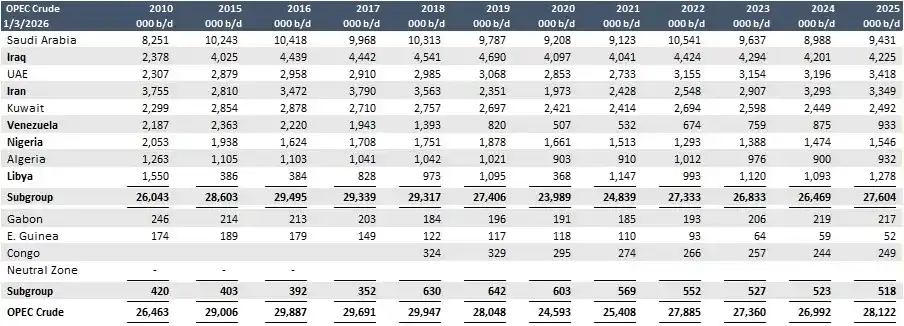
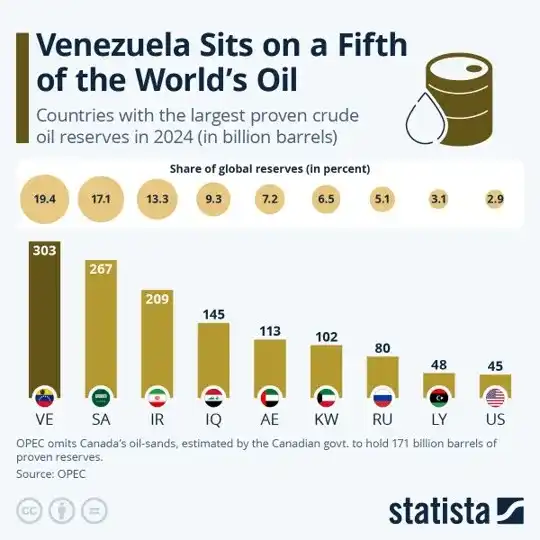
In fact, Venezuela has the largest oil reserves in the world, and the quality of its conventional oil is on par with Saudi Arabia's. In other words, it has the potential to significantly impact global oil prices, just like Saudi Arabia. Generally speaking, lower oil prices (which is what Trump desires) are often considered a blessing for peace and prosperity.

Before diving into geological conditions and oil production, let's return to basic principles. In my humble opinion (I am Swiss, not a U.S. voter), Trump's view that "U.S. oil assets should be returned to their legitimate American owners" is correct. This is clearly his stance. So yes, this intervention is not just about drugs; it's also closely tied to oil, and I fully support this position.

As a resource investor, I am tired of seeing dictators and regimes around the world seize Western assets without fair compensation, while Western leaders either turn a blind eye or hide behind procedures and polite statements.

We should not reward corrupt leaders, now or in the future. We should firmly uphold the rule of law when Western corporate interests are violated. Even if you disagree with me (which is perfectly fine), as a resource investor, you should be relieved because Trump may have, to some extent, reduced the above-ground risks for all commodities in emerging markets, at least in the short term.

In any case, Venezuela has the largest oil reserves in the world, much of which originally belonged to Western companies that discovered and developed these reserves. These companies not only developed part of the resources but also paid the required taxes to the host country.

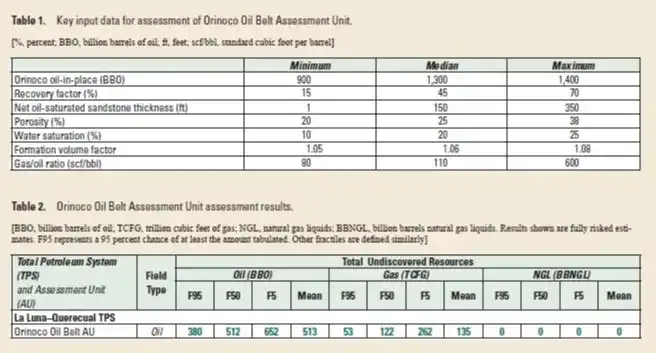
The Orinoco Belt alone represents the largest accumulation of oil on Earth, with an average estimated technically recoverable heavy oil volume of about 513 billion barrels. In terms of reserves, i.e., the portion proven economically recoverable, Venezuela accounts for about 20% of the world's known reserves.

However, in a market with a total daily oil demand of about 85 million barrels (note: this excludes the total liquid fuel production of about 103 million barrels per day), Venezuela's oil production accounts for only 1%.

Ladies and gentlemen, this is the consequence of socialism and corruption.

Under Maduro's rule, people have even died on the streets from hunger for years. The next time someone tries to sell us the "warmth of collectivism," remember this.

It's worth noting that OPEC's oil reserve data is often inflated because these figures determine their production quotas. This is why every seasoned geologist will tell you that, for example, Kuwait's heavy oil reserve data is overstated.

However, if you carefully study the U.S. Geological Survey (USGS) reports, you'll find that Venezuela's heavy oil resources are unlikely to be overestimated.

Even if the medium viscosity of the Orinoco Belt halves the ultimately recoverable amount, other resources are highly likely to be discovered elsewhere, including offshore Venezuela (such as neighboring Guyana).

So, no matter how you look at it, this is a huge "cake," and in the long run, it has the potential for significant production growth.
If the U.S. oil industry and the global oil services sector are allowed to develop this "treasure," Venezuela will surpass Saudi Arabia's production within the next decade.

Mark my words, I'm telling you now.

The conventionality and richness of these oil fields are so high that once the advanced technology of today's oil industry is fully applied to these reserves, their potential will be immeasurable.

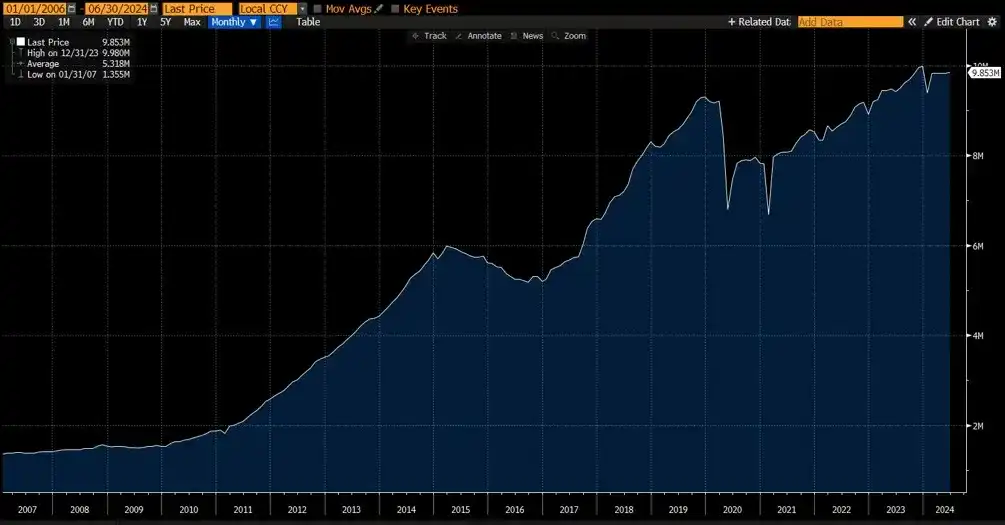
American entrepreneurship has already squeezed 9.8 million barrels of oil per day from hard shale.

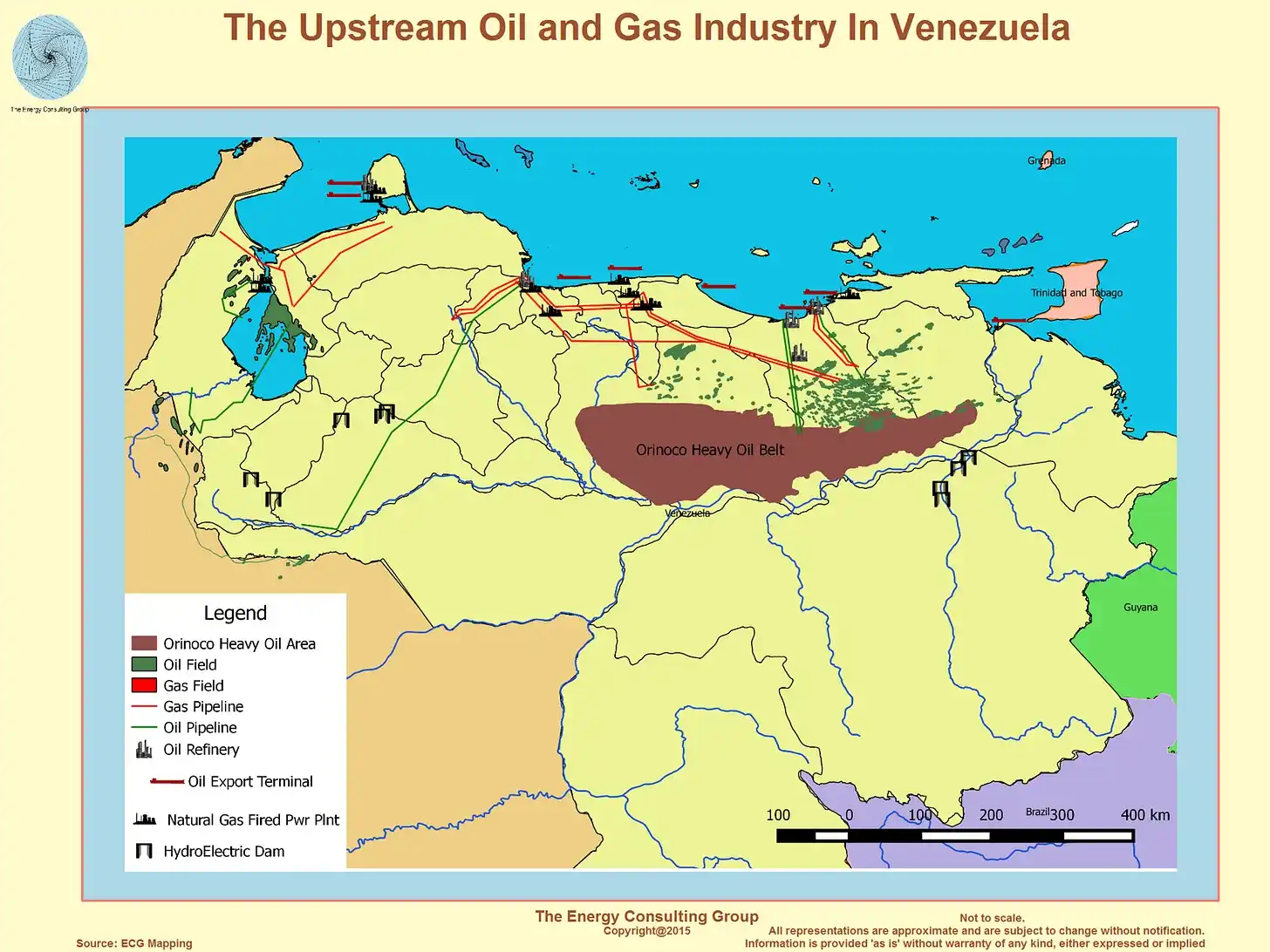
Venezuela's oil resources are like a Texas-sized swimming pool filled with oil, just waiting to be extracted, pipelined, and utilized. This is the last frontier of oil wealth.
Growth in oil production will be a blessing for all aspects: massive tax revenues, high-paying jobs, and an explosive growth in related service industries—from oil services to construction, from leisure and entertainment to hospitality, a complete ecosystem will form.

Imagine the prosperity of Texas, but on a larger scale.

The left may describe it as "colonialism." But as Texas and Norway have shown, this is called capitalism.

Capitalism works well in environments with sound institutions, but it struggles in emerging markets lacking effective governance.

This is a fact, and you can quote me anytime, anywhere.
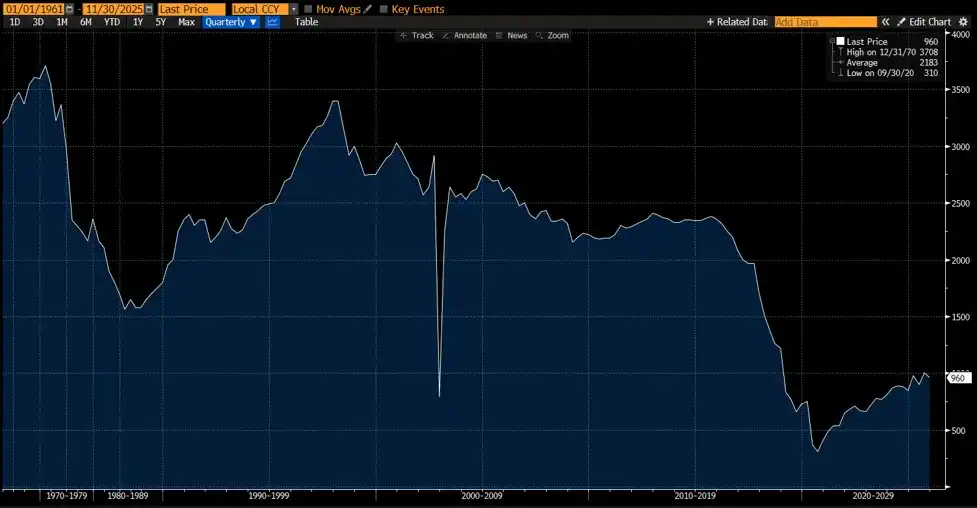
Under the right conditions, Venezuela's oil production can increase rapidly, and even a "modest" increase will have a huge impact in a commodity market where marginal prices are determined.

Currently, Venezuela's oil production is about 900,000 barrels per day. If property rights and the rules of the game are fixed, raising production to 1.5 million barrels per day within 18 months is a realistic initial goal. This growth will be led by international oil majors with the most experience, strongest financial resources, and largest outstanding claims, including Chevron, ConocoPhillips, ExxonMobil, and possibly Shell and Italy's ENI.

These companies have suffered losses in the past and still have significant unpaid amounts to recover. Reportedly, ConocoPhillips alone has over $10 billion in outstanding claims. However, it's important to note that, apart from Chevron, these oil giants are unlikely to actively participate until political stability is achieved, the actual rulers of the country are clear, and a solid, unalterable legal framework is established.

If bottlenecks in infrastructure such as pipelines, electricity, upgrading, and ports are resolved, a return to 3.5 million barrels per day is achievable. But note that big numbers can be misleading. Assuming it takes $60 billion to restore pipeline, power, and export infrastructure to normal, that may sound like a huge amount, but consider that in 2010 alone, the U.S. shale oil industry invested more than that in drilling.

The capital exists, the capability exists, and the key determinant of speed is the legal framework.

Without a stable legal environment, not much will change.

If the rules are changed after Trump, or if Venezuela simply goes from one corrupt mess to another, production will at best remain between 1.5 million and 3 million barrels per day. This is the worst-case scenario. However, if the rule of law is truly implemented, reaching 10 million barrels per day within the next decade is not a fantasy. It's simply the natural outcome of world-class resources being developed by a world-class industry.

The key point is: Even without achieving the best-case scenario, simply making Venezuela a stable producer of 5 million barrels per day (similar to Canada today) and maintaining that level for decades to come would at least offset the production decline from maturing U.S. shale fields. In a market where marginal barrels determine prices, this would be a huge impact.

In fact, you don't even need to wait for Venezuela's oil production to reach 5 million barrels per day. Just the increase from the current 900,000 barrels to 1.5 million barrels next year, this trend alone is enough to impact Brent crude prices, as the market is already in a "surplus state" for 2026 and 2027.

Yes, physical commodities are priced based on current demand, not future expectations. But in the oil market, the number of "paper barrels" traded far exceeds the physical volume of the actual market, and market expectations often drive price fluctuations before the physical oil arrives.

Recall the fourth quarter of 2018, when Trump single-handedly pulled Brent crude from $90 to $55 per barrel just with changes in Iran sanction waivers and tone, without almost any actual supply changes.

In any case, long-term low oil prices are a blessing for all humanity.

I want to further explain my views and preemptively respond to critics who might question my predictions. After all, consulting firms like Energy Aspects always try to make things sound more complicated.

First, without being modest, I have invested directly or indirectly in the oil industry for twenty years. I have been to more remote oil fields than many industry "keyboard experts." I have experienced success and failure with my own money, not someone else's.

I have spent hundreds of hours analyzing this market from scratch, from single wells to countries to every barrel of oil globally. I have used almost all serious data tools, from Kpler to OilX, Kayrros, JODI, and services from major institutions. At one point, I really felt I could almost track the flow of every barrel of oil in real time. So trust me, when I simplify the analysis here, I have a basis for it.

Second, of course, I cannot accurately predict future production; it's not a physics problem. It is path-dependent, meaning it entirely depends on what happens next. If Trump doesn't follow through on his plans, if property rights issues aren't resolved, if Venezuela just goes from one corrupt mess to another after Maduro's downfall, then nothing will change, or there will only be marginal changes.

But if Trump gets it right even halfway, believe me, Venezuela's prospects will exceed expectations. These wells will be "monsters," and the industry will be able to develop these resources at record speed, provided political interference is kept out.

However, these key conditions must be established first. The starting point for driving oil production growth lies in property rights protection, the rule of law, and a free market economy. Without these foundations, even with abundant oil reserves, significant growth is difficult to achieve. Maybe by the end of 2027, production could reach 1.5 million barrels per day? Who knows.

Third, and this is something most people overlook, Venezuela is not starting from zero. It is known in the industry as a "brownfield," meaning its oil fields already have some development foundation. Currently, Chevron is already producing about 300,000 barrels of oil per day in Venezuela. They received permission during the Biden administration, and Chevron's history in Venezuela dates back nearly 100 years.

This means Chevron has decades of geological data, production history, and operational experience. ConocoPhillips and ExxonMobil left in 2007, when then-President Hugo Chávez forcibly renegotiated contracts with all oil majors, including European companies.

Thus, these oil giants already know where the oil fields are, what technologies work, which equipment is prone to failure, and how to scale up production. They likely have more detailed data than Venezuela's state oil company, PDVSA. This provides a huge first-mover advantage for any revival plan.

Because of this, Venezuela's situation is not like that after the Soviet Union's collapse. Back then, Western companies were blocked for political reasons and had to learn everything from scratch. The oil industry is not just about pipelines and pumps; it involves logistics, engineering, process management, and massive amounts of data. Once this knowledge is mastered and the rules of the game are clear, capital and capability will naturally follow.

Of course, there are still many uncertainties. But even a medium outcome, such as production of 4 to 5 million barrels per day, would structurally change the global supply and demand balance for liquid energy. Believe me, it would be a brutal shock, as Venezuela would produce some of the cheapest oil in the world. This change would be profound. We can only hope it materializes.

For those skeptical about significant oil production growth in Venezuela, I want to offer another perspective. The United States once accomplished a feat that seemed equally absurd. U.S. shale oil production grew from 1.8 million barrels per day in 2010 to 9.8 million barrels per day by the end of 2025. In other words, American entrepreneurship squeezed out a "Saudi Arabia"-sized oil production from rock. If you add production from Alaska and the Gulf of Mexico, the U.S. total oil production is now about 13.8 million barrels per day, a whole new level higher than what most people thought possible 15 years ago.
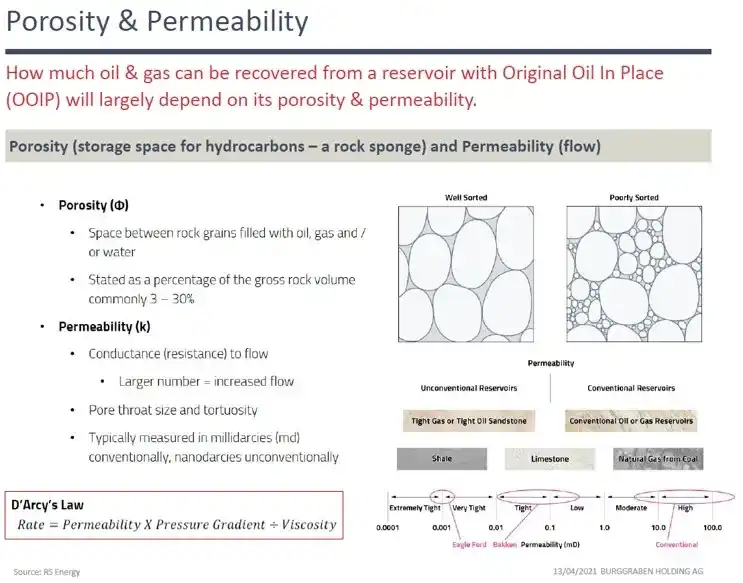
So, the question is: Why is shale oil extraction so complex? Compared to conventional onshore oil fields, shale oil extraction is exceptionally difficult. In conventional fields, oil is usually stored in "natural tanks" made of limestone or sandstone, and the oil and gas flow naturally. Shale oil, however, is trapped in dense source rock with extremely low porosity and permeability, meaning the oil almost cannot flow on its own.

In shale fields, you can't simply "drill a well" and let it produce naturally. Instead, you need to "assault" the rock with horizontal drilling, multi-stage fracking technology, and massive amounts of equipment, personnel, water, sand, steel, and capital, just to release a small amount of oil.

Moreover, each shale oil well yields only hundreds of thousands of barrels, unlike conventional fields that can provide millions or even tens of millions of barrels and sustain for years. In contrast, shale oil wells typically peak within months, and then you need to drill the next well.

This phenomenon is known in the industry as the "Drilling Frenzy."
The shale revolution is one of the greatest industrial achievements of our time. It's not just a geology story; it's the result of incentives, property rights, technology, logistics, and capital markets all working together.

Now compare this achievement to Venezuela, especially the Orinoco Belt. Whatever you think about heavy oil, yes, it faces upgrading and processing challenges, but from the pure perspective of "can we get the oil molecules out of the ground," compared to shale, extracting heavy oil from the Orinoco is much easier.

A quick look at the chart above gives you a numerical comparison. Shale permeability typically ranges from 0.001 to 0.1 millidarcies, while the permeability of heavy oil reservoirs in Venezuela's Orinoco Belt is usually between 1,000 and 13,000+ millidarcies. This is not a simple rounding error; it's a difference of several orders of magnitude.

The same goes for porosity. The best Permian shale typically has a porosity of 4% to 8%, while Orinoco heavy oil sands have a porosity between 20% and 38%. So, ask yourself a simple question: If politics were taken out of the equation, which resource would you rather drill and produce? Which one do you think has a lower full-cycle breakeven cost?
Yes, the rapid development of U.S. shale oil was fueled by three strong tailwinds.

First, property rights. In places like Texas, landowners typically own the mineral rights under their land, which directly incentivizes them to develop these resources.

Second, the oil services ecosystem. Texas has a large and decentralized oil services industry that can mobilize quickly and compete effectively.

Third, financing capability. The U.S. has the deepest debt and equity markets in the world, and shale oil was funded on a massive scale even when it seemed impractical to outsiders. Combine these factors, and you get the rapid rise of the shale oil industry.

But the key point is: Even with these tailwinds, shale oil is a technical nightmare compared to the traditional onshore resources of the Orinoco Belt. If American capitalism could create a "Saudi Arabia" from tight rock in 15 years, then once Venezuela establishes effective property rights and basic rule of law, the global oil and gas industry will flock to the Orinoco Belt as what it should be—the world's last great frontier of oil wealth. Because it truly is.

Will Trump accept the political risk of nation-building in this situation?

The answer is yes. This is actually his explicitly stated goal, expressed in the most straightforward way a president can. You can listen to him yourself.

The Trump administration will not leave easily. They want to reclaim oil assets, rebuild the oil industry, and hope to compensate for past expropriations and losses. This is their strategy, clear and simple.

My view? Be very bearish on oil prices. Trump's statements are significant. From my perspective in the oil industry, this is a game-changer. Of course, it won't happen overnight, but it will change step by step, every day. You've been warned.

Furthermore, I don't think this administration faces the risks typically described by critics. This is not fighting a hostile insurgency in Afghanistan, nor is it trying to transplant Western institutions in an Islamic political order like Iran or Afghanistan, where there is inherent hostility to Western values.

This is Venezuela. It is culturally Western, overwhelmingly Christian, and before it was systematically destroyed by socialists Hugo Chávez and Nicolás Maduro, it was a successful beacon. This country can be fixed.

Now let's zoom out. This is not just a story about Venezuela; it's a story about global oil prices, and thus a geopolitical story. Venezuela has the potential to structurally bring about long-term low oil prices, or at least maintain current low prices (all else being equal). If this materializes, it will cut off the "financial oxygen" funding the war in Ukraine, weaken the Kremlin's grip, and significantly reduce the geopolitical influence of certain major powers.

And before that happens, another chain reaction might begin, such as the potential collapse of hardline regimes in other countries that also have vast untapped oil reserves waiting for the "invisible hand" of the rule of law to release them.

All of this would break the funding chains of terrorism sponsors, whether in Qatar or elsewhere. And all of this, ladies and gentlemen, is a blessing for peace and humanity.
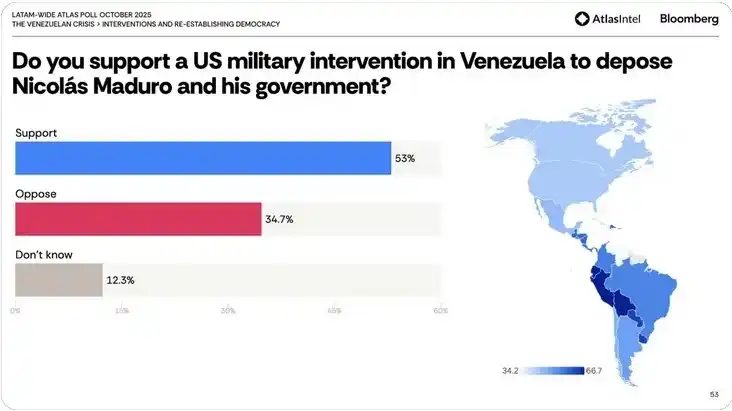
In the coming weeks, you won't hear these points from the so-called progressive left "do-gooder" Marxist worshippers. But the fact is, low oil prices are one of the greatest drivers of peace and prosperity. Yet, few truly realize this.

Instead, the left will raise all sorts of objections, no matter how absurd, until they inevitably end up siding with murderers and dictators. Sadly, this is the rule of the game in today's traditional media, which is completely partisan.
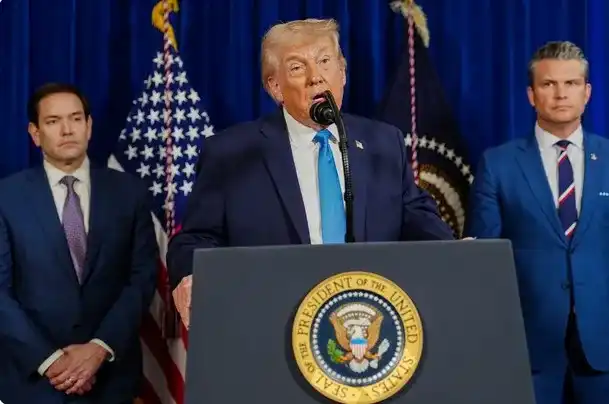
January 3, 2026, President Trump held a press conference on Venezuela. Of course, the situation in Venezuela is far from over, and the final outcome is not yet settled. But if good luck, sustained courage, and the right decisions continue to accompany Trump, he might truly deserve a Nobel Prize. From my perspective, he is currently moving in the right direction.

So, credit where credit is due. We should praise or criticize each action based on its actual performance, not on partisan lines. President Trump and his team, well done.

Please don't try to criticize this precise and highly successful military operation for even a second. Salute it, as I have.

Best regards,

Alexander

Trend Kriptolar

İlgili Sorular

QWhy is the arrest of Nicolás Maduro potentially bad news for those who are long on oil?

ABecause it could lead to a restoration of Venezuela's oil production under a stable legal framework, significantly increasing global supply and driving down oil prices, which would negatively impact long positions.

QWhat is the potential impact on global oil prices if Venezuela's oil production is significantly increased?

AA substantial increase in Venezuela's oil production, even a modest rise from 0.9 to 1.5 million barrels per day, could structurally alter the global supply-demand balance, leading to lower oil prices due to the market being marginal-price determined.

QWhat are the key factors that have prevented Venezuela from realizing its full oil production potential according to the article?

AThe key factors are the 'resource curse,' systemic corruption, collectivist/socialist policies, and the lack of a stable legal framework, property rights, and the rule of law, which have deterred necessary foreign investment and expertise.

QHow does the author compare the technical challenge of developing Venezuela's Orinoco Belt to US shale oil production?

AThe author argues that developing the Orinoco Belt's conventional heavy oil is technically far easier than US shale production, citing orders of magnitude higher permeability and porosity, suggesting much lower breakeven costs if political risks are removed.

QWhat broader geopolitical consequences does the author suggest could result from a successful revival of Venezuela's oil industry?

AThe author suggests that long-term low oil prices could cut off financial oxygen for the war in Ukraine, weaken the Kremlin's grip, reduce the geopolitical influence of certain major powers, and disrupt funding for terrorism sponsors.

İlgili Okumalar

Two Legends Lost in Three Days: Is Google's AI Talent Dam Cracking?

In three days, Google lost two AI legends. On June 18, Noam Shazeer, co-author of the seminal "Attention is All You Need" paper and Gemini co-lead, left for OpenAI. Just 48 hours later, John Jumper, 2024 Nobel laureate and AlphaFold lead, departed DeepMind for Anthropic. This follows Andrej Karpathy joining Anthropic in May. These moves highlight a structural trend: top AI talent is concentrating at mission-driven, pre-IPO firms like OpenAI and Anthropic, while Google becomes a primary source. The exodus stems from a core mission mismatch. Google's ad-centric model often subordinates AI research to product and revenue goals, creating friction for pioneers like Shazeer, who returned in 2024 only to leave again. In contrast, OpenAI and Anthropic offer singular focus on pushing AI boundaries, whether towards AGI or safety-aligned models, which deeply appeals to top researchers like Jumper. Financial incentives amplify the pull. With both OpenAI and Anthropic nearing IPO, employees stand to gain immensely from equity, an upside Google's mature stock cannot match. Furthermore, the 2023 merger of Google Brain and DeepMind, intended to consolidate strength, has instead created cultural tension and slowed the path from research to product, as evidenced by Gemini's pace. This talent redistribution is reshaping the AI landscape. While Google retains vast data and compute resources, its true crisis is the quiet, continuous loss of the people who define the field's future. The real moat in AI is not infrastructure, but the concentration of brilliant minds—a battle Google is currently losing.

marsbit52 dk önce

Two Legends Lost in Three Days: Is Google's AI Talent Dam Cracking?

marsbit52 dk önce

Behind the AI Report Card, Lies a Chinese 'Exam Setter'

Beyond the familiar performance charts like MMLU-Pro and MMMU, which major AI models strive to ace, stands a key "examiner": Chinese-Canadian researcher Wenhu Chen. An assistant professor at the University of Waterloo and founder of TIGERLab, Chen addresses the crucial need for more rigorous AI evaluation. As models like GPT-4 began scoring near-perfect results on older benchmarks like MMLU, it became difficult to distinguish their true capabilities. In response, Chen introduced MMLU-Pro in 2024, featuring harder, more reasoning-focused questions with more answer choices, successfully reintroducing meaningful performance gaps. His work extends to multi-modal evaluation with MMMU and its enhanced version, MMMU-Pro. These benchmarks test a model's ability to understand and reason with complex information from images, charts, and text across diverse academic subjects, exposing the significant challenges even top models face in genuine comprehension. Chen's background in complex QA, table reasoning, and his experience at Google DeepMind on projects like Gemini inform his approach. He understands that effective benchmarks must anticipate how models might "cheat" by memorizing data or avoiding visual analysis. His lab also actively researches video understanding and generation models (e.g., UniVideo, Vamba), ensuring his evaluation work is grounded in practical model-building challenges. Now at Meta's Super Intelligence Lab, Chen continues his focus on multi-modal data and evaluation, representing the deep yet often unseen contributions of Chinese talent in shaping the fundamental tools of the AI industry.

marsbit1 saat önce

Behind the AI Report Card, Lies a Chinese 'Exam Setter'

marsbit1 saat önce

Alliance Co-founder's Letter to Entrepreneurs: Written at the Moment Cursor Sold for $600 Billion

Alliance Co-founder's Letter to Entrepreneurs: On Cursor's $60 Billion Sale Many aspiring founders see massive exits like Cursor's $60B sale and wonder why they can't achieve the same, often concluding opportunities are exhausted. But great companies aren't built in obvious, crowded spaces. Cursor, like Stripe, Figma, and Shopify before it, started with a non-consensus belief about the future. Before ChatGPT, they believed AI would transform knowledge work. They focused on a genuinely exciting domain, became their own customer, and obsessed over power users. Their journey involved years of "glass-chewing" effort before the market was ready. The pattern is consistent: identify a long-term technological shift, find a missed entry point, and execute for years before the trend becomes obvious. First-generation products (PayPal, Adobe, Amazon) prove a market exists. Second-generation winners (Stripe, Figma, Shopify) rebuild that market around new insights, technology, or changing customer behaviors. Founders must identify their phase in the cycle. Early entrants like Coinbase or Cursor focus on making new technology usable for power users. Later entrants find the "yin" to the established "yang"—the blind spots incumbents miss as they grow distant from individual users. The key is deep market immersion. Use every product in your space. Talk to users. Build an audience. Stop looking for ideas and start *seeing* them everywhere. Then, choose one. The idea must offer a 10x improvement or solve a "hair-on-fire" pain point—something severe enough that users are already crafting workarounds. When building, avoid feature bloat. Ask: why would someone switch? Great startups rarely force new behaviors; they improve familiar workflows with drastically lower friction (e.g., Cursor forked VS Code instead of creating a new editor). Distribution is the underestimated moat. Before product-market fit, achieve distribution-market fit. How do customers discover new tools? Founders like those at Airbnb, Stripe, and Cursor did unscalable, manual work to recruit early users. The final, unteachable ingredient is resilience. Cursor built for years pre-market, faced rejection, and persisted. So did Airbnb, Nvidia, and Rain (which launched post-FTX collapse). The lesson isn't that these founders were smarter, but that they stayed in the game long enough for their insights to compound. Framework: Spot technological cycles. Cultivate unique insight. Obsess over your market. Talk to customers. Find a hair-on-fire problem. Build the simplest wedge. Win your distribution channel. Above all, don't quit when it gets hard. Most people won't do these things consistently. The few who do build the next generation of great companies. Go build.

marsbit1 saat önce

Alliance Co-founder's Letter to Entrepreneurs: Written at the Moment Cursor Sold for $600 Billion

marsbit1 saat önce

Weekly Editor's Picks (0613-0619)

Weekly Editor's Picks (0613-0619): Market Insights & Analysis This weekly digest curates in-depth analysis often lost in the information flow, focusing on key insights across macro trends, investment, and technology. **Macro & Geopolitics:** With the Strait of Hormuz reopening and military conflict shifting to negotiation, markets are pivoting from "war shock" to "supply restoration." Trades include shorting crude risk premiums, longing airlines/tourism, Asian energy importers, and bond duration, while shorting inflation expectations. LNG, fertilizer, and chemical chains are also being repriced. **Investment & VC:** Ray Dalio advises against betting on concentrated AI giants dominating indices, advocating for diversified portfolios of high-quality, low-correlation assets instead. Analysis covers the 4-year crypto cycle, predicting the core surviving product by 2029 will be asset trading markets. Current BTC metrics suggest a potential bottoming zone, presenting a patient accumulation window. SpaceX's high-profile IPO at a $2.1T valuation faces scrutiny over fundamentals, with key watchpoints being its likely inclusion in the Nasdaq index and Q2 earnings. Concerns are raised about potential "gamma squeeze" and systemic risks if its narrative-driven valuation gets amplified by passive index funds. Robinhood (HOOD) is noted for breaking its high correlation with crypto, bolstered by its stock trading and new underwriting business. **Web3 & AI:** A warning highlights ~$1.8T in off-balance-sheet AI infrastructure commitments (purchase commitments, leases) as a potential systemic risk if AI monetization lags. AI models are being used for World Cup predictions, adding a new layer for betting markets. A cost breakdown of a $20 AI subscription reveals the supply chain from model companies to cloud, GPUs, and power. **Prediction Markets:** The emergence of prediction market "concept stocks" is noted, with Robinhood developing its own platform, Rothera, signaling a shift from market competition to a "channel war" for user access. **CeFi & DeFi:** The SpaceX IPO tested perpetual contract mechanisms for pre-IPO assets, highlighting challenges in handling corporate actions like stock splits on-chain. The de-pegging of STRC (Strategy's preferred share) to ~$89 reflects market concerns over MicroStrategy's capital structure and BTC-backed leverage model. BlackRock's covered-call Bitcoin ETF (BITA) offers yield but caps upside, appealing to yield-seeking institutions. **Ethereum:** An opinion piece argues Ethereum's core strength is its vast developer community and composability, solidifying its role as the default operating system for the financial internet. **Weekly Hot Topics:** Include the US-Iran deal reopening the Strait of Hormuz, Fed's hawkish hold, Anthropic restricting model access, SpaceX acquiring Cursor, and a humorous stock surge for "Liuliumei" due to its "LLM" ticker.

marsbit1 saat önce

Weekly Editor's Picks (0613-0619)

marsbit1 saat önce

Alliance's Co-Founder's Letter to Entrepreneurs: Written on the Occasion of Cursor's $60 Billion Sale

In this letter to entrepreneurs, Alliance reflects on the success of Cursor's $60 billion sale to Elon Musk, using it as a case study to counter the misconception that opportunities in crowded fields like AI or crypto are exhausted. The piece argues that great companies like Cursor, Stripe, Figma, and Shopify are not built by geniuses with perfect ideas, but by founders who start with a non-consensus belief about the future and build for years before that future becomes obvious to everyone. They identify long-term shifts, find overlooked entry points, and execute relentlessly. The framework for success involves: 1. **Identifying your place in the technology cycle**: Early-stage opportunities focus on making new tech usable for power users (e.g., Coinbase, Cursor). Later-stage opportunities involve finding the "yin" to an existing "yang"—the blind spots of first-generation players (e.g., Stripe vs. PayPal, Figma vs. Adobe). 2. **Cultivating unique insights**: Immerse yourself deeply in the market. Use every product, talk to users, and build an audience. Insights will emerge naturally from deep engagement. 3. **Finding a "hair-on-fire" problem**: Look for a 10x improvement or a severe, urgent pain point. The strongest signal is people already building clumsy workarounds. 4. **Building a focused MVP**: Don't just add features because you can. Ask why users would abandon their current tool for yours. The best startups rarely force new behaviors; they improve familiar workflows with drastically lower friction. 5. **Winning a distribution channel**: Distribution is often the moat. Before product-market fit, achieve channel-market fit. Find where your customers are and build an engine to reach them, even through unscalable, manual efforts initially. 6. **Persistence**: The final, unteachable ingredient is resilience. Success stories like Cursor, Airbnb, and Nvidia involved years of grinding, rejection, and perseverance when the path forward seemed unclear. The conclusion is that there is no secret. Most people fail to consistently execute these steps over the long term. The few who do build the companies that define the next era. The world is yours to create.

链捕手1 saat önce

Alliance's Co-Founder's Letter to Entrepreneurs: Written on the Occasion of Cursor's $60 Billion Sale

链捕手1 saat önce

İşlemler

Spot
Futures

Popüler Makaleler

$S$ Nedir

SPERO'yu Anlamak: Kapsamlı Bir Genel Bakış SPERO'ya Giriş İnovasyonun manzarası gelişmeye devam ederken, web3 teknolojilerinin ve kripto para projelerinin ortaya çıkışı dijital geleceği şekillendirmede önemli bir rol oynamaktadır. Bu dinamik alanda dikkat çeken projelerden biri SPERO, $$s$$ olarak adlandırılmaktadır. Bu makale, SPERO hakkında ayrıntılı bilgi toplamak ve sunmak amacıyla, meraklılar ve yatırımcıların web3 ve kripto alanlarındaki temellerini, hedeflerini ve yeniliklerini anlamalarına yardımcı olmayı amaçlamaktadır. SPERO,$$s$$ Nedir? SPERO,$$s$$, kripto alanında merkeziyetsizlik ve blok zinciri teknolojisi ilkelerini kullanarak etkileşimi, faydayı ve finansal kapsayıcılığı teşvik eden bir ekosistem yaratmayı amaçlayan benzersiz bir projedir. Proje, kullanıcıların yenilikçi finansal çözümler ve hizmetler sunarak eşler arası etkileşimleri yeni yollarla kolaylaştırmayı hedeflemektedir. SPERO,$$s$$'nin temel amacı, bireyleri güçlendirmek ve kripto para alanındaki kullanıcı deneyimini artıran araçlar ve platformlar sağlamaktır. Bu, daha esnek işlem yöntemlerini mümkün kılmayı, topluluk odaklı girişimleri teşvik etmeyi ve merkeziyetsiz uygulamalar (dApp'ler) aracılığıyla finansal fırsatlar yaratmayı içermektedir. SPERO,$$s$$'nin temel vizyonu kapsayıcılık etrafında dönmekte olup, geleneksel finansal sistemlerdeki boşlukları kapatmayı ve blok zinciri teknolojisinin faydalarından yararlanmayı hedeflemektedir. SPERO,$$s$$'nin Yaratıcısı Kimdir? SPERO,$$s$$'nin yaratıcısının kimliği bir miktar belirsizdir, çünkü kurucusu(ları) hakkında ayrıntılı arka plan bilgisi sağlayan sınırlı kamuya açık kaynaklar bulunmaktadır. Bu şeffaflık eksikliği, projenin merkeziyetsizlik taahhüdünden kaynaklanabilir—birçok web3 projesinin paylaştığı bir etik anlayışı, bireysel tanınmanın yerine kolektif katkıları önceliklendirmektedir. Topluluk ve onun kolektif hedefleri etrafında tartışmaları merkezileştirerek, SPERO,$$s$$, belirli bireyleri öne çıkarmadan güçlendirme özünü taşımaktadır. Bu nedenle, SPERO'nun etik anlayışını ve misyonunu anlamak, tek bir yaratıcının kimliğini belirlemekten daha önemlidir. SPERO,$$s$$'nin Yatırımcıları Kimlerdir? SPERO,$$s$$, kripto sektöründe yeniliği teşvik etmeye adanmış girişim sermayedarlarından melek yatırımcılara kadar çeşitli yatırımcılar tarafından desteklenmektedir. Bu yatırımcıların odak noktası genellikle SPERO'nun misyonuyla uyumlu olup, toplumsal teknolojik ilerlemeyi, finansal kapsayıcılığı ve merkeziyetsiz yönetimi vaat eden projeleri önceliklendirmektedir. Bu yatırımcı temelleri, yalnızca yenilikçi ürünler sunan projelere değil, aynı zamanda blok zinciri topluluğuna ve ekosistemlerine olumlu katkılarda bulunan projelere de ilgi duymaktadır. Bu yatırımcıların desteği, SPERO,$$s$$'yi hızla gelişen kripto projeleri alanında dikkate değer bir rakip haline getirmektedir. SPERO,$$s$$ Nasıl Çalışır? SPERO,$$s$$, onu geleneksel kripto para projelerinden ayıran çok yönlü bir çerçeve kullanmaktadır. İşte benzersizliğini ve yeniliğini vurgulayan bazı temel özellikler: Merkeziyetsiz Yönetim: SPERO,$$s$$, kullanıcıların projenin geleceğiyle ilgili karar alma süreçlerine aktif olarak katılmalarını sağlayan merkeziyetsiz yönetim modellerini entegre etmektedir. Bu yaklaşım, topluluk üyeleri arasında sahiplik ve hesap verebilirlik duygusunu teşvik etmektedir. Token Kullanımı: SPERO,$$s$$, ekosistem içinde çeşitli işlevler sunmak üzere tasarlanmış kendi kripto para token'ını kullanmaktadır. Bu token'lar, işlemleri, ödülleri ve platformda sunulan hizmetlerin kolaylaştırılmasını sağlayarak genel etkileşimi ve faydayı artırmaktadır. Katmanlı Mimari: SPERO,$$s$$'nin teknik mimarisi, modülerlik ve ölçeklenebilirliği destekleyerek projenin evrimi sırasında ek özelliklerin ve uygulamaların sorunsuz bir şekilde entegrasyonuna olanak tanımaktadır. Bu uyum sağlama yeteneği, sürekli değişen kripto manzarasında geçerliliği sürdürmek için hayati öneme sahiptir. Topluluk Katılımı: Proje, işbirliği ve geri bildirim teşvik eden mekanizmalar kullanarak topluluk odaklı girişimlere vurgu yapmaktadır. Güçlü bir topluluk oluşturarak, SPERO,$$s$$, kullanıcı ihtiyaçlarını daha iyi karşılayabilir ve piyasa trendlerine uyum sağlayabilir. Kapsayıcılığa Odaklanma: Düşük işlem ücretleri ve kullanıcı dostu arayüzler sunarak, SPERO,$$s$$, daha önce kripto alanında yer almamış bireyler de dahil olmak üzere çeşitli bir kullanıcı tabanını çekmeyi hedeflemektedir. Bu kapsayıcılık taahhüdü, erişilebilirlik yoluyla güçlendirme misyonuyla uyumludur. SPERO,$$s$$ Zaman Çizelgesi Bir projenin tarihini anlamak, gelişim yolculuğu ve kilometre taşları hakkında kritik bilgiler sağlar. Aşağıda, SPERO,$$s$$'nin evriminde önemli olayları haritalayan önerilen bir zaman çizelgesi bulunmaktadır: Kavram Geliştirme ve Fikir Aşaması: SPERO,$$s$$'nin temelini oluşturan ilk fikirler, blok zinciri endüstrisindeki merkeziyetsizlik ve topluluk odaklılık ilkeleriyle yakından uyumlu olarak geliştirildi. Proje Beyaz Kağıdının Yayınlanması: Kavramsal aşamayı takiben, SPERO,$$s$$'nin vizyonunu, hedeflerini ve teknolojik altyapısını ayrıntılı bir şekilde açıklayan kapsamlı bir beyaz kağıt yayımlandı ve topluluk ilgisini ve geri bildirimini toplamak amacıyla sunuldu. Topluluk Oluşturma ve Erken Katılımlar: Projenin hedefleri etrafında tartışmalar yürüterek destek toplamak ve erken benimseyenler ile potansiyel yatırımcılar için bir topluluk oluşturmak amacıyla aktif iletişim çabaları gerçekleştirildi. Token Üretim Etkinliği: SPERO,$$s$$, yerel token'larını erken destekçilere dağıtmak ve ekosistem içinde başlangıç likiditesini sağlamak amacıyla bir token üretim etkinliği (TGE) gerçekleştirdi. İlk dApp'in Yayınlanması: SPERO,$$s$$ ile ilişkili ilk merkeziyetsiz uygulama (dApp) faaliyete geçti ve kullanıcıların platformun temel işlevleriyle etkileşimde bulunmalarını sağladı. Sürekli Gelişim ve Ortaklıklar: Projenin tekliflerine sürekli güncellemeler ve iyileştirmeler yapılmakta olup, blok zinciri alanındaki diğer oyuncularla stratejik ortaklıklar, SPERO,$$s$$'yi rekabetçi ve gelişen bir oyuncu haline getirmiştir. Sonuç SPERO,$$s$$, web3 ve kripto paranın finansal sistemleri devrim niteliğinde dönüştürme ve bireyleri güçlendirme potansiyelinin bir kanıtıdır. Merkeziyetsiz yönetime, topluluk katılımına ve yenilikçi tasarlanmış işlevselliğe olan bağlılığıyla, daha kapsayıcı bir finansal manzaraya doğru bir yol açmaktadır. Hızla gelişen kripto alanındaki herhangi bir yatırımda olduğu gibi, potansiyel yatırımcılar ve kullanıcılar, SPERO,$$s$$ içindeki devam eden gelişmelerle ilgili olarak kapsamlı bir araştırma yapmaları ve düşünceli bir şekilde katılmaları teşvik edilmektedir. Proje, kripto endüstrisinin yenilikçi ruhunu sergileyerek, sayısız olasılığını keşfetmeye davet etmektedir. SPERO,$$s$$'nin yolculuğu hala devam ederken, temel ilkeleri, teknoloji, finans ve birbirimizle etkileşim biçimimizi etkileyebilir.

96 Toplam GörüntülenmeYayınlanma 2024.12.17Güncellenme 2024.12.17

$S$ Nedir

AGENT S Nedir

Agent S: Web3'te Otonom Etkileşimin Geleceği Giriş Web3 ve kripto para dünyasında sürekli gelişen manzarada, yenilikler bireylerin dijital platformlarla etkileşim biçimlerini sürekli olarak yeniden tanımlıyor. Bu tür öncü projelerden biri olan Agent S, açık ajans çerçevesi aracılığıyla insan-bilgisayar etkileşimini devrim niteliğinde değiştirmeyi vaat ediyor. Otonom etkileşimlerin yolunu açarak, Agent S karmaşık görevleri basitleştirmeyi ve yapay zeka (AI) alanında dönüştürücü uygulamalar sunmayı hedefliyor. Bu detaylı inceleme, projenin karmaşıklıklarına, benzersiz özelliklerine ve kripto para alanındaki etkilerine dalacaktır. Agent S Nedir? Agent S, bilgisayar görevlerinin otomasyonunda üç temel zorluğu ele almak üzere özel olarak tasarlanmış çığır açıcı bir açık ajans çerçevesidir: Alan Spesifik Bilgi Edinimi: Çerçeve, çeşitli dış bilgi kaynaklarından ve iç deneyimlerden akıllıca öğrenir. Bu çift yönlü yaklaşım, alan spesifik bilgi açısından zengin bir veri havuzu oluşturmasını sağlar ve görev yürütmedeki performansını artırır. Uzun Görev Ufukları Üzerinde Planlama: Agent S, karmaşık görevlerin verimli bir şekilde parçalanmasını ve yürütülmesini kolaylaştıran deneyim artırımlı hiyerarşik planlama kullanır. Bu özellik, çoklu alt görevleri etkili ve verimli bir şekilde yönetme yeteneğini önemli ölçüde artırır. Dinamik, Homojen Olmayan Arayüzlerle Başlama: Proje, ajanlar ve kullanıcılar arasındaki etkileşimi geliştiren yenilikçi bir çözüm olan Ajan-Bilgisayar Arayüzü'ni (ACI) tanıtmaktadır. Çok Modlu Büyük Dil Modellerini (MLLM'ler) kullanarak, Agent S çeşitli grafik kullanıcı arayüzlerini sorunsuz bir şekilde gezinebilir ve manipüle edebilir. Bu öncü özellikler aracılığıyla, Agent S, makinelerle insan etkileşimini otomatikleştirmede karşılaşılan karmaşıklıkları ele alan sağlam bir çerçeve sunarak, AI ve ötesinde birçok uygulama için zemin hazırlıyor. Agent S'nin Yaratıcısı Kimdir? Agent S'nin kavramı temelde yenilikçi olsa da, yaratıcısı hakkında spesifik bilgiler belirsizliğini koruyor. Yaratıcı şu anda bilinmiyor, bu da projenin yeni aşamasını veya kurucu üyeleri gizli tutma stratejik tercihini vurguluyor. Anonimlikten bağımsız olarak, odak çerçevenin yetenekleri ve potansiyeli üzerinde kalıyor. Agent S'nin Yatırımcıları Kimlerdir? Agent S, kriptografik ekosistemde oldukça yeni olduğundan, yatırımcıları ve finansal destekçileri hakkında ayrıntılı bilgiler açıkça belgelenmemiştir. Projeyi destekleyen yatırım temelleri veya organizasyonları hakkında kamuya açık bilgilerdeki eksiklik, finansman yapısı ve gelişim yol haritası hakkında sorular doğuruyor. Destekleyicilerin anlaşılması, projenin sürdürülebilirliğini ve potansiyel pazar etkisini değerlendirmek için kritik öneme sahiptir. Agent S Nasıl Çalışır? Agent S'nin temelinde, çeşitli ortamlarda etkili bir şekilde çalışmasını sağlayan son teknoloji bir sistem yatmaktadır. İşleyiş modeli birkaç ana özellik etrafında inşa edilmiştir: İnsan Benzeri Bilgisayar Etkileşimi: Çerçeve, bilgisayarlarla etkileşimleri daha sezgisel hale getirmeyi amaçlayan gelişmiş AI planlaması sunar. Görev yürütmedeki insan davranışını taklit ederek, kullanıcı deneyimlerini yükseltmeyi vaat eder. Anlatı Belleği: Yüksek düzeyde deneyimlerden yararlanmak için kullanılan Agent S, görev geçmişlerini takip etmek amacıyla anlatı belleğini kullanarak karar verme süreçlerini geliştirir. Episodik Bellek: Bu özellik, kullanıcılara adım adım rehberlik sağlayarak, çerçevenin görevler gelişirken bağlamsal destek sunmasına olanak tanır. OpenACI Desteği: Yerel olarak çalışabilme yeteneği ile Agent S, kullanıcıların etkileşimleri ve iş akışları üzerinde kontrol sağlamasına olanak tanır ve Web3'ün merkeziyetsiz felsefesiyle uyumlu hale gelir. Dış API'lerle Kolay Entegrasyon: Çeşitli AI platformlarıyla uyumluluğu ve çok yönlülüğü, Agent S'nin mevcut teknolojik ekosistemlere sorunsuz bir şekilde entegre olmasını sağlar ve geliştiriciler ile organizasyonlar için cazip bir seçenek haline getirir. Bu işlevsellikler, Agent S'nin kripto alanındaki benzersiz konumuna katkıda bulunarak, karmaşık, çok aşamalı görevleri minimum insan müdahalesi ile otomatikleştirir. Proje geliştikçe, Web3'teki potansiyel uygulamaları dijital etkileşimlerin nasıl gelişeceğini yeniden tanımlayabilir. Agent S'nin Zaman Çizelgesi Agent S'nin gelişimi ve kilometre taşları, önemli olaylarını vurgulayan bir zaman çizelgesinde özetlenebilir: 27 Eylül 2024: Agent S'nin kavramı, “Bilgisayarları İnsan Gibi Kullanan Açık Bir Ajans Çerçevesi” başlıklı kapsamlı bir araştırma makalesi ile tanıtıldı ve projenin temelini sergiledi. 10 Ekim 2024: Araştırma makalesi arXiv'de kamuya açık olarak yayınlandı ve çerçevenin derinlemesine bir incelemesini ve OSWorld benchmark'ına dayalı performans değerlendirmesini sundu. 12 Ekim 2024: Agent S'nin yetenekleri ve özellikleri hakkında görsel bir içgörü sağlayan bir video sunumu yayımlandı ve potansiyel kullanıcılar ve yatırımcılarla daha fazla etkileşim sağlandı. Bu zaman çizelgesindeki işaretler, sadece Agent S'nin ilerlemesini değil, aynı zamanda şeffaflık ve topluluk katılımına olan bağlılığını da göstermektedir. Agent S Hakkında Ana Noktalar Agent S çerçevesi gelişmeye devam ederken, birkaç ana özellik öne çıkmakta ve yenilikçi doğasını ve potansiyelini vurgulamaktadır: Yenilikçi Çerçeve: İnsan etkileşimine benzer bir bilgisayar kullanımı sağlamak üzere tasarlanan Agent S, görev otomasyonuna yeni bir yaklaşım getiriyor. Otonom Etkileşim: GUI aracılığıyla bilgisayarlarla otonom olarak etkileşim kurabilme yeteneği, daha akıllı ve verimli hesaplama çözümlerine doğru bir sıçrama anlamına geliyor. Karmaşık Görev Otomasyonu: Sağlam metodolojisi ile karmaşık, çok aşamalı görevleri otomatikleştirerek süreçleri daha hızlı ve daha az hata payı ile gerçekleştirebilir. Sürekli İyileştirme: Öğrenme mekanizmaları, Agent S'nin geçmiş deneyimlerden öğrenmesini sağlar ve sürekli olarak performansını ve etkinliğini artırır. Çok Yönlülük: OSWorld ve WindowsAgentArena gibi farklı işletim ortamlarında uyumlu olması, geniş bir uygulama yelpazesine hizmet edebilmesini sağlar. Agent S, Web3 ve kripto alanında kendini konumlandırırken, etkileşim yeteneklerini artırma ve süreçleri otomatikleştirme potansiyeli, AI teknolojilerinde önemli bir ilerlemeyi temsil etmektedir. Yenilikçi çerçevesi aracılığıyla, Agent S dijital etkileşimlerin geleceğini örneklemekte ve çeşitli sektörlerde kullanıcılar için daha sorunsuz ve verimli bir deneyim vaat etmektedir. Sonuç Agent S, AI ve Web3'ün birleşiminde cesur bir sıçramayı temsil ediyor ve teknoloji ile etkileşim biçimimizi yeniden tanımlama kapasitesine sahip. Henüz erken aşamalarında olmasına rağmen, uygulama olanakları geniş ve çekici. Kritik zorlukları ele alan kapsamlı çerçevesi ile Agent S, otonom etkileşimleri dijital deneyimin ön plana çıkmasına taşımayı hedefliyor. Kripto para ve merkeziyetsizlik alanlarına daha derinlemesine girdikçe, Agent S gibi projelerin teknoloji ve insan-bilgisayar işbirliğinin geleceğini şekillendirmede önemli bir rol oynayacağı kesin.

589 Toplam GörüntülenmeYayınlanma 2025.01.14Güncellenme 2025.01.14

AGENT S Nedir

S Nasıl Satın Alınır

HTX.com’a hoş geldiniz! Sonic (S) satın alma işlemlerini basit ve kullanışlı bir hâle getirdik. Adım adım açıkladığımız rehberimizi takip ederek kripto yolculuğunuza başlayın. 1. Adım: HTX Hesabınızı OluşturunHTX'te ücretsiz bir hesap açmak için e-posta adresinizi veya telefon numaranızı kullanın. Sorunsuzca kaydolun ve tüm özelliklerin kilidini açın. Hesabımı Aç2. Adım: Kripto Satın Al Bölümüne Gidin ve Ödeme Yönteminizi SeçinKredi/Banka Kartı: Visa veya Mastercard'ınızı kullanarak anında Sonic (S) satın alın.Bakiye: Sorunsuz bir şekilde işlem yapmak için HTX hesap bakiyenizdeki fonları kullanın.Üçüncü Taraflar: Kullanımı kolaylaştırmak için Google Pay ve Apple Pay gibi popüler ödeme yöntemlerini ekledik.P2P: HTX'teki diğer kullanıcılarla doğrudan işlem yapın.Borsa Dışı (OTC): Yatırımcılar için kişiye özel hizmetler ve rekabetçi döviz kurları sunuyoruz.3. Adım: Sonic (S) Varlıklarınızı SaklayınSonic (S) satın aldıktan sonra HTX hesabınızda saklayın. Alternatif olarak, blok zinciri transferi yoluyla başka bir yere gönderebilir veya diğer kripto para birimlerini takas etmek için kullanabilirsiniz.4. Adım: Sonic (S) Varlıklarınızla İşlem YapınHTX'in spot piyasasında Sonic (S) ile kolayca işlemler yapın.Hesabınıza erişin, işlem çiftinizi seçin, işlemlerinizi gerçekleştirin ve gerçek zamanlı olarak izleyin. Hem yeni başlayanlar hem de deneyimli yatırımcılar için kullanıcı dostu bir deneyim sunuyoruz.

1.6k Toplam GörüntülenmeYayınlanma 2025.01.15Güncellenme 2026.06.02

S Nasıl Satın Alınır

Tartışmalar

HTX Topluluğuna hoş geldiniz. Burada, en son platform gelişmeleri hakkında bilgi sahibi olabilir ve profesyonel piyasa görüşlerine erişebilirsiniz. Kullanıcıların S (S) fiyatı hakkındaki görüşleri aşağıda sunulmaktadır.

活动图片