Author: Fidelity Digital Assets
Compiled by: Jiahuan, ChainCatcher
Mid-year is a good checkpoint for investors to assess how market dynamics have changed and whether their initial judgments still hold.
In the "2026 Outlook," the Fidelity Digital Assets research team argued that the key for this year was not immediate price appreciation, but a more subtle dynamic of structural "reconfiguration" across the digital asset ecosystem. Despite sometimes flat or volatile price performance this year, a closer look reveals that several underlying trends are steadily progressing.
This article reviews the progress to date on several key themes from the "2026 Outlook," highlighting which of our judgments have been validated, which have diverged, and what these changes might mean for the future.
1: Accelerated Integration of Digital Assets and Capital Markets
We previously expected the integration of digital assets with traditional capital markets to continue advancing in 2026. So far, this trend is indeed progressing, with some areas moving even faster than anticipated.
Despite market fluctuations, demand for exposure to digital assets through mainstream financial channels remains robust, and traditional platforms continue to expand their product lines.
Notably, the open interest for spot Bitcoin ETP options (products only launched in November 2024) has now become comparable to that of options settled directly in Bitcoin, reflecting the ongoing adoption by institutional and mainstream investors.
Momentum in the tokenization space is also strengthening, with activity seemingly exceeding expectations. Traditional financial institutions are increasingly launching blockchain-based investment products, while major exchanges are partnering with or acquiring stakes in digital asset platforms to broaden distribution channels and connect to on-chain infrastructure.
Meanwhile, regulatory clarity is also improving. The SEC and CFTC jointly issued guidelines establishing the classification of digital assets, and the advancement of legislation like the CLARITY Act suggests market participants are moving towards a more defined framework.
Taken together, these developments indicate a continued integration of digital assets into the broader financial system, driven by market demand and infrastructure expansion.

2: Token Holder Rights Gaining Attention, Yet Still Unclear
We expected that by 2026, the alignment of token holder interests would become tighter, with more on-chain enterprises prioritizing mechanisms like buybacks and clearer ownership.
So far, the direction appears unchanged, with continued experimentation across the ecosystem: from dynamics of reserve-based buybacks (e.g., the Hyperliquid/USDC alliance) to governance and structural updates like the Aave DAO/Labs reorganization.
However, although adoption of these mechanisms is broadening, a clear "token holder rights premium" has not yet been fully reflected in market pricing. This trend is advancing but remains in its early stages, as investors continue to assess which models can truly deliver sustained value accumulation.

3: Potential Shift from AI to Mining
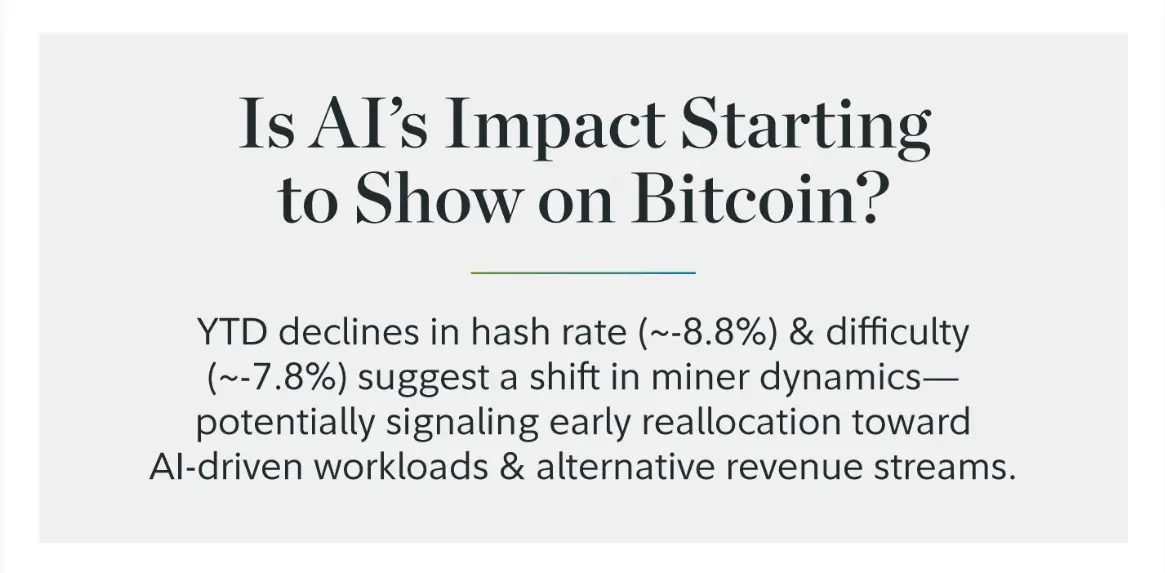
We proposed that increased competition from AI's demand for computing power could flatten Bitcoin's hashrate growth as miners reallocate energy and infrastructure toward potentially more profitable directions. This dynamic may now be emerging this year: the 30-day average hashrate and mining difficulty have declined by approximately 8.8% and 7.8%, respectively.
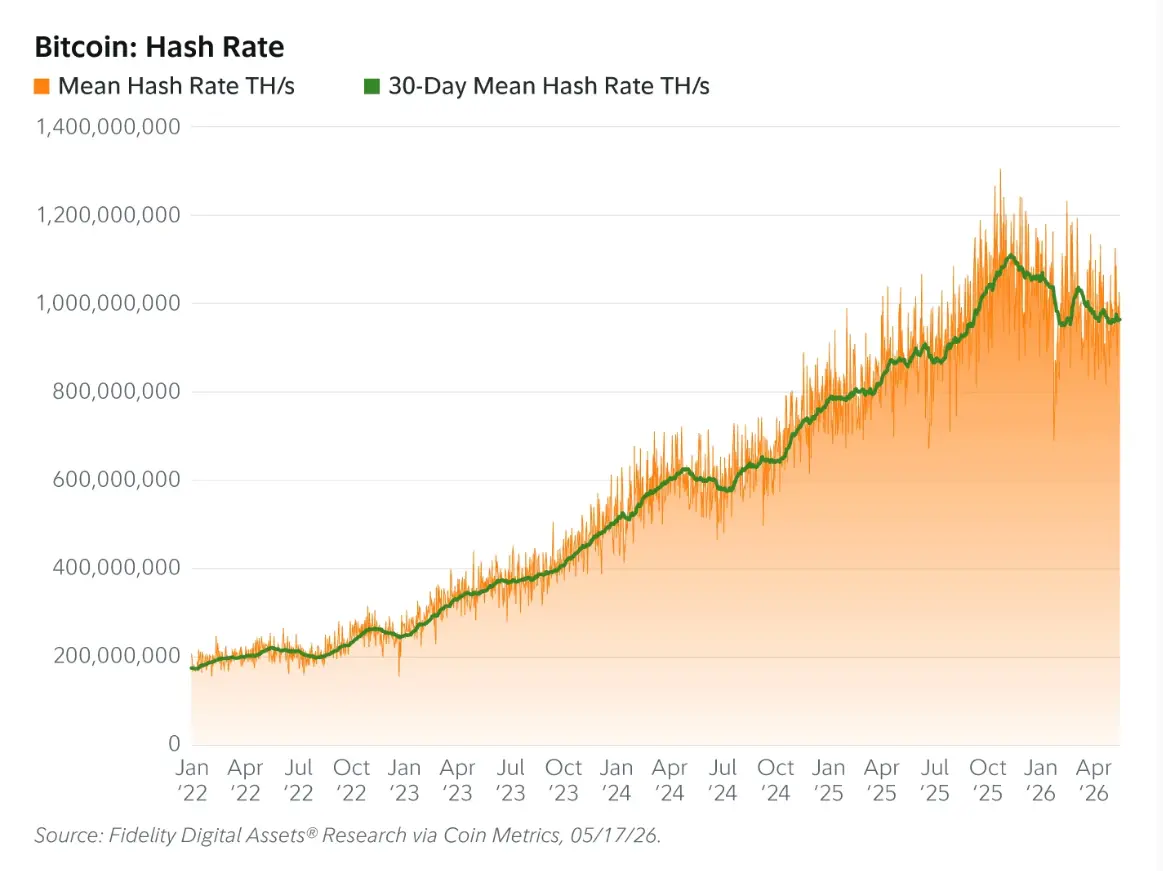
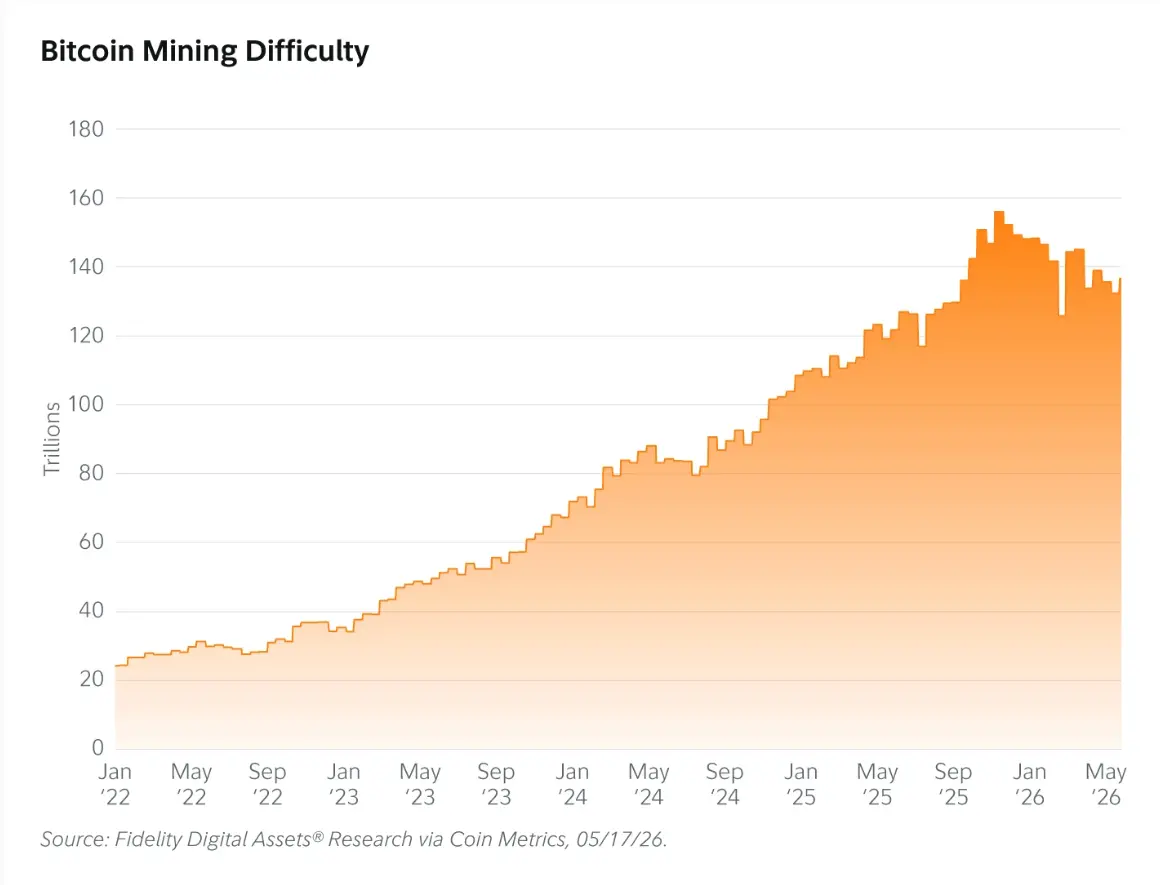
Looking at the longer trajectory, the rate of hashrate growth has slowed compared to previous years, which may be an early signal of structural change. The increasing profitability of AI data center operations, especially for large operators with access to power infrastructure, appears to be an increasingly likely driver behind this.
Though still early, the observed growth slowdown aligns with the initial hypothesis and may reflect miners gradually shifting toward alternative revenue sources.
4: Bitcoin at a New Turning Point
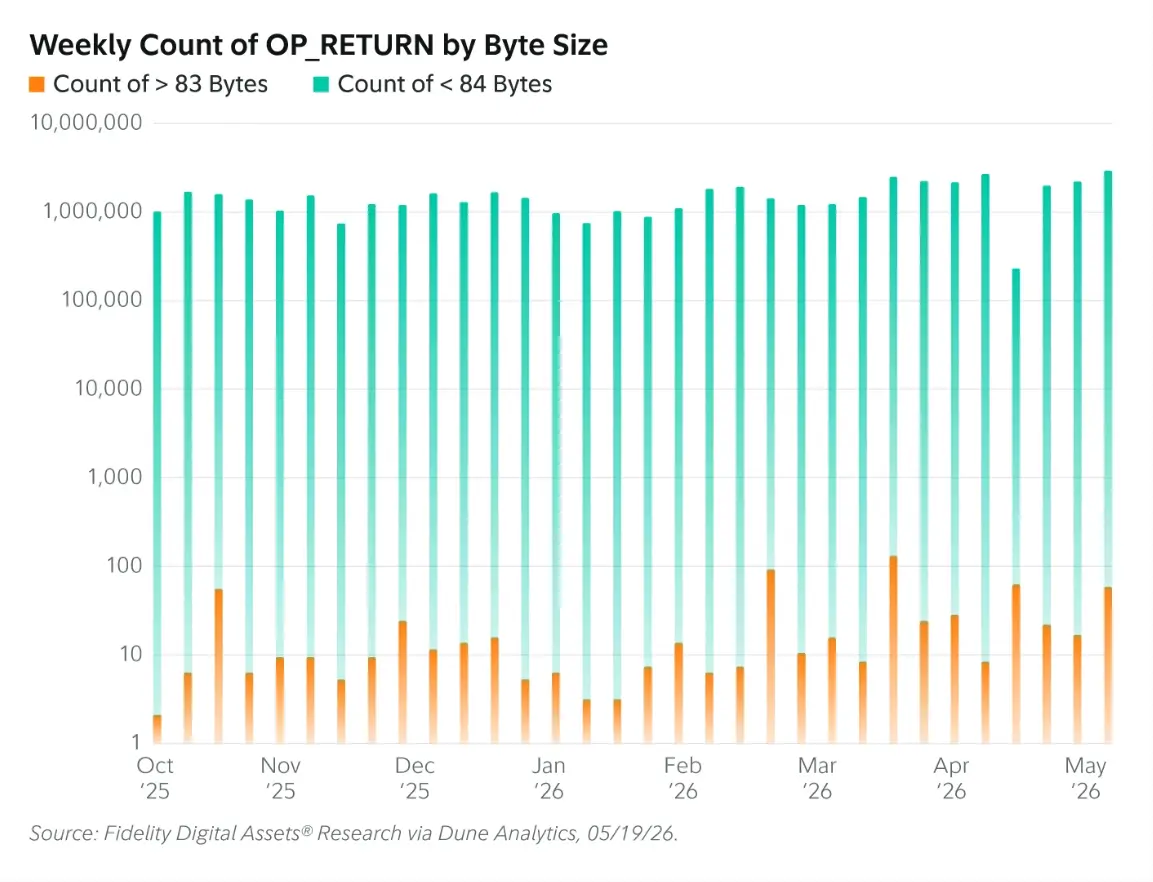
We expected that increasing the amount of data writable via the OP_RETURN opcode would not lead to significant blockchain bloat (OP_RETURN is used for writing data on-chain, and because it requires fees, relaxing its data limit has not led to abuse or network bloat). So far, the data seems to support this view.
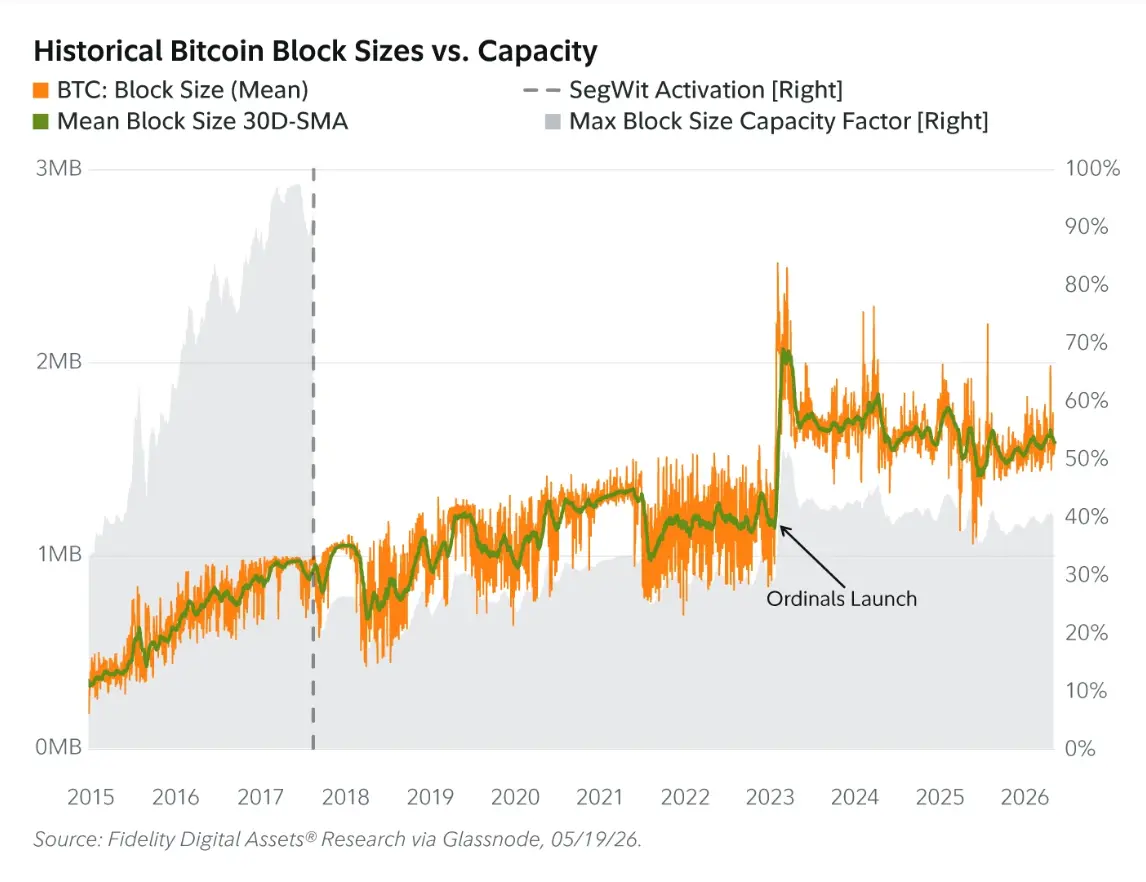
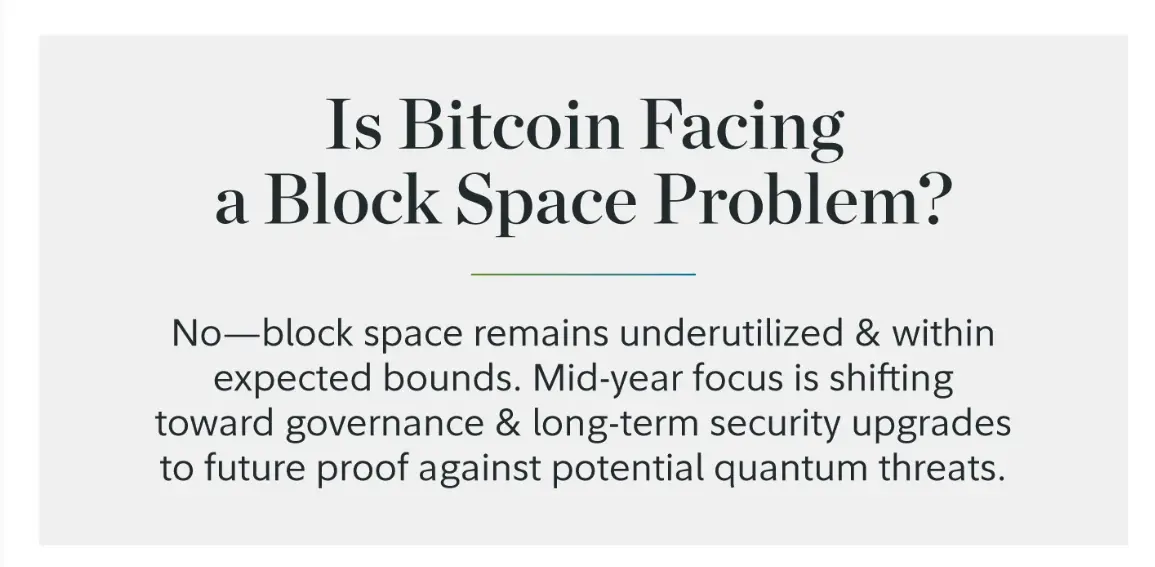
Usage of larger (≥84 bytes) OP_RETURNs has largely remained unchanged, and overall blockchain growth remains within predicted ranges (approximately 1.35–2.5MB). Other block utilization metrics show capacity remains below 50%, indicating that increased data flexibility has not placed material stress on the network.
Meanwhile, focus has shifted to broader network dynamics. There has been significant volatility in Bitcoin Knots nodes, with a sharp rise and fall, sparking speculation about potential Sybil-like activity.
Based on current data, Bitcoin Core nodes still constitute about 77% of the network, while Knots nodes make up about 17%. Although a minority, this introduces the risk of an unexpected split—low probability, but not zero: under certain conditions, Knots nodes could diverge into a stalled or less secure chain, with current projections suggesting this scenario could materialize in approximately 80 days.
However, Core's dominant share continues to anchor network consensus. At the same time, momentum around long-term security upgrades is also building. BIP-360 has been simplified, introducing a quantum-resistant output type (Pay-to-Merkle-Root, or P2MR); ongoing OP_CHECKSHRINCS research reflects exploration of hash-based post-quantum signature schemes.
Although the specific timeline for a quantum threat remains uncertain, these developments show that the industry is placing increasing importance on preparing early for the network's future security.
5: Bears Temporarily in Control
In January, we outlined two scenarios for entering 2026 where bullish and bearish forces were balanced, expecting macro conditions to lead to a non-linear path despite improving structural fundamentals.
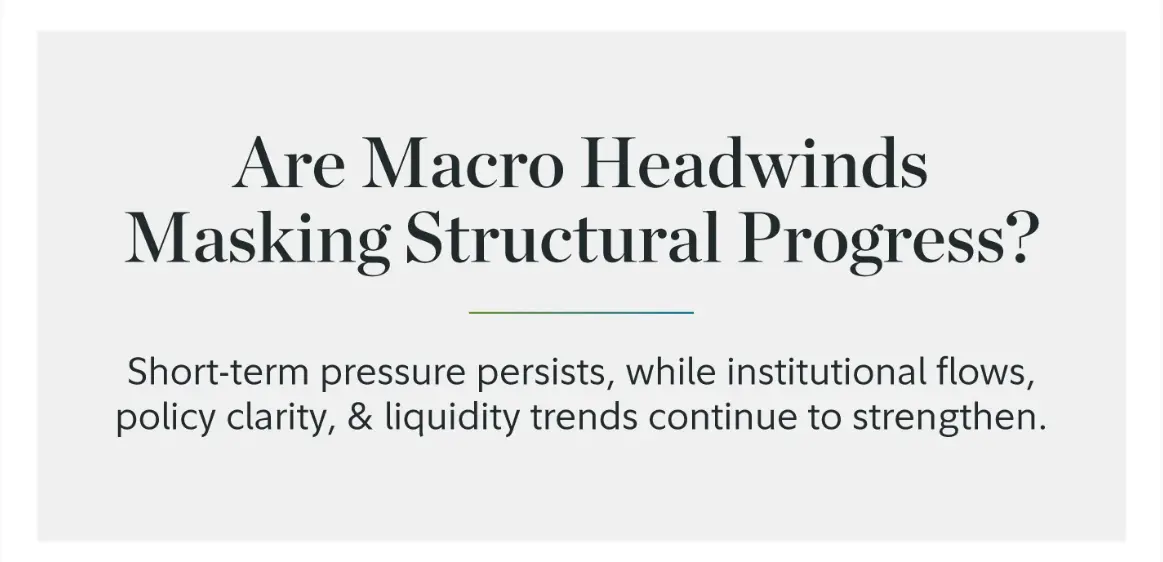
This year, the bearish scenario has largely prevailed: Bitcoin is down 13%, driven by deleveraging from liquidations, stubbornly high inflation, and geopolitical uncertainty prompting markets to price in further rate hikes. However, recent market performance reveals a more nuanced dynamic.
Following an initial wave of selling triggered by recent geopolitical conflict, Bitcoin has bounced back and has outperformed traditional assets during the same period, perhaps reflecting demand for highly liquid, neutral assets during stressful times.
Meanwhile, structural tailwinds remain, including continued formation of institutional capital, gradually improving regulatory clarity, and expanding global liquidity.
Despite a constrained near-term environment, our broader judgment still appears valid, though it is not progressing smoothly.
6: Gold Strength Persists, What's Next?
We noted that another strong year for gold would not be surprising, supported by central bank buying and the global trend of gradually moving away from the US dollar system.
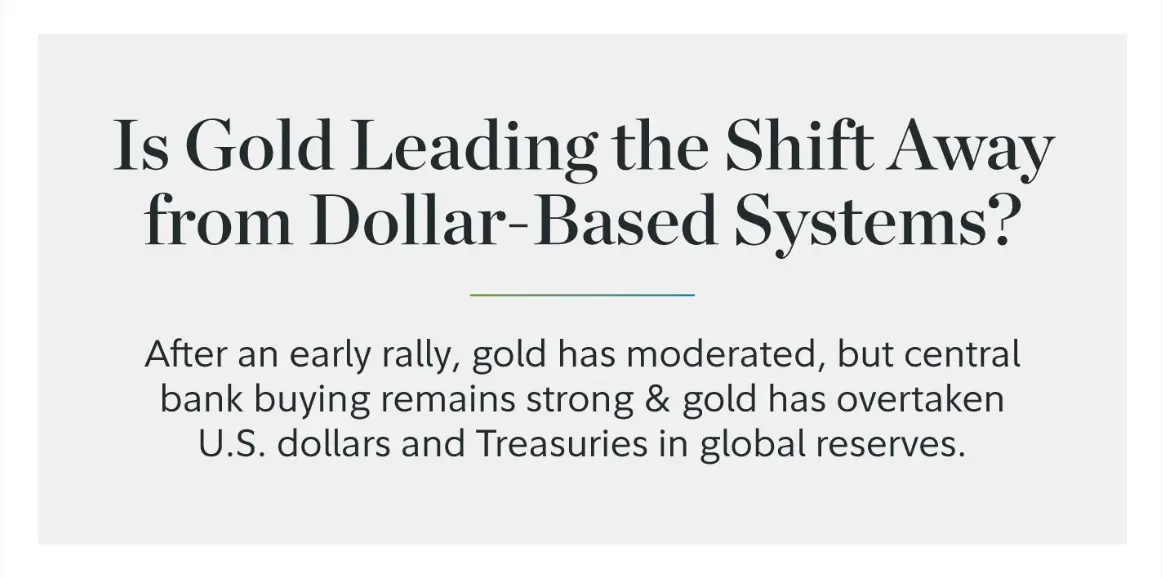
This year, gold initially rallied nearly 30% amid geopolitical tensions before retreating to a more moderate gain of about 3–4%. Despite the pullback, gold may still finish the year outperforming the broader market.
Evidence supporting a move away from the dollar system is also growing, including emerging alternative settlement methods, such as Iran accepting Bitcoin for toll payments and payments related to activity in the Strait of Hormuz.
At the same time, central bank demand for gold remains strong. Recent data show continued accumulation, and notably, gold has surpassed the US dollar and US Treasuries to become the primary component of global reserves.
Gold's performance and sustained central bank demand are largely consistent with our initial view; however, the subsequent outperformance we expected for Bitcoin has yet to materialize.
Conclusion: Building Strength Beneath the Surface
Midway through the year, the 2026 digital asset landscape presents a balance between short-term pressures and long-term progress. Several themes from the "Outlook" are evolving as expected, particularly regarding institutional participation, regulation, and infrastructure; however, others remain in early stages or have yet to fully materialize.
For investors, this underscores the need to look beyond short-term price volatility and observe how structural shifts are taking shape. Much of the foundation supporting the next phase of growth appears to be thickening, even if not yet fully visible.