"Fat Apps" Are Dead, Welcome to the Era of "Fat Distribution"

marsbit2025-12-19 tarihinde yayınlandı2025-12-19 tarihinde güncellendi

Özet

The article "Fat Apps Are Dead, Welcome to the Era of Fat Distribution" argues that crypto applications are becoming commoditized infrastructure, shifting value from the applications themselves to the distribution channels and front-end interfaces that control user access. The author traces the evolution of value accumulation theories in crypto, from the 2016 "Fat Protocol" thesis (value accrues to base layers like Ethereum) to the 2022 "Fat App" thesis (value accrues to applications like Uniswap that built liquidity and user experience). By 2025, the thesis has shifted again. Excessive investment in infrastructure has led to diminishing returns; technical improvements (e.g., minor reductions in oracle costs or interest rate optimizations) are now imperceptible to end-users. Users prioritize familiar interfaces over marginally better backend performance. Consequently, applications like Aave and Morpho are increasingly focusing on B2B partnerships, embedding their services as backends within other platforms (e.g., traditional fintech apps like Robinhood). The author posits that convincing an existing platform to integrate a feature is far easier than onboarding millions of new users to complex, native crypto workflows. A case study illustrates this: Coinbase directs its users' borrowing activity to Morpho on Base, even though competitors offer better rates, because the seamless, integrated user experience within the Coinbase app is more valuable to customers than optimizin...

Original Author: Matt

Original Compilation: Chopper, Foresight News

Today, even cryptocurrency applications are gradually becoming standardized infrastructure, serving Web2 and traditional financial institutions with user-friendly front-end interfaces.

Each cryptocurrency cycle gives rise to a new theory about "how value accumulates in the crypto ecosystem," and these theories are reasonable at the time.

  • In 2016, Joel Monegro proposed the "Fat Protocol Theory": value converges toward underlying public chains like Ethereum through shared data, tokens, and network effects.
  • In 2022, Westie proposed the "Fat App Theory": as Layer 2 networks significantly reduce transaction costs, applications like Uniswap, Aave, and OpenSea build liquidity and user experience barriers, earning even more fees than the public chains they belong to.
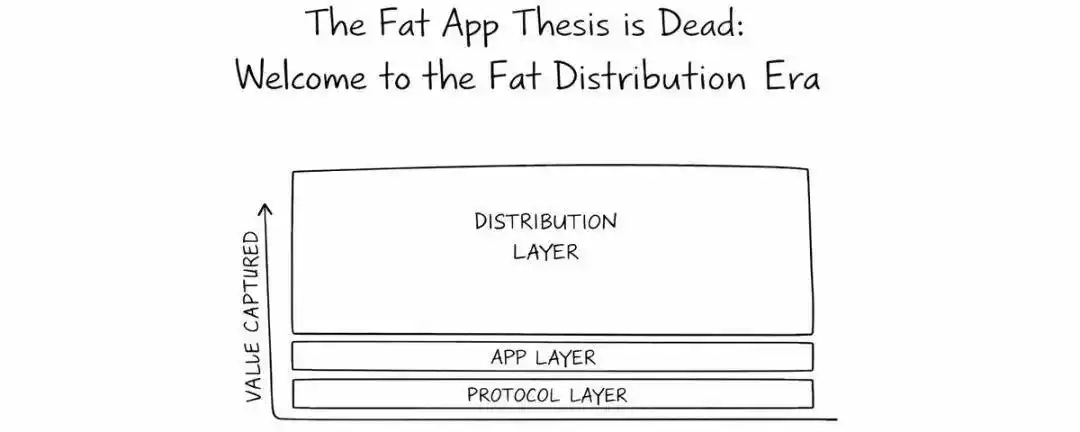
By 2025, the industry has officially entered a new phase: cryptocurrency applications themselves have become replaceable, standardized products.

The reason for this shift is simple: the crypto industry has invested excessive resources in infrastructure and technical optimization. We have relentlessly researched complex automated market maker (AMM) algorithms, innovative liquidation mechanisms, customized consensus protocols, and zero-knowledge proof cost optimizations, but now we are facing diminishing marginal returns. Technical improvements in applications are no longer perceptible to end users.

Users don’t care about a 1-basis-point reduction in oracle data costs, a 10-basis-point increase in lending rates, or improved pricing accuracy in decentralized exchange liquidity pools. What they truly care about is using an interface they already trust and are familiar with.

This trend is becoming increasingly evident: applications like Polymarket, Kalshi, Hyperliquid, Aave, Morpho, and Fluid are investing more time and resources into B2B partnerships. Instead of struggling to attract new users to adapt to cumbersome on-chain operations, they are transforming into backend services embedded in other product ecosystems.
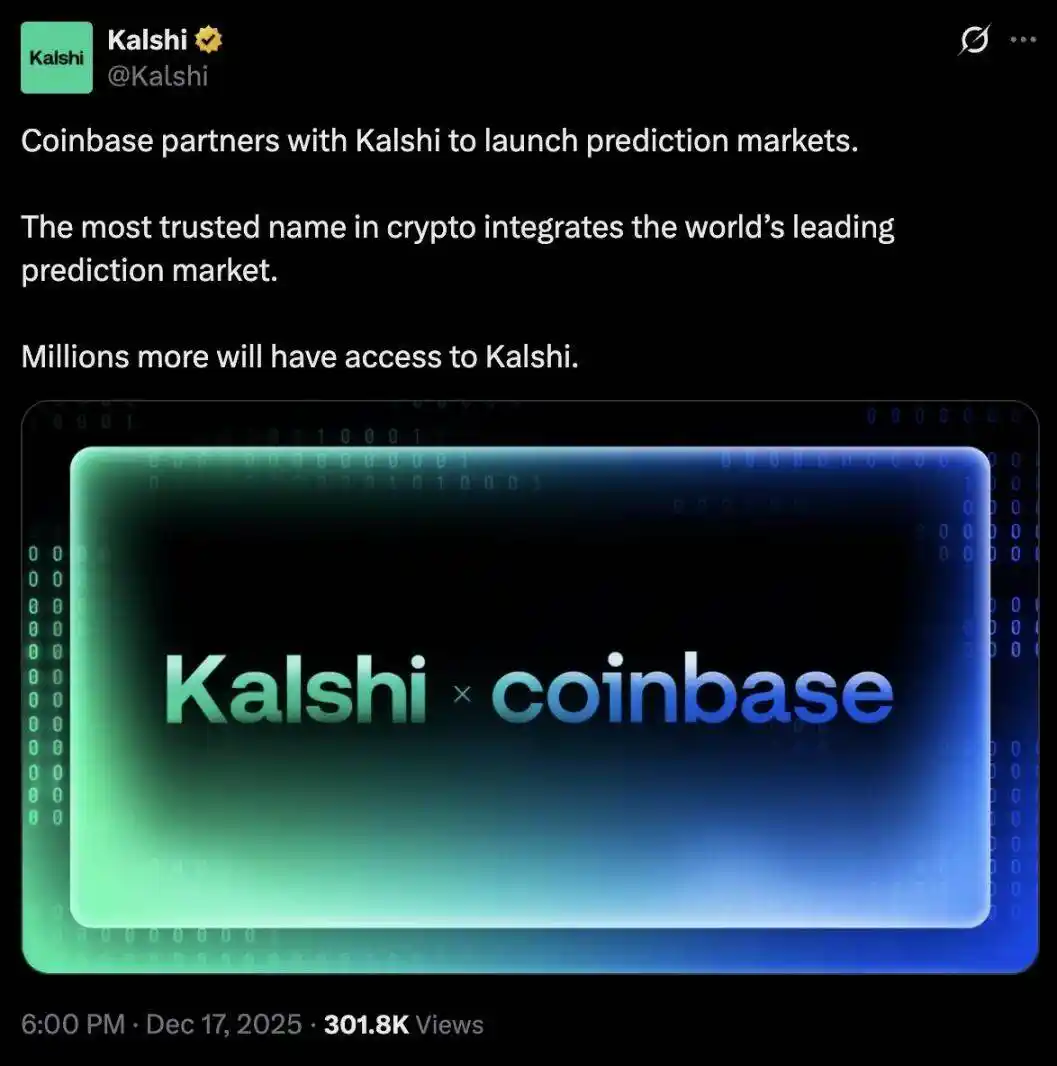
Convincing 25 million new users to download browser extensions, manage private keys, prepare gas fees, transfer assets across chains, and adapt to complex on-chain processes—or having platforms like Robinhood add an "earnings" feature to directly channel user deposits into your lending market. Clearly, the latter is easier to achieve.

Integration partnerships will ultimately win out, distribution channels will ultimately win out, front-end interfaces will ultimately win out; and crypto applications will merely become simple conduits for traffic.

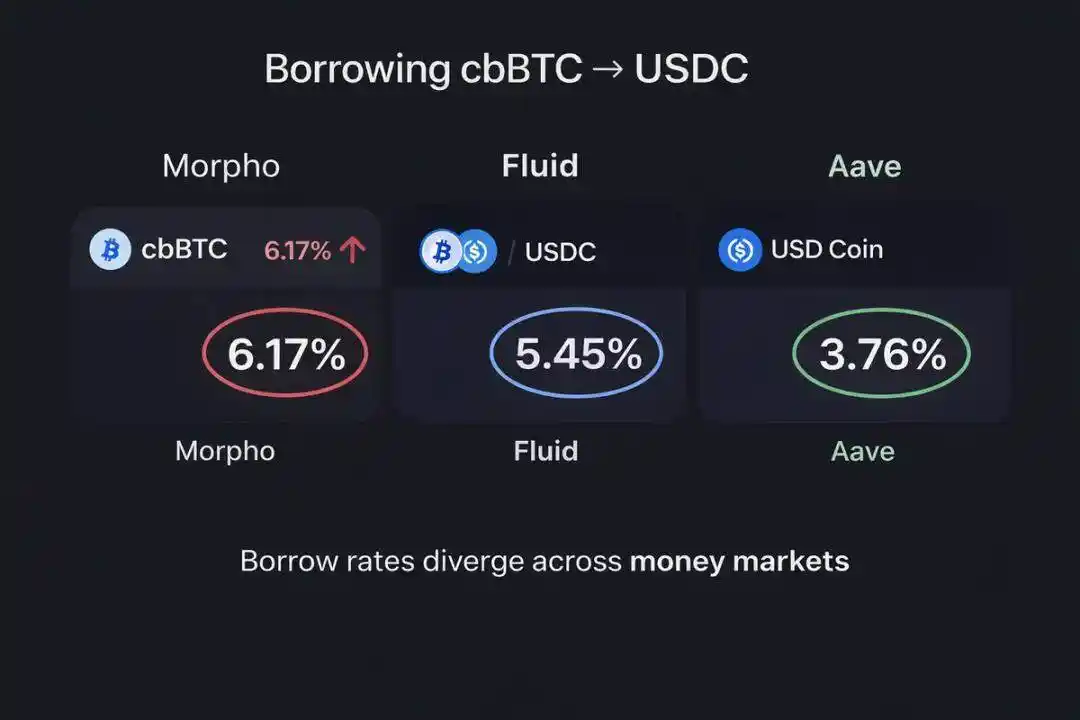
Coinbase’s case perfectly illustrates this: users can borrow USDC by using their platform’s Bitcoin (cbBTC) as collateral, and this transaction flow is directed to the Morpho lending market on the Base chain. Although Aave and Fluid on the Base chain offer significantly better interest rates for borrowing stablecoins using cbBTC as collateral, Morpho still dominates the market. The reason is simple: Coinbase users are willing to pay extra for "immediate and convenient operations."
However, not all applications will become invisible infrastructure. Some will still adhere to the B2C (business-to-consumer) track and will not adopt B2B2C (business-to-business-to-consumer) as their primary profit model. But they must undergo a complete transformation: adjusting core priorities, restructuring profit logic, building new competitive barriers, optimizing marketing strategies and development plans, and rethinking the core pathways for users to enter the crypto space.

This does not mean that infrastructure-type applications can no longer create value, but rather that the front-end platforms that truly control user traffic will capture a larger share of the value.

In the future, competitive barriers will no longer be built around liquidity or crypto-native user experience but will focus on distribution capabilities.

İlgili Sorular

QWhat is the main shift described in the article regarding the evolution of crypto applications?

AThe article describes a shift from 'fat applications' to 'fat distribution,' where crypto applications are becoming standardized infrastructure, and value is increasingly captured by front-end platforms that control user distribution rather than the applications themselves.

QAccording to the article, why are technical improvements in crypto applications becoming less impactful for end users?

ATechnical improvements, such as minor reductions in oracle data costs or slight increases in lending rates, have reached a point of diminishing returns and are no longer perceptible or meaningful to end users, who prioritize familiar and trusted interfaces.

QHow does the examples of Polymarket, Kalshi, and Aave illustrate the trend mentioned in the article?

AThese applications are increasingly focusing on B2B partnerships, embedding their services as back-end infrastructure into other products rather than directly attracting users with complex on-chain processes, highlighting the shift toward distribution-driven value capture.

QWhat example does the article use to demonstrate that users prefer convenience over optimal rates?

AThe article cites Coinbase users opting to borrow USDC using cbBTC as collateral through Morpho on Base, despite better rates being available on Aave or Fluid, because they value the convenience of a familiar interface.

QWhat will be the primary competitive barrier in the future, as stated in the article?

AThe primary competitive barrier will shift from liquidity or crypto-native user experience to distribution capabilities, with front-end platforms that control user traffic capturing a larger share of value.

İlgili Okumalar

İşlemler

Spot
Futures

Popüler Makaleler

ERA Nasıl Satın Alınır

HTX.com’a hoş geldiniz! Caldera (ERA) satın alma işlemlerini basit ve kullanışlı bir hâle getirdik. Adım adım açıkladığımız rehberimizi takip ederek kripto yolculuğunuza başlayın. 1. Adım: HTX Hesabınızı OluşturunHTX'te ücretsiz bir hesap açmak için e-posta adresinizi veya telefon numaranızı kullanın. Sorunsuzca kaydolun ve tüm özelliklerin kilidini açın. Hesabımı Aç2. Adım: Kripto Satın Al Bölümüne Gidin ve Ödeme Yönteminizi SeçinKredi/Banka Kartı: Visa veya Mastercard'ınızı kullanarak anında Caldera (ERA) satın alın.Bakiye: Sorunsuz bir şekilde işlem yapmak için HTX hesap bakiyenizdeki fonları kullanın.Üçüncü Taraflar: Kullanımı kolaylaştırmak için Google Pay ve Apple Pay gibi popüler ödeme yöntemlerini ekledik.P2P: HTX'teki diğer kullanıcılarla doğrudan işlem yapın.Borsa Dışı (OTC): Yatırımcılar için kişiye özel hizmetler ve rekabetçi döviz kurları sunuyoruz.3. Adım: Caldera (ERA) Varlıklarınızı SaklayınCaldera (ERA) satın aldıktan sonra HTX hesabınızda saklayın. Alternatif olarak, blok zinciri transferi yoluyla başka bir yere gönderebilir veya diğer kripto para birimlerini takas etmek için kullanabilirsiniz.4. Adım: Caldera (ERA) Varlıklarınızla İşlem YapınHTX'in spot piyasasında Caldera (ERA) ile kolayca işlemler yapın.Hesabınıza erişin, işlem çiftinizi seçin, işlemlerinizi gerçekleştirin ve gerçek zamanlı olarak izleyin. Hem yeni başlayanlar hem de deneyimli yatırımcılar için kullanıcı dostu bir deneyim sunuyoruz.

406 Toplam GörüntülenmeYayınlanma 2025.07.17Güncellenme 2025.07.17

ERA Nasıl Satın Alınır

Tartışmalar

HTX Topluluğuna hoş geldiniz. Burada, en son platform gelişmeleri hakkında bilgi sahibi olabilir ve profesyonel piyasa görüşlerine erişebilirsiniz. Kullanıcıların ERA (ERA) fiyatı hakkındaki görüşleri aşağıda sunulmaktadır.

活动图片