DeepSeek's Next Battlefield: The War Quietly Begins in This Fifth-Tier City

marsbit2026-08-11 tarihinde yayınlandı2026-08-11 tarihinde güncellendi

Özet

DeepSeek and other major AI players are quietly shifting their battle for supremacy to the infrastructure front, with Wulanchabu, a small city in Inner Mongolia, emerging as a key battleground. The article details a visit to the massive data center clusters there, highlighting the industry's pivot from a light-asset model of renting computing power to a strategic race to build and control foundational AI infrastructure. Wulanchabu's advantages—low electricity costs (around ¥0.32-0.35 per kWh, 90% green energy), cool climate, and proximity to Beijing—have made it China's largest AI computing cluster. Companies like Alibaba Cloud are deploying modular, prefabricated data center "cabins" that can be assembled on-site in as little as 100 days, dramatically accelerating deployment compared to traditional multi-year construction. This "new Foxconn" model standardizes components for mass production. The drive for efficiency is paramount. Alibaba’s latest architecture flattens design, integrating power distribution, backup batteries, and liquid-cooled server racks into single modules. The ultimate bottleneck is power. As AI training and, increasingly, inference demand skyrocket, electricity cost and availability become decisive competitive factors. The industry faces the challenge of aligning fast-paced computing demand with slower power grid planning. DeepSeek's significant investment in building its own computing center in Wulanchabu underscores this trend: securing large-scale,...

After passing through multiple security checks and having phone camera lenses covered with privacy film, Phoenix Network Technology entered this data center located in Ulanqab, Inner Mongolia. This facility supports the large-scale intelligent computing operations of cloud providers and AI companies, serving as a microcosm of China's AI industry's struggle for computing infrastructure.

Contrary to expectations of dusty scenes, a low, deep hum filled the air—the sound of chilled air roaring through the containerized modules. Orange-and-white massive box-like structures stood in orderly rows, awaiting the insertion of computing cards.

"It can be said that today, not a single card is idle. Delivery translates directly to productivity; faster delivery enables greater customer value," explained Wang Chaoyang, General Manager of Alibaba Cloud Global Data Centers, to us.

Since the beginning of this year, as AI newcomers like DeepSeek have announced plans to build or co-build their own data centers, the industry has been quietly shifting from the light-asset model of "renting space, buying computing power" towards gaining deeper control over the computing power foundation. The corporate logic has also evolved from simply purchasing cards to stockpiling strategic assets, with ten thousand or even a hundred thousand cards becoming the starting threshold.

Ulanqab has thus become a key battleground for AI giants vying for computing power dominance. From self-built data centers with self-developed equipment to modular "containerized" solutions achieving rapid 100-day delivery in leased facilities, a "new Foxconn" model for the AI era is emerging.

Visiting Ulanqab: What's Inside an Intelligent Computing Center?

Ulanqab, a grassland city in central Inner Mongolia with an annual average temperature of just 4.3 degrees Celsius, entered the AI industry's spotlight in mid-year following a recruitment notice from DeepSeek.

Historically known as the "Potato Capital of China," Ulanqab introduced Huawei in 2013 to build its first cloud data center as the mobile internet era dawned, officially kicking off the big data epoch. In the subsequent years, the rise and fall of the internet unfolded here silently in symbols unreadable by humans, with Huawei, Alibaba, Apple, Kuaishou, 21Vianet, and GDS successively establishing a presence.

According to local government data, by the end of 2025, Ulanqab had signed 84 data center projects, 81 of which are intelligent computing centers, with total investments exceeding 500 billion yuan.

In 2026, a new protagonist arrived. DeepSeek began large-scale recruitment for its intelligent computing center in Ulanqab, planning to build an ultra-large intelligent computing center with a total power capacity of 1 Gigawatt (GW) there, simultaneously hiring IDC design and planning engineers.

Following the industry's collective gaze, the veil was lifted on a massive intelligent computing center cluster originally hidden on the grasslands. Phoenix Network Technology also arrived in Ulanqab this August.

"One step west from Beijing, and you're in Ulanqab." Exiting the high-speed rail station, besides the refreshing cool air, eye-catching red promotional banners were visible.

Situated 350 km from Beijing, reachable by high-speed rail in under two hours, with network latency as low as 4 milliseconds, a cool climate year-round, strong winds, dry air, and located away from seismic zones... Most importantly, it's a "price trough" for electricity, with green power accounting for 90% of its supply and electricity prices at 0.32-0.35 yuan per kWh—hosting the same data center in Ulanqab could save 5 billion yuan in annual electricity costs compared to a neighboring city.

With these combined advantages, Ulanqab has become the nation's largest intelligent computing cluster, surpassing all Eastern Data to Western Computing nodes, transforming into a true "City of Tokens."

Alibaba Cloud's data center campus is also in Ulanqab. Here, there is not only a data center Alibaba built years ago but also a newly constructed 5.0 containerized data center delivered in just 100 days using modular design—the latter now handles 80% of Alibaba Cloud's intelligent computing business.

Left: The top of the Alibaba data center office building, featuring a 'Mongolian yurt'-style structure for insulation; Right: Exterior view of the data center.

Here, we discovered that data center construction isn't just about "building houses." Like DeepSeek hiring IDC design and planning engineers, it's full of intricacies. For instance, Alibaba's self-built 2.0 architecture data center in Ulanqab represents the pinnacle of the previous generation's technology. To save power, Alibaba trialed its self-developed Panama Power Supply here, drastically compressing the power transformation process. To conserve water, the data center employs a closed-loop system, even utilizing server-generated heat to warm equipment rooms in winter.

In the power distribution room, our guide explained, "In traditional data centers, the first floor is all infrastructure, with servers on the second. But in our new 5.0 architecture, everything has been 'flattened.'"

This "flattening" essentially means "transforming construction into manufacturing, replacing projects with products," Wang Chaoyang clarified. Everything from the 10kV medium-voltage power distribution and the self-developed Panama Power Supply to lithium battery backup and liquid-cooled IT cabinets is prefabricated inside the containers. On-site, it's merely about positioning the containers like Lego blocks and connecting the cables.

"In the past, building a data center required thousands of workers on site. Now, it's a team of cranes positioning the containers. Our record is from breaking ground on a new building to delivery in four and a half months." The guide revealed that while currently constrained by pulsed shortages of upstream raw materials and components—making the ideal 100-day timeline with "30 days of prefabrication" sometimes difficult to hit perfectly—the assembly phase has been optimized to the extreme.

DeepSeek Joins the Fray, Competing for Computing Infrastructure

In recent years, competition among large model companies has focused on algorithms, data, and model parameters.

But entering the era of ten-thousand or even hundred-thousand-card training, computing power has transformed from a "procured resource" into a strategic asset determining a company's survival.

DeepSeek's heavy investment is a microcosm of this trend. A harsh reality faces all AI race contenders: readily available computing power facilities on the market have long been snapped up. Traditional construction cycles of 12 months or more simply cannot keep pace with the exponential explosion in Token demand. In the context of an AI demand boom, whoever can more quickly secure a large-scale, high-density, low-cost, dedicated computing power foundation holds the ticket to the next round of competition.

Moreover, the rise of Agents has led to an explosive growth in inference demand as well. According to China's National Bureau of Statistics, the national daily Token call volume surpassed 140 trillion in March 2026. This necessitates an even larger scale of data center construction.

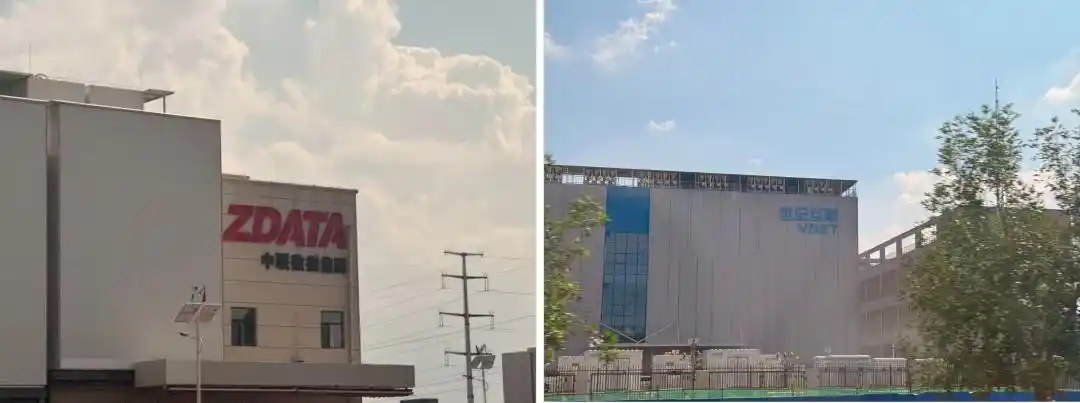
The massive Token demand has led to data centers springing up everywhere. Phoenix Network Technology witnessed numerous projects under construction in Ulanqab. In areas like Yiwutang, Bayin, and Chayou Qianqi, besides internet companies like Huawei, Kuaishou, and Alibaba, third-party data service providers like 21Vianet and Zhongjin Data occupy even larger plots.
How to make Tokens operate more efficiently has become a new competitive focus in the AI era.

Wang Chaoyang recalled significant internal opposition when the modular solution was first proposed, deemed too costly. "But once a product iterates and optimizes, costs will inevitably come down." Resistance persisted when seeking partners. "One partner disagreed, saying the cost was too high. Upon review, we found they had overestimated the cost per kilowatt by more than one-third. They later regretted it deeply; they had miscalculated." Wang stated that many partners have now fully accepted the approach.

What made him more aware of the industry shift was the reaction from competitors. "One of our biggest competitors spent three months internally learning it. Hearing we were developing the next architecture made them very nervous. Other partners are also asking when our new standard will be released." Not just domestically; overseas operators are following suit. In his view, this solution has evolved from Alibaba's own exploration into a path the industry is collectively adopting.

Alibaba Cloud has even more ambitious plans for data center construction—"to become the Foxconn of this industry." Through an ODM model, they aim for the supply chain to engage in large-scale manufacturing according to Alibaba's self-developed standards.

Inside the containers, even a power supply module is highly standardized. The guide used the on-site air conditioning as an example: "The market predominantly offers AC air conditioning, but AC to DC conversion incurs losses. Alibaba specifically commissioned a smaller manufacturer to customize DC air conditioning for this architecture." Wang Chaoyang later added that within this modular solution, "each module has undergone optimal debugging," and China's supply chain can fully keep up. "Wherever we want to build in a major base, these manufacturers are willing to follow us and set up local factories."

Wang Chaoyang emphasized that modularization is useless if not achieving over 90%. "If only 30% or 20% is modularized, it only solves part of the product issue. First, it doesn't address overall cost problems; second, it certainly doesn't solve overall delivery timeline issues." He also acknowledged the practical challenge of modularization: "once internally finalized, it's hard to change. Fortunately, we can now continuously iterate. Behind modularization must be versioning and standardization."

This capability to turn data centers into "standard products" could also stir the landscape of the US-China AI race. Wang Chaoyang further mentioned that China's manufacturing capacity is "frightening"; finding a few enterprises in Zhejiang can produce these containerized data centers. In contrast, facing widespread shortages of skilled labor overseas and delivery cycles stretching to 30 months, leveraging modular products from China's supply chain would present a crushing advantage. "When performance catches up with competitors, our Token cost will undoubtedly be at a killer level."

The Ultimate Limit of AI is Electricity

The ultimate limit of computing power is electricity. All efforts toward extreme efficiency and cost control ultimately point to electricity.

"For the same data center, locating it in Ulanqab versus a neighboring city can result in a 50 billion yuan difference in annual electricity costs," said Wang Chaoyang. When data center scales are over ten times larger than before, with single cabinet power heading towards 1000 kilowatts (equivalent to the heat emitted by over ten thousand people), electricity price becomes the sole critical factor besides chips.

However, cheap electricity isn't simply waited for. As AI enters the era of inference explosion, computing power demand presents a "two-way flow"—training workloads head west in a "three-level depth" pursuit of low-cost green power, while inference workloads move east in a "three-level下沉" (sinking) to be closer to economic hubs.

This encounters the current biggest pain point: computing-power-electricity coordination. Wang Chaoyang observed that many current so-called source-grid-load-storage initiatives are essentially for new energy consumption, not genuine computing power coordination. "Electricity delivery takes three to five years, but our computing power delivery is compressed to 100 days. When Tokens are experiencing quasi-exponential explosion, planning coordination is crucial."
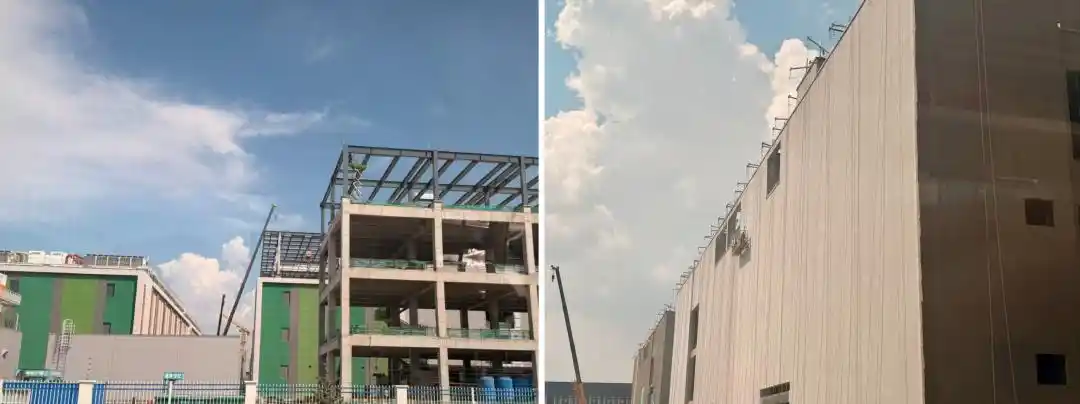
Caption: Construction sites are everywhere.

He judges that the gap between current planned scale and actual demand is so significant that it will force the industry to develop explosive solutions within two years. "Power companies are excited but unsure how to participate. Future data centers cannot be rigid loads; they must become flexible, self-regulating systems, allowing computing power to adapt to electricity supply, achieving dynamic balance."

To find balance in water-scarce Inner Mongolia, Alibaba is also relentlessly tackling water usage. In Ulanqab, data centers exclusively use reclaimed water, with benchmark projects achieving a Water Usage Effectiveness (WUE) as low as 0.088, almost negligible water consumption. Wang Chaoyang admitted: "Using more water can save electricity, and low water pricing leads manufacturers to prefer water cooling. But when building ultra-large clusters, social costs must be considered, finding that微妙 (subtle)临界点 (critical point) between optimal cost and greenness."

From the "Potato Capital" to "China's Computing Power Capital," Ulanqab is witnessing a frenzied advance in computing infrastructure. As Alibaba Cloud and others transform data centers from "civil engineering projects" into "products" mass-producible on factory assembly lines, and as new players like DeepSeek also begin building their own computing power foundations along this path, a new paradigm for AI infrastructure, supported by Chinese manufacturing, is emerging.

Inside those orange-and-white containers on the grasslands, Tokens are being produced 24/7. The next chapter of this computing power surge may well be the true arrival of AI普惠 (inclusiveness/accessibility) when these "Chinese solutions" flow globally along the supply chain.

This article is from the WeChat public account "Phoenix Network Technology," author: Phoenix Network Technology.


Trend Kriptolar

İlgili Sorular

QAccording to the article, why has Ulanqab become a key battleground for AI giants competing in computing power infrastructure?

AUlanqab has become a key battleground due to its combination of advantages: proximity to Beijing (350 km, ~2 hours by high-speed rail with 4ms latency), low average annual temperature (4.3°C), high green electricity ratio (90%), and extremely low electricity prices (0.32-0.35 RMB/kWh), saving up to 5 billion RMB in annual electricity costs compared to neighboring cities for similar data centers.

QWhat is the core innovation behind Alibaba Cloud's new 5.0 data center architecture described in the article?

AThe core innovation is the 'flattened' modular 'cabin' design. It transforms data center construction from an on-site engineering project into a factory-produced product. Prefabricated cabins containing medium-voltage power distribution, self-developed Panama power supplies, lithium battery backup, and liquid-cooled IT cabinets are delivered to the site. They are then simply hoisted into place and connected, drastically reducing construction time from years to a target of 100 days.

QWhat major shift in strategy for AI companies does the article highlight, using DeepSeek as an example?

AThe article highlights a strategic shift from a light-asset model of 'renting data center space and buying computing power' to deeply controlling the computing power infrastructure itself. Companies like DeepSeek are moving towards building or co-building their own large-scale data centers, treating computing power as a strategic asset to be stockpiled, with thresholds starting at tens of thousands or even hundreds of thousands of GPUs.

QWhat challenge related to power supply does Alibaba Cloud's Wang Zhaoyang identify for the future of large-scale AI computing clusters?

AHe identifies the challenge of 'computing-power coordination.' The delivery timeline for new power infrastructure is often 3-5 years, while modular data center delivery can be compressed to 100 days. This creates a significant planning gap as token demand grows explosively. He argues future data centers must evolve from being rigid power loads to becoming flexible, self-adaptive systems that dynamically balance computing tasks with the available power supply.

QWhat broader industry role does Alibaba Cloud envision for itself through its modular data center approach, according to the article?

AAlibaba Cloud envisions itself becoming the 'Foxconn of the industry.' It aims to use an ODM (Original Design Manufacturer) model, where the supply chain mass-produces data center modules according to Alibaba's self-developed standards. This 'productization' and standardization of data centers could leverage China's manufacturing capacity for a competitive advantage, potentially influencing the global AI infrastructure landscape.

İlgili Okumalar

Trading Volume Halved: Korea's Two Major Crypto Exchanges Launch Listing Wars

As South Korea's stock market cools from its peak summer performance, leading cryptocurrency exchanges Upbit and Bithumb are intensifying their competition to list new digital assets. Following a significant slump in crypto trading volume during the first half of 2025—with total volume across five major KRW-based exchanges falling nearly 50% year-on-year as capital flooded into equities—the two exchanges have sharply increased their listing pace since July. In just over a month, both Upbit and Bithumb have each added 17 new KRW-trading pairs, far exceeding their average of 6-10 listings per month earlier in the year. This acceleration coincides with a decline in the Korean Composite Stock Price Index's (KOSPI) daily trading volume and a reduction in the proportion of retail investor participation in stocks. Analysts suggest that with the stock market's "wealth effect" diminishing, crypto exchanges are now competing more aggressively for the limited attention and risk capital of local retail investors. The newly listed assets are already contributing significantly to trading activity on the platforms. On Upbit, for example, several coins listed since July now rank among its top-traded assets by volume, collectively accounting for nearly 20% of its 24-hour trading volume recently. However, this surge in new listings appears to be primarily redistracting existing capital within the shrunken crypto market rather than attracting substantial new inflows. Consequently, the strategies of the two dominant exchanges, which together control about 96% of the KRW crypto trading market, are becoming increasingly similar, with both rushing to list the same trending assets to prevent the other from capturing all available trading demand.

marsbit17 dk önce

Trading Volume Halved: Korea's Two Major Crypto Exchanges Launch Listing Wars

marsbit17 dk önce

Behind a 26-Year-Old Hong Kong Trader's $150 Million Loss: A South Korean Stock Market 'Great Escape'

In 2026, the South Korean stock market, propelled by the AI boom's demand for high-performance memory chips, witnessed a dramatic rally and subsequent crash, illustrating the perils of excessive leverage, structural market flaws, and retail investor frenzy. The initial surge was driven by soaring share prices of memory giants Samsung Electronics and SK Hynix. This "once-in-a-lifetime" wealth creation story captivated local Korean retail investors, many of whom invested heavily using leverage, and attracted global capital through products like Hong Kong-listed leveraged ETFs. However, the market's heavy reliance on these two stocks and widespread leverage created systemic fragility. The turning point came in June 2026. A series of circuit-breaker halts triggered a vicious cycle of forced liquidations, leading to a steep market plunge. The collapse erased fortunes, leaving many leveraged retail investors in debt. It also exposed a high-profile case in Hong Kong where a 26-year-old trader, using unauthorized company funds and double leverage on a SK Hynix ETF, incurred massive losses of HKD 150 million. Analysis points to key factors behind the extreme volatility: the overwhelming dominance of two stocks in the KOSPI index, a culture of rampant retail leverage, and a fundamental mispricing where investors treated cyclical semiconductor stocks as perpetual growth stories. As the market entered a volatile consolidation phase, seasoned investors emphasized core risk management principles: avoiding leverage, understanding industry cycles, maintaining a margin of safety, and being wary of extreme market consensus. The episode serves as a stark reminder that high returns are inextricably linked to high risk, especially when amplified by leverage.

marsbit27 dk önce

Behind a 26-Year-Old Hong Kong Trader's $150 Million Loss: A South Korean Stock Market 'Great Escape'

marsbit27 dk önce

İşlemler

Spot

Popüler Makaleler

$S$ Nedir

SPERO'yu Anlamak: Kapsamlı Bir Genel Bakış SPERO'ya Giriş İnovasyonun manzarası gelişmeye devam ederken, web3 teknolojilerinin ve kripto para projelerinin ortaya çıkışı dijital geleceği şekillendirmede önemli bir rol oynamaktadır. Bu dinamik alanda dikkat çeken projelerden biri SPERO, $$s$$ olarak adlandırılmaktadır. Bu makale, SPERO hakkında ayrıntılı bilgi toplamak ve sunmak amacıyla, meraklılar ve yatırımcıların web3 ve kripto alanlarındaki temellerini, hedeflerini ve yeniliklerini anlamalarına yardımcı olmayı amaçlamaktadır. SPERO,$$s$$ Nedir? SPERO,$$s$$, kripto alanında merkeziyetsizlik ve blok zinciri teknolojisi ilkelerini kullanarak etkileşimi, faydayı ve finansal kapsayıcılığı teşvik eden bir ekosistem yaratmayı amaçlayan benzersiz bir projedir. Proje, kullanıcıların yenilikçi finansal çözümler ve hizmetler sunarak eşler arası etkileşimleri yeni yollarla kolaylaştırmayı hedeflemektedir. SPERO,$$s$$'nin temel amacı, bireyleri güçlendirmek ve kripto para alanındaki kullanıcı deneyimini artıran araçlar ve platformlar sağlamaktır. Bu, daha esnek işlem yöntemlerini mümkün kılmayı, topluluk odaklı girişimleri teşvik etmeyi ve merkeziyetsiz uygulamalar (dApp'ler) aracılığıyla finansal fırsatlar yaratmayı içermektedir. SPERO,$$s$$'nin temel vizyonu kapsayıcılık etrafında dönmekte olup, geleneksel finansal sistemlerdeki boşlukları kapatmayı ve blok zinciri teknolojisinin faydalarından yararlanmayı hedeflemektedir. SPERO,$$s$$'nin Yaratıcısı Kimdir? SPERO,$$s$$'nin yaratıcısının kimliği bir miktar belirsizdir, çünkü kurucusu(ları) hakkında ayrıntılı arka plan bilgisi sağlayan sınırlı kamuya açık kaynaklar bulunmaktadır. Bu şeffaflık eksikliği, projenin merkeziyetsizlik taahhüdünden kaynaklanabilir—birçok web3 projesinin paylaştığı bir etik anlayışı, bireysel tanınmanın yerine kolektif katkıları önceliklendirmektedir. Topluluk ve onun kolektif hedefleri etrafında tartışmaları merkezileştirerek, SPERO,$$s$$, belirli bireyleri öne çıkarmadan güçlendirme özünü taşımaktadır. Bu nedenle, SPERO'nun etik anlayışını ve misyonunu anlamak, tek bir yaratıcının kimliğini belirlemekten daha önemlidir. SPERO,$$s$$'nin Yatırımcıları Kimlerdir? SPERO,$$s$$, kripto sektöründe yeniliği teşvik etmeye adanmış girişim sermayedarlarından melek yatırımcılara kadar çeşitli yatırımcılar tarafından desteklenmektedir. Bu yatırımcıların odak noktası genellikle SPERO'nun misyonuyla uyumlu olup, toplumsal teknolojik ilerlemeyi, finansal kapsayıcılığı ve merkeziyetsiz yönetimi vaat eden projeleri önceliklendirmektedir. Bu yatırımcı temelleri, yalnızca yenilikçi ürünler sunan projelere değil, aynı zamanda blok zinciri topluluğuna ve ekosistemlerine olumlu katkılarda bulunan projelere de ilgi duymaktadır. Bu yatırımcıların desteği, SPERO,$$s$$'yi hızla gelişen kripto projeleri alanında dikkate değer bir rakip haline getirmektedir. SPERO,$$s$$ Nasıl Çalışır? SPERO,$$s$$, onu geleneksel kripto para projelerinden ayıran çok yönlü bir çerçeve kullanmaktadır. İşte benzersizliğini ve yeniliğini vurgulayan bazı temel özellikler: Merkeziyetsiz Yönetim: SPERO,$$s$$, kullanıcıların projenin geleceğiyle ilgili karar alma süreçlerine aktif olarak katılmalarını sağlayan merkeziyetsiz yönetim modellerini entegre etmektedir. Bu yaklaşım, topluluk üyeleri arasında sahiplik ve hesap verebilirlik duygusunu teşvik etmektedir. Token Kullanımı: SPERO,$$s$$, ekosistem içinde çeşitli işlevler sunmak üzere tasarlanmış kendi kripto para token'ını kullanmaktadır. Bu token'lar, işlemleri, ödülleri ve platformda sunulan hizmetlerin kolaylaştırılmasını sağlayarak genel etkileşimi ve faydayı artırmaktadır. Katmanlı Mimari: SPERO,$$s$$'nin teknik mimarisi, modülerlik ve ölçeklenebilirliği destekleyerek projenin evrimi sırasında ek özelliklerin ve uygulamaların sorunsuz bir şekilde entegrasyonuna olanak tanımaktadır. Bu uyum sağlama yeteneği, sürekli değişen kripto manzarasında geçerliliği sürdürmek için hayati öneme sahiptir. Topluluk Katılımı: Proje, işbirliği ve geri bildirim teşvik eden mekanizmalar kullanarak topluluk odaklı girişimlere vurgu yapmaktadır. Güçlü bir topluluk oluşturarak, SPERO,$$s$$, kullanıcı ihtiyaçlarını daha iyi karşılayabilir ve piyasa trendlerine uyum sağlayabilir. Kapsayıcılığa Odaklanma: Düşük işlem ücretleri ve kullanıcı dostu arayüzler sunarak, SPERO,$$s$$, daha önce kripto alanında yer almamış bireyler de dahil olmak üzere çeşitli bir kullanıcı tabanını çekmeyi hedeflemektedir. Bu kapsayıcılık taahhüdü, erişilebilirlik yoluyla güçlendirme misyonuyla uyumludur. SPERO,$$s$$ Zaman Çizelgesi Bir projenin tarihini anlamak, gelişim yolculuğu ve kilometre taşları hakkında kritik bilgiler sağlar. Aşağıda, SPERO,$$s$$'nin evriminde önemli olayları haritalayan önerilen bir zaman çizelgesi bulunmaktadır: Kavram Geliştirme ve Fikir Aşaması: SPERO,$$s$$'nin temelini oluşturan ilk fikirler, blok zinciri endüstrisindeki merkeziyetsizlik ve topluluk odaklılık ilkeleriyle yakından uyumlu olarak geliştirildi. Proje Beyaz Kağıdının Yayınlanması: Kavramsal aşamayı takiben, SPERO,$$s$$'nin vizyonunu, hedeflerini ve teknolojik altyapısını ayrıntılı bir şekilde açıklayan kapsamlı bir beyaz kağıt yayımlandı ve topluluk ilgisini ve geri bildirimini toplamak amacıyla sunuldu. Topluluk Oluşturma ve Erken Katılımlar: Projenin hedefleri etrafında tartışmalar yürüterek destek toplamak ve erken benimseyenler ile potansiyel yatırımcılar için bir topluluk oluşturmak amacıyla aktif iletişim çabaları gerçekleştirildi. Token Üretim Etkinliği: SPERO,$$s$$, yerel token'larını erken destekçilere dağıtmak ve ekosistem içinde başlangıç likiditesini sağlamak amacıyla bir token üretim etkinliği (TGE) gerçekleştirdi. İlk dApp'in Yayınlanması: SPERO,$$s$$ ile ilişkili ilk merkeziyetsiz uygulama (dApp) faaliyete geçti ve kullanıcıların platformun temel işlevleriyle etkileşimde bulunmalarını sağladı. Sürekli Gelişim ve Ortaklıklar: Projenin tekliflerine sürekli güncellemeler ve iyileştirmeler yapılmakta olup, blok zinciri alanındaki diğer oyuncularla stratejik ortaklıklar, SPERO,$$s$$'yi rekabetçi ve gelişen bir oyuncu haline getirmiştir. Sonuç SPERO,$$s$$, web3 ve kripto paranın finansal sistemleri devrim niteliğinde dönüştürme ve bireyleri güçlendirme potansiyelinin bir kanıtıdır. Merkeziyetsiz yönetime, topluluk katılımına ve yenilikçi tasarlanmış işlevselliğe olan bağlılığıyla, daha kapsayıcı bir finansal manzaraya doğru bir yol açmaktadır. Hızla gelişen kripto alanındaki herhangi bir yatırımda olduğu gibi, potansiyel yatırımcılar ve kullanıcılar, SPERO,$$s$$ içindeki devam eden gelişmelerle ilgili olarak kapsamlı bir araştırma yapmaları ve düşünceli bir şekilde katılmaları teşvik edilmektedir. Proje, kripto endüstrisinin yenilikçi ruhunu sergileyerek, sayısız olasılığını keşfetmeye davet etmektedir. SPERO,$$s$$'nin yolculuğu hala devam ederken, temel ilkeleri, teknoloji, finans ve birbirimizle etkileşim biçimimizi etkileyebilir.

367 Toplam GörüntülenmeYayınlanma 2024.12.17Güncellenme 2024.12.17

$S$ Nedir

AGENT S Nedir

Agent S: Web3'te Otonom Etkileşimin Geleceği Giriş Web3 ve kripto para dünyasında sürekli gelişen manzarada, yenilikler bireylerin dijital platformlarla etkileşim biçimlerini sürekli olarak yeniden tanımlıyor. Bu tür öncü projelerden biri olan Agent S, açık ajans çerçevesi aracılığıyla insan-bilgisayar etkileşimini devrim niteliğinde değiştirmeyi vaat ediyor. Otonom etkileşimlerin yolunu açarak, Agent S karmaşık görevleri basitleştirmeyi ve yapay zeka (AI) alanında dönüştürücü uygulamalar sunmayı hedefliyor. Bu detaylı inceleme, projenin karmaşıklıklarına, benzersiz özelliklerine ve kripto para alanındaki etkilerine dalacaktır. Agent S Nedir? Agent S, bilgisayar görevlerinin otomasyonunda üç temel zorluğu ele almak üzere özel olarak tasarlanmış çığır açıcı bir açık ajans çerçevesidir: Alan Spesifik Bilgi Edinimi: Çerçeve, çeşitli dış bilgi kaynaklarından ve iç deneyimlerden akıllıca öğrenir. Bu çift yönlü yaklaşım, alan spesifik bilgi açısından zengin bir veri havuzu oluşturmasını sağlar ve görev yürütmedeki performansını artırır. Uzun Görev Ufukları Üzerinde Planlama: Agent S, karmaşık görevlerin verimli bir şekilde parçalanmasını ve yürütülmesini kolaylaştıran deneyim artırımlı hiyerarşik planlama kullanır. Bu özellik, çoklu alt görevleri etkili ve verimli bir şekilde yönetme yeteneğini önemli ölçüde artırır. Dinamik, Homojen Olmayan Arayüzlerle Başlama: Proje, ajanlar ve kullanıcılar arasındaki etkileşimi geliştiren yenilikçi bir çözüm olan Ajan-Bilgisayar Arayüzü'ni (ACI) tanıtmaktadır. Çok Modlu Büyük Dil Modellerini (MLLM'ler) kullanarak, Agent S çeşitli grafik kullanıcı arayüzlerini sorunsuz bir şekilde gezinebilir ve manipüle edebilir. Bu öncü özellikler aracılığıyla, Agent S, makinelerle insan etkileşimini otomatikleştirmede karşılaşılan karmaşıklıkları ele alan sağlam bir çerçeve sunarak, AI ve ötesinde birçok uygulama için zemin hazırlıyor. Agent S'nin Yaratıcısı Kimdir? Agent S'nin kavramı temelde yenilikçi olsa da, yaratıcısı hakkında spesifik bilgiler belirsizliğini koruyor. Yaratıcı şu anda bilinmiyor, bu da projenin yeni aşamasını veya kurucu üyeleri gizli tutma stratejik tercihini vurguluyor. Anonimlikten bağımsız olarak, odak çerçevenin yetenekleri ve potansiyeli üzerinde kalıyor. Agent S'nin Yatırımcıları Kimlerdir? Agent S, kriptografik ekosistemde oldukça yeni olduğundan, yatırımcıları ve finansal destekçileri hakkında ayrıntılı bilgiler açıkça belgelenmemiştir. Projeyi destekleyen yatırım temelleri veya organizasyonları hakkında kamuya açık bilgilerdeki eksiklik, finansman yapısı ve gelişim yol haritası hakkında sorular doğuruyor. Destekleyicilerin anlaşılması, projenin sürdürülebilirliğini ve potansiyel pazar etkisini değerlendirmek için kritik öneme sahiptir. Agent S Nasıl Çalışır? Agent S'nin temelinde, çeşitli ortamlarda etkili bir şekilde çalışmasını sağlayan son teknoloji bir sistem yatmaktadır. İşleyiş modeli birkaç ana özellik etrafında inşa edilmiştir: İnsan Benzeri Bilgisayar Etkileşimi: Çerçeve, bilgisayarlarla etkileşimleri daha sezgisel hale getirmeyi amaçlayan gelişmiş AI planlaması sunar. Görev yürütmedeki insan davranışını taklit ederek, kullanıcı deneyimlerini yükseltmeyi vaat eder. Anlatı Belleği: Yüksek düzeyde deneyimlerden yararlanmak için kullanılan Agent S, görev geçmişlerini takip etmek amacıyla anlatı belleğini kullanarak karar verme süreçlerini geliştirir. Episodik Bellek: Bu özellik, kullanıcılara adım adım rehberlik sağlayarak, çerçevenin görevler gelişirken bağlamsal destek sunmasına olanak tanır. OpenACI Desteği: Yerel olarak çalışabilme yeteneği ile Agent S, kullanıcıların etkileşimleri ve iş akışları üzerinde kontrol sağlamasına olanak tanır ve Web3'ün merkeziyetsiz felsefesiyle uyumlu hale gelir. Dış API'lerle Kolay Entegrasyon: Çeşitli AI platformlarıyla uyumluluğu ve çok yönlülüğü, Agent S'nin mevcut teknolojik ekosistemlere sorunsuz bir şekilde entegre olmasını sağlar ve geliştiriciler ile organizasyonlar için cazip bir seçenek haline getirir. Bu işlevsellikler, Agent S'nin kripto alanındaki benzersiz konumuna katkıda bulunarak, karmaşık, çok aşamalı görevleri minimum insan müdahalesi ile otomatikleştirir. Proje geliştikçe, Web3'teki potansiyel uygulamaları dijital etkileşimlerin nasıl gelişeceğini yeniden tanımlayabilir. Agent S'nin Zaman Çizelgesi Agent S'nin gelişimi ve kilometre taşları, önemli olaylarını vurgulayan bir zaman çizelgesinde özetlenebilir: 27 Eylül 2024: Agent S'nin kavramı, “Bilgisayarları İnsan Gibi Kullanan Açık Bir Ajans Çerçevesi” başlıklı kapsamlı bir araştırma makalesi ile tanıtıldı ve projenin temelini sergiledi. 10 Ekim 2024: Araştırma makalesi arXiv'de kamuya açık olarak yayınlandı ve çerçevenin derinlemesine bir incelemesini ve OSWorld benchmark'ına dayalı performans değerlendirmesini sundu. 12 Ekim 2024: Agent S'nin yetenekleri ve özellikleri hakkında görsel bir içgörü sağlayan bir video sunumu yayımlandı ve potansiyel kullanıcılar ve yatırımcılarla daha fazla etkileşim sağlandı. Bu zaman çizelgesindeki işaretler, sadece Agent S'nin ilerlemesini değil, aynı zamanda şeffaflık ve topluluk katılımına olan bağlılığını da göstermektedir. Agent S Hakkında Ana Noktalar Agent S çerçevesi gelişmeye devam ederken, birkaç ana özellik öne çıkmakta ve yenilikçi doğasını ve potansiyelini vurgulamaktadır: Yenilikçi Çerçeve: İnsan etkileşimine benzer bir bilgisayar kullanımı sağlamak üzere tasarlanan Agent S, görev otomasyonuna yeni bir yaklaşım getiriyor. Otonom Etkileşim: GUI aracılığıyla bilgisayarlarla otonom olarak etkileşim kurabilme yeteneği, daha akıllı ve verimli hesaplama çözümlerine doğru bir sıçrama anlamına geliyor. Karmaşık Görev Otomasyonu: Sağlam metodolojisi ile karmaşık, çok aşamalı görevleri otomatikleştirerek süreçleri daha hızlı ve daha az hata payı ile gerçekleştirebilir. Sürekli İyileştirme: Öğrenme mekanizmaları, Agent S'nin geçmiş deneyimlerden öğrenmesini sağlar ve sürekli olarak performansını ve etkinliğini artırır. Çok Yönlülük: OSWorld ve WindowsAgentArena gibi farklı işletim ortamlarında uyumlu olması, geniş bir uygulama yelpazesine hizmet edebilmesini sağlar. Agent S, Web3 ve kripto alanında kendini konumlandırırken, etkileşim yeteneklerini artırma ve süreçleri otomatikleştirme potansiyeli, AI teknolojilerinde önemli bir ilerlemeyi temsil etmektedir. Yenilikçi çerçevesi aracılığıyla, Agent S dijital etkileşimlerin geleceğini örneklemekte ve çeşitli sektörlerde kullanıcılar için daha sorunsuz ve verimli bir deneyim vaat etmektedir. Sonuç Agent S, AI ve Web3'ün birleşiminde cesur bir sıçramayı temsil ediyor ve teknoloji ile etkileşim biçimimizi yeniden tanımlama kapasitesine sahip. Henüz erken aşamalarında olmasına rağmen, uygulama olanakları geniş ve çekici. Kritik zorlukları ele alan kapsamlı çerçevesi ile Agent S, otonom etkileşimleri dijital deneyimin ön plana çıkmasına taşımayı hedefliyor. Kripto para ve merkeziyetsizlik alanlarına daha derinlemesine girdikçe, Agent S gibi projelerin teknoloji ve insan-bilgisayar işbirliğinin geleceğini şekillendirmede önemli bir rol oynayacağı kesin.

819 Toplam GörüntülenmeYayınlanma 2025.01.14Güncellenme 2025.01.14

AGENT S Nedir

S Nasıl Satın Alınır

HTX.com’a hoş geldiniz! Sonic (S) satın alma işlemlerini basit ve kullanışlı bir hâle getirdik. Adım adım açıkladığımız rehberimizi takip ederek kripto yolculuğunuza başlayın. 1. Adım: HTX Hesabınızı OluşturunHTX'te ücretsiz bir hesap açmak için e-posta adresinizi veya telefon numaranızı kullanın. Sorunsuzca kaydolun ve tüm özelliklerin kilidini açın. Hesabımı Aç2. Adım: Kripto Satın Al Bölümüne Gidin ve Ödeme Yönteminizi SeçinKredi/Banka Kartı: Visa veya Mastercard'ınızı kullanarak anında Sonic (S) satın alın.Bakiye: Sorunsuz bir şekilde işlem yapmak için HTX hesap bakiyenizdeki fonları kullanın.Üçüncü Taraflar: Kullanımı kolaylaştırmak için Google Pay ve Apple Pay gibi popüler ödeme yöntemlerini ekledik.P2P: HTX'teki diğer kullanıcılarla doğrudan işlem yapın.Borsa Dışı (OTC): Yatırımcılar için kişiye özel hizmetler ve rekabetçi döviz kurları sunuyoruz.3. Adım: Sonic (S) Varlıklarınızı SaklayınSonic (S) satın aldıktan sonra HTX hesabınızda saklayın. Alternatif olarak, blok zinciri transferi yoluyla başka bir yere gönderebilir veya diğer kripto para birimlerini takas etmek için kullanabilirsiniz.4. Adım: Sonic (S) Varlıklarınızla İşlem YapınHTX'in spot piyasasında Sonic (S) ile kolayca işlemler yapın.Hesabınıza erişin, işlem çiftinizi seçin, işlemlerinizi gerçekleştirin ve gerçek zamanlı olarak izleyin. Hem yeni başlayanlar hem de deneyimli yatırımcılar için kullanıcı dostu bir deneyim sunuyoruz.

2.1k Toplam GörüntülenmeYayınlanma 2025.01.15Güncellenme 2026.06.02

S Nasıl Satın Alınır

Tartışmalar

HTX Topluluğuna hoş geldiniz. Burada, en son platform gelişmeleri hakkında bilgi sahibi olabilir ve profesyonel piyasa görüşlerine erişebilirsiniz. Kullanıcıların S (S) fiyatı hakkındaki görüşleri aşağıda sunulmaktadır.

活动图片