Терахеш в майнинге

Crypto.ru2022-10-28 tarihinde yayınlandı2022-10-28 tarihinde güncellendi

Özet

Шансы на победу в гонке по заработку цифровых валют определяет вычислительная мощность оборудования. Для этого параметра криптосообщество использует специальные обозначения. Терахеш ― это единица измерения, которая показывает, сколько времени требуется одному устройству для проверки транзакций в блоке. Фактор — основополагающий при определении прибыли.

Шансы на победу в гонке по заработку цифровых валют определяет вычислительная мощность оборудования. Для этого параметра криптосообщество использует специальные обозначения. Терахеш ― это единица измерения, которая показывает, сколько времени требуется одному устройству для проверки транзакций в блоке. Фактор — основополагающий при определении прибыли.

Что такое терахеш

Для добычи цифровых валют нужно мощное оборудование. Его производительность измеряется в H/s. Терахеш — это триллион таких расчетов. Чем выше TH/s, тем больше комбинаций устройство генерирует за конкретный период времени. Некоторые майнеры увеличивают общую скорость хеширования, объединяясь в пул. Затем они делят награды в соответствии с вкладом TH.

Для чего нужен параметр

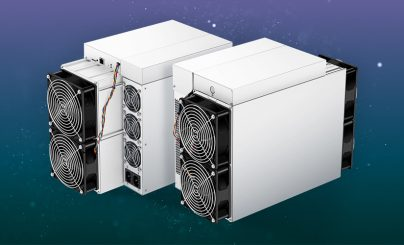
Вычислительная мощность ASIC измеряется в TH/s. Это главная характеристика при рассмотрении вопроса о покупке устройства и расчете прибыли. В октябре 2022 года популярные модели асиков вычисляют 110-200 TH/s, что намного превышает значения видеокарт.

Показатель также представляет вычислительную мощность сети. Например, в октябре 2022 года скорость хеширования RVN — 15,70 TH/s.

В каких единицах измеряется TH

Показатель эквивалентен 1 триллиону хешей в секунду. Помимо этого параметра, у оборудования есть значение эффективности, которое измеряется в джоулях (J/TH) или ваттах (W/TH) на терахеш.

Что влияет на уровень терахеша

При покупке ASIC в первую очередь смотрят на показатель TH/s. На его уровень влияют следующие факторы:

  • Количество устройств. Чем больше асиков, тем эффективнее майнинг.
  • Температура. Скорость работы снижается, если оборудование подвержено перегреву.
  • Тайминги. Это время, которое нужно устройству для выполнения команды. Асик перепрошивают, чтобы настроить показатель на максимальную эффективность.

Повышают уровень TH с помощью разгона. Например, у асика Antminer S19 Pro по умолчанию хешрейт составляет 110 TH/s. Его увеличивают до 150-180 TH/s, подключая блоки питания на 6 тыс. Вт или 8 тыс. Вт. Antminer S19 с 95 TH/s разгоняют до 125 TH/s, поменяв способ охлаждения.

Как узнать уровень TH

Чтобы определить показатель, можно посмотреть характеристики на странице производителя или загрузить ПО для майнинга и запустить тест на оборудовании. Еще один способ — воспользоваться специальными калькуляторами. Minerstat помогает узнать значение параметра и рассчитать прибыльность устройства.

При выборе оборудования значение TH и потребляемой мощности выставляются автоматически

Оптимальный TH в майнинге

Созданные хеши случайны, их невозможно предсказать. Потребуется много попыток, прежде чем блок будет добавлен в сеть. Значение TH/s в майнинге влияет на скорость обработки транзакций.

В октябре 2022 года хешрейт биткоина — 295 EH/s. Это означает, что за секунду создается 295 квинтиллионов уравнений. Чтобы узнать вероятность нахождения блока, нужно разделить собственный хешрейт на общий.

Хешрейт в криптовалюте

У каждого токена есть показатель общей вычислительной мощности, используемой для проверки транзакций в сети. Исходя из этого параметра майнеры решают, стоит ли им прилагать усилия в добыче криптовалюты. Также эта метрика важна для оценки безопасности.

Чем выше значение, тем сложнее злоумышленнику запустить атаку на блокчейн. Если хешрейт токена быстро снижается, криптоплатформы могут ограничить торговлю или исключить его из списка.


İlgili Okumalar

Trump Halts AI Executive Order, Regulatory Efforts Succumb to Competitive Anxiety

In a last-minute reversal, former President Donald Trump halted the signing of a long-anticipated executive order on artificial intelligence. The order had sought to establish a voluntary, pre-release safety testing framework for advanced AI models developed by leading companies like OpenAI, Google, Anthropic, and xAI. Under the proposed plan, companies would have shared their most powerful models with the U.S. government 90 days before public release for national security and cybersecurity risk assessments. Trump refused to approve the order, stating he did not want anything to "slow down our leadership," emphasizing America's lead over China in AI and the technology's role in job creation. This decision highlights the core tension in U.S. AI policy: balancing the management of systemic risks posed by frontier models—such as exposing financial system vulnerabilities—against fears that any regulation could stifle innovation and undermine competitive advantage. The move came despite significant public support for AI safety testing and followed internal administration debates. Some officials, alarmed by the capabilities of models like Anthropic's Mythos in uncovering critical security flaws, had advocated for stronger oversight. However, the industry and many within Trump's circle opposed even this voluntary framework, arguing it would hamper American innovation. The incident underscores how AI policy is increasingly intersecting with national security, economic strategy, and political governance.

marsbit19 dk önce

Trump Halts AI Executive Order, Regulatory Efforts Succumb to Competitive Anxiety

marsbit19 dk önce

Machines Pay, Humans Reap: Coinbase, Stripe, Google, Visa's AI Payments Land Grab

One year after being a concept, machine-to-machine payments are now a battleground. Four competing architectures are already deployed by Coinbase (x402 protocol), Stripe/Tempo (MPP standard), Google (AP2 authorization layer), and Visa (tokenized credentials). AI Agents have already settled over $73 million across 176 million transactions, with a median value between $0.01 and $0.10. A key barrier is the ~$0.30 minimum fee of traditional card rails, making them unviable for micro-payments. In contrast, Layer 2 stablecoin settlement costs $0.0001, with USDC dominating 98.6% of all transactions. The dynamic is less about a single winning protocol and more about vertical integration within a new payment stack. Companies like Coinbase and Stripe control multiple layers (settlement, wallet, routing, protocol, governance), driving over $8 billion in recent acquisitions to solidify their positions. The shift from extractive bot activity to productive Agent commerce is underway, with AI Agents accounting for 37% of all Gnosis Chain Safe transactions. The pace of adoption will be set not by available technology but by the development of trust and safety infrastructure for autonomous transactions. While a fully permissionless vision is appealing, supervised access remains crucial until AI reliability improves. Regulatory frameworks like MiCA and the EU AI Act, due in mid-2026, currently lag behind this rapidly evolving reality. The foundational argument is clear: crypto rails have already won micro-payments. The central question is how quickly the trust layer can catch up to the scaling settlement layer.

marsbit1 saat önce

Machines Pay, Humans Reap: Coinbase, Stripe, Google, Visa's AI Payments Land Grab

marsbit1 saat önce

ARM's Stock Price Soars 30% Against the Trend, Is ARM, Now Making AI Chips, Winning Big?

ARM's stock surged over 15% on May 21, 2026, reaching a record high of $259, driven by its strategic pivot beyond its traditional IP licensing business. For over three decades, ARM has profited by licensing chip designs to companies like Apple and Qualcomm, earning mere cents per chip. However, with the mobile market maturing, growth stalled. In March 2026, ARM announced a historic shift: it would design and sell its own finished chips for the first time. Its "AGI CPU," built for AI data centers, targets the growing computational needs of AI Agents—tasks like workflow orchestration and data preprocessing where CPUs are crucial. This move positions ARM directly in the high-value server CPU market, competing with some of its own licensees. Analysts believe the rise of Agentic AI will dramatically increase demand for data center CPUs. Bernstein set a $300 price target, forecasting ARM's annual revenue could reach $26 billion by 2030 as the server CPU market expands. Major customers like Meta and OpenAI have already signed on for the AGI CPU, with committed demand reportedly doubling to over $2 billion within six weeks of launch. While this transformation offers massive upside, risks remain. ARM's valuation is extremely high (P/E ~300), pricing in future success. The company must also navigate potential conflicts with existing partners and execute flawless chip manufacturing. Nevertheless, Wall Street is betting that ARM's move from a "tax collector" to an AI infrastructure provider could redefine its growth trajectory for the AI era.

marsbit1 saat önce

ARM's Stock Price Soars 30% Against the Trend, Is ARM, Now Making AI Chips, Winning Big?

marsbit1 saat önce

İşlemler

Spot
Futures
活动图片