Удар по децентрализации – USDC теряет позиции

VC.ru2022-08-25 tarihinde yayınlandı2022-08-25 tarihinde güncellendi

Özet

Финансовые регуляторы усиливают давление на ключевое преимущество криптовалютного рынка – децентрализацию. В августе ярким прецедентом стала блокировка Tornado Cash, которая участниками рынка рассматривается как неконституциональное решение. При этом ряд криптопроектов, включая Circle (USDC), продемонстрировал лояльность министерству финансов США.

Финансовые регуляторы усиливают давление на ключевое преимущество криптовалютного рынка – децентрализацию. В августе ярким прецедентом стала блокировка Tornado Cash, которая участниками рынка рассматривается как неконституциональное решение. При этом ряд криптопроектов, включая Circle (USDC), продемонстрировал лояльность министерству финансов США.

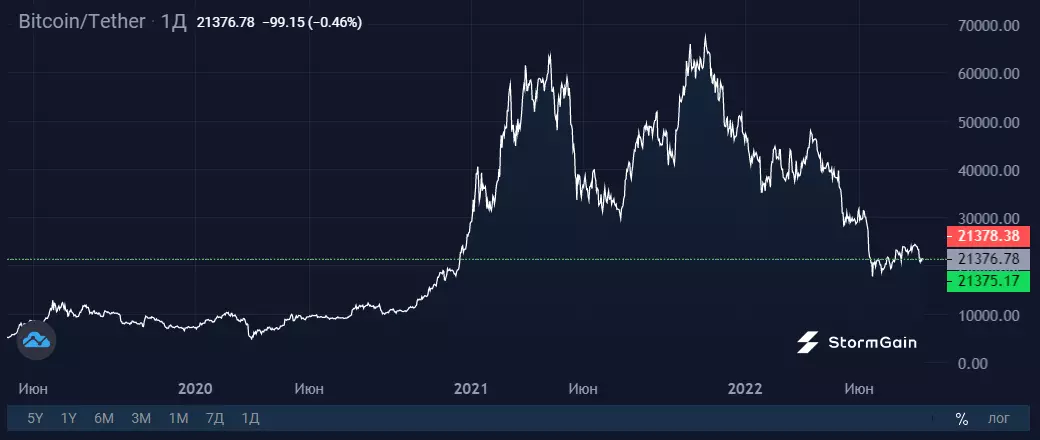
Децентрализация являет собой независимость от различных органов власти и финансовых институтов. Так, Bitcoin нельзя запретить фактически, поскольку нет единого центра, на который можно наложить санкции, а сами операции и средства пользователей – лишь запись в общем распределенном реестре.
Источник изображения: криптовалютная биржа StormGain

Bitcoin и Ethereum являются публичными блокчейнами, где история открыта и можно проследить весь путь отчеканенной монеты. Поскольку публичность вступает в противоречие с правом на конфиденциальность и неприкосновенность частной жизни, некоторые пользователи предпочтение отдают анонимным монетам или используют микшеры.

Tornado Cash является микшером, который разрывает связь между отправителем и получателем в сети Ethereum. Это децентрализованный протокол с открытым исходным кодом, построенный на работе смарт-контрактов. Проще говоря, инструмент автономен от создателя и от какой-либо организации. Любой пользователь может воспользоваться микшером, чтобы разорвать связь между адресатом и адресантом.
Источник изображения: tornado.cash

Желание скрыть историю перевода совсем не означает, что средства используются в преступных целях. Однако этого аргумента оказалось недостаточным: в первой половине августа подразделение OFAC Министерства финансов США впервые в истории включило в список заблокированных лиц программный код. В результате все компании, подпадающие под американскую юрисдикцию, стали блокировать пользователей и счета, где хотя бы один перевод был получен при помощи Tornado Cash (TC).

Группа защиты криптополитики Coin Center готовит судебный иск против OFAC, так как регулятор «превысил свои полномочия» и «нарушил конституционные права граждан США». К критике OFAC присоединился когрессмен Том Эммер, направив письмо непосредственно министру финансов Джанет Йеллен. Эммер поднимает следующие вопросы:

Как регулятор видит осуществление контроля над контрактами?

Каков статус средств, принадлежащих гражданам и прошедших микшер?

Как законопослушные граждане могут вернуть заблокированные средства?

Как обезличенные смарт-контракты могут обжаловать решение OFAC?

После включения TC в санкционный список лояльные министерству США учреждения принялись блокировать пользователей, получавших замешанные переводы. Поскольку от перевода нельзя отказаться, скомпрометирован может быть любой участник. Так, Джастин Сан (глава TRON) был заблокирован на платформе Aave сектора DeFi, получив 0,1ETH от неизвестного лица.

Также за блокировку взялась Circle (эмитент USDC), заморозив 75 тыс. USDC в связанных с TC переводах. Circle может заморозить перевод стейблкоинов как в TC, так и обратно на уровне смарт-контракта Ethereum.

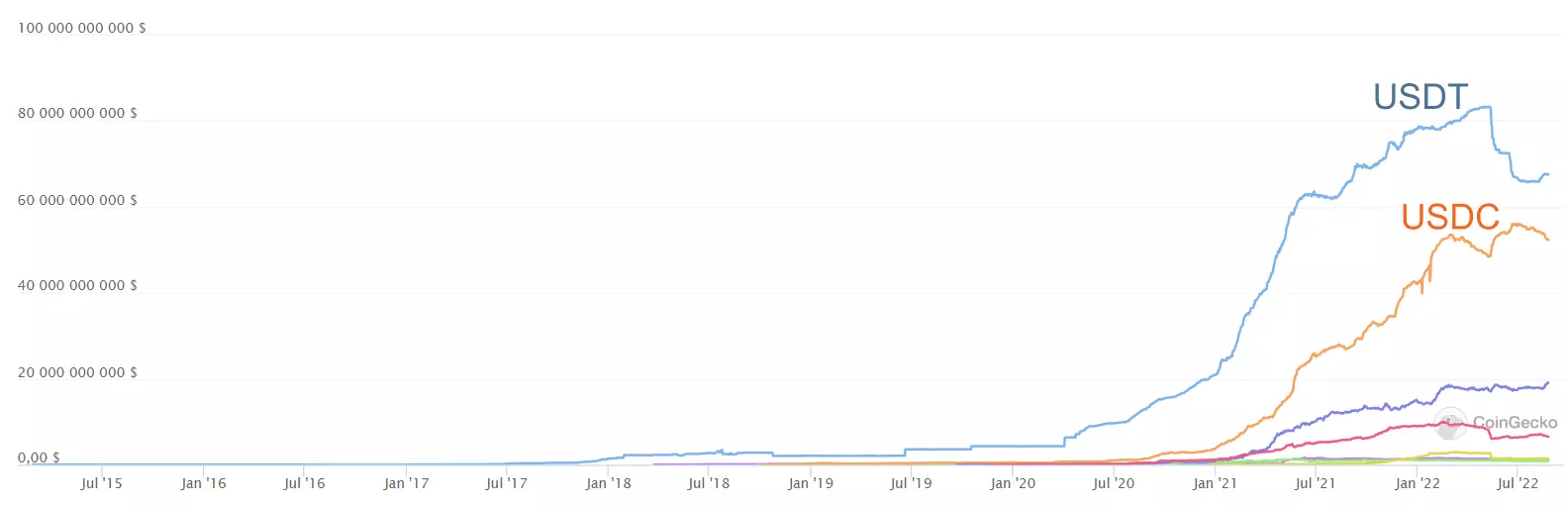
В результате пользователи и киты стали отказываться от USDC. За последние две недели объем депозитов на биржах достиг минимума марта 2021 года, а киты (1% лучших адресов) сократили свою долю до минимума августа 2020 года. Капитализация стабильной монеты за этот период сократилась на 3,5% до $52,3 млрд.
Источник изображения: coingecko.com

Для криптосообщества блокировка TC является крайне неприятным прецедентом, поскольку пользователи наказываются не за правонарушение, а за использование инструмента конфиденциальности. В случае умышленного использования гражданами США TC после внесения микшера в черный список будет применено наказание в виде штрафа до $300 тыс., либо лишения свободы на срок до 30 лет.


İlgili Okumalar

Interview with NDV Founder Jason Huang: Piercing the AI Bubble and the MicroStrategy Myth, Seeking the Ultimate Edge in the Crypto Market

In a podcast with WuBlockchain, NDV founder Jason Huang discusses recent market dynamics, expressing a bearish outlook on crypto in the near term. He attributes Bitcoin's recent decline to a combination of cyclical selling pressure, the start of a US stock market correction, and liquidity tightening. A key catalyst is the emerging financial strain on MicroStrategy (MSTR). Huang explains that MSTR's model of borrowing to buy Bitcoin created a positive "flywheel" in a bull market. However, with falling BTC prices turning its stock premium into a discount, the model is now under severe stress. While MSTR only sold 32 BTC recently, the market is "front-running" the fear of its massive 80,000+ BTC holdings potentially being liquidated to meet debt obligations. He believes a true market bottom requires a major, capitulation-level event similar to the FTX collapse. Regarding investments, Huang states his fund is up over 20% this year, outperforming Bitcoin by 50-60%. The strategy involves crypto assets and commodities like oil, gold, and silver, but avoids AI stocks due to a perceived lack of trading edge. He is cautious of crowded trades in semiconductors and sees bubbles in the broader market, citing the hype around a potential SpaceX IPO. Despite short-term pessimism, Huang remains long-term bullish on one crypto innovation: stablecoins. He views them as the clearest example of a "faster, better" financial tool with significant room for global adoption. For the future, he is very bearish on Ethereum. For Bitcoin, he anticipates potential for a significant drop below $48,000 before a eventual rebound, but stresses the need to wait for a true panic-driven bottom marked by widespread despair and disinterest in the market.

marsbit15 dk önce

Interview with NDV Founder Jason Huang: Piercing the AI Bubble and the MicroStrategy Myth, Seeking the Ultimate Edge in the Crypto Market

marsbit15 dk önce

Conversation with Jason Huang, Founder of NDV: Puncturing the AI Bubble and the MicroStrategy Myth, Searching for the Ultimate Trump Card in the Crypto Market

In a podcast interview, NDV founder Jason Huang discusses the recent crypto market downturn, attributing the initial phase to typical Bitcoin cycle selling pressure, now compounded by a US stock market correction, tightening liquidity, and MicroStrategy's financial strain. He argues the market hasn't bottomed yet, noting true bear market lows often require a major, despair-inducing event like FTX's collapse. Huang details MicroStrategy's precarious position: its debt-and-equity fueled Bitcoin buying model has reversed into a negative cycle as prices fell. He interprets its sale of just 32 BTC as a signal prioritizing creditors over shareholders, sparking market "front-running" of its larger potential sell-off. A true bottom may arrive only after MicroStrategy resolves its looming debt payments, possibly via a large, private Bitcoin sale. His fund is up ~20% this year, outperforming Bitcoin by 50-60%, by shorting crypto and trading commodities like oil and gold. He avoided AI stocks despite being a heavy user, citing a lack of trading edge in the crowded semiconductor hardware trade, which he views as ripe for a significant correction. Long-term, Huang remains bullish on stablecoins as crypto's clearest, most practical innovation with high growth potential. He is very bearish on Ethereum and skeptical that Bitcoin has found its floor, suggesting $48,000 may not hold. He expects a sharp decline followed by a strong recovery within a year, but only after a major panic event leads to widespread capitulation and despair—the true hallmark of a market bottom.

链捕手21 dk önce

Conversation with Jason Huang, Founder of NDV: Puncturing the AI Bubble and the MicroStrategy Myth, Searching for the Ultimate Trump Card in the Crypto Market

链捕手21 dk önce

U.S. Stocks Trend (June 24): Korean Stock Plunge Ripples Global Chip Sector, Micron Tumbles Over 10%, Long-Term Supply Certainty Faces a 'Hard Test'

US Stock Market Trend (June 24): South Korean Market Plunge Disrupts Global Chips, Micron Drops Over 10%, Long-Term Supply Certainty Faces Hard Test On Monday, the South Korean KOSPI index plunged 10%, with SK Hynix and Samsung dropping over 12%, triggered by rumors that SK Hynix might slow its HBM4 production expansion. This shock quickly spread to the U.S. semiconductor sector. Micron plummeted 13.18% to $1,051.77, SanDisk fell 13.64%, and Marvell declined 8%. The Philadelphia Semiconductor Index closed down 7.87%, while the Nasdaq fell 2.21% to 25,587.04 points. The sell-off particularly hit memory chip stocks. Defensive sectors showed relative resilience, with gains in stocks like IBM and Johnson & Johnson. Market volatility spiked, with the VIX index jumping 12.79%. Commodities weakened, with WTI crude oil hitting a near three-month low and gold falling below $4,100. The core issue is not a challenge to AI demand itself, but a market reassessment of overly optimistic capacity expectations for memory chips, especially HBM. The rumor about SK Hynix undermined perceived certainty in the AI infrastructure cycle. Key upcoming events include Thursday's PCE inflation data, which will influence Fed rate expectations, and Micron's earnings report. The market will focus on Micron's HBM gross margins and its long-term capacity guidance. The shift indicates the AI investment cycle is moving from euphoria to rational pricing. Large institutions are questioning the sustainability of AI-related capital expenditure growth. Micron's repricing from an "AI infrastructure staple" to a more cyclical stock highlights this change. Thursday's data and earnings represent a critical juncture for assessing long-term supply certainty, which has now significantly decreased.

marsbit29 dk önce

U.S. Stocks Trend (June 24): Korean Stock Plunge Ripples Global Chip Sector, Micron Tumbles Over 10%, Long-Term Supply Certainty Faces a 'Hard Test'

marsbit29 dk önce

Preferred Stock Is Not the Trigger for Corporate Bankruptcy, MicroStrategy's Dollar Reserves Can Cover Dividend and Interest Payments Until February 2027

Preferred Shares Are Not the Catalyst for Corporate Bankruptcy; MicroStrategy's Dollar Reserves Can Cover Dividend and Interest Payments Until February 2027. This article analyzes the nature of preferred shares used by MicroStrategy (MSTR). Legally equity but economically similar to debt, these shares, including its Bitcoin-linked STR convertible preferred notes (STRC), offer fixed or floating dividends. Crucially, MicroStrategy's preferred shares lack rigid redemption clauses, meaning they are not classified as traditional debt. This eliminates principal repayment pressure and means missed dividends do not constitute default or trigger bankruptcy, creating a "self-contradictory virtuous cycle." The article clarifies that if funds are short, MicroStrategy can defer or suspend preferred share dividends (except for non-cumulative types like STRD) without immediate risk. The real potential crisis point lies with its convertible bonds. If a prolonged bear market prevents conversion, MicroStrategy might need to sell Bitcoin to repay these bonds starting from the earliest maturity in September 2027, potentially creating a downward spiral. Preferred dividend suspensions would only exacerbate market panic in such a scenario. Recent financial activity shows MicroStrategy strengthened its position through four weeks of common stock (MSTR) issuances, raising over $851 million without issuing new preferred shares. It increased its dollar reserves to approximately $1.4 billion, which is sufficient to cover all preferred share dividends and interest until around March 2027. While Bitcoin purchases slowed recently, this prioritization of cash reserves enhances the company's near-term financial safety. The analysis concludes that if the Bitcoin bear market ends by early 2025 as anticipated, MicroStrategy can resume issuing MSTR stock in a rising market to replenish reserves and manage future dividend obligations, thereby reducing the long-term pressure from its preferred share structure.

marsbit1 saat önce

Preferred Stock Is Not the Trigger for Corporate Bankruptcy, MicroStrategy's Dollar Reserves Can Cover Dividend and Interest Payments Until February 2027

marsbit1 saat önce

İşlemler

Spot
Futures
活动图片