Messari 研究员:用 Perp DEX 炒美股,下一个新蓝海

深潮2025-10-26 tarihinde yayınlandı2025-10-27 tarihinde güncellendi

但目前的数据表明短期内这一领域还难以实现突破。

作者:Sam

编译:深潮TechFlow

关键洞察:

  • 股票永续合约仍属于高潜力但尚未被验证的领域,在链上市场的吸引力有限,主要因为受众错位、需求疲软以及更受欢迎的替代品(如0DTE期权)。

  • 例如,Ostium 平台的日均股票永续合约交易量仅为180万美元,而加密货币永续合约的交易量则高达4430万美元,显示出市场需求较弱。

  • 这可能暗示由于基础设施和监管限制,市场需求尚未完全释放。Hyperliquid近期的HIP-3升级为股票永续合约提供了最佳机会,但预计采用过程将是渐进的。
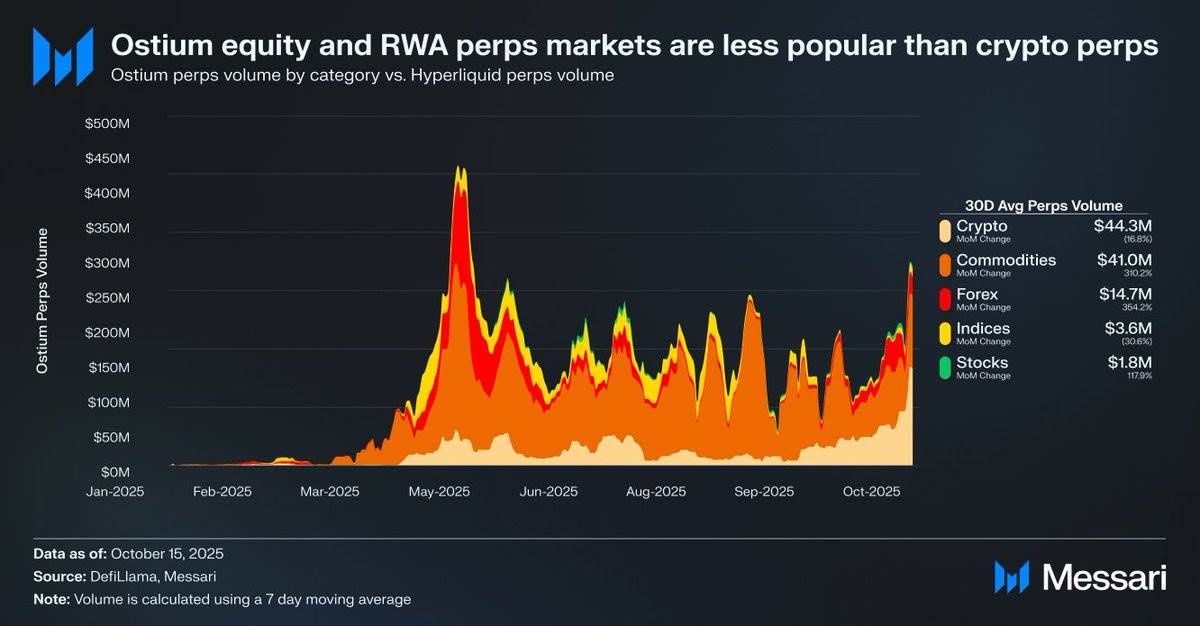
来源:Messari (@0xCryptoSam)

股票永续合约被认为是链上市场不可避免的下一片蓝海,但目前的数据表明短期内这一领域还难以实现突破。Ostium 作为一个专注于真实世界资产(RWAs)的永续合约去中心化交易所,其日均股票永续合约交易量仅为180万美元,而加密货币永续合约的交易量则达到4430万美元,这反映了需求的疲软。

这种采用差距主要源于受众错位。链上交易者对股票兴趣不大,而链下平台(如Robinhood)的交易者可以轻松交易股票和期权,但无法交易永续合约。国际投资者可能成为潜在目标群体,因为他们无法直接接触美国股市。然而,这些投资者可能更倾向于直接持有股票以获得股东权益,同时避免资金费和清算风险。

与代币相比,股票的互操作性挑战较少,而代币则因合成包装的便利性受益。对于普通投资者而言,全球市场中的几乎每一只股票都已通过搜索栏的个别股票代码实现抽象化。因此,尽管永续合约为股票增加了无许可和抗审查的特性,但普通股票投资者要么对此毫不知情,要么并不感兴趣。
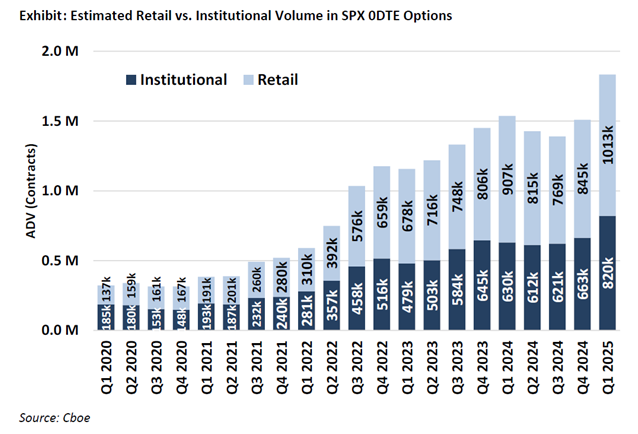
https://www.fow.com/insights/analysis-cboe-points-to-retail-flow-as-zero-day-options-grow

最可能的股票永续合约用户是零售期权交易者(他们在Robinhood平台上推动了50%-60%的 0DTE 交易)。然而,依赖银行服务的传统交易所只有在法律明确时才会采纳股票永续合约。美国商品期货交易委员会(CFTC)已批准BTC和ETH的永续合约交易,但这两者已被认定为非证券。虽然永续合约比期权更直观,但由于零售采用路径与法律明确性紧密相连,股票永续合约的普及可能比预期更为缓慢。
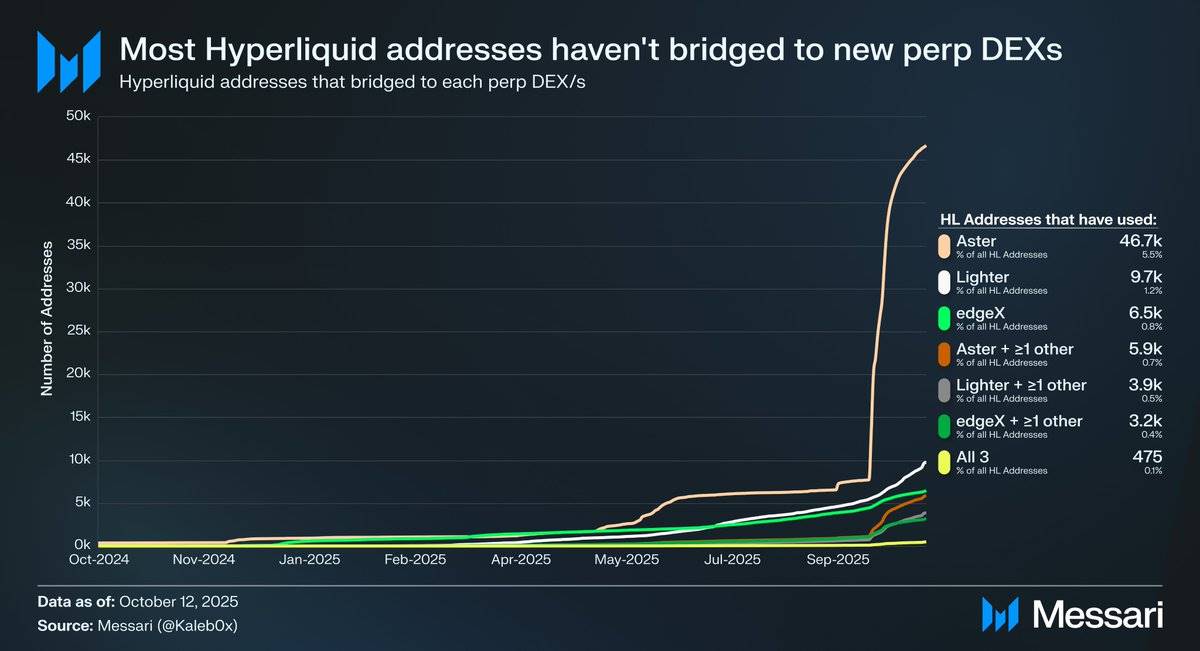
来源:@Kaleb0x

让我们探讨在 Hyperliquid 的 HIP-3 升级背景下,股票永续合约可能的发展方向。HIP-3 引入了去许可的永续合约市场,而数据显示,少于10%的 Hyperliquid 地址已桥接Aster、Lighter 和 edgeX,甚至更少用户选择了多个永续合约去中心化交易所(DEX)。这表明 Hyperliquid 的资金具有粘性,且质量较高。基于此数据,可以从两个角度预测股票永续合约的未来:

  1. Hyperliquid 用户对平台忠诚,无论资产列表或功能如何,他们更倾向于选择 Hyperliquid 而非其他永续合约 DEX。

  2. Hyperliquid 用户对当前永续合约市场的产品感到满意。

我认为这两种观点都有道理。考虑到 Hyperliquid 用户在面对激励时并未大规模转移资金,他们可能对 Hyperliquid 忠诚。但由于 Hyperliquid 上的大部分交易量和未平仓合约(open interest)集中在主流资产,与其他永续合约 DEX 类似,目前尚难判断 Hyperliquid 用户是否在意市场多样性,以及股票永续合约对普通用户(更重要的是持有 Hyperliquid 70%未平仓合约的大户)是否具有吸引力。

此外,这些交易者可能同时在传统交易所和券商平台拥有账户,这进一步限制了 Hyperliquid 上股票永续合约的潜在市场规模。

需要注意的是,股票永续合约可能不会为 Hyperliquid 带来新的未平仓合约或交易量,而是可能会分流现有的交易流量。

尽管 Ostium(年均永续合约交易量达220亿美元)和股票代币包装工具(如 xStocks,其现货交易量为2.79亿美元)尚未实现爆发性增长,这或许反映了基础设施的限制,而非潜在需求的缺乏。这种模式类似于永续合约早期的增长轨迹。GMX 证明了链上永续合约市场的需求存在,但当时的基础设施无法支持持续的交易量。而 Hyperliquid 解决了这一瓶颈,释放了潜在需求。以同样的逻辑,股票永续合约在 HIP-3 提供必要的性能和流动性后,可能会在 Hyperliquid 上找到其第一个可扩展的产品市场契合点。虽然当前数据无法确认这一结果,但这一先例值得关注。

与 0DTE 期权相比,股票永续合约的长期潜力仍然显而易见。像 Trade[XYZ]这样的项目可以利用监管套利,在传统交易所进入市场之前建立早期用户群。然而,真正的挑战在于吸引链下的零售交易者,而这对加密应用来说一直是困难的。


İlgili Okumalar

2026 Crypto Funding Reshuffle: Game and DePIN Are Dead, Prediction Market Duo Takes 18% of All Year's Funding with Two Deals

Cryptocurrency Funding in 2026: Gaming & DePIN Falter as Prediction Markets Dominate Data from the first four months of 2026 reveals a stark shift in crypto venture funding. The gaming and DePIN (Decentralized Physical Infrastructure Networks) sectors have seen capital nearly dry up. In contrast, the "Consumer" category, led by two massive deals for prediction market platforms Kalshi ($1B) and Polymarket ($600M), captured a significant share. These two deals alone accounted for 18% of the year's total $8.65 billion raised and exceeded the combined funding of all 47 DeFi projects. Overall, the $8.65B across 305 deals is misleading. A March surge to $4.57B was largely due to two major acquisitions (BVNK at $1.8B and Kalshi). Excluding these, the underlying monthly funding rate is approximately $1B, indicating continued softness. The "Payments" and "Consumer" sectors together consumed 72% of all capital. Another notable trend is the rise of mergers and acquisitions (M&A), with 48 deals nearly matching the 57 seed-round investments. This signals a market pivot from funding new ideas to consolidating around established leaders. The most active investors so far in 2026 are Coinbase Ventures (18 deals), Tether (13 deals), Animoca Brands (11 deals), and GSR (11 deals). Notably, a16z's pace has slowed significantly compared to previous years.

marsbit38 dk önce

2026 Crypto Funding Reshuffle: Game and DePIN Are Dead, Prediction Market Duo Takes 18% of All Year's Funding with Two Deals

marsbit38 dk önce

Bitcoin Treasury Companies That Promised Never to Sell Are Now Selling. Why?

The narrative of "never selling" Bitcoin treasuries is unraveling as major holders pivot to using BTC as a liquidity tool. MicroStrategy has formally integrated selling Bitcoin into its financial framework, stating it will sell when beneficial—for instance, to pay dividends if its mNAV ratio falls below 1.22x. CEO Michael Saylor outlined a model where selling BTC is preferable to equity issuance under certain conditions, based on quantified thresholds like a 2.3% annual Bitcoin appreciation break-even. Similarly, Marathon Digital (MARA) sold 15,133 BTC to repay convertible debt, framing it as "balance sheet optimization." Sequans Communications has sold Bitcoin for two consecutive quarters to service maturing convertible bonds, using its BTC holdings as collateral and operational liquidity amidst revenue declines. The shift redefines these companies from pure "belief-based reserves" to leveraged treasuries where capital management decisions—driven by debt obligations, financing costs, and shareholder returns—can override holding dogma. The future path hinges on Bitcoin's price: a bull market above $112,000 would ease financing pressure and absorb tactical sales, while a drop toward $50,000–$58,000 could force more defensive selling to meet liabilities, potentially creating a downward spiral of selling pressure and price declines. Investors must now price in debt maturities, collateral calls, and specific financial triggers alongside Bitcoin exposure.

marsbit44 dk önce

Bitcoin Treasury Companies That Promised Never to Sell Are Now Selling. Why?

marsbit44 dk önce

Ray Dalio's Latest Interview: Can the U.S. Still Escape the Cycle of Decline?

In a comprehensive interview, Ray Dalio, founder of Bridgewater Associates, analyzes whether the US can escape its historical "great cycle" of decline. He argues the nation faces a confluence of structural pressures, not a single crisis. Key points include: 1. **The Debt Cycle:** Unsustainable fiscal deficits and rising debt-to-income ratios are eroding national capacity, constraining spending on defense, welfare, and global commitments. 2. **Internal Political & Social Conflict:** Deep wealth gaps and value differences fuel intense political polarization. Addressing deficits becomes a zero-sum political battle over "who pays and who benefits," making consensus nearly impossible. 3. **Erosion of the World Order:** The post-1945 US-led, rules-based international system is breaking down, reverting to a state of great-power competition and conflict where raw power, not multilateral rules, resolves disputes. 4. **Currency & Safe Assets:** While the Chinese yuan may gain use as a medium of exchange, Dalio doubts it will become a primary global store of wealth. In an era of fiat currency debasement, assets like gold are regaining prominence as safe havens. 5. **AI's Dual Role:** Artificial Intelligence could boost productivity and help manage debt, but it also risks exacerbating wealth inequality, job displacement, and geopolitical tensions. Dalio concludes the US is in a period of increasing disorder, with debt, domestic strife, and international realignments converging. The critical factors for national recovery are foundational: improving education and civic素养, fostering social cohesion and productivity, and avoiding war—both civil and international. The path forward depends less on markets and more on these fundamental societal choices.

marsbit1 saat önce

Ray Dalio's Latest Interview: Can the U.S. Still Escape the Cycle of Decline?

marsbit1 saat önce

İşlemler

Spot
Futures
活动图片