永续合约为何必然属于通用区块链?

深潮2025-09-11 tarihinde yayınlandı2025-09-12 tarihinde güncellendi

未来的趋势是:永续合约(以及所有「杀手级应用」)将让头部通用链变得更加强大。

撰文:World Capital Markets

编译:Saoirse,Foresight News

应用链(Appchains)与通用链(GP Chains)之间的争论从未停歇。这两种模式各有其优势,但当我们从历史与经济学角度审视便会发现,在通用链上搭建永续合约的合理性不言而喻。

事实上,认为应用程序应自建独立链条的想法,完全是本末倒置。真正优质的应用程序应当为通用链提供支持,而非分裂成一个个孤立的「信息孤岛」。

金融的本质是整合,而非分散

金融行业的发展规律从来不是分散化,而是不断整合。

1921 年,美国约有 3 万家银行;如今,这一数字仅剩下约 4300 家,降幅达 86%。为何会出现这种变化?答案在于共享基础设施、统一标准与高效结算机制。基础设施越少,流动性就越强,规模效应也越显著。

尽管每年都会涌现一批全新的区块链项目,但即便各类替代方案如「寒武纪生命大爆发」般层出不穷,以太坊这个速度慢、成本高的区块链,在锁仓总价值(TVL)排名中依旧稳居第一,且领先优势巨大:其规模几乎是 Solana 的 10 倍。

以下是截至 2025 年 8 月 31 日,锁仓总价值排名前五的区块链
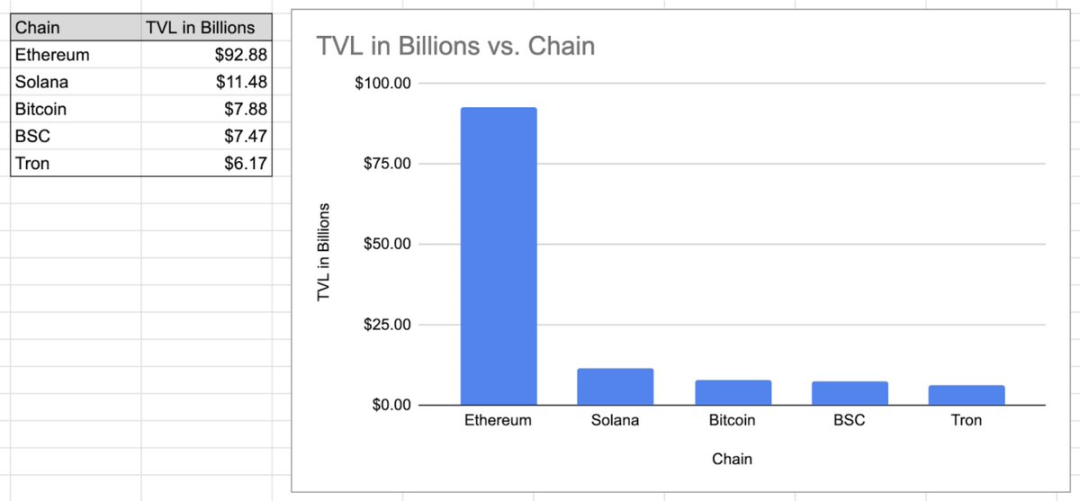
数据来源:https://defillama.com/chain/ethereum

在以太坊之后,排行榜中仍以通用链为主。最终你会看到 HyperEVM—— 另一条通用链,它承载着 Hyperliquid 的运行;而 Hyperliquid,也是迄今为止唯一真正成功的应用链。

由此可见,共享结算才是区块链金融的最终方向,而非分散的「特定应用孤岛」。

分销是核心:金融领域的「制胜关键」

有一种常见说法认为,「通用链只解决了分销问题」。「只」解决了?这种说法就好比说「一种药物只治愈了癌症」。在金融领域,分销本身就是核心竞争力。

你日常使用的金融产品,在不同服务商之间的差异究竟有多大?

从支票账户,到纽约证券交易所(NYSE)与纳斯达克(Nasdaq)的对比,除了「分销能力」和「已形成的网络效应」,我很难发现这些业务之间存在本质区别。要知道,服务器等硬件成本低廉,但分销能力却是无价的。

平台经济学:真正的启示

平台是极具影响力的分销载体。

回顾平台的发展历史 —— 从操作系统、应用商店(App Store)、Xbox 游戏主机,到互联网,再到近年的 Telegram—— 规律无比清晰:那些突破性的应用程序,无论主动选择还是被动适应,都会为平台提供支持,而非脱离平台独立发展。

不妨想想分销对平台的重要性:你的 iPhone 上,有多少应用是不通过 App Store 下载的?你又有多少次不使用浏览器就能访问网站?TikTok 没有打造更好的操作系统,Facebook 没有开发更好的浏览器,Halo 也没有制造更好的 Xbox 主机。

事实上,与当前一些观点相反:优质的应用程序反而有动力为平台的发展提供支持。

热门应用希望平台取得成功,这就形成了一个「飞轮效应」:应用带来流量,流量吸引更多应用入驻,进而带来更多流量。

而区块链通过去中心化治理,解决了传统平台的唯一核心弊端 ——「平台风险」(即平台方可能单方面变更规则、限制应用等)。在去中心化平台上,不会再出现类似《开心农场》(FarmVille)因平台规则变动而衰落的情况。你能享受平台的所有优势,却无需承担「被平台压榨」的风险。当然,需要说明的是,由于当前技术中「性能」与「去中心化」存在固有权衡,MegaETH 仍带有一定中心化属性;但重要的是最终目标,而非初始状态。

结论:网络效应驱动的「胜者通吃」

金融行业在持续整合,平台在分销中占据主导,分销能力比产品功能更重要。

而区块链与历史规律的唯一区别,在于它会进一步放大这些效应。

未来的趋势是:永续合约(以及所有「杀手级应用」)将让头部通用链变得更加强大。因为网络效应不会分散,只会层层叠加、不断强化。

İlgili Okumalar

VanEck's Bitcoin Forecasts: They Predicted the Month When Growth Could Begin

VanEck's latest analysis indicates Bitcoin's market capitulation may be in its advanced stages, with 8 of its 12 tracked capitulation indicators currently active. The report notes Bitcoin traded within a very narrow range recently, with realized volatility falling to unusually low levels. While the price decline since the October 2025 peak has lasted about 10 months, historical cycles averaging 11-12.7 months suggest a potential bottom could form between September and November 2026. Key developments include a recent net inflow of approximately $663 million into U.S. spot Bitcoin ETFs, a sharp reversal from the prior month's significant outflows. However, spot trading volumes remain low, falling to levels seen during the 2023 bear market. On derivatives markets, there's a notable defensive shift, with put option premiums surging and funding rates remaining below long-term averages. Forced liquidations have also slowed significantly. A notable change is the movement of approximately 356,000 BTC that had been dormant for over a year, reducing the long-term holder supply share to below 60% for the first time in months. VanEck cautions that while intense capitulation signals historically haven't led to significant short-term outperformance (3-6 months), buying during such periods has yielded better returns over a one-year horizon. The firm emphasizes considering a potential bottoming range rather than predicting a single date.

cryptonews.ru19 dk önce

VanEck's Bitcoin Forecasts: They Predicted the Month When Growth Could Begin

cryptonews.ru19 dk önce

Michael Saylor, Founder of MicroStrategy, and CEO Phong Le Have Made Some Interesting Announcements! They Publicly Disclosed Their Bitcoin Price Forecast

During a Q&A session moderated by Natalie Brunell, Michael Saylor, founder of MicroStrategy, and CEO Phong Le discussed the company's strategy regarding its balance sheet, stock dynamics, and Bitcoin's role in the global financial ecosystem. Saylor described Bitcoin as the fundamental "capital asset" of the digital world, stating the company is building its future growth plans directly on this foundation. He argued that Bitcoin is not a traditional payment method or everyday currency, but digital capital, and that attracting capital from traditional finance is key to Bitcoin's growth. The company's digital credit instruments are designed to facilitate this capital inflow. CEO Phong Le addressed investor concerns about stock dilution and price volatility, asserting that capital raises and new instruments create shareholder value if they increase the amount of Bitcoin per share. He noted that a 50% drop in Bitcoin naturally leads to stock price fluctuations of up to 75%, emphasizing that MicroStrategy employs a long-term model of debt and equity financing, not short-term Bitcoin trading. The company also outlined its treasury management approach, stating it may dynamically buy BTC, repurchase credit instruments, or accumulate dollar reserves based on market conditions. Saylor reiterated his belief that Bitcoin could eventually reach $1 to $10 million as the company accumulates a larger share of its supply. He dismissed the idea of paying Bitcoin dividends as financially illogical, advocating instead for borrowing in low-cost, inflation-resistant fiat currencies (like dollars or yen) to invest in Bitcoin, which he views as the strongest appreciating asset. *This is not investment advice.

cryptonews.ru1 saat önce

Michael Saylor, Founder of MicroStrategy, and CEO Phong Le Have Made Some Interesting Announcements! They Publicly Disclosed Their Bitcoin Price Forecast

cryptonews.ru1 saat önce

İşlemler

Spot
活动图片